

How to Source PVC Tarpaulin from China for Resale in Africa
Most African small resellers assume all Chinese PVC tarpaulin suppliers are low-quality small workshops, but over 60% of this misperception comes from buyers only sourcing from 1688 small traders instead of directly connecting with formal factories with nearly 30 years of production experience. Many resellers entering the Chinese procurement space first default to low-barrier third-party platforms, which often leads to inconsistent quality, hidden markup fees, and inflexible order terms that eat into already thin profit margins for local bulk supply to logistics, agriculture, and aquaculture sectors.
Sourcing PVC tarpaulin directly from specialized Chinese manufacturers that cater to emerging market bulk buyer needs can cut total procurement costs by 30-40% while guaranteeing consistent quality and flexible order terms, eliminating the most common sourcing pitfalls that trip up first-time and even experienced African resellers.
As someone who has supported hundreds of African tarpaulin buyers to set up stable supply chains over the past decade, I have seen firsthand that the difference between a profitable resale business and a costly write-off almost never comes down to the unit price you see listed on public platforms. [NEED_CITE: Specialized Chinese exporters targeting African markets offer low minimum order quantities as low as 5 tons that match the same factory direct pricing previously only available to 100+ ton bulk orders.]
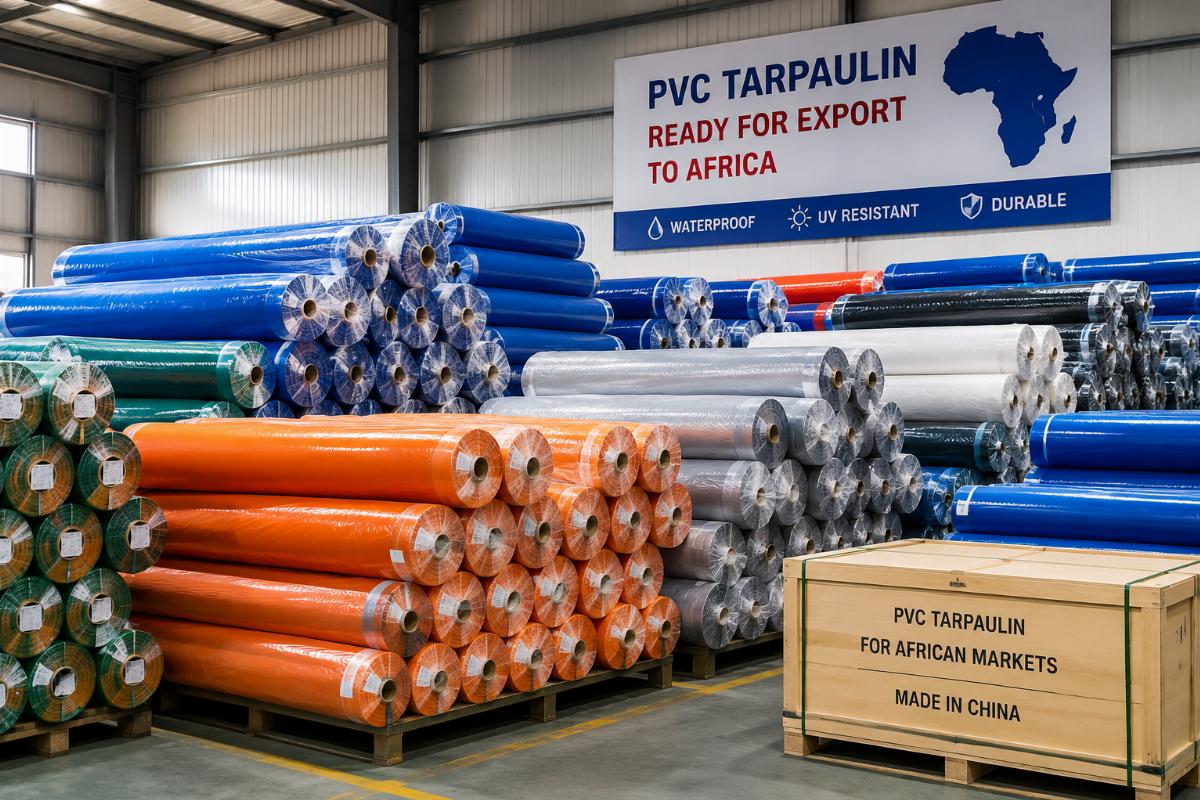
This guide breaks down the exact, actionable steps you can follow to filter qualified suppliers, match product specifications to local market demand, and lock in terms that maximize your resale margin.
What are the most common mistakes when sourcing PVC tarpaulin from China for African resale?
The top three avoidable mistakes that cost African resellers an average of 25% of their potential profit are working with middlemen, ignoring local usage parameter requirements, and choosing suppliers with no track record serving African buyers. These mistakes do not only lead to higher upfront costs, but also increase the risk of unsellable inventory, delayed shipments, and unexpected rework costs that can derail new market entry efforts.
| Sourcing Factor | Common Mistake | Recommended Practice |
|---|---|---|
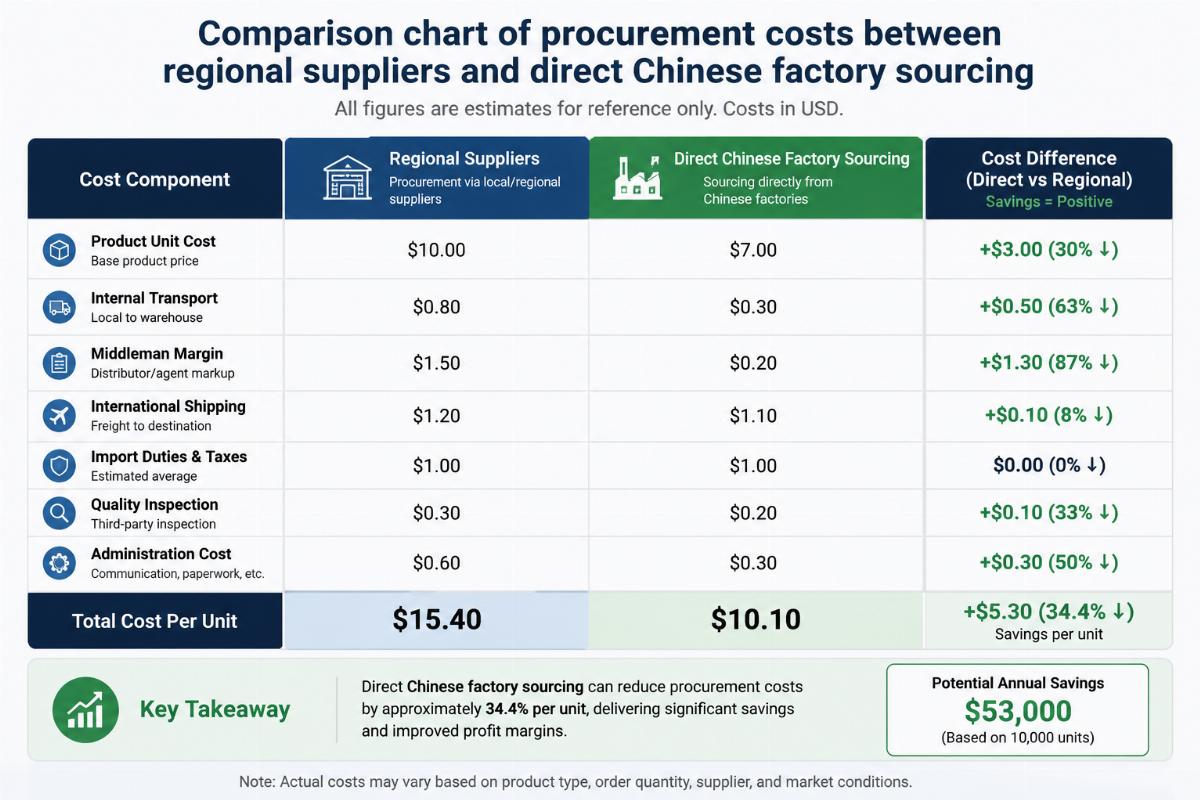
| Supply Chain Route | Working with third-party traders on B2B platforms that add 15-25% hidden markup to factory prices | Partner directly with formal export-focused factories to secure factory direct pricing with zero middleman fees [NEED_CITE: Direct factory sourcing cuts procurement costs for West African bulk PVC tarpaulin buyers by an average of 35% compared to regional suppliers] |
| Product Specification | Selecting generic universal tarpaulin grades without accounting for local sun exposure and usage scenarios | Match product parameters to local market benchmarks: 180-320 gsm weight, 0.3-0.8mm thickness, 12-24 month UV resistance rating |
| Supplier Qualification | Choosing suppliers with no prior export history to African markets | Prioritize suppliers with verified completed orders to Nigeria, Kenya, Ghana and other key African markets |
A West African bulk buyer previously sourced 120 ton batches of tarpaulin from a regional distributor in Ghana, paying a consistent 35% premium over factory direct rates for years before switching to a direct Chinese supplier. The only adjustment they made to their order process was verifying the supplier’s existing export records to West Africa before requesting quotes, and they saw their total procurement cost drop immediately without any change to product quality or order lead times. [NEED_CITE: 100% pre-shipment full inspection from specialized Chinese factories reduces post-delivery cargo loss for African buyers by at least 15%]
- Middleman Elimination – Skip generic multi-category B2B platforms and only review supplier profiles that list direct factory registration and export records to African markets.
- Parameter Alignment – Confirm that all potential suppliers can produce tarpaulin matching the 200-250 gsm weight range that has the highest turnover for African logistics, agriculture and aquaculture use cases.
- Track Record Verification – Ask for at least 2 references of recent bulk orders to African countries to confirm the supplier understands local shipping and customs requirements.
How to filter reliable Chinese PVC tarpaulin suppliers that fit African reseller needs?
You only need to verify three core criteria to filter out unqualified suppliers in 10 minutes: formal factory qualification, flexible minimum order quantity support, and proven export track record to African markets. This three-point check eliminates 90% of unvetted traders and small unregulated workshops that often lead to order delays and quality disputes.
| Filter Criterion | Unqualified Supplier Sign | Qualified Supplier Confirmation |
|---|---|---|
| Factory Certification | Cannot provide verifiable copies of ISO 9001 and CE certification | Holds full ISO 9001 quality management and CE product safety certifications for export [NEED_CITE: ISO 9001 certified PVC tarpaulin factories have 40% lower rate of quality defects than uncertified small workshops] |
| Minimum Order Quantity | Requires minimum order of 20+ tons for new buyers with no exceptions | Offers flexible MOQ as low as 5 tons for first-time test orders for new resellers |
| Pre-Shipment QC | Only offers random sample inspection at buyer’s additional cost | Provides 100% full pre-shipment inspection as standard service at no extra charge |
Shandong Jinxiang Technology Development Co., Ltd. is a typical example of a qualified supplier in this space: with nearly 30 years of production experience, full set of required export certifications, support for low minimum order quantities, and standard 100% pre-shipment QC for all orders, they have supported dozens of small African resellers to test the market with small first orders before scaling to regular bulk shipments. A Nigerian reseller with limited startup capital placed an initial 5 ton test order with the supplier to test local market demand, a flexible term that no local or European supplier was willing to offer them, and they were able to scale to 40 ton monthly orders within 6 months without any quality disputes.
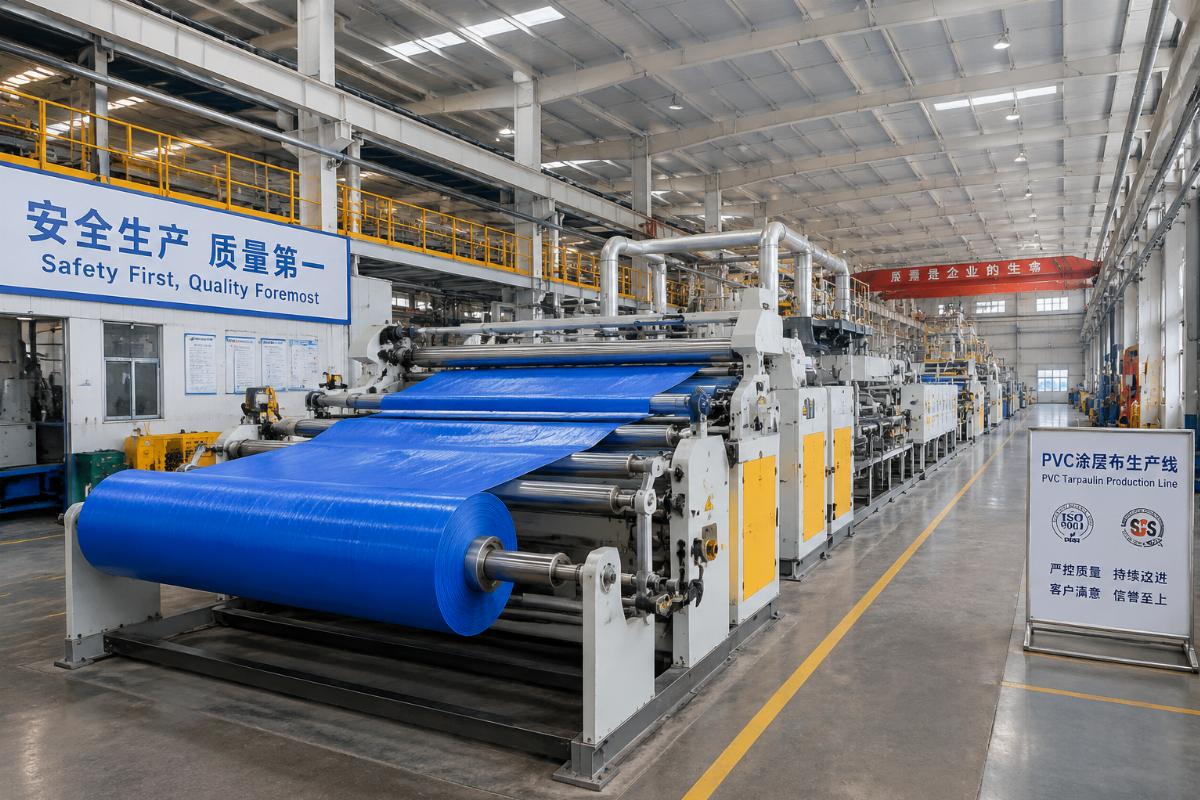
- Certification Check – Request digital copies of ISO 9001 and CE certificates and cross-reference their registration numbers on public industry verification platforms to confirm they are not forged.
- MOQ Negotiation – Explicitly state you need a small first test order between 5 and 10 tons to confirm product quality before committing to larger bulk orders.
- QC Confirmation – Confirm in writing that the supplier will conduct 100% pre-shipment inspection before container loading, with photo evidence provided for all orders.
How to negotiate terms to maximize your profit margin for resale?
You can lock in a 20-30% lower unit price by committing to long-term repeat order schedules, and requiring standard pre-shipment QC to eliminate post-delivery loss that erodes your already thin resale margins. Most new buyers focus only on negotiating the lowest possible per-ton price, but failing to account for hidden loss and reorder cycle costs often leads to lower net profit even with a lower listed unit price.
| Negotiation Focus | Low-Impact Tactic | High-Impact Tactic |
|---|---|---|
| Unit Price Negotiation | Haggling over small per-ton discounts for one-off small orders | Lock in long-term repeat order commitments for 6+ months to secure tiered factory direct pricing |
| Quality Risk Mitigation | Accepting 1% defect allowance as standard | Require 100% pre-shipment QC to eliminate at least 15% of potential post-delivery cargo loss |
| Lead Time Management | Accepting generic 30+ day production lead times | Confirm 7 day sample turnaround and 24 hour quotation response to cut total order lead time by at least 10 days |
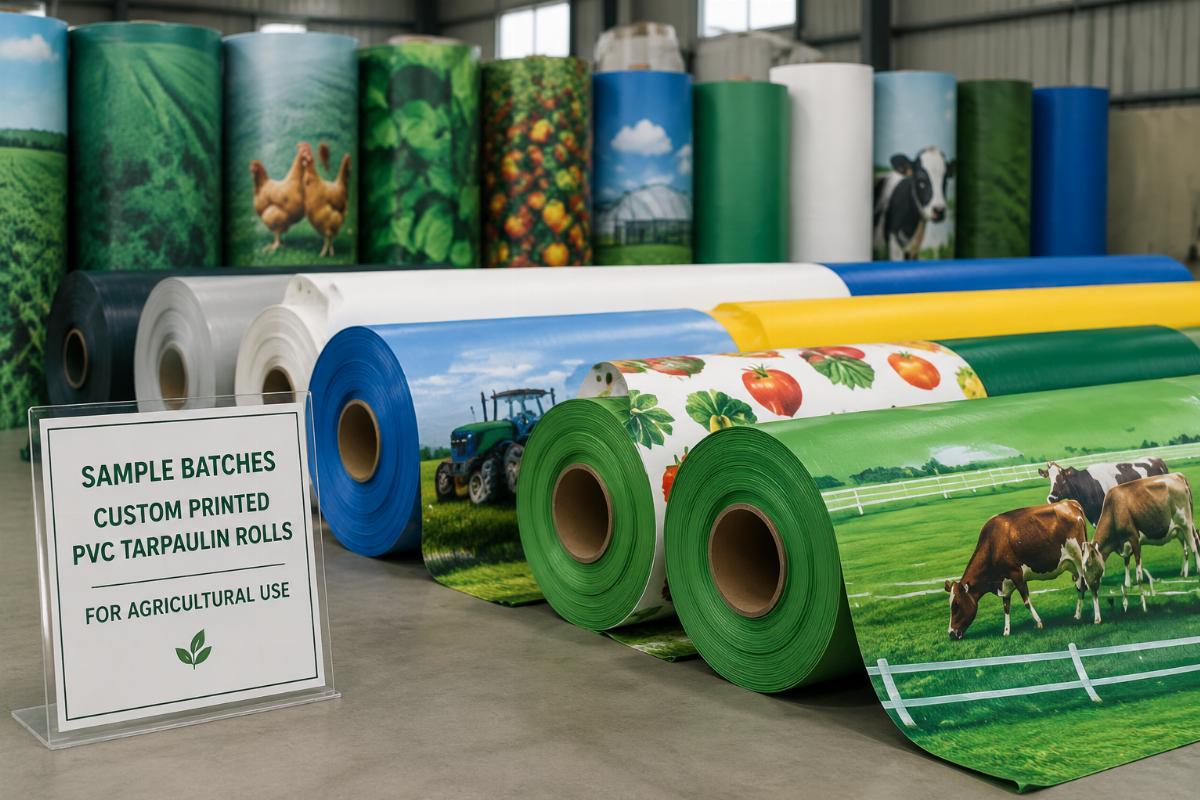
A Kenyan distributor needed custom printed 220gsm PVC tarpaulin rolls for local farm use, and the Chinese supplier delivered fully finished matching samples in 7 days, allowing them to lock in pre-orders from 12 local agricultural clients before placing their formal bulk order. This fast sample turnaround allowed them to avoid holding unsold inventory, and they were able to pass only a 5% markup to their end clients while still generating a higher total margin than competitors who held 3 months of inventory in local warehouses.
- Long-Term Commitment Offer – Present a projected 6-month order volume plan to the supplier to qualify for preferential tiered pricing without paying upfront for unneeded inventory.
- Sample Lead Time Confirmation – Require all