How to Build a Profitable Tarpaulin Brand: OEM Manufacturing and Private Label Strategy with Chinese Suppliers
يعتقد معظم مالكي العلامات التجارية الجديدة للقماش المشمع أن كميات الطلب الأدنى المنخفضة تعني التضحية باتساق المنتج، ولكن القماش المشمع المتخصص {{ZKF_4}} مع خطوط إنتاج مخصصة يقدم جودة موحدة عبر جميع أحجام الدفعات دون زيادة سعرية. بناء علامة تجارية للقماش المشمع بهامش ربح مرتفع لا يتطلب رأس مال ضخم مقدمًا أو قدرة تصنيع داخلية، ولكنه يتطلب اختيارًا دقيقًا للشريك يقطع التكاليف الوسيطة غير الضرورية مع التوافق مع المتطلبات التنظيمية الإقليمية.
أساس العلامة التجارية المربحة للقماش المشمع يعتمد على الشراكة مع صينية متمرسة {{ZKF_4}} تقدم مرنة {{ZKF_5}}، ودعم كامل للعلامة الخاصة، والامتثال لشهادات ما قبل التصدير، بدلاً من مطاردة أقل سعر مذكور للوحدة من موردين غير موثوقين.
بصفتي شخصًا دعمت إطلاق وتوسيع نطاق عشرات العلامات التجارية للقماش المشمع في أمريكا الشمالية وأوروبا وجنوب شرق آسيا على مدى العقد الماضي، رأيت بنفسي أن 80% من حالات فشل العلامات التجارية المبكرة تنبع من عدم توافق قدرات الموردين وليس من ضعف الطلب في السوق. [يحتاج إلى استشهاد: العلامات التجارية للقماش المشمع التي تتخلص من وسطاء شركات التجارة تشهد انخفاضًا متوسطًا بنسبة 27% في تكاليف الإنتاج لكل وحدة خلال أول 6 أشهر من التشغيل]
يوضح الدليل التالي خطوات قابلة للتنفيذ ومدعومة بالبيانات لاختيار الشريك المناسب، وتجنب فخاخ التكلفة الشائعة، وهيكلة استراتيجية العلامة الخاصة التي تحقق هوامش ربح ثابتة.
ما هي القدرات الأساسية التي يجب أن توليها الأولوية عند اختيار شريك تصنيع العلامة التجارية الخاصة (OEM) للقماش المشمع؟
أولوية دعم البحث والتطوير، وتغطية الشهادات، وأنظمة مراقبة الجودة قبل الشحن على سعر الوحدة المذكور وحده لتجنب مخاطر الجودة والامتثال التنظيمي بعد الإطلاق. يعتاد العديد من المشترين على مقارنة أسعار الوحدة أولاً، لكن التكاليف الخفية من الشحنات المتأخرة أو المنتجات غير المطابقة أو إعادة التصنيع يمكن أن تمحو 30% أو أكثر من الربح المتوقع في طلب واحد.
عامل التقييم
ممارسة غير فعالة شائعة
الممارسة الموصى بها المثلى
تركيز اختيار الشريك
قارن فقط الأسعار المذكورة لكل وحدة
أولوية حجم فريق البحث والتطوير، عدد خطوط الإنتاج، وتغطية الشهادات من جهة خارجية
ضمان الجودة
قبول الفحوصات العشوائية على خطوط الإنتاج
طلب فحص جودة بنسبة 100% قبل الشحن لكل دفعة طلب [يحتاج إلى اقتباس: فحص الجودة بنسبة 100% قبل الشحن يقلل من معدلات مشكلات الجودة بعد التسليم بنسبة 94% للطلبات الكبيرة من المشمع]
التحقق من الشهادة
افترض أن جميع الموردين يحملون شهادات تصدير صالحة
تأكد من أن الموردين يحملون شهادات ISO 9001 وISO 14001 وISO 45001 وCE المعتمدة مسبقًا والمتوافقة مع متطلبات السوق المستهدفة
قامت سلسلة لوجستية في أمريكا الشمالية مؤخرًا بتوريد أغطية شاحنات PVC ثقيلة الوزن مخصصة لثلاثة آلاف أسطول، واختارت موردًا يقدم فحص جودة كامل قبل الشحن بدلاً من عرض سعر أرخص بنسبة 5% من شركة تجارية. وكانت النتيجة عدم وجود مشاكل جودة بعد التسليم عبر 6 طلبات متكررة متتالية، مما وفر لشركة الخدمات اللوجستية ما يقدر بـ 120,000 دولار من تكاليف الاستبدال ووقت التوقف عن العمل.
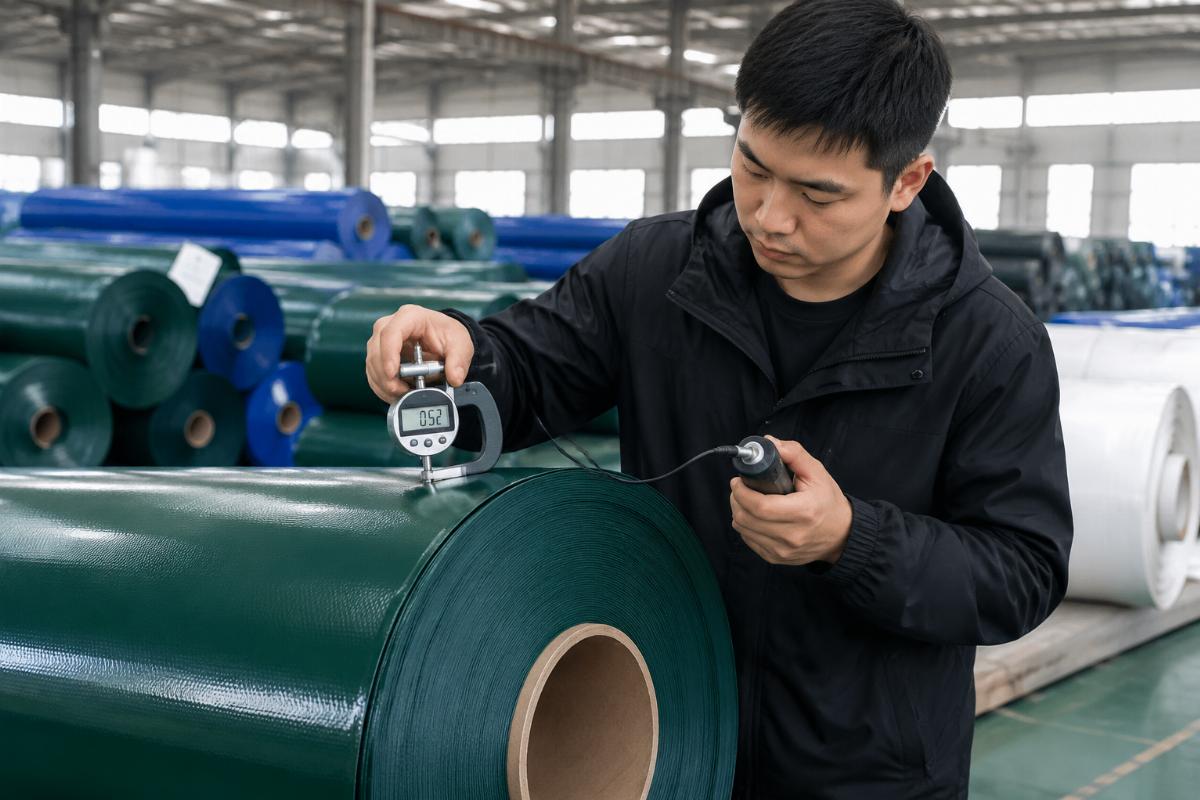
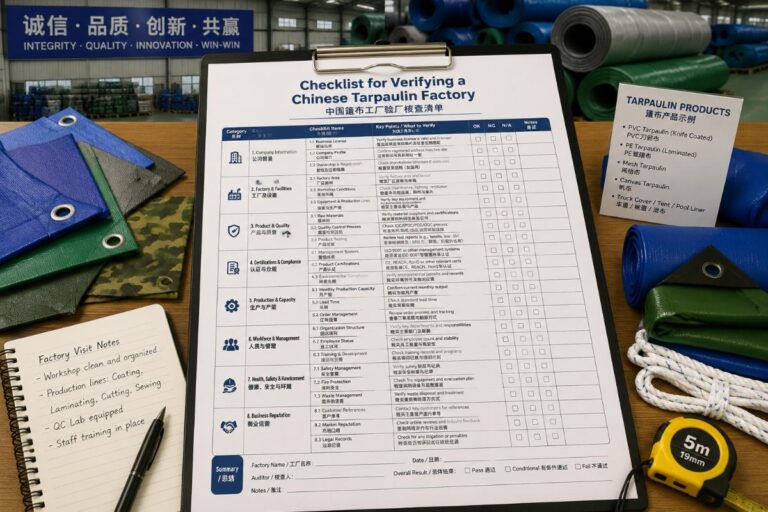
التحقق من الشهادات – اطلب نسخًا رقمية من جميع شهادات التصدير النشطة وغير المنتهية للسوق المستهدف قبل طلب عروض الأسعار
مراجعة عملية مراقبة الجودة – اطلب من الموردين مشاركة شرح خطوة بخطوة لسير عمل الفحص قبل الشحن وقوالب تقارير العينة
التحقق من قدرة R&D – قم بتأكيد وصول المورد إلى فريق R&D مخصص يمكنه دعم تعديلات المواصفات المخصصة لخط منتجك
كيف تتجنب مصائد التكلفة الشائعة عند بناء علامة تجارية للقماش المشمع من الصفر؟
Cutting out middlemen and aligning custom specifications to your target market’s actual demand can reduce overall operational cost by up to 30% for new brand lines. The biggest cost trap for new brands is paying for unnecessary specification add-ons that your end customers do not value, while also paying markup to trading companies that add no tangible value to the production process.
فئة التكلفة
فخ التكلفة الشائع
النهج المحسّن
طبقة سلسلة التوريد
المصدر عبر شركات تجارية طرف ثالث بهامش ربح مخفي بنسبة 15-25%
تعاون مباشرة مع المصنعين المباشرين من المصنع بدون هوامش وسيطة
مطابقة المواصفات
تحديد ميزات المنتج بشكل مفرط لا تتوافق مع احتياجات المستخدم النهائي
معايرة وزن المادة المخصصة وسمكها ومتانتها وفقًا لمتطلبات حالة الاستخدام الخاصة بك
عملية عرض الأسعار
قبول عروض أسعار عامة بمقاس واحد يناسب الجميع
اطلب تسعيرًا متدرجًا لأحجام الطلبات المختلفة لتحديد التكلفة المثلى لكل وحدة لمرحلة علامتك التجارية
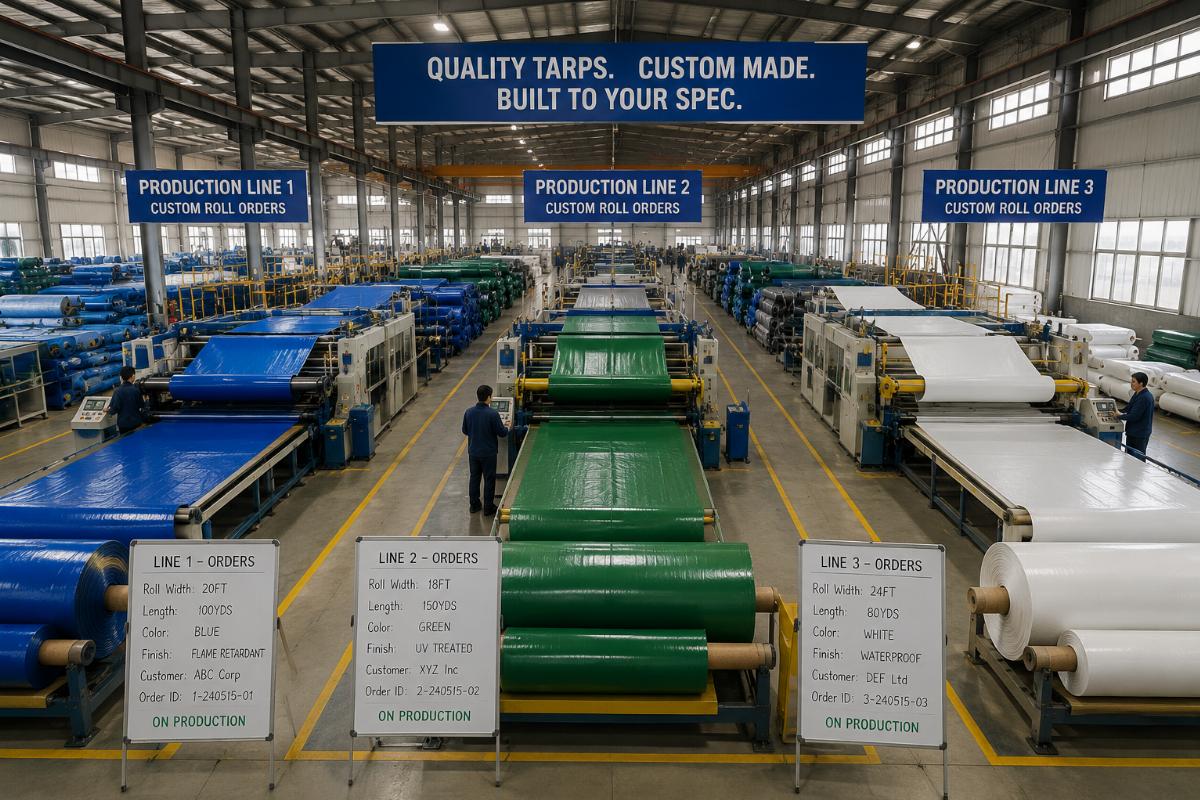
A European bulk tarpaulin distributor recently placed a 12-container order for custom PVC tarpaulin rolls with a factory-direct partner spanning 9180 m2, 3 full production lines, and 24-hour quotation response, avoiding all intermediate markup. By leveraging 7-day sample turnaround and 10-person R&D team support for private label packaging, the distributor reduced per-unit cost by 22% compared to their previous local supplier.
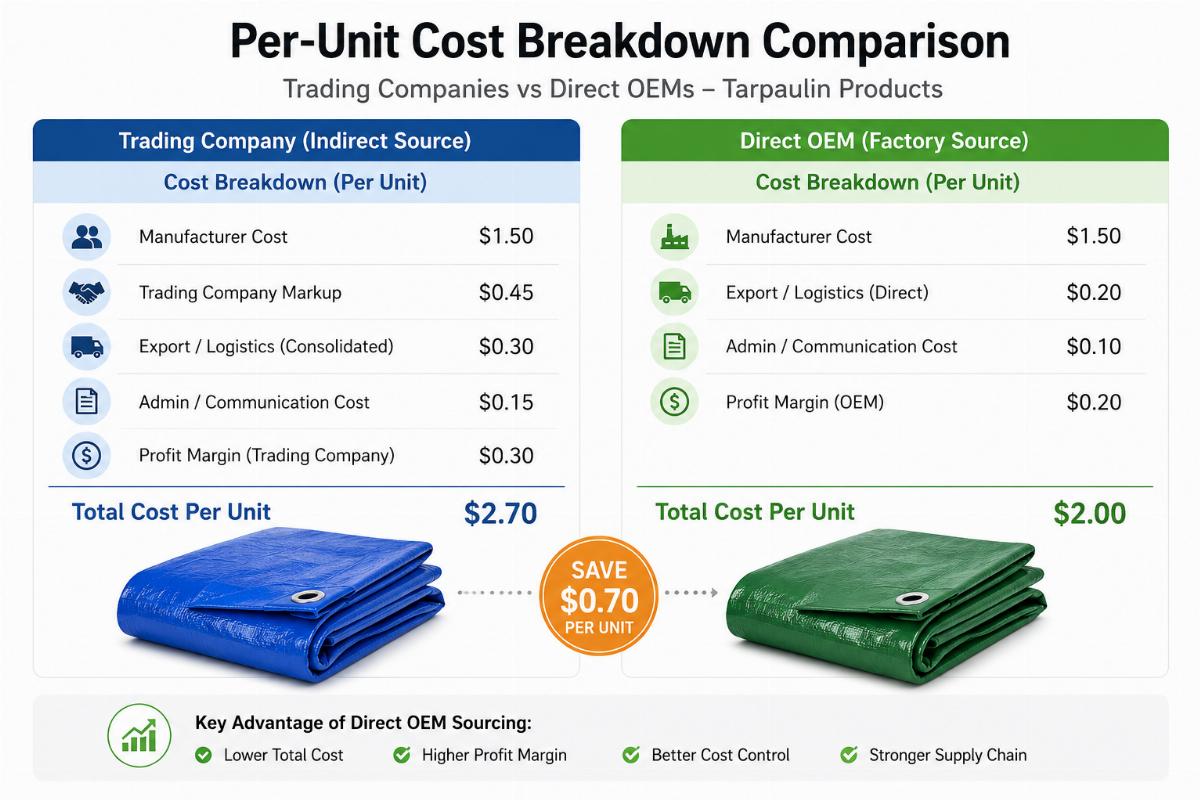
- Margin Calculation – Build a clear cost breakdown framework that separates OEM production costs, private label packaging costs, and any potential intermediate markup before finalizing supplier terms
- Specification Audit – Cross-reference all requested custom features against your end customer purchase history to eliminate any low-value add-ons
- Sample Validation – Test physical samples for performance against your core use case before committing to bulk order terms
What private label customization levers deliver the highest margin for tarpaulin products?
Material-specific customizations including weight, thickness, and fire-retardant grade deliver stronger market differentiation than surface-level logo printing for both B2B and end buyers. A common misconception is that private label only refers to adding a logo to finished products, but custom adjustments at the roll production stage create unique selling points that competitors cannot easily replicate.
| Customization Type |
Low-Impact Approach |
High-Margin Approach |
| Private Label Focus |
Only print logos on finished product packaging |
Adjust core material attributes including density, anti-UV rating, and color at the roll production stage |
| Differentiation Strategy |
Match identical product specifications to existing market offerings |
Build custom product lines tailored to niche use cases such as aquaculture liners or heavy-duty truck covers |
| Brand Positioning |
Compete on generic tarpaulin product pricing |
Highlight unique material performance attributes as your core brand differentiator [NEED_CITE: Material-specific custom tarpaulin products command a 18-25% price premium over generic unbranded alternatives] |
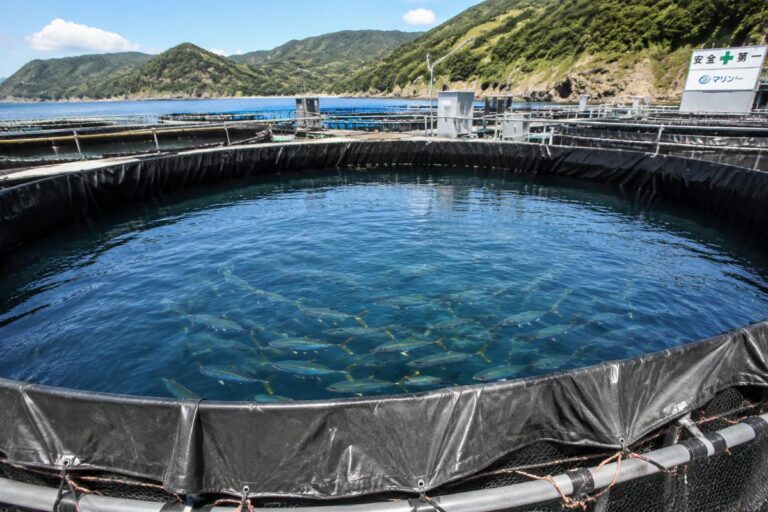
A Southeast Asian aquaculture client recently ordered 18,000 units of eco-safe PVC fish pond liners, with custom density and anti-UV specifications aligned exactly to their farm expansion timeline. The custom material specifications allowed the client to price their liners 22% higher than generic market alternatives, while still retaining a 45% gross margin.
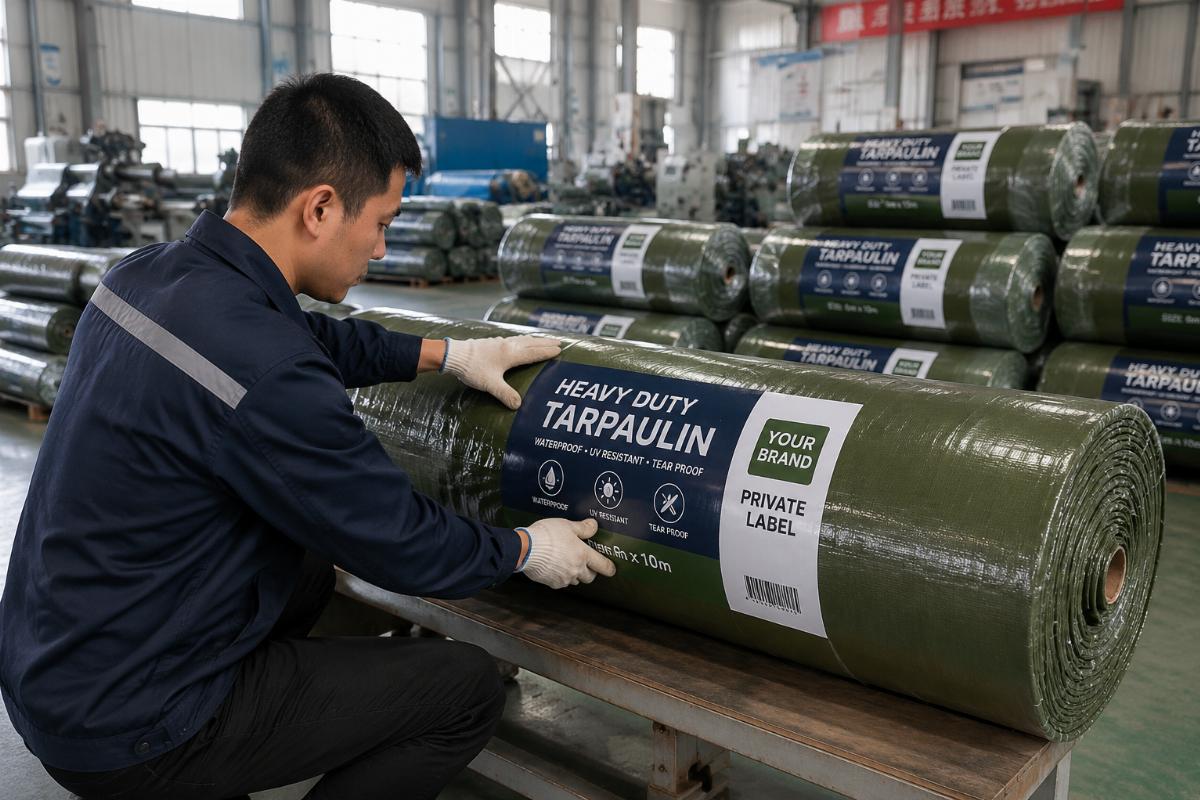
- Core SKU Prioritization – Select 3-5 core product SKUs to launch with custom material specifications that align with your highest demand customer segment
- Customization Mapping – List all performance attributes relevant to your target use case, and prioritize adjustments that are not widely offered by competing suppliers
- Sample Approval – Complete full performance testing of custom material samples before initiating bulk production runs
How to match MOQ requirements to your brand stage without overstocking?
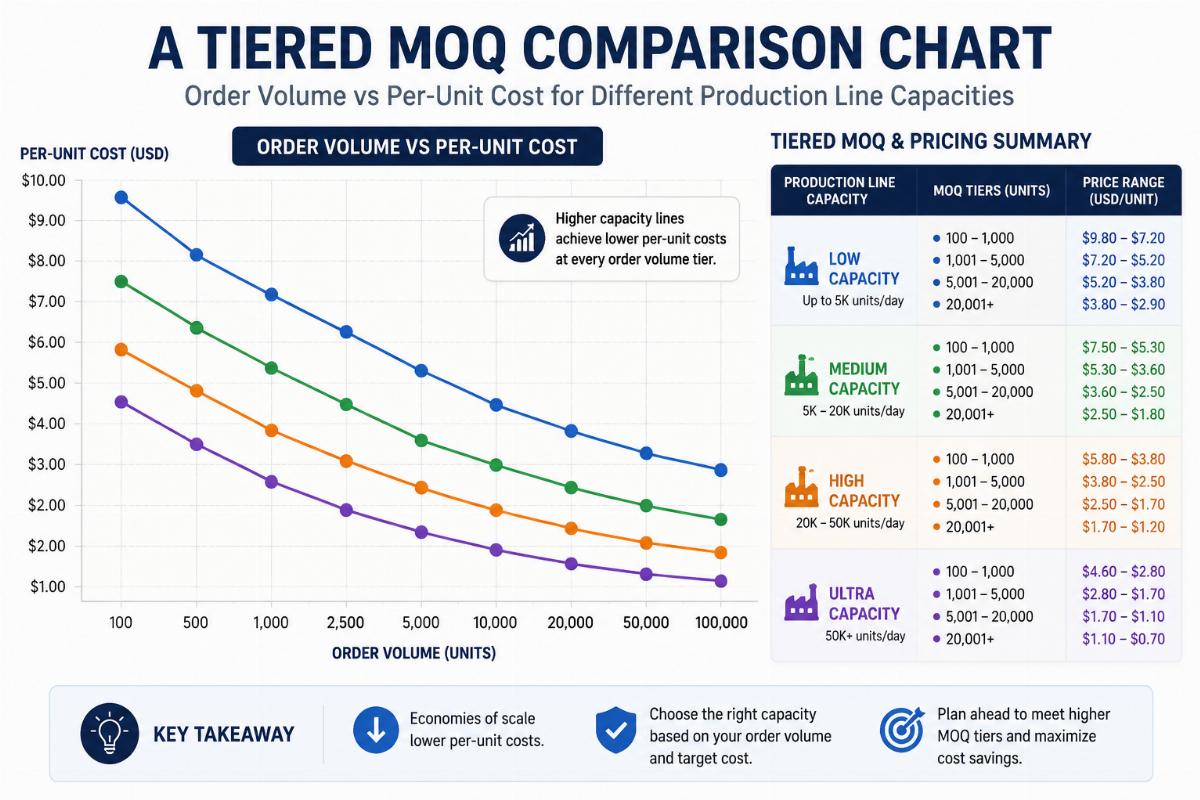
Flexible MOQ terms from specialized manufacturers allow early-stage brands to test 3-5 core SKUs first before scaling to bulk orders for high-demand products. Many new brand owners assume they need to place full container orders at launch, which leads to excess inventory that ties up working capital for 6-12 months or longer.
| Brand Stage |
Common Overstock Risk |
Optimized MOQ Strategy |
| Early Launch Phase |
Place full 20ft or 40ft container orders on first partnership |
Use flexible low MOQ terms to test 3-5 core SKUs with your target customer base |
| Scaling Phase |
Order equal volumes for all SKUs regardless of sales performance |
Allocate 80% of order volume to your top 20% highest-performing SKUs |
| Reorder Cycle |
Lock into fixed MOQ terms for all future orders |
Negotiate tiered MOQ adjustments as your monthly order volume increases |
A 7-day sample approval workflow and tiered MOQ matching guide allows brands to test product-market fit without committing to large upfront inventory. Established suppliers with 36 sets of professional equipment can fulfill standard custom orders in 15 days, which is faster than most trading company intermediaries, allowing for faster reorder cycles as demand scales.
1