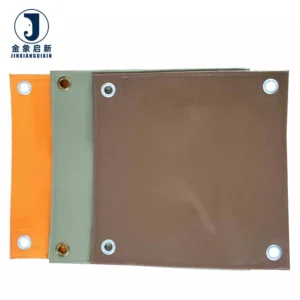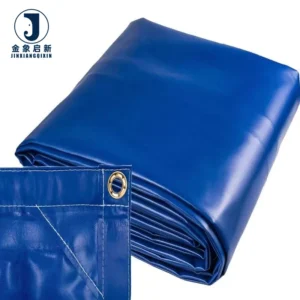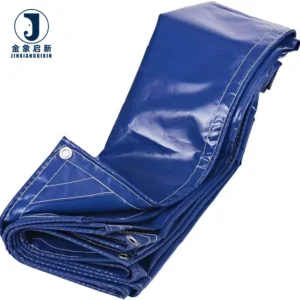
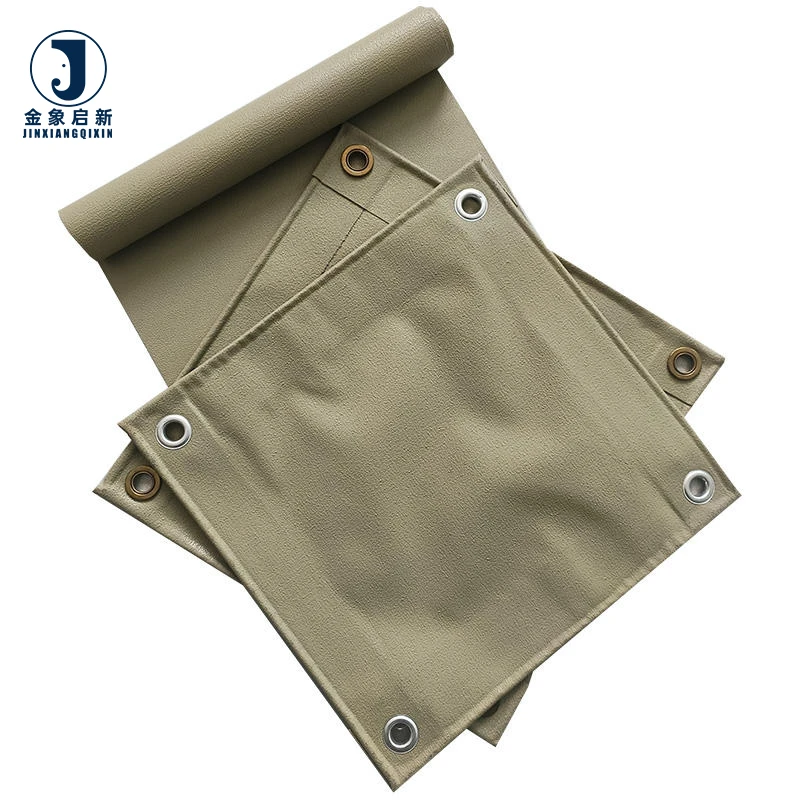
Deep Process Control Over Coating Weight — Every roll of PVC Coated Tarpaulin Roll is backed by a material specification sheet stating exact coating adhesion and base fabric construction, verified through 100% pre-shipment inspection before dispatch.
Technical Specifications
| Parameter | Value |
|---|---|
| Product Type | PVC Coated Tarpaulin Roll |
| Base Fabric Type | Woven Fabric |
| Base Fabric Denier Reference | 1000×1000 |
| Weight (GSM) | At least 450 grams |
| Coating Material | PVC |
| Coating Method | Knife Coated |
| Waterproof | Yes |
| Finish Options | Banner coated, black back coated |
| Custom Size | Available |
Application Suitability
| Application | Exposure & Requirement |
|---|---|
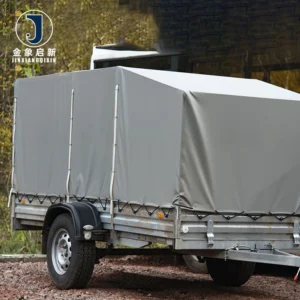
| Truck and Trailer Side Curtains | Constant flexing at load points, road abrasion, sustained UV and weather exposure requiring reliable weld strength |
| Industrial Equipment Covers | Outdoor storage, dust and moisture ingress prevention, mechanical handling stress during placement and removal |
| Temporary Structure and Tent Fabric | Wind load tension on welded seams, prolonged sun exposure, repeated assembly and teardown cycles |
| Inflatable and Membrane Structures | Air pressure retention, seam integrity under continuous stress, surface finish for heat welding |
Why GSM Alone Does Not Define Fabric Performance for Technical Buyers
A verified material specification sheet matters more than a single GSM number on a quotation.
Technical buyers specifying PVC coated tarpaulin for fabrication often encounter material that arrives lighter than the grade ordered, or with a coating formulation that behaves differently under the heat welder than expected. The GSM value tells you the total mass per square meter, but it does not distinguish between a heavier base yarn and a thicker coating layer — two constructions that perform very differently when cut, welded, and installed. [NEED_CITE: tensile and tear test methods for coated fabrics per ISO 1421]. Without documentation tying the stated weight to the specific base fabric denier and coating method, procurement teams have no basis to challenge a delivery that measures light on the scale.
Knife Coating and Its Effect on Adhesion Consistency
The knife coated process forces PVC paste directly into the woven base fabric under controlled blade pressure, creating a mechanical bond between coating and yarn. For PVC Coated Tarpaulin GSM specification material properties, this method produces a uniform coating thickness across the full width of the roll, which is critical when fabricators run multiple panels through a hot wedge welder in sequence. Inconsistent coating thickness causes uneven melt flow at the seam, resulting in weak spots that fail before the fabric body does.
Base Fabric Construction and Load Behaviour
The 1000×1000 base fabric reference indicates the denier and weave density of the polyester yarns running in the warp and weft directions. This construction provides the structural skeleton that carries tensile load when the fabric is tensioned over a frame or subjected to wind pressure on a temporary structure. A tighter weave limits the propagation path for a tear once initiated, while the yarn denier determines the absolute breaking strength. [NEED_CITE: relationship between base fabric denier and tear propagation in coated technical textiles]. The coating adds waterproofing and surface protection, but the woven base carries the mechanical load.
Reading the Specification Sheet Beyond Total Weight
When evaluating PVC coated tarpaulin for a fabrication project, the specification sheet should state the base fabric denier, the weave count, the coating method, and the total GSM as separate data points. A 450 GSM fabric built on a 1000×1000 base with knife coating will exhibit different tensile and tear behaviour than a 450 GSM fabric built on a lighter base with a heavier coating layer applied by lamination. The former concentrates strength in the yarn structure; the latter relies more on coating thickness, which can crack or delaminate under repeated flexing. Technical buyers should request the full breakdown before approving a sample for production.
The Hidden Cost of Specifying on Price Per Kilogram Alone
When procurement selects PVC coated fabric based solely on the lowest cost per kilogram, the supplier has an incentive to reduce coating weight or substitute a lighter base fabric while maintaining the quoted total GSM through formulation adjustments. The rolls arrive within the stated weight tolerance, but the material handles differently on the welding table — the coating may not melt uniformly, or the base fabric may lack the tensile reserve needed for the intended application. [NEED_CITE: coating weight verification methods for PVC tarpaulin incoming inspection]. Fabricators then absorb the cost of rework, rejected seams, and field failures that trace back to a material grade that was never truly equivalent to what the design required.
Why Fabricators Source Knife Coated Roll Stock Here
Deep process control over coating weight and adhesion is maintained across three full production lines, with dedicated QA/QC checkpoints at every stage from base fabric inspection through final winding. A 10-person R&D team handles material selection and sample development, allowing fabricators to receive a trial roll matched to their specific welding equipment and end-use conditions before committing to volume. Every shipment includes a material specification sheet and a pre-shipment inspection record, so the technical buyer can verify GSM, base fabric construction, and coating method against the purchase order without relying on trust alone.
Documentation & Verification
- Material specification sheet stating exact GSM, base fabric denier, and coating method for every roll in the shipment
- Pre-shipment inspection record confirming weight verification and visual quality before dispatch
- ISO and CE certificates covering the production facility and quality management system
- Test reports for UV and flame-retardant grades where applicable — confirm the standard required for your market before ordering
- Certificate of origin and customs documentation supporting international logistics
Fabrication, Handling & Storage
- Set hot wedge temperature and speed to match the knife coated PVC layer thickness for consistent seam adhesion
- Allow rolls to acclimate to workshop temperature before unrolling to prevent coating stiffness and creasing at the core
- Store rolls vertically on end caps to avoid flat spots that create permanent creases in the woven base fabric
- Use a sharp blade and clean cutting surface to prevent fraying the 1000×1000 base yarns at panel edges
- Clean the banner coated surface with mild detergent only; solvents may degrade the PVC coating bond
- Plan panel layout to minimize cross-grain seams, which concentrate flex stress at the weld line
Requesting a Technical Sample for Your Application
To receive a material sample matched to your fabrication requirements, provide the intended application and the mechanical stresses the finished product will encounter in service. Specify whether you require the fabric in roll form or as finished cut panels, along with any colour or surface finish preferences for the banner coated or black back coated options. If your market mandates specific fire classification or UV stability standards, state the relevant test method so the sample can be produced and documented accordingly.
Frequently Asked Questions
Q: How is the stated GSM verified against the coating weight and base fabric weight?
A: The total GSM includes both the PVC coating and the woven base fabric. The material specification sheet provided with each order breaks down the construction so you can confirm the coating method and base fabric denier match your requirement. Weight is verified during the 100% pre-shipment inspection, and the inspection record accompanies the dispatch documentation.
Q: What is the difference between knife coated and laminated PVC for welding performance?
A: Knife coating forces PVC paste into the woven base under blade pressure, creating a mechanical bond that melts uniformly under a hot wedge welder. Laminated fabric bonds a pre-formed PVC film to the base, which can separate at the interface if heat input is not precisely controlled. Knife coated construction generally provides more consistent weld strength across varying machine settings.
Q: How does the 1000×1000 base fabric affect tensile and tear strength?
A: The 1000×1000 reference indicates the denier of the yarns in both warp and weft directions and their weave density. Higher denier yarns increase absolute breaking strength, while tighter weave density limits how far a tear can propagate once initiated. Together they determine how the fabric performs under tension and at stress concentration points like eyelets and corners.
Q: Are UV and flame-retardant treatments available with supporting test reports?
A: These treatments are available in specific grades, and test reports can be provided to confirm compliance. The applicable standard varies by market and application, so you should specify the fire classification or UV stability test method required for your project before sample development begins. Confirm the grade needed for your market with the technical team.
Q: What heat welding parameters work best with this knife coated PVC fabric?
A: Optimal temperature, speed, and pressure depend on your specific welding equipment and the total coating thickness of the grade selected. We recommend running a test weld on a sample piece to establish your machine settings before production. The R&D team can provide starting parameter guidance based on the coating weight and base fabric construction of your chosen specification.