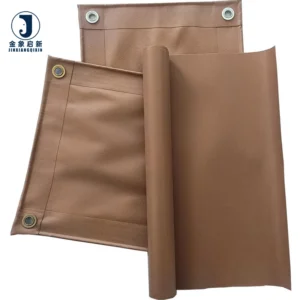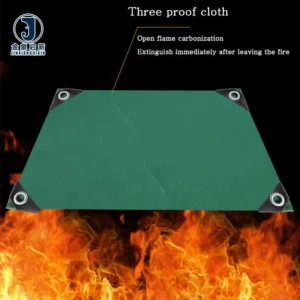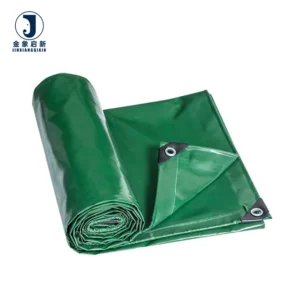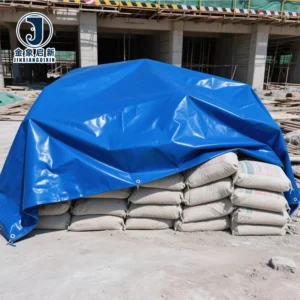
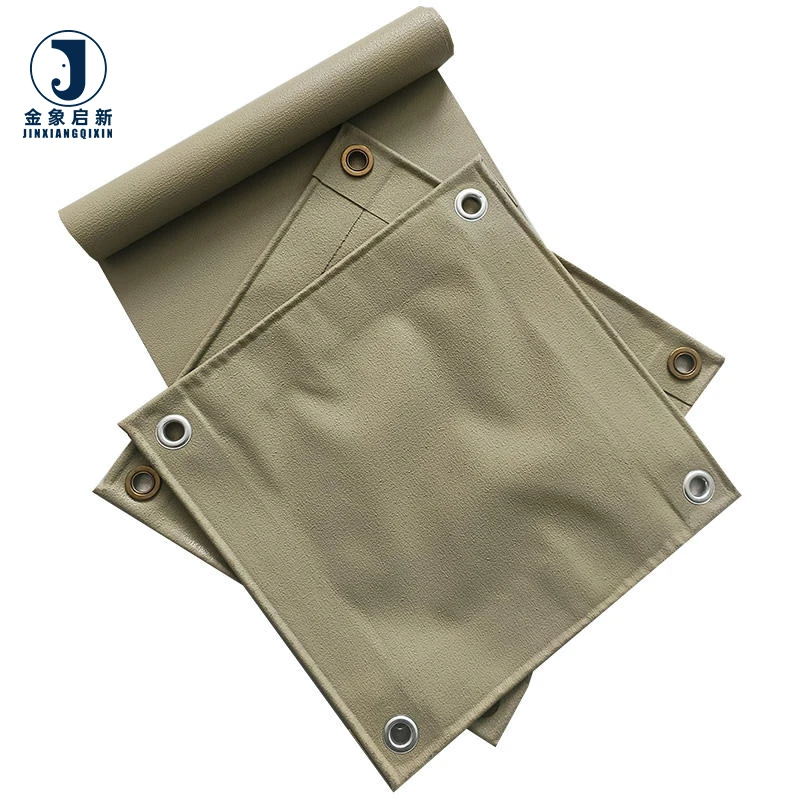
Precision coating control — Nearly three decades focused on PVC coated fabric production with dedicated QA at every coating stage ensures delivered GSM matches the material specification sheet.
Technical Specifications
| Parameter | Value |
|---|---|
| Product Type | PVC Coated Tarpaulin / Truck Cover |
| Material | PVC Coated Fabric |
| Weight Options | 700gsm, 850gsm, 900gsm |
| Coating Material | PVC |
| Flame Retardant | Available in flame retardant grades — confirm the grade required for your market |
| Anti-Static | Available in anti-static grades — confirm the standard required for your application |
| Anti-Mildew | Anti-mildew treatment |
| Anti-Cold | Anti-cold formulation |
| Weather Resistance | Suited to extended outdoor exposure |
| Waterproof | Fully waterproof coated construction |
| Soundproof | Available as soundproof material — test basis to be confirmed |
| Customization | Custom width, length, colour and fabrication |
Application Suitability
| Application | Exposure & Requirement |
|---|---|
| Truck cargo cover | Constant road vibration, UV exposure, weather cycling, flex stress at tie-down points |
| Trailer side curtain | Repeated rolling and unrolling, abrasion against load edges, wind load tension |
| Industrial equipment cover | Outdoor storage, dust and moisture ingress, chemical splash resistance |
| Construction site barrier | Wind load, temporary enclosure, flame retardant compliance on site |
What Coating Weight Variance Means for PVC Coated Tarpaulin Material
A quoted GSM is only meaningful when verified roll by roll before dispatch.
When PVC coated tarpaulin material arrives lighter than the specification sheet stated, the consequences show up months later at the weld line or under sustained load. Fleet operators have received rolls where the coating weight drifted across the batch, causing some panels to flex differently and age unevenly once installed side by side on a trailer. [NEED_CITE: tensile and tear test methods for coated fabrics per ISO 1421] The gap between a material certificate and the actual roll on the cutting table is where most procurement disputes begin.
How Base Fabric Denier and Weave Shape Performance
The tensile behaviour of PVC coated tarpaulin material depends on the base fabric denier and weave density, not the coating weight alone. A heavier coating adds waterproofing and abrasion resistance, but the yarn construction underneath determines how the fabric handles point loads and tear propagation. This is why two rolls at the same GSM can perform differently under identical trailer tension.
Coating Method and Its Effect on Seam Behaviour
The coating process — whether knife-over-roll, dip, or calendar — controls how deeply the PVC penetrates*oating adhesion, which matters most at welded seams where the load flexes repeatedly. Poor adhesion means the coating delaminates before the fabric itself fails, leaving the seam exposed to moisture ingress. [NEED_CITE: DIN 4102 fire classification for building materials]
Reading the Specification Sheet Beyond GSM
Weight in GSM tells you the total mass per square metre but does not separate the base fabric contribution from the coating contribution. A 900gsm roll with a light base and heavy coating behaves differently from one with a dense base and thinner coat — the first tears more easily, the second resists puncture but adds dead weight. Flame retardant grades also shift the coating formulation, affecting flexibility and weld temperature settings. Anti-cold and anti-mildew treatments each modify the plasticiser system, which in turn influences how the material handles in sub-zero transport conditions or high-humidity storage.
When Specification Gaps Become Field Failures
Ordering PVC coated tarpaulin on quoted GSM alone, without verifying the base fabric denier or coating adhesion, leads to predictable field failures. Seams split at flex points within the first season of use. Panels that tested fine in the sample phase crack along the weld when the trailer hits ambient temperature extremes. Flame retardant grades claimed without supporting test documentation cause rejection at the installation site, forcing replacement under deadline pressure. [NEED_CITE: coating adhesion failure modes in PVC tarpaulin at welded seams] Colour variation between rolls in the same batch becomes visible once panels are hung side by side on a truck fleet.
Why Procurement Teams Source This Fabric Here
Dedicated QA inspection at every production stage means coating weight is checked against the material specification sheet before the roll leaves the facility, not assumed from the production recipe. The 10-person R&D team handles formulation adjustments when a buyer requires a specific flame retardant grade or anti-static standard, developing samples within days rather than weeks. Three full production lines running 36 sets of professional equipment provide the capacity for batch-consistent roll output, so colour and GSM hold steady across a container-load order. Pre-shipment inspection records document actual measured values per roll.
Documentation & Verification
- Material specification sheet listing exact GSM, base fabric denier, and PVC coating weight per roll
- Test reports for flame retardant and anti-static grades with stated standard references
- Pre-shipment inspection record showing measured coating adhesion and weight consistency
- Roll packing list with individual roll weights and dimensions for receiving verification
- Certificate of origin and customs documentation for cross-border shipment
Fabrication, Handling & Storage
- Weld temperature must match the specific PVC coating formulation used across the 700gsm to 900gsm range
- Reinforced hems at tie-down points distribute load away from the eyelet into the base fabric weave
- Store rolls upright on pallets to prevent flat-spotting and permanent crease marks in the coating
- Unroll anti-cold treated material gradually in low temperatures to avoid surface cracking at the fold
- Clean with neutral pH detergent only; solvent-based cleaners attack the PVC plasticiser system
What We Need to Prepare Your Quotation
To recommend the correct grade and configuration, share the trailer models or cover dimensions, the annual roll or panel volume, and the operating climate range. If your market requires a specific flame retardant or anti-static certification, name the standard so we can match the formulation. Confirm whether you need rolls in stock widths or finished panels with eyelet and hem reinforcement.
Frequently Asked Questions
Q: How is the stated GSM verified before the PVC coated tarpaulin rolls ship?
A: Each roll is weighed and measured during the 100 percent pre-shipment inspection. The actual GSM is recorded on the inspection report alongside the quoted value, so any variance is visible before dispatch. Rolls falling outside the tolerance band are flagged and replaced before packing.
Q: What documentation supports the flame retardant claim on this fabric?
A: Flame retardant grades are supplied with test reports referencing the applicable standard. Since different markets require different classifications, confirm the standard your project needs — such as B1, M2, or NFPA 701 — and we supply the matching grade with its test certificate.
Q: Can the PVC coating formulation be adjusted for cold-climate truck use?
A: Yes. The anti-cold formulation modifies the plasticiser system to maintain flexibility at low temperatures. Share your minimum operating temperature and the expected flex cycles, and the R&D team will adjust the compound and provide a sample for testing before production.
Q: How do you maintain colour consistency across multiple rolls in one order?
A: Colour matching is controlled through reference standards checked at the coating stage. The pre-shipment inspection includes a visual comparison of rolls within the same batch under controlled lighting. Any roll showing visible deviation from the master standard is removed before packing.
Q: What causes welded seams to fail before the PVC coated fabric itself?
A: Seam failure typically traces to coating adhesion rather than fabric strength. When the PVC does not fully penetrate the base weave, the weld bond separates under flex stress. Correct coating method selection and weld temperature matching the specific formulation prevent this failure mode.