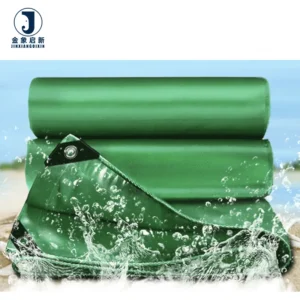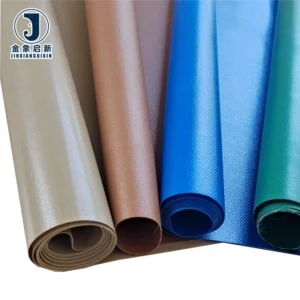
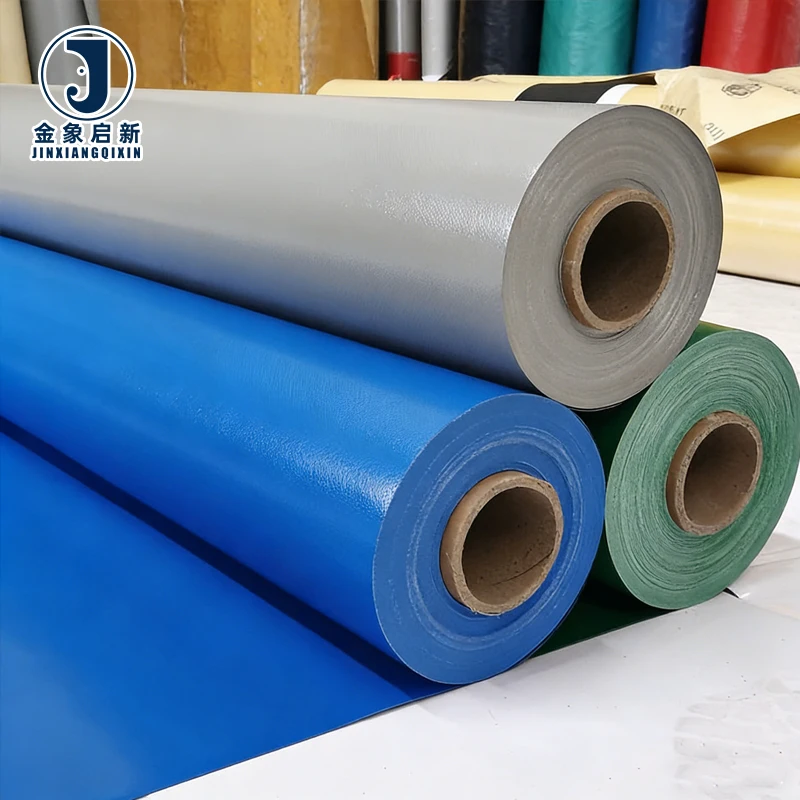
Coating Adhesion Control — Every roll of PVC Coated Tarpaulin Roll 610gsm 650gsm 800gsm ships with a material specification sheet stating confirmed GSM, base fabric denier and coating weight for your incoming inspection.
Technical Specifications
| Parameter | Value |
|---|---|
| Product Type | PVC Coated Tarpaulin Roll |
| Weight (GSM) | 610gsm / 650gsm / 800gsm (confirm the grade for this item) |
| Coating Material | PVC |
| Finish | Ripstop Woven Pattern |
| Waterproof | Yes (Water Resistant) |
| Flame Retardant | Available in flame retardant grades — confirm the grade required for your market (grade not stated) |
| UV Treatment | Available with UV stabilisation — confirm the test basis for your region (test basis not stated) |
| Application Form | Roll |
Application Suitability
| Application | Exposure & Requirement |
|---|---|
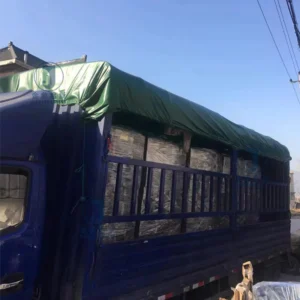
| Truck side curtain and trailer cover | Constant flexing at load points, road debris abrasion, sustained UV and weather exposure |
| Tent and awning fabrication | Long-term outdoor deployment, wind loading on welded seams, repeated folding and unfolding |
| Inflatable product manufacturing | Continuous internal air pressure, seam integrity under cyclic stress, coating adhesion at weld lines |
| Outdoor equipment cover | Prolonged sun and rain exposure, contact with varied surfaces, handling wear during removal and replacement |
Why GSM Alone Does Not Tell You How Strong the Fabric Is
A quoted 650gsm means nothing if the base fabric weave and coating distribution are not documented alongside it.
Technical buyers often receive PVC coated tarpaulin roll stock where the stated GSM is accepted at face value, yet the material fails prematurely at flex points or along heat-welded seams. The reason is that GSM combines base fabric weight and coating weight into a single number, masking how the load-bearing construction actually performs. [NEED_CITE: tensile and tear test methods for coated fabrics per ISO 1421]. A roll that meets its GSM target by overloading coating while running a lighter base fabric will show adequate weight on arrival but tear more easily under mechanical stress. Specifying by GSM without requesting the base fabric denier and weave density leaves your fabrication quality to chance.
Coating Method and Weight Distribution
The PVC Coated Tarpaulin Roll 610gsm 650gsm 800gsm range uses a controlled coating process that governs how the PVC compound bonds to the woven base fabric. Coating weight consistency across the roll width determines whether heat-weld seams form evenly, because uneven coating thickness causes one side of the weld to fuse before the other. For fabricators producing truck side curtains or inflatable structures, this directly affects production yield and the reliability of joined panels under operational stress.
Base Fabric Construction and Tear Propagation
The ripstop woven pattern integrated into the base fabric introduces a reinforcement grid that limits tear propagation. When a puncture or cut occurs in the field, the ripstop structure arrests the tear at the next reinforcement thread rather than allowing it to run across the panel. [NEED_CITE: DIN 53354 tear resistance testing for coated textiles]. This woven architecture matters most in applications where the fabric encounters sharp edges, tie-down hardware contact or wind-driven debris — conditions common in transport covers and temporary structures.
How GSM, Denier and Coating Interact to Define Performance
Selecting between 610gsm, 650gsm and 800gsm involves more than choosing a heavier material for tougher conditions. The base fabric denier and thread count determine tensile strength, while the coating weight contributes to abrasion resistance, waterproofing and weld compatibility. A 610gsm grade with a high-density base fabric may outperform a poorly constructed 800gsm grade in tensile tests, because the woven component carries the structural load while the coating provides surface protection. Understanding this relationship allows technical specifiers to match the PVC coated tarpaulin roll to the actual mechanical demands of the end use rather than defaulting to the heaviest option available.
Specifying the Wrong Grade and What It Costs Later
When a fabricator selects a grade based on price rather than documented tensile and tear data, the consequences surface after the finished product is in service. Welded seams may separate before the fabric body fails, particularly at points where the material flexes repeatedly under load. Rolls with inconsistent coating weight produce variable weld quality across the same production run, forcing rework and scrap. [NEED_CITE: weld seam integrity testing standards for PVC coated fabrics]. Flame retardant grades specified without confirming the applicable test standard can result in rejected shipments at the destination market, delaying projects and triggering contract penalties.
What Process Control Means for This Material Range
Producing three distinct GSM grades on the same facility’s lines requires disciplined changeover procedures and in-process measurement. Each roll in the PVC Coated Tarpaulin Roll 610gsm 650gsm 800gsm family is subject to weight verification at production, not just at dispatch. The 10-person R&D team handles material formulation adjustments when custom UV or flame retardant treatments are added, ensuring the base coating chemistry remains compatible with downstream heat welding. Dedicated QA/QC stages inspect coating adhesion and surface consistency before the roll is released for packing. [NEED_CITE: ISO 9001 quality management for coated fabric manufacturing]. Full production line capacity across three lines and 36 sets of equipment supports volume orders with maintained delivery schedules.
Documentation & Verification
- Material specification sheet stating confirmed GSM, base fabric denier and coating weight issued per order
- Test reports for UV and flame retardant grades supplied where applicable — request before production
- 100% pre-shipment inspection record with GSM verification measured per roll
- ISO and CE certificates included with every shipment for compliance and import documentation
- Roll packing list detailing net weight, roll count and dimensions for container loading planning
- Certificate of origin and customs support documentation provided per destination market requirements
Fabrication, Handling & Storage
- Heat weld parameters should be adjusted for each GSM grade — 610gsm and 800gsm require different temperature profiles
- Store rolls upright on pallets to prevent permanent creasing across the ripstop woven base fabric
- Allow rolls to acclimatise before unrolling in cold conditions to avoid coating stiffness and cracking
- Use compatible PVC welding tape and adhesives matched to the coating chemistry of the selected GSM grade
- Cut panels with allowance for seam overlap — heavier 800gsm grades need wider weld zones for structural joints
- Clean surfaces with PVC-compatible solvents only — aggressive chemicals may degrade the coating bond to the base fabric
Requesting a Technical Quote
Provide your target GSM grade, required roll width and the mechanical or environmental conditions the finished product will face. If your market mandates a specific flame retardant classification or UV test standard, state the regulation reference so we can confirm test documentation before production. Indicate whether you need raw roll stock or if your fabrication process requires sample panels for weld parameter validation.
Frequently Asked Questions
Q: How can I verify the GSM of each roll when it arrives at my facility?
A: Each shipment includes a material specification sheet with the confirmed GSM, base fabric denier and coating weight for your order. On arrival, we recommend weighing a cut sample of known area from each roll and comparing it against the stated specification. Our pre-shipment inspection records document the measured GSM per roll before dispatch, giving you a baseline for your incoming quality check.
Q: What flame retardant test standards can this material be produced to?
A: The PVC coated tarpaulin roll can be produced in flame retardant grades, but the applicable standard depends on your destination market and end use. We supply test reports matched to the grade specified — confirm whether your project requires DIN 4102, NFPA 701, M2 or another classification before production begins, so the correct formulation is applied and documented.
Q: How does GSM relate to tensile and tear strength across the 610gsm, 650gsm and 800gsm grades?
A: GSM reflects the combined weight of base fabric and coating, not strength alone. Tensile and tear performance depend on the base fabric denier, weave density and how coating weight is distributed. Request the tensile and tear data for each grade you are evaluating to compare structural performance directly rather than relying on GSM as the sole indicator.
Q: How is batch-to-batch colour and coating consistency maintained across multiple rolls?
A: Coating compound is mixed to formulation per order, and in-process QA checks monitor coating weight and colour at intervals during production. The ripstop base fabric is sourced in batch lots to maintain weave consistency. For large orders spanning multiple production runs, we retain reference samples and compare each new run against them before release.