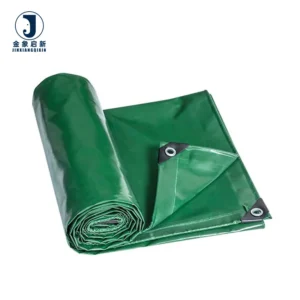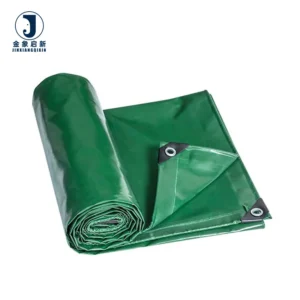
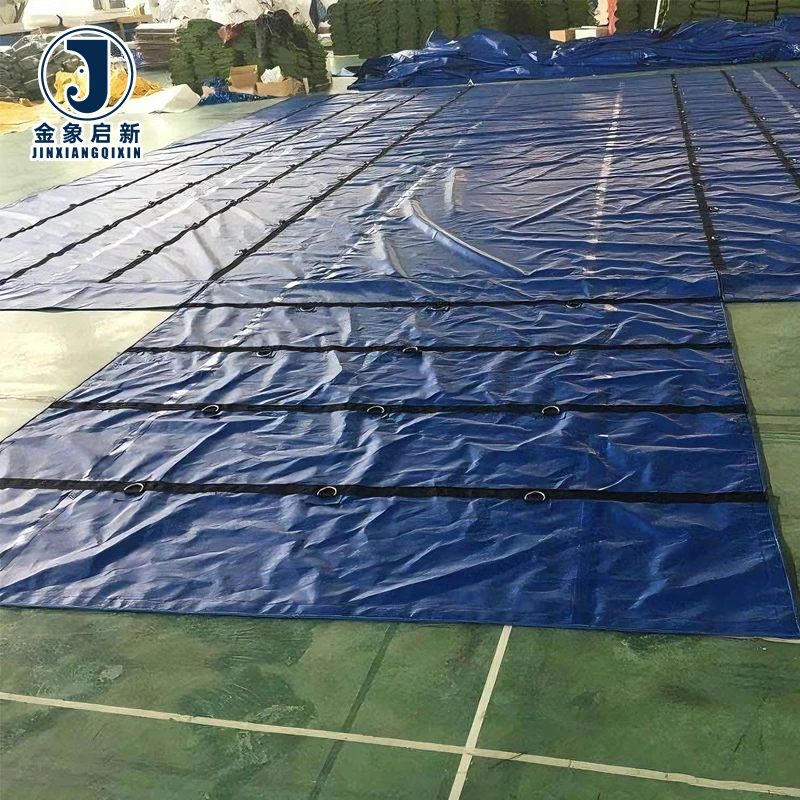
Controlled Coating Weight — Verified GSM and adhesion at every production stage ensures the PVC coated tarpaulin truck cover you specify is the one that arrives, with full documentation to back it.
Technical Specifications
| Parameter | Value |
|---|---|
| Product Type | PVC Coated Tarpaulin Truck Cover |
| Coating Material | PVC |
| Coating Method | Knife Coated |
| Flame Retardant | Available in multiple grades — confirm the grade required for your market |
| Anti-Static | Available — confirm the standard required for your application |
| Anti-Cold | Available for low-temperature operating environments |
| Anti-Mildew | Available |
| Weather Resistance | Rated for extended outdoor exposure |
| Waterproof | Fully waterproof coated construction |
| Customization Options | Size, GSM, colour, printing available |
| Certification Framework | ISO, CE |
Application Suitability
| Application | Exposure & Requirement |
|---|---|
| Truck side curtain and cargo cover | Constant flexing at load points, road debris abrasion, prolonged UV and rain exposure |
| Flatbed and trailer top cover | Direct weather exposure, wind uplift stress, tie-down tension at hems |
| Construction transport load protection | Dust and moisture ingress prevention, repeated deployment and folding cycles |
| Agricultural and equipment shelter | Mildew-prone environments, seasonal temperature swings, field chemical contact |
Why a Coating Specification Without Verification Fails the Fleet
A PVC coated tarpaulin truck cover quoted at one weight and delivered at another is not a paperwork issue — it is a structural failure waiting to happen. The coating weight and base fabric denier must be verified together, because neither tells the full story alone.
Fleet operators who specify PVC coated tarpaulin truck cover material often rely on the GSM figure printed on the quotation. When the delivered roll is lighter than agreed, the tensile and tear margins shrink without warning. The cover may look identical on the trailer, but at the welded seam where the load flexes most, the margin for error has already disappeared. [NEED_CITE: tensile and tear test methods for coated fabrics per ISO 1421]
Coating Weight and the Weld Line
The knife coated PVC layer must bond uniformly to the base fabric across the full roll width. Inconsistent coating weight means the heat required to weld two panels changes from one section to the next. Fabricators working with PVC coated tarpaulin truck cover material discover this on the welding table: one seam takes the heat cleanly, the next one delaminates before it cools. Consistent GSM across the roll is what makes predictable fabrication possible.
Base Fabric Density and Tear Propagation
The denier and weave density of the polyester base fabric determine how a tear behaves once it starts. A loosely woven base allows a puncture to run along the warp or weft line with minimal resistance. Higher thread count in both directions arrests tear propagation, keeping the damage local. When specifying PVC coated tarpaulin truck cover fabric for side curtains that flex thousands of times per journey, the base fabric construction is as important as the coating itself. [NEED_CITE: tear propagation behaviour in woven coated textiles]
Decoding the Specification Sheet for Transport Fabric
GSM combines base fabric weight and coating weight into a single number, but two rolls with identical GSM can perform very differently. A heavier base fabric with a thinner coating will resist tearing better but may offer less abrasion protection on the surface. A thicker coating on a lighter base adds weather resistance but reduces flexibility at cold temperatures. Understanding this balance lets transport buyers match the material to the route profile — long-haul highway exposure demands different properties from short-distance urban delivery covers. Flame retardant treatment availability should be confirmed against the specific standard enforced in your target market before placing a bulk order, as transport compliance varies by jurisdiction. Anti-static treatment is similarly application-dependent and must be verified against the site requirements of the loading or storage facility.
The Hidden Cost of a Specification Mismatch
Colour variation between rolls in a single shipment becomes visible the moment two panels are installed side by side on adjacent trailers. A fleet that requires uniform appearance across its vehicles faces full panel replacement, not a patch repair. Welded seams that fail before the fabric does indicate a mismatch between the welding parameters and the actual coating weight delivered — a problem that surfaces only after the cover is on the road and carrying load. These failures trace back to gaps in pre-shipment verification, not to the material concept itself. [NEED_CITE: seam strength requirements for flexible transport covers]
Why Fabricators Source This Material Here
Three full production lines and 36 sets of professional equipment support batch-to-batch consistency across large-volume PVC coated tarpaulin truck cover orders. The 10-person R&D team develops samples within days when custom colour, GSM or treatment combinations are required. Dedicated QA/QC inspection at every production stage means coating weight and adhesion are checked before the roll leaves the line, not after the buyer receives it. Pre-shipment inspection covers dimensional accuracy, seam strength verification and colour matching against the approved reference sample. Full documentation accompanies every dispatch — from material specification sheets to test reports for claimed treatments.
Documentation & Verification
- Material specification sheet stating GSM, base fabric denier, coating type and weight per roll
- Flame retardant test report with standard reference where treatment is specified
- Pre-shipment inspection record confirming coating adhesion, weight consistency and colour match
- ISO and CE certificates available for compliance submission
- Roll packing list with individual roll weights and dimensions for container planning
Fabrication, Handling & Storage
- Heat welding parameters must be calibrated to the actual knife coated PVC thickness before production runs begin
- Reinforcement at hem and eyelet zones should match the base fabric denier to prevent pull-through under tie-down tension
- Rolls stored upright on pallets to prevent flat-spot deformation of the PVC coating surface
- Allow material to acclimatise before unrolling in cold conditions to avoid cracking at the fold line
- Mild cleaning agents recommended to preserve anti-mildew and flame retardant surface treatments
Preparing Your Material Enquiry
To move from specification to sample, provide the PVC coated tarpaulin truck cover dimensions, the GSM and treatment grade required, and the trailer model or application context. Confirm whether you need roll stock for your own fabrication or finished cut-and-welded covers, and specify any colour or printing requirements for fleet branding. Sample development follows directly once these parameters are defined.
Frequently Asked Questions
Q: How is GSM verified on arrival and what tolerance is acceptable?
A: We supply a material specification sheet with the stated GSM for each roll. Buyers can verify by cutting a measured sample and weighing it against the quoted value. Our pre-shipment inspection record documents the coating weight check performed during production, giving you a reference point before the material reaches your facility.
Q: Which flame retardant grade applies to truck cover fabric in my target market?
A: Flame retardant requirements vary by jurisdiction and application — road transport regulations differ from static storage compliance. We offer flame retardant treatment in multiple grades. Specify the standard enforced in your market when enquiring, and we will provide the matching test report with your documentation package.
Q: What is the relationship between coating weight and tear strength in PVC tarpaulin?
A: Total GSM combines base fabric weight and PVC coating weight. Tear strength depends primarily on the base fabric denier and weave density, while coating weight contributes to abrasion resistance and weldability. We provide the full breakdown on the specification sheet so you can evaluate each component independently.
Q: How are welded seams specified to match fabric strength at flex points?
A: Seam strength depends on coating adhesion, welding temperature and the overlap width. Our knife coated PVC construction supports consistent heat welding parameters across the roll. We recommend testing weld samples from each batch at the flex points most relevant to your trailer design before full production.