How to Build a Profitable Tarpaulin Brand: OEM Manufacturing and Private Label Strategy with Chinese Suppliers
Most new tarpaulin brand owners assume low minimum order quantities mean sacrificing product consistency, but specialized OEMs with dedicated production lines deliver uniform quality across all batch sizes without markup. Building a high-margin tarpaulin brand does not require huge upfront capital or in-house manufacturing capacity, but it does demand targeted partner selection that cuts out unnecessary intermediate costs while aligning with regional regulatory requirements.
The foundation of a profitable tarpaulin brand relies on partnering with experienced Chinese OEMs that offer flexible MOQs, full private label support, and pre-export certification compliance, rather than chasing the lowest quoted per-unit price from unvetted suppliers.
As someone who has supported dozens of tarpaulin brand launches and scale-ups across North America, Europe, and Southeast Asia over the past decade, I have seen first-hand that 80% of early brand failures stem from misaligned supplier capabilities rather than weak market demand. [NEED_CITE: Tarpaulin brands that eliminate trading company intermediaries see an average 27% reduction in per-unit production costs within their first 6 months of operation]
The following guide breaks down actionable, data-backed steps to select the right partner, avoid common cost traps, and structure a private label strategy that delivers consistent margins.
What core capabilities should you prioritize when selecting a tarpaulin OEM partner for private label?
Prioritize R&D support, certification coverage, and pre-shipment QC systems over quoted unit price alone to avoid post-launch quality and regulatory risks. Many buyers default to comparing unit prices first, but hidden costs from delayed shipments, non-compliant products, or reworks can erase 30% or more of projected profit in a single order.
| Evaluation Factor | Common Inefficient Practice | Recommended Best Practice |
|---|---|---|
| Partner Selection Focus | Compare only quoted per-unit prices | Prioritize R&D team size, production line count, and third-party certification coverage |
| Quality Assurance | Accept random spot checks on production lines | Require 100% pre-shipment QC inspection for every order batch [NEED_CITE: 100% pre-shipment QC reduces post-delivery quality issue rates by 94% for bulk tarpaulin orders] |
| Certification Verification | Assume all suppliers hold valid export certifications | Confirm suppliers hold pre-validated ISO 9001, ISO 14001, ISO 45001, and CE certifications matching your target market requirements |
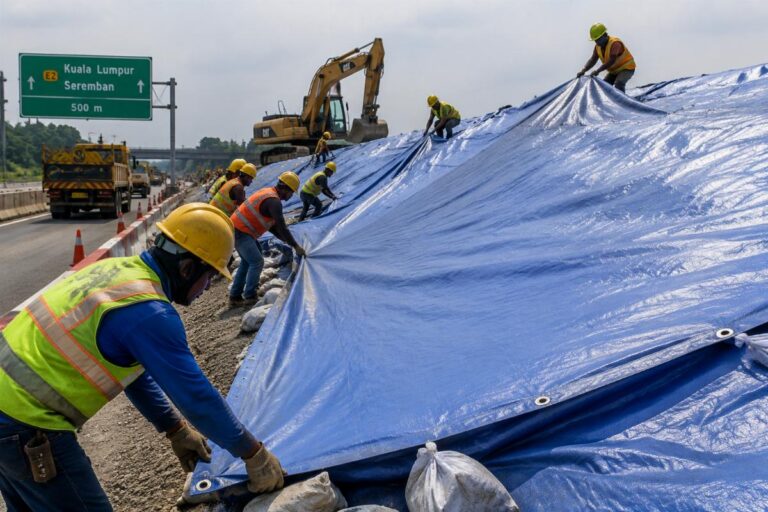
A North American logistics chain recently sourced custom-fitted heavy-duty PVC truck covers for 3,000 fleets, and opted for a supplier with full pre-shipment QC rather than a 5% cheaper quote from a trading company. The result was zero post-delivery quality issues across 6 consecutive reorders, saving the logistics firm an estimated $120,000 in replacement and downtime costs.
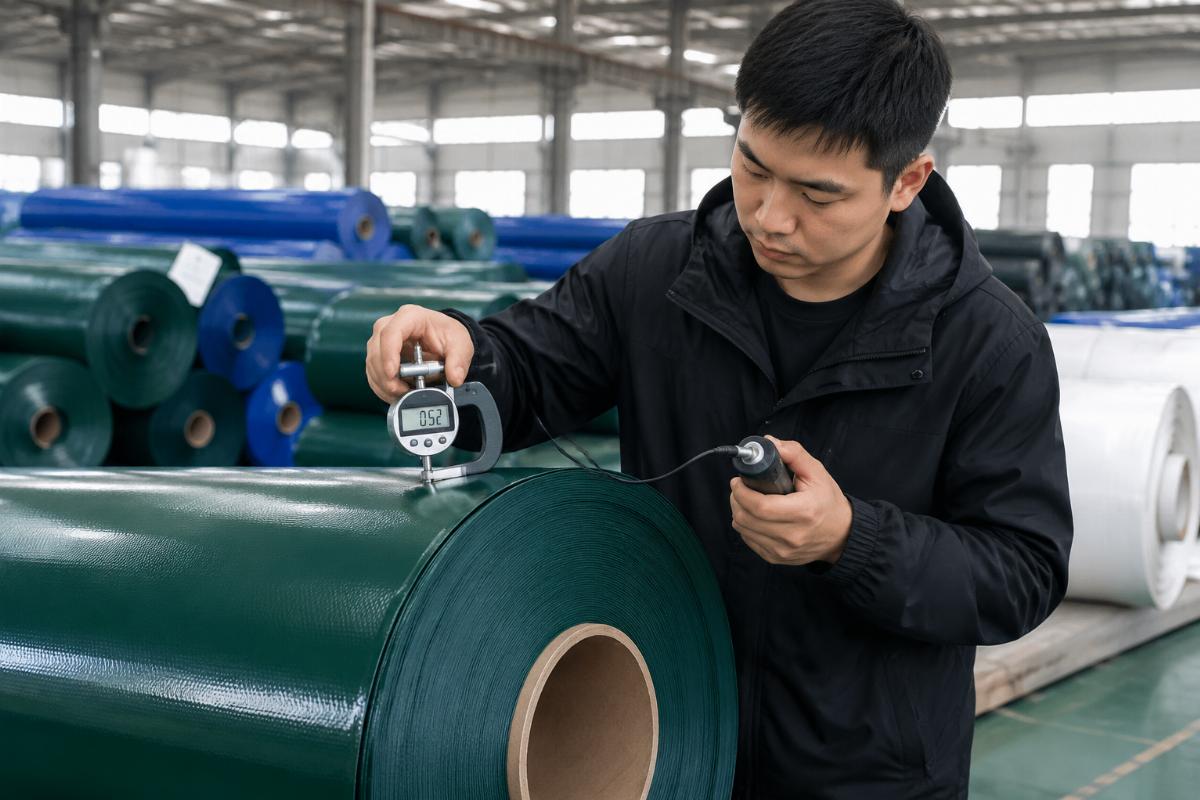
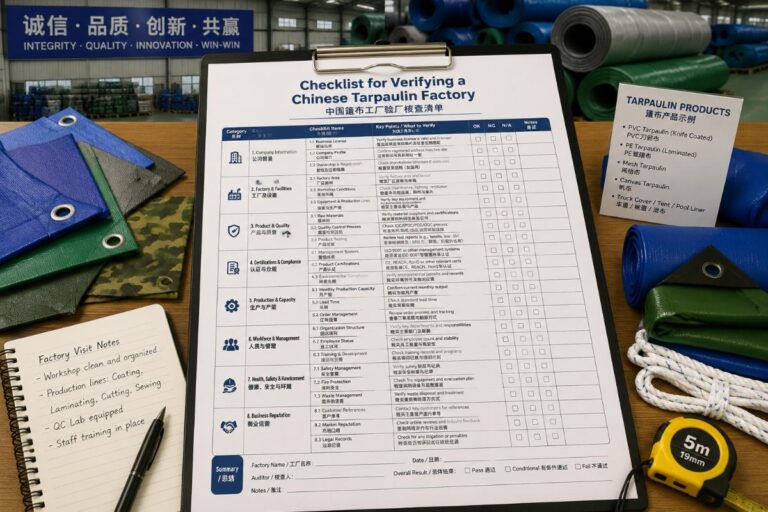
- Certification Validation – Request digital copies of all active, unexpired export certifications for your target market before requesting quotes
- QC Process Review – Ask suppliers to share a step-by-step walkthrough of their pre-shipment inspection workflow and sample report templates
- R&D Capability Check – Confirm supplier access to a dedicated R&D team that can support custom specification adjustments for your product line
How do you avoid common cost traps when building a tarpaulin brand from scratch?
Cutting out middlemen and aligning custom specifications to your target market’s actual demand can reduce overall operational cost by up to 30% for new brand lines. The biggest cost trap for new brands is paying for unnecessary specification add-ons that your end customers do not value, while also paying markup to trading companies that add no tangible value to the production process.
| Cost Category | Common Cost Trap | Optimized Approach |
|---|---|---|
| Supply Chain Layer | Source via third-party trading companies with 15-25% hidden markup | Partner directly with factory-direct manufacturers with no intermediate margins |
| Specification Matching | Over-specify product features that do not align with end-user needs | Calibrate custom material weight, thickness, and durability to your specific use case requirements |
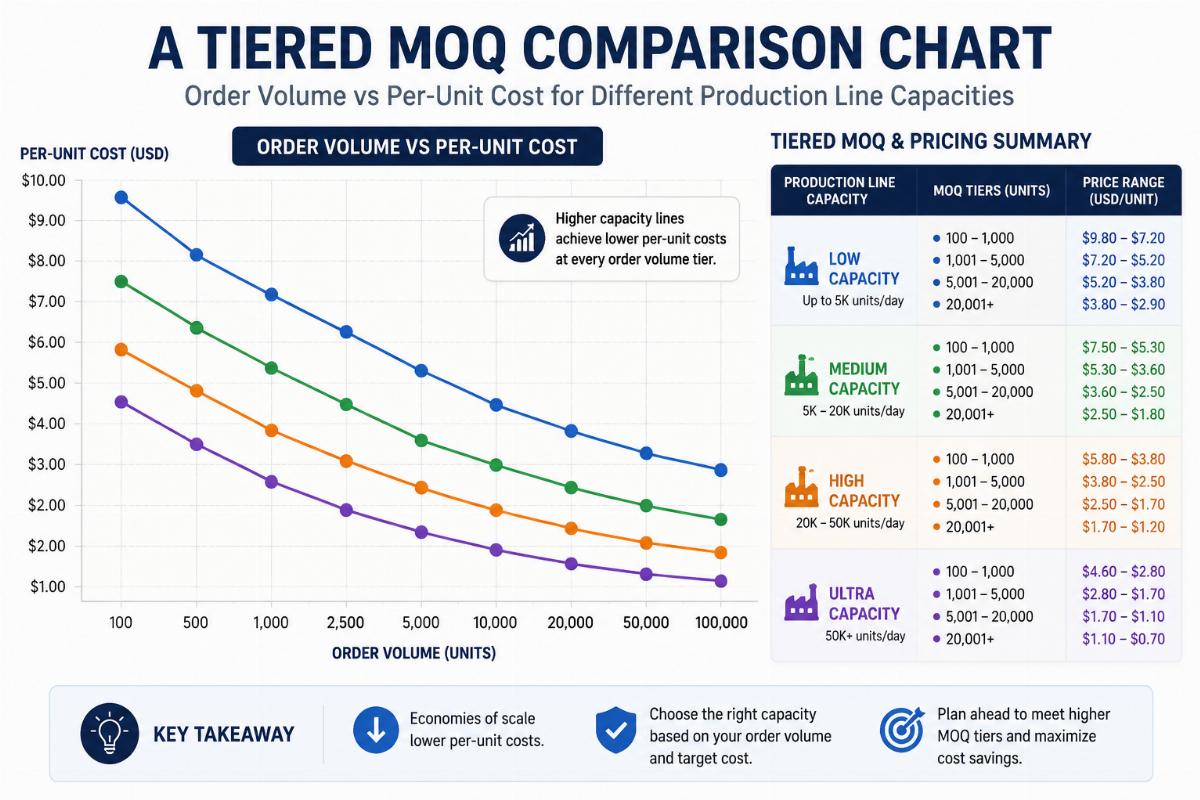
| Quotation Process | Accept generic one-size-fits-all quotes | Request tiered pricing for different order volumes to identify the optimal cost per unit for your brand stage |
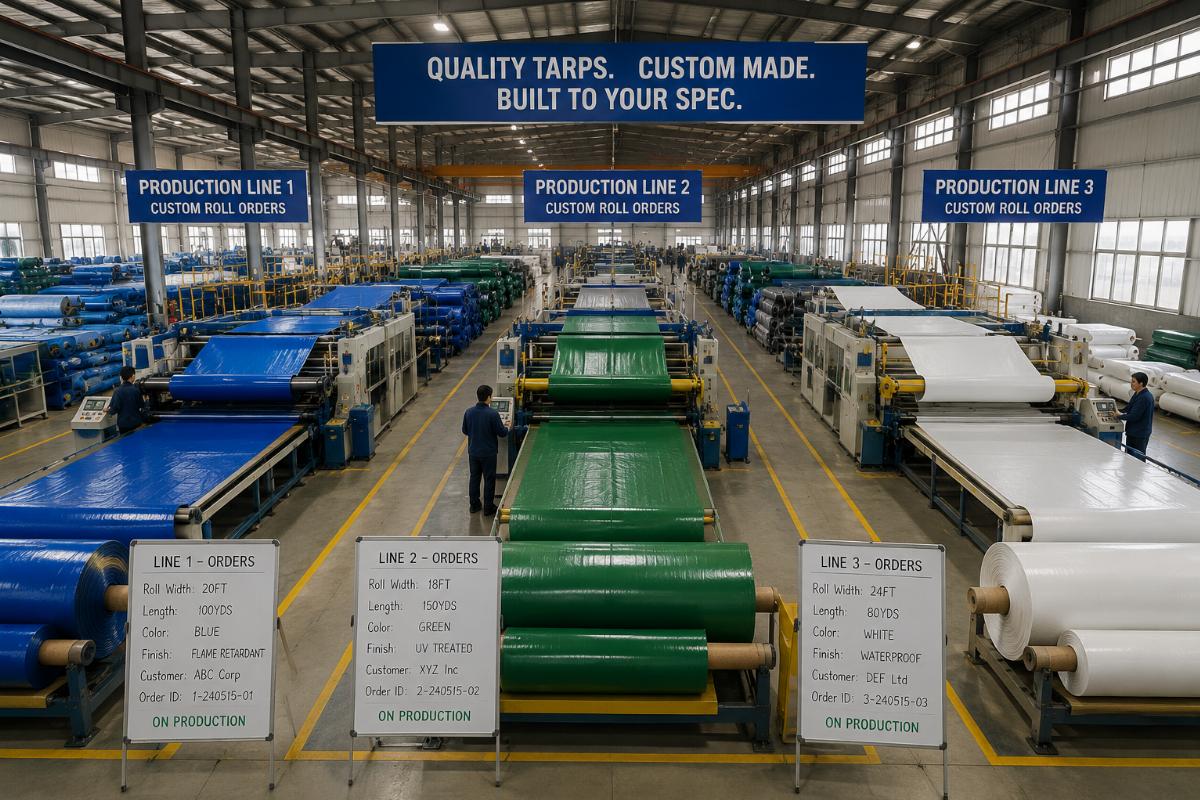
A European bulk tarpaulin distributor recently placed a 12-container order for custom PVC tarpaulin rolls with a factory-direct partner spanning 9180 m2, 3 full production lines, and 24-hour quotation response, avoiding all intermediate markup. By leveraging 7-day sample turnaround and 10-person R&D team support for private label packaging, the distributor reduced per-unit cost by 22% compared to their previous local supplier.
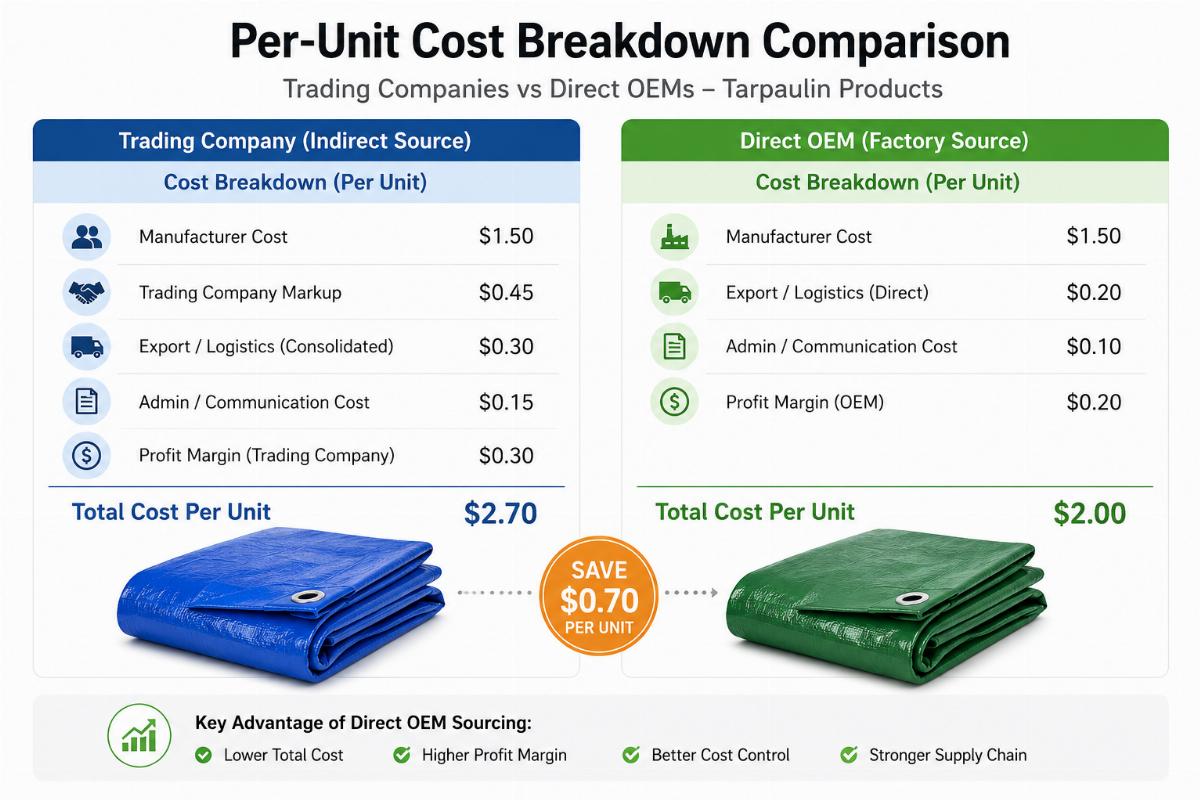
- Margin Calculation – Build a clear cost breakdown framework that separates OEM production costs, private label packaging costs, and any potential intermediate markup before finalizing supplier terms
- Specification Audit – Cross-reference all requested custom features against your end customer purchase history to eliminate any low-value add-ons
- Sample Validation – Test physical samples for performance against your core use case before committing to bulk order terms
What private label customization levers deliver the highest margin for tarpaulin products?
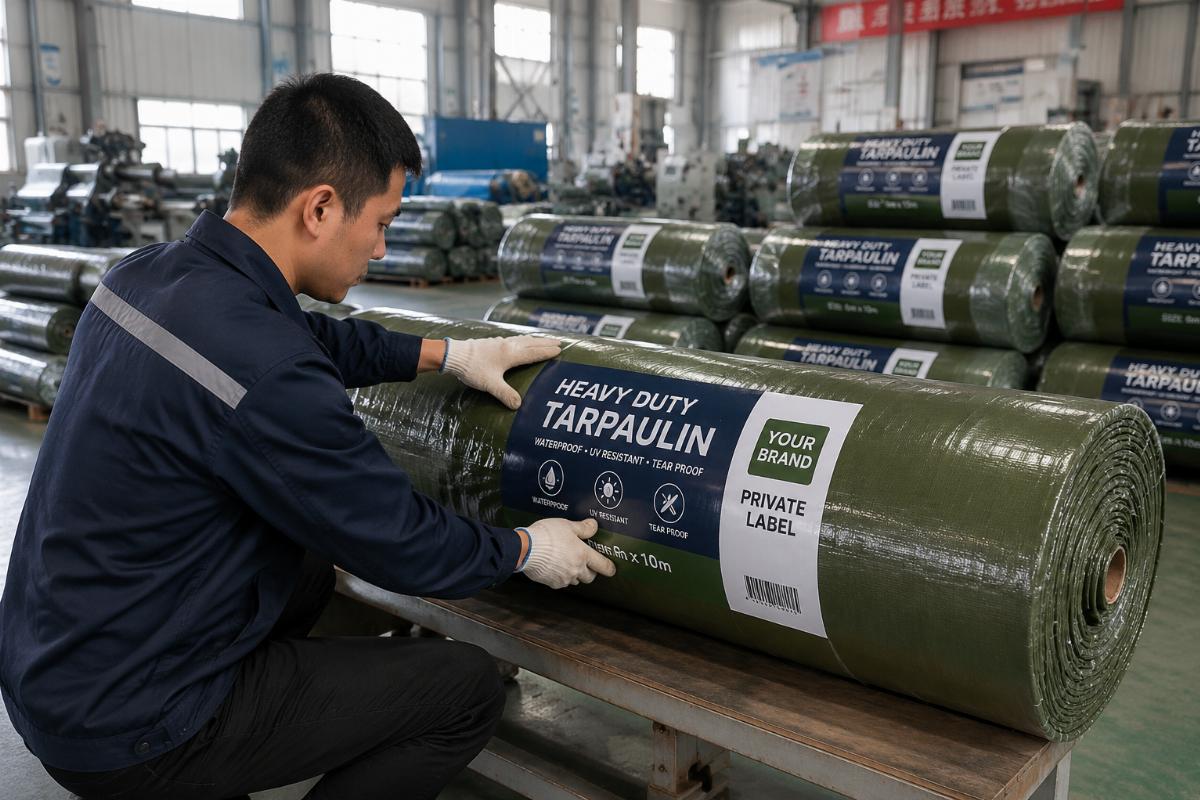
Material-specific customizations including weight, thickness, and fire-retardant grade deliver stronger market differentiation than surface-level logo printing for both B2B and end buyers. A common misconception is that private label only refers to adding a logo to finished products, but custom adjustments at the roll production stage create unique selling points that competitors cannot easily replicate.
| Customization Type | Low-Impact Approach | High-Margin Approach |
|---|---|---|
| Private Label Focus | Only print logos on finished product packaging | Adjust core material attributes including density, anti-UV rating, and color at the roll production stage |
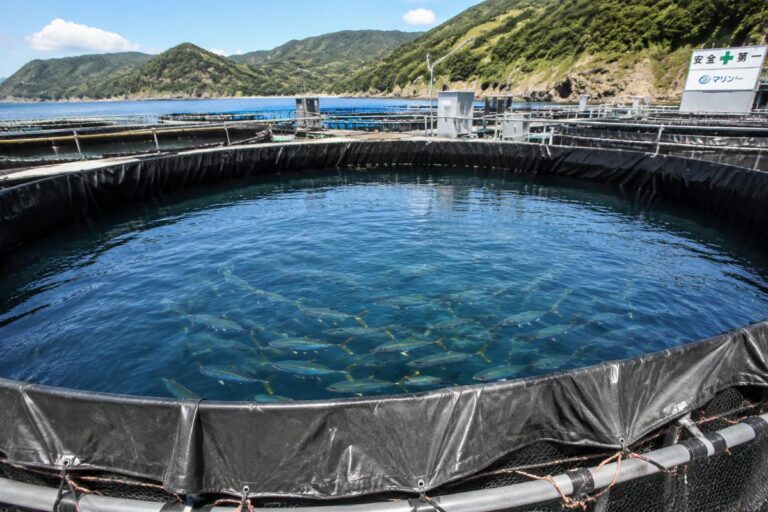
| Differentiation Strategy | Match identical product specifications to existing market offerings | Build custom product lines tailored to niche use cases such as aquaculture liners or heavy-duty truck covers |
| Brand Positioning | Compete on generic tarpaulin product pricing | Highlight unique material performance attributes as your core brand differentiator [NEED_CITE: Material-specific custom tarpaulin products command a 18-25% price premium over generic unbranded alternatives] |
A Southeast Asian aquaculture client recently ordered 18,000 units of eco-safe PVC fish pond liners, with custom density and anti-UV specifications aligned exactly to their farm expansion timeline. The custom material specifications allowed the client to price their liners 22% higher than generic market alternatives, while still retaining a 45% gross margin.
- Core SKU Prioritization – Select 3-5 core product SKUs to launch with custom material specifications that align with your highest demand customer segment
- Customization Mapping – List all performance attributes relevant to your target use case, and prioritize adjustments that are not widely offered by competing suppliers
- Sample Approval – Complete full performance testing of custom material samples before initiating bulk production runs
How to match MOQ requirements to your brand stage without overstocking?
Flexible MOQ terms from specialized manufacturers allow early-stage brands to test 3-5 core SKUs first before scaling to bulk orders for high-demand products. Many new brand owners assume they need to place full container orders at launch, which leads to excess inventory that ties up working capital for 6-12 months or longer.
| Brand Stage | Common Overstock Risk | Optimized MOQ Strategy |
|---|---|---|
| Early Launch Phase | Place full 20ft or 40ft container orders on first partnership | Use flexible low MOQ terms to test 3-5 core SKUs with your target customer base |
| Scaling Phase | Order equal volumes for all SKUs regardless of sales performance | Allocate 80% of order volume to your top 20% highest-performing SKUs |
| Reorder Cycle | Lock into fixed MOQ terms for all future orders | Negotiate tiered MOQ adjustments as your monthly order volume increases |
A 7-day sample approval workflow and tiered MOQ matching guide allows brands to test product-market fit without committing to large upfront inventory. Established suppliers with 36 sets of professional equipment can fulfill standard custom orders in 15 days, which is faster than most trading company intermediaries, allowing for faster reorder cycles as demand scales.
1