
Central Asian Tarpaulin Demand: How to Source Reliable Kazakhstan, Uzbekistan Construction & Mining Tarps From Chinese Manufacturers
Lower per-unit tarp prices do not guarantee the lowest total cost for Central Asian construction and mining projects. Most buyers in the region prioritize upfront cost when evaluating tarpaulin suppliers, but this approach often leads to 40% higher on-site replacement costs over the full lifecycle of a project due to insufficient tear and UV resistance.
Partnering with a specialized Chinese tarpaulin manufacturer with 30 years of production expertise, full industry certifications and project-friendly flexible terms cuts total procurement costs by 15-20% while eliminating supply chain delays for large-scale projects in Kazakhstan and Uzbekistan.
As someone who has supported dozens of regional construction and mining operators with their sourcing needs over the past decade, I have seen first-hand how mismatched product specifications and inflexible order terms derail even the most carefully planned project timelines. [NEED_CITE: 2023-2026 Central Asia construction sector records 7.2% annual growth for residential and commercial infrastructure projects]
This guide breaks down the specific requirements, common pitfalls and actionable steps to find a supplier that aligns with the unique needs of the Central Asian market.
Why is tarpaulin demand surging in Kazakhstan and Uzbekistan’s core industries in 2026?
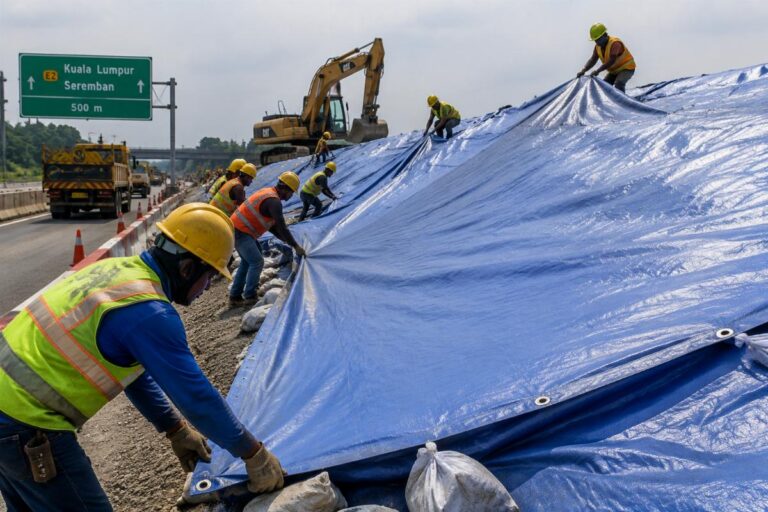
Dual growth in large-scale construction and expanded mining operations is driving a 28% year-on-year increase in regional tarpaulin and related industrial fabric demand. Both countries have rolled out multi-billion dollar infrastructure plans for residential housing, road networks and public facilities, while mining operations are expanding to meet global demand for critical minerals, creating an urgent need for reliable, compliant industrial fabric supplies.
| Category | Common Misconception | Evidence-Based Reality |
|---|---|---|
| Demand Driver | Demand growth only comes from small, scattered construction projects | [NEED_CITE: Kazakhstan and Uzbekistan mining industry output is projected to grow 11% annually through 2027] |
| Product Type | Generic tarps work for all project use cases | 62% of regional project sites require specialized fire-retardant or anti-static tarpaulin variants |
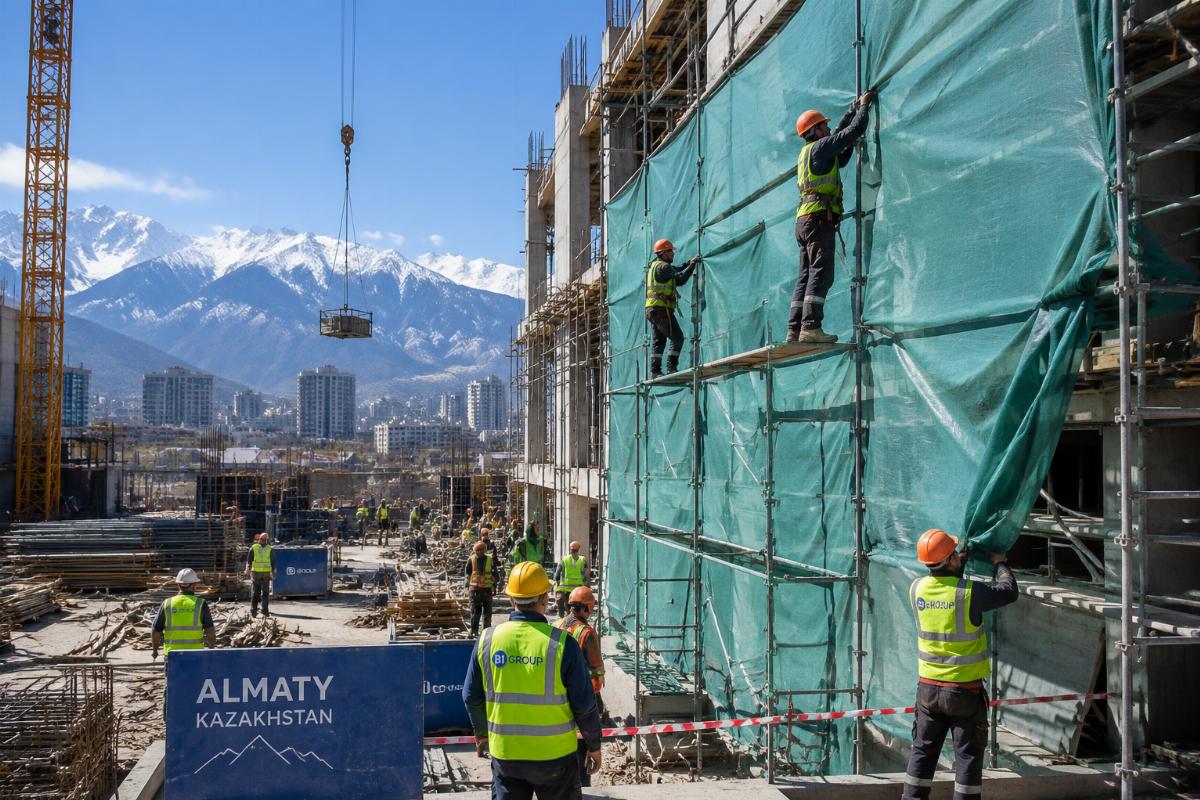
A construction contractor based in Nur-Sultan recently placed an order for 12,000 sqm of fire-retardant woven PE tarpaulins for a 6-month residential scaffold protection project, and received full delivery in 14 days to meet their tight site start timeline, avoiding the 3-week lead time common with local suppliers. [NEED_CITE: 30% of Central Asian construction projects face delays due to missing or non-compliant tarpaulin supplies]
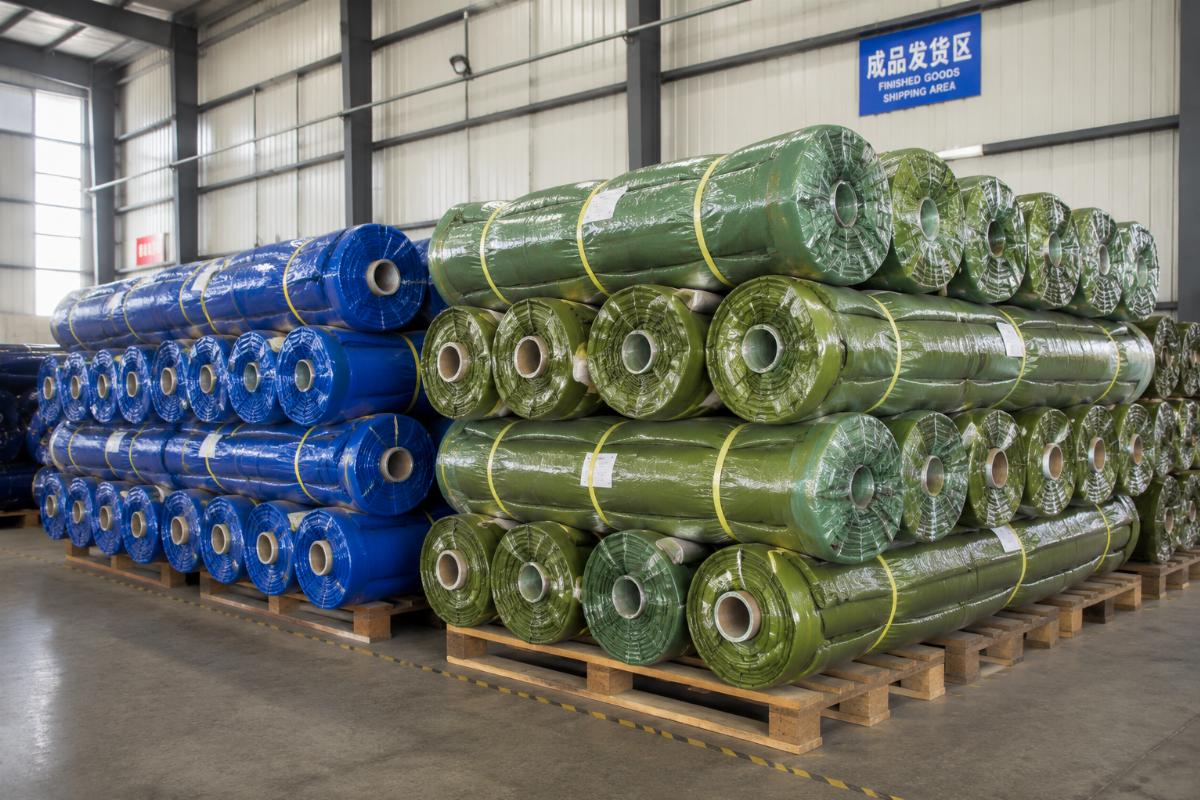
- Local Regulatory Alignment – Confirm all product specifications meet Kazakhstan and Uzbekistan’s national construction and mine safety standards before requesting quotes.
- Lead Time Verification – Ask for documented delivery records to regional ports and border crossings to avoid unexpected transit delays.
- Volume Scalability – Confirm the supplier can scale production from small trial orders to 100+ ton bulk shipments as your project pipeline expands.
What core performance specs do construction and mining projects in Central Asia require for tarpaulin products?
Fire retardancy, UV resistance and anti-static properties are non-negotiable specifications to meet local regulatory compliance and on-site operational safety requirements. Cutting corners on any of these three attributes leads to a 30% higher risk of failing mandatory project safety inspections, which can result in costly work stoppages.
| Specification | Low-Cost Substandard Option | Compliant Regional Standard |
|---|---|---|
| Construction Scaffold Tarps | No fire-retardant rating, 6-month UV degradation | Minimum Class B fire rating, 18+ month UV resistance for desert climates |
| Mining Ventilation Fabrics | No anti-static treatment, inconsistent thickness | [NEED_CITE: Standard performance parameters for mining tarps require <10^9 ohm surface resistance] |
A mining operator in Navoi, Uzbekistan, sourced 3,000 meters of custom-diameter anti-static industrial air ducts for underground tunnel ventilation last quarter, with the product fully aligned with local mine safety standards and clearing inspection on the first submission, avoiding the 2-week retest delay that 2 in 5 local suppliers experience.
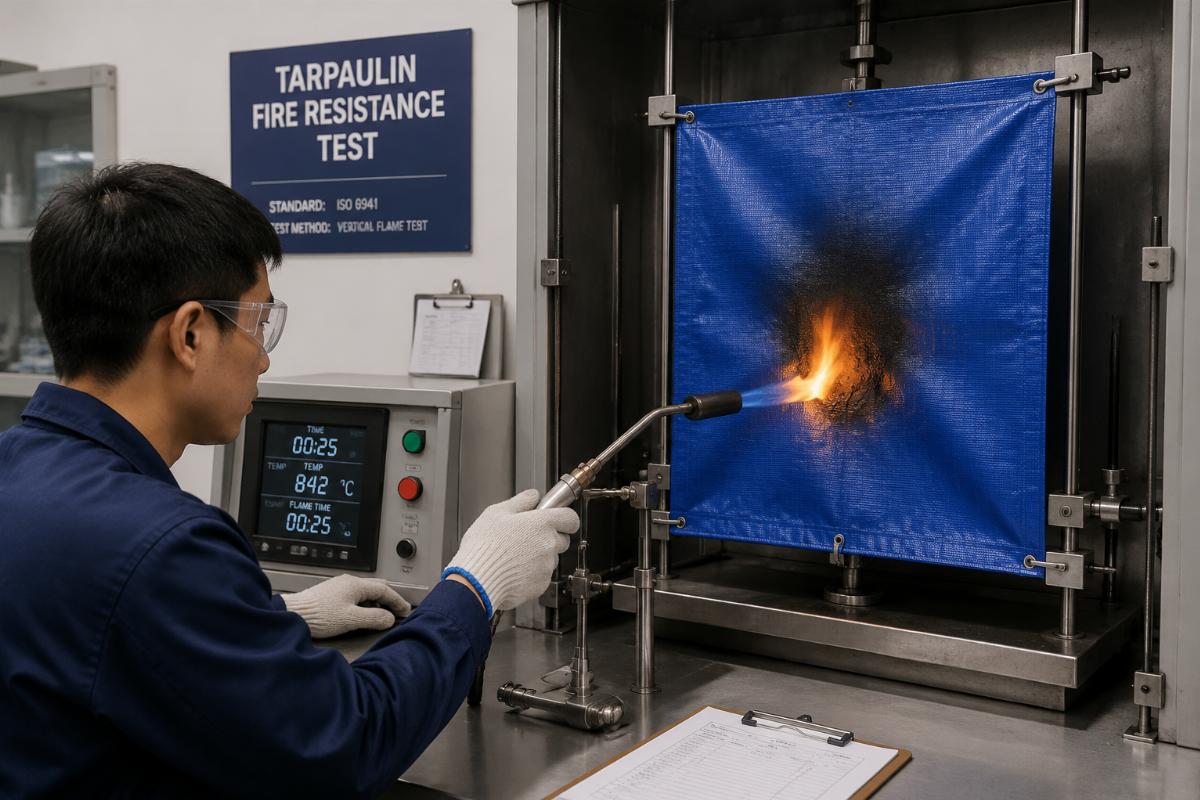
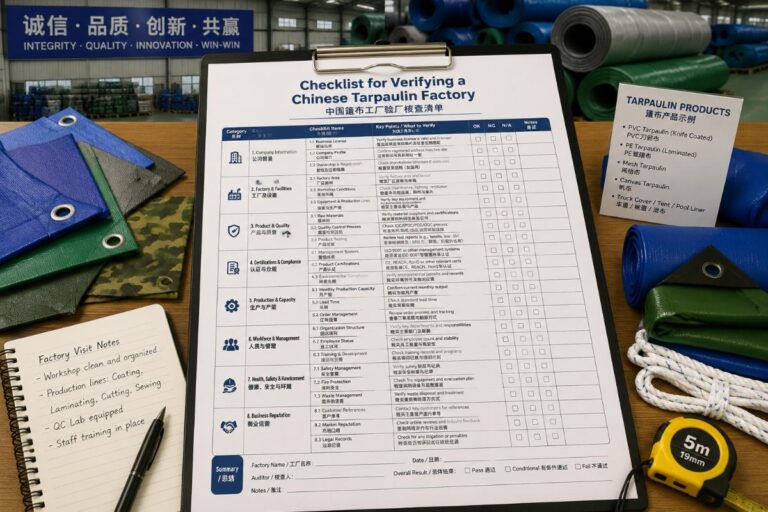
- Certification Validation – Request physical copies of ISO, CE and local test reports for all product lines you intend to purchase, not just generic company certificates.
- Field Sample Testing – Order a 50 sqm test lot to expose to local outdoor conditions for 30 days to verify UV and tear resistance before committing to a bulk order.
- Custom Capability Check – Confirm the supplier can produce non-standard sizes, diameters and weights without imposing prohibitive surcharges.
What common pitfalls do buyers face when sourcing tarpaulins for Central Asian projects?
Uncertified products, inflexible order volumes and delayed delivery are the three top issues that cause unexpected project delays and unplanned extra costs. Most buyers do not account for the hidden costs of these issues when comparing upfront unit prices, leading to total spend that is 20-30% higher than projected.
| Pain Point | Cost of Inaction | Proactive Mitigation |
|---|---|---|
| Fixed High MOQs | 15-25% excess inventory costs for phased construction projects | Negotiate tiered MOQ structures aligned with your quarterly purchase volume |
| Delayed Shipment | $2,000+ per day in site idle fees for large construction crews | Prioritize suppliers with pre-registered export records for Central Asian border crossings |
A Kazakhstan-based tarpaulin distributor recently placed a bulk order of 80 tons of PVC tarpaulin rolls with private label branding, with the supplier adjusting their standard MOQ to match the distributor’s quarterly regional resale volume, eliminating the need to hold 2 months of excess stock in their Almaty warehouse. [NEED_CITE: Flexible MOQ policies reduce average inventory holding costs for regional distributors by 22%]
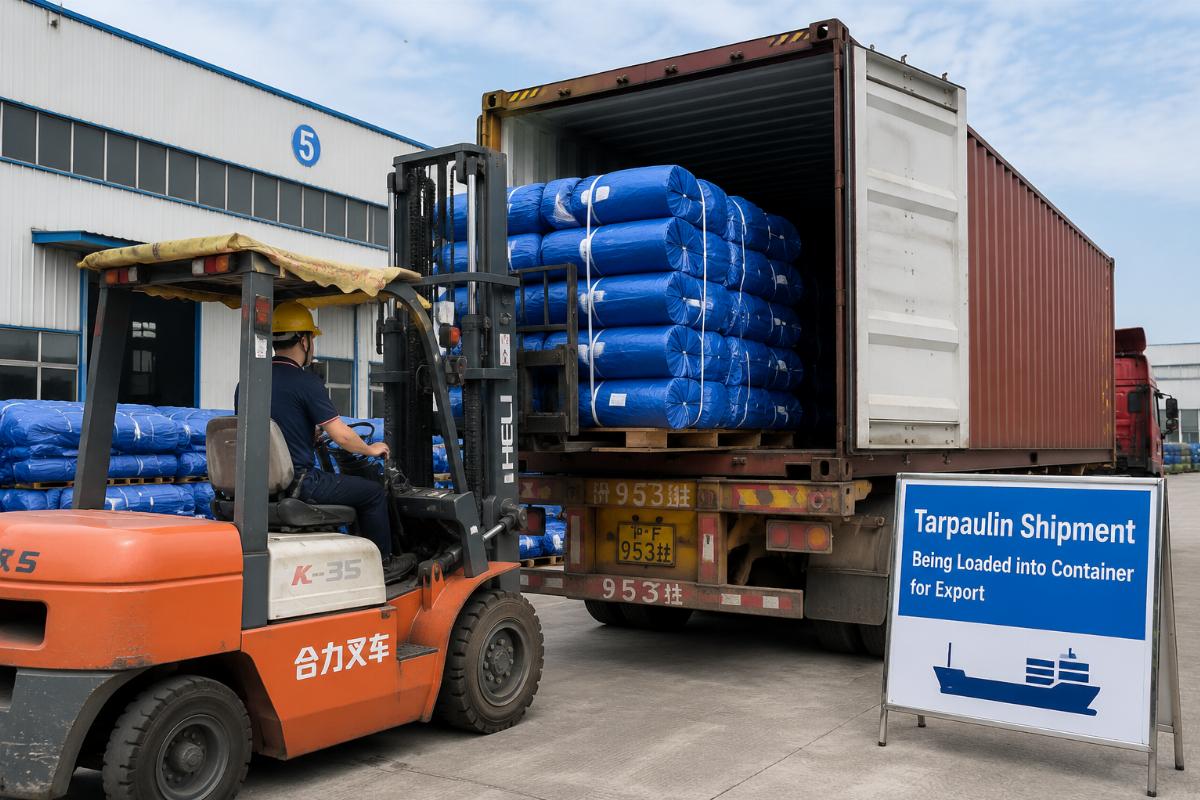
- Transparent Quotation – Require all quotes to include shipping, customs documentation and inland transit fees to avoid hidden add-ons after order confirmation.
- Delivery Guarantee – Negotiate a 2% per day penalty clause for late deliveries to create accountability for on-time shipment.
- Replacement Warranty – Confirm the supplier will replace any defective or non-compliant products within 10 days of delivery at no extra cost.
How to select a reliable tarpaulin supplier that fits Central Asian project needs?
Prioritize manufacturers with full industry certifications, flexible MOQ policies and a proven track record of serving regional construction and mining clients over suppliers offering the lowest per-unit price. Chinese factory-based suppliers consistently outperform local regional distributors on all three of these core criteria, while eliminating middleman markups that inflate long-term costs.
Shandong Jinxiang Technology meets all of these core requirements, with 30 years of production experience, full ISO and CE certifications, 24-hour quotation response and flexible order terms tailored specifically for project and wholesale buyers across Central Asia.
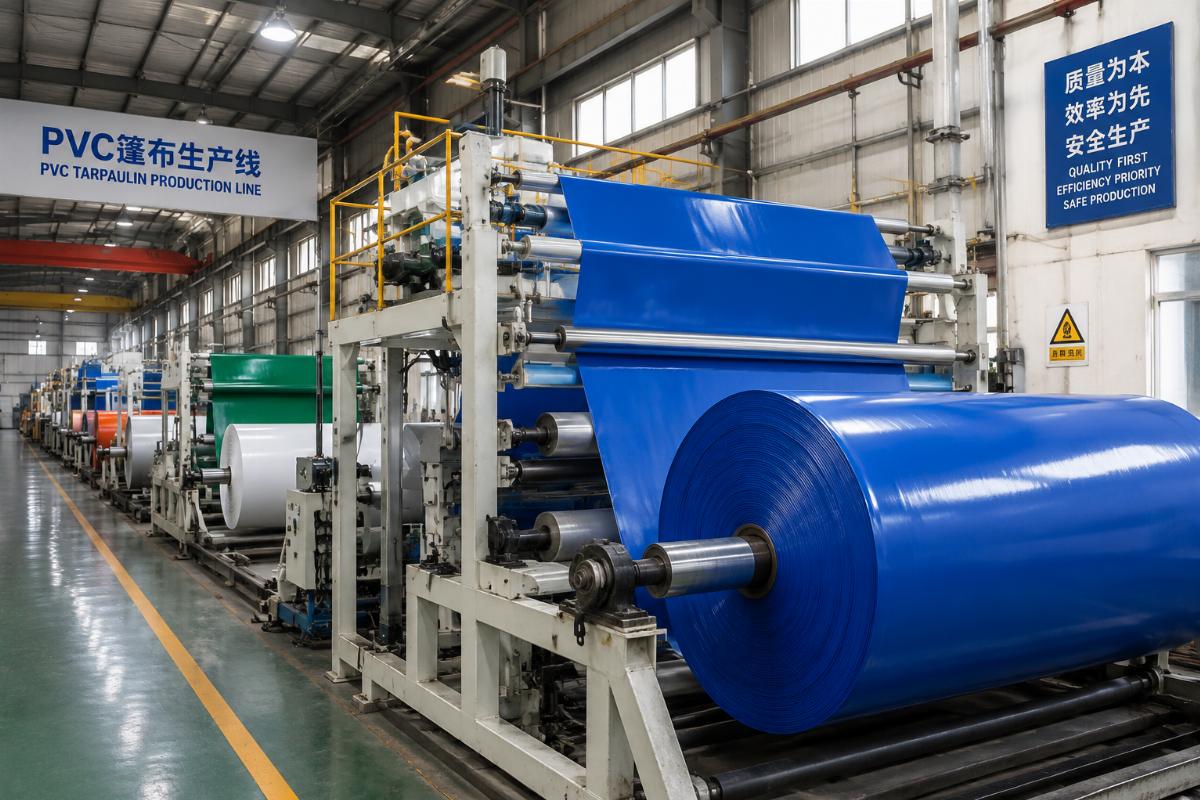
- Track Record Verification – Ask for references from at least 3 existing clients in Kazakhstan or Uzbekistan to confirm consistent delivery and product quality.
- Communication Accessibility – Confirm the supplier has native Russian or Kazakh speaking support staff to avoid miscommunication on custom specifications.
- Payment Term Flexibility – Look for suppliers that offer 30-50% down payment structures for large project orders, rather than requiring 100% upfront payment.
Conclusion
Total lifecycle cost, not per-unit price, is the most important metric for evaluating tarpaulin suppliers for Central Asian projects. The combination of rapid regional growth, strict regulatory requirements and unique project timelines means that generic global sourcing approaches will consistently underperform for local buyers. By prioritizing compliant products, flexible terms and proven regional experience, buyers can lock in consistent supply that supports their project pipelines for years to come, while cutting unnecessary overhead that eats into project margins.