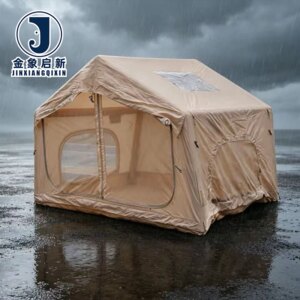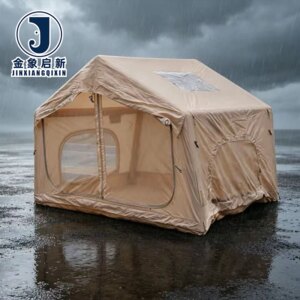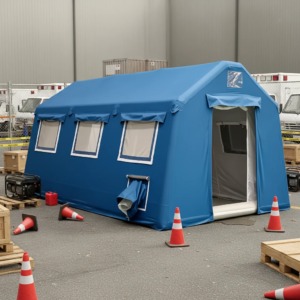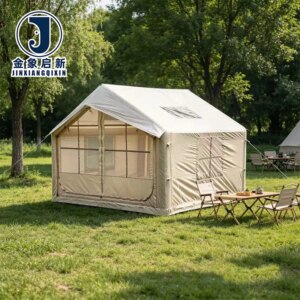
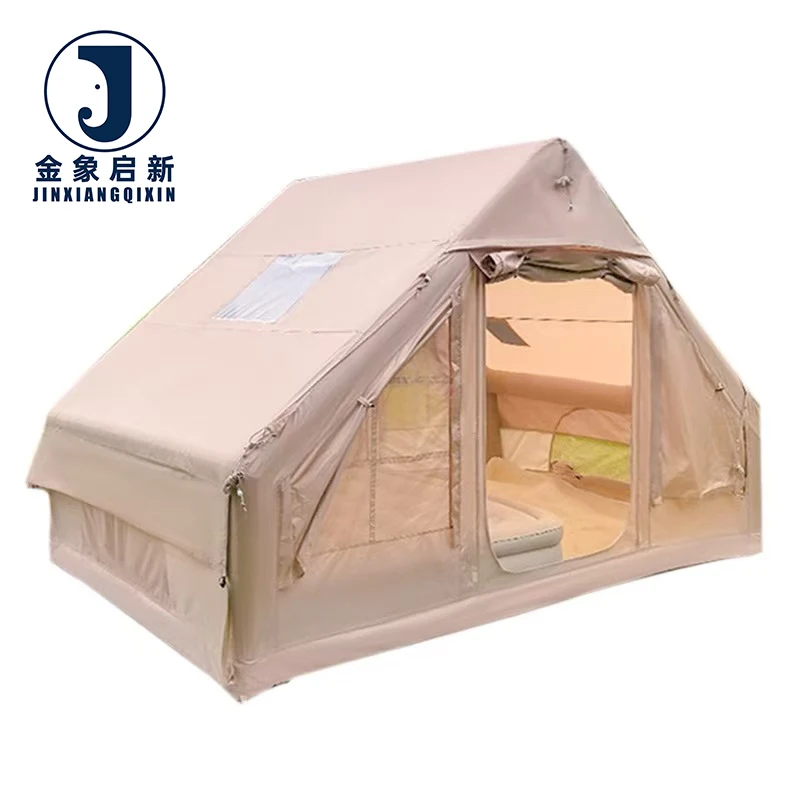
Coated Fabric Process Control — Nearly 30 years of PVC coating expertise ensures batch-consistent inflatable tent fabric with verified waterproofing, UV stability, and tear resistance across every production run.
Technical Specifications
| Parameter | Value |
|---|---|
| Product Type | Inflatable Tent |
| Core Material | PVC coated fabric |
| Waterproof Rating | ≥10,000mm water column (source value — verify against manufacturer catalog) |
| UV Resistance | 4000 hours accelerated aging (test basis not stated in source) |
| Tear Strength | ≥300N (test standard not stated in source) |
| Custom Sizing | Up to 5m length |
| Color Matching | Pantone codes |
| Key Features | Waterproof, UV-resistant, Tear-resistant |
| Production Facility | 9,180 square meters with 3 full production lines |
| Processing Equipment | 36 sets of professional processing equipment |
| R&D Team | 10 technicians supporting OEM & ODM customization |
| Certifications | ISO9001, ISO14001, ISO45001, CE |
Application Suitability
| Application | Exposure & Requirement |
|---|---|
| Temporary site offices at construction projects | Extended outdoor deployment, weather exposure, frequent relocation |
| Equipment storage shelters for logistics operations | Protection from moisture and UV degradation, rapid deployment cycles |
| Mobile command posts for industrial events | High-frequency setup and teardown, branded visibility requirements |
| Emergency outdoor deployments | Rapid inflation, structural integrity under variable conditions |
| Rapid deployment in controlled industrial environments | Fire safety compliance, repeated use cycles |
Why Material Consistency Matters More Than Specified Performance Claims
Inflatable fabric batches that vary in waterproofing effectiveness or tear resistance disrupt project timelines and compromise shelter reliability.
When sourcing Inflatable Fabric manufacturer custom orders, buyers often receive material that passes initial inspection but fails during deployment. The waterproof coating thickness varies between rolls, creating weak points where water penetrates during extended rain exposure. Tear resistance claims lack supporting test methodology, making it impossible to predict how the fabric will perform at stress points where the inflatable structure flexes repeatedly. [NEED_CITE: tensile and tear test methods for coated fabrics per ISO 1421]
Base Fabric Engineering for Inflatable Structural Integrity
The PVC coated fabric foundation determines how well an Inflatable Tent withstands repeated inflation cycles and environmental stress. The base fabric weave pattern and denier count work together with the coating weight to deliver tear resistance and dimensional stability. When the inflatable structure expands under air pressure, the fabric must distribute load evenly across the surface without localized stress concentrations that lead to premature failure.
Coating Adhesion and Long-Term Performance
The bond between the PVC coating and base fabric directly affects how the material performs during high-frequency commercial deployment. Poor adhesion causes delamination at fold lines and welded seams, particularly where the inflatable tent experiences repeated flexing during setup and teardown. The coating formulation must maintain flexibility across temperature variations while preserving waterproof integrity throughout the structure’s service life. [NEED_CITE: coating adhesion test standards for technical textiles]
Understanding the Relationship Between Coating Weight and Structural Performance
The specified tear strength of ≥300N provides a baseline measurement, but real-world performance depends on how that strength is distributed across the fabric structure. Heavier coating weight does not automatically translate to better tear resistance if the base fabric density is insufficient to prevent tear propagation. The PVC coating must penetrate the base fabric weave adequately to create a unified composite material rather than sitting on the surface as a separate layer. This penetration depth affects both the waterproof rating and the fabric’s ability to resist tearing when punctured or stressed at attachment points. The custom sizing capability up to 5m length allows manufacturers to minimize seam count in larger inflatable structures, reducing potential failure points where welded joints experience concentrated stress during inflation cycles.
The Hidden Cost of Inconsistent Batch Quality Across Production Runs
When waterproof coating thickness varies between rolls in the same order, some sections of the inflatable tent fail during pressure testing while others perform adequately. This inconsistency forces manufacturers to reject entire batches or accept shelters with unpredictable field performance. Color variation between rolls becomes visible once multiple inflatable structures are deployed side by side at event sites or construction projects, creating an unprofessional appearance that damages brand reputation. Welded seams often fail before the fabric itself when coating composition varies, as the heat-sealing parameters that work for one roll may not create adequate bond strength with material from a different production batch. [NEED_CITE: common failure modes in inflatable structure manufacturing]
Why Sourcing From This Facility Reduces Procurement Risk
Three full production lines and 36 sets of professional processing equipment provide the capacity to maintain consistent quality across large-volume Inflatable Fabric manufacturer custom orders without sacrificing lead time reliability. The 10-person R&D team handles material selection, custom sizing, Pantone color matching, and pattern printing within the same facility, eliminating coordination gaps between design and production. Every production stage includes dedicated QA/QC inspection with 100% pre-shipment verification, catching coating inconsistencies and dimensional variations before material leaves the factory. Samples are developed within days for custom requirements, allowing buyers to validate material performance and color accuracy before committing to full production runs. ISO9001, ISO14001, ISO45001, and CE certifications are maintained across all production processes, providing documentation that satisfies compliance requirements in multiple international markets.
Documentation & Verification
- Material specification sheet stating PVC coating composition, base fabric denier, and waterproof rating test methodology
- Batch-specific quality certificates with tear strength test results and UV resistance verification for each production run
- Pre-shipment inspection records documenting coating thickness consistency and dimensional accuracy across all rolls
- Pantone color matching verification reports for custom color orders requiring visual consistency across multiple inflatable structures
- ISO9001, ISO14001, ISO45001, and CE certification documentation included with each shipment for international compliance requirements
Fabrication, Handling & Storage
- Heat-sealing parameters must be adjusted for PVC coated fabric thickness to prevent delamination at welded seams during inflation cycles
- Store rolls horizontally on flat surfaces to prevent permanent creasing that weakens the coating at fold lines
- Allow material to acclimate to ambient temperature before unfolding in cold conditions to prevent coating cracking
- Use compatible PVC adhesive for field repairs, ensuring the patch material matches the base fabric coating weight
- Cut patterns should account for the 5m maximum custom length to minimize seam count in large inflatable structures
Requesting a Quotation for Your Inflatable Tent Project
Provide your target deployment environment and expected frequency of setup cycles so we can recommend appropriate coating weight and base fabric specifications. Specify any fire safety or compliance requirements for your target market, along with Pantone color codes and custom dimensional requirements for your inflatable structures. Indicate whether you need fabric supplied in roll form for your own fabrication or require cut panels with specific seam configurations for immediate assembly.
Frequently Asked Questions
Q: What waterproof rating verification is available for inflatable fabric batches?
A: Each production run includes documentation stating the waterproof rating test methodology and results. The ≥10,000mm water column specification is verified through batch testing, with results provided in the shipment documentation. Request specific test reports during the quotation phase to confirm the testing standard used matches your market requirements.
Q: How is UV resistance validated for PVC inflatable structures?
A: The 4000-hour accelerated aging specification indicates UV treatment has been applied, though the specific test standard should be confirmed for your application requirements. Request the test methodology documentation to verify the aging protocol matches your expected outdoor exposure conditions and service life expectations.
Q: What customization options exist for sizing and color matching?
A: Custom sizing is available up to 5m length with Pantone color code matching for brand consistency across multiple inflatable structures. Pattern printing and logo application are supported through the OEM/ODM service. Sample development allows validation of color accuracy and dimensional specifications before full production commitment.
Q: What is the sample development process for custom inflatable fabric orders?
A: Samples are developed within days for custom requirements, allowing material evaluation before bulk production. The sample includes your specified Pantone color, custom dimensions, and any pattern printing requirements. This validation step ensures the PVC coated fabric meets your performance expectations and fabrication requirements.
Q: Which certifications apply to inflatable tent fabric shipments?
A: ISO9001, ISO14001, ISO45001, and CE certifications are maintained across production processes with documentation included in each shipment. These certifications support compliance requirements in international markets. Specific test reports for tear strength, waterproof rating, and UV resistance are available upon request during the quotation process.