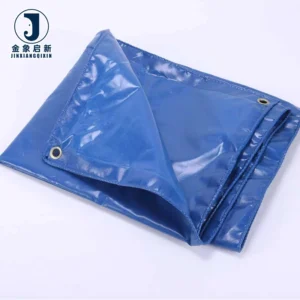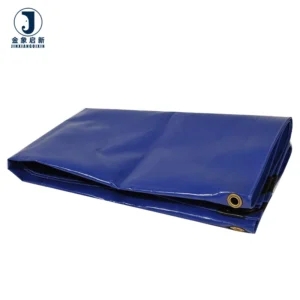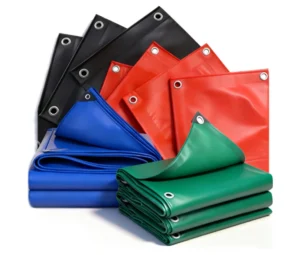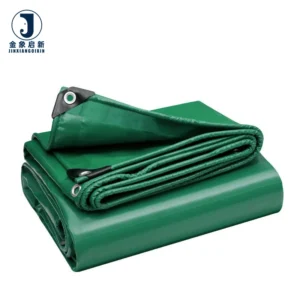
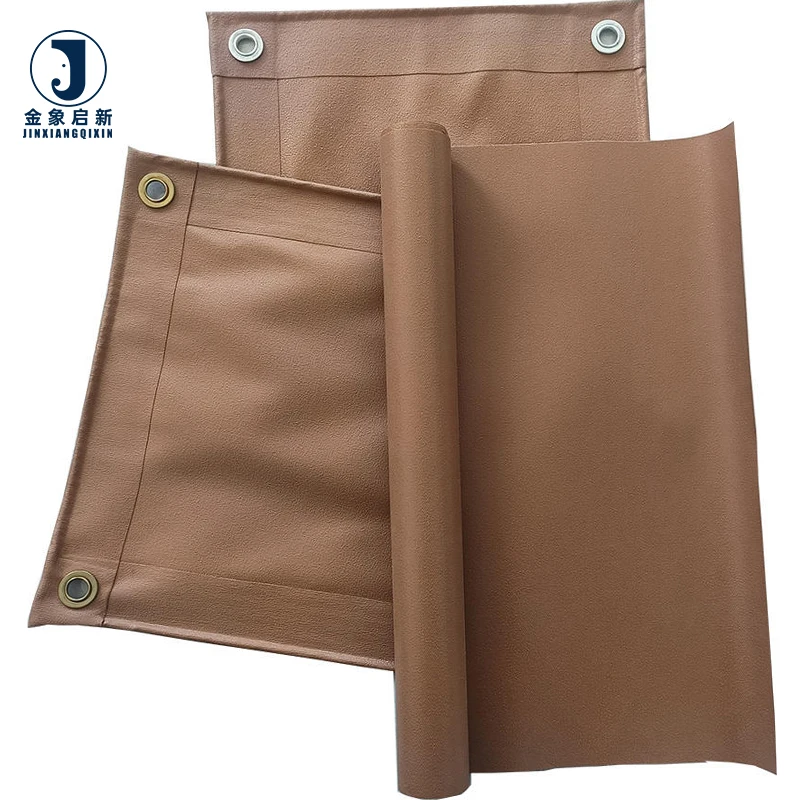
Hot Melt Coating Expertise — 520gsm PVC coated tarpaulin fabric produced with controlled coating weight and adhesion across every roll, verified before dispatch.
Technical Specifications
| Parameter | Value |
|---|---|
| Product Type | PVC Coated Tarpaulin |
| Weight | 520gsm |
| Base Fabric | 100% high toughness polyester yarn, 500D |
| Coating Method | Lamination technology and hot melt coating technology |
| Thickness | 0.35-0.45 mm |
| Tensile Strength (Warp) | 1500-2000 N/5cm |
| Tensile Strength (Weft) | 1200-1800 N/5cm |
| Waterproof | Yes |
| Welding Tear Strength | Excellent |
| Weather Resistance | Suited to extended outdoor exposure |
| Color Fastness | High |
| Key Features | Flame retardant, anti-static, cold resistant, mold proof, anti-UV treatments available — confirm the grade required for your market |
Application Suitability
| Application | Exposure & Requirement |
|---|---|
| Truck Side Curtains | Constant flexing at load points, road debris abrasion, UV exposure, wind load tension |
| Truck Covers and Tarps | Full weather exposure, tie-down stress at edges, repeated folding and unfolding |
| Lightweight Engineering Fabric | Temporary site enclosure, equipment protection, moderate mechanical stress |
| Waterproof Industrial Covers | Permanent moisture contact, chemical splash resistance, dimensional stability |
Why 520gsm PVC Coated Tarpaulin Is Specified by Tensile Data, Not Weight Alone
A fabric’s weight tells you how much material is there; the base yarn and weave tell you what that material can actually withstand.
When sourcing PVC coated tarpaulin fabric, buyers often rely on the GSM figure to judge strength. Yet two rolls both marked 520gsm can differ substantially in tensile and tear performance depending on whether the base fabric uses 500D yarn in a dense knit or a looser construction with heavier coating filler. [NEED_CITE: tensile and tear test methods for coated fabrics per ISO 1421]
Hot Melt Coating and Lamination: How Adhesion Is Built Into the Fabric
The 520gsm PVC coated tarpaulin is manufactured using both lamination technology and hot melt coating technology. Hot melt coating forces liquid PVC into the polyester base fabric under heat and pressure, creating a mechanical bond between the coating and the yarn rather than a surface-only adhesion. This process directly affects peel strength at the coating-to-fabric interface, which determines whether the coating delaminates under repeated flexing — a common failure mode in side curtain applications where the fabric bends at every load cycle.
Base Fabric Construction and Dimensional Stability
The 100% high toughness polyester yarn at 500D denier forms the structural skeleton of this PVC coated tarpaulin fabric. Polyester provides inherent dimensional stability with low elongation under load, meaning the fabric resists stretching when tensioned across a truck body or trailer frame. [NEED_CITE: DIN 53354 tensile testing of coated textiles] The knitting density works together with the yarn denier to distribute point loads — such as those at tie-down points or welded seams — across a broader area of the base fabric rather than concentrating stress on individual yarns.
Reading the Tensile and Weld Data Correctly
The warp tensile strength of 1500-2000 N/5cm and weft strength of 1200-1800 N/5cm indicate an anisotropic fabric where the machine direction carries higher loads, typical for side curtain installations where vertical panels hang under their own weight plus wind load. The excellent welding tear strength specification matters because truck side curtains are assembled from multiple panels joined by hot air welding. A welded seam that fails before the fabric body does represents a specification error in the coating formulation or weld temperature profile, not a fabric defect.
What Happens When Coating Weight Drifts Below Specification
A roll that arrives lighter than the quoted 520gsm typically means the coating weight was reduced to cut material cost. The consequence is not simply a thinner fabric — it is a coating layer too thin to fully encapsulate the base yarn, leaving micro-gaps where moisture penetrates and UV degradation starts from the inside of the weave rather than the surface. [NEED_CITE: UV degradation pathways in PVC coated polyester fabrics] Flame retardant and anti-static treatments applied to an underweight coating also deliver reduced active loading, meaning the treatment may pass initial testing but degrade below effective thresholds within months of outdoor service.
Why Technical Buyers Source This Grade Here
The 10-person R&D team develops custom material formulations and samples within days, allowing specification of treatment combinations — such as flame retardant with anti-static — matched to your end-use compliance requirements. Three full production lines with 36 sets of professional equipment maintain consistent coating weight and adhesion across bulk roll orders, so batch-to-batch variation stays within tolerance. Every roll undergoes 100% pre-shipment inspection with coating weight verified against the specification sheet, eliminating the risk of receiving material lighter than agreed. [NEED_CITE: ISO 9001 quality management for coated fabric manufacturing]
Documentation & Verification
- Material specification sheet confirming 520gsm weight, 500D base fabric denier, and hot melt coating method per roll
- Test reports for flame retardant, anti-UV, or anti-static grades supplied when the treatment is specified on the order
- Pre-shipment inspection record documenting actual coating weight and adhesion values before dispatch
- ISO and CE certificates available for compliance filing
- Roll packing list with individual roll weights and dimensions for receiving verification
Fabrication, Handling & Storage
- Hot air welding parameters must be adjusted to the 520gsm coating thickness; test welds on scrap confirm peel strength before production runs
- Store rolls upright on end caps to prevent flat-spotting on the 0.35-0.45 mm coating, which causes visible crease marks when unrolled
- Cold resistant treated rolls should be unrolled and allowed to reach ambient temperature before fabrication to avoid coating micro-cracking
- When cutting panels from the roll, nest patterns to minimize waste across the available width and reduce the number of welded seams in the finished product
- Clean surfaces with neutral pH detergent only; solvent-based cleaners can soften the hot melt PVC coating and reduce surface treatment effectiveness
What to Include in Your Enquiry
Provide the specific application — side curtain, flat truck cover, or structural enclosure — along with the flex cycle frequency and environmental exposure conditions your fabric will face. If your market requires flame retardant or anti-static compliance, state the standard or grade your end customer mandates so the correct treatment formulation can be confirmed. Indicate whether you need rolls in stock width or custom slit widths, your annual volume, and whether you require finished cut-and-welded panels or roll stock only.
Frequently Asked Questions
Q: How is the 520gsm weight verified on delivery, and what tolerance applies?
A: Each roll is weighed during pre-shipment inspection and recorded on the inspection report. The coating weight tolerance is documented on the material specification sheet that ships with your order, so you can verify the GSM against the quoted value upon receipt.
Q: What test basis supports the flame retardant and anti-UV claims?
A: These treatments are available in specific grades matched to your market requirements. Confirm the standard you need — such as a regional fire classification or UV exposure test method — and the corresponding test report will be supplied with your order documentation.
Q: How does the 500D base fabric relate to tensile performance at this weight?
A: The 500D polyester yarn provides the structural strength, while the hot melt coating adds weight and protection. Tensile values of 1500-2000 N/5cm warp are a result of yarn denier and knit density together, not coating weight alone.
Q: How do welded seams perform relative to the fabric body at flex points?
A: The hot melt coating technology produces strong coating-to-yarn adhesion, which supports excellent welding tear strength. Weld parameters should be tested on scrap from your specific roll batch to confirm seam integrity matches the fabric tensile specification.