Precision Coating Control — Every roll of 500D-500D PVC coated tarpaulin ships with a material specification sheet verifying base fabric denier, coating weight and GSM so the fabric you receive matches the fabric you ordered.
Technical Specifications
| Parameter | Value |
|---|---|
| Product Type | PVC Coated Tarpaulin |
| Base Fabric Denier | 500D-500D Polyester |
| Coating Material | Double-Sided PVC |
| Weight Range | 450-900 g/m² (available across multiple grades — confirm required GSM) |
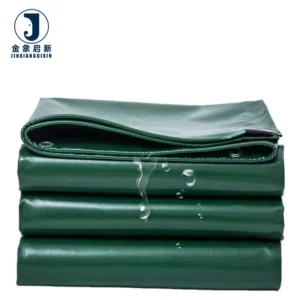
| Water Resistance | Fully Waterproof |
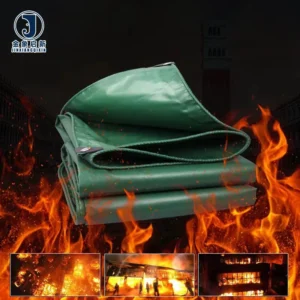
| Flame Retardancy | Flame-retardant grades available — confirm the grade required for your market |
| UV Treatment | Anti-UV treatment available — test basis to be confirmed per grade |
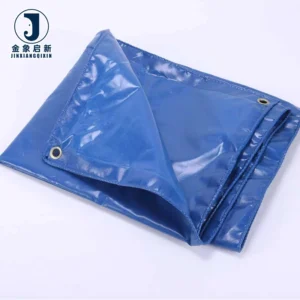
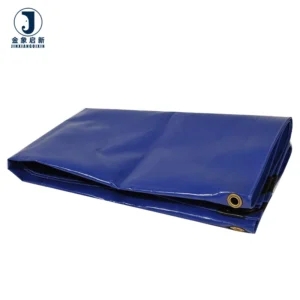
| Surface Finish | Smooth, leather-like texture |
| Repairability | Hot air weldable |
| Certification | ISO, CE |
Application Suitability
| Application | Exposure & Requirement |
|---|---|
| Truck and trailer side curtains | Constant flexing at load points, road spray, UV exposure, abrasion from tie-down straps |
| Machine and equipment covers | Outdoor storage, dust ingress prevention, repeated handling and folding |
| Awning and tent structures | Wind load tension, sustained UV exposure, welded seam integrity at panel joins |
| Wood and stockpile covers | Moisture protection, puncture from stacked material, seasonal temperature swings |
Why Base Fabric Denier Matters More Than the Quoted GSM
A 500D-500D polyester base determines how the PVC coated tarpaulin actually performs under tension — GSM alone does not tell the full story.
Technical buyers often receive fabric that matches the quoted GSM but fails prematurely because the base fabric construction was substituted with a lighter denier yarn. The denier of the warp and weft yarns governs tensile and tear behaviour independently of the coating weight applied on top. A heavier coating can inflate the GSM reading while contributing little to structural strength. When specifying PVC coated tarpaulin for truck curtain or tent fabrication, the relationship between base yarn count and coating adhesion is what determines whether a welded seam holds under load flex or peels apart at the first stress point [NEED_CITE: tensile and tear test methods for coated fabrics per ISO 1421].
Coating Adhesion and the Double-Sided PVC Layer
The double-sided PVC coating on this 500D-500D polyester base is applied to achieve consistent bond strength between the coating and the substrate. Coating weight directly influences flexibility and the ability to heat-weld seams without delamination. When the coating-to-substrate adhesion is controlled through the process, the seam becomes as durable as the body of the fabric rather than the weakest link in a fabricated cover. This matters most on truck side curtains where the fabric flexes with every load shift and the weld line experiences repeated peel stress.
How Denier Construction Drives Tear Propagation Resistance
The 500D-500D weave establishes the grid that resists tear propagation once a puncture or cut occurs. Higher denier yarns in both warp and weft create a denser interlocking structure that forces a tear to break multiple yarns simultaneously rather than unzipping along a single line. For awning and tent manufacturers, this behaviour determines panel survivability under wind gust loading. The smooth PVC surface finish also supports clean heat-welded joins, which is critical when multiple panels are fabricated into large tent or awning structures [NEED_CITE: tear propagation behaviour in woven coated fabrics per ISO 3374].
Reading the Specification Sheet Correctly
GSM, base fabric denier and coating weight are three interdependent values, and treating any one of them in isolation leads to procurement errors. The 450-900 g/m² range available across this product family reflects different coating weights applied over the same 500D-500D base. A lighter coating yields a more flexible, lower-GSM fabric suited to temporary covers and lighter awning applications. A heavier coating builds bulk and abrasion resistance for truck curtain panels and equipment covers that face daily mechanical contact. Selecting the right point in that range requires matching the coating weight to the actual mechanical demand, not simply choosing the heaviest option available.
What Happens When the Specification Does Not Match the Load
Receiving a lighter PVC coated tarpaulin than the one specified shows up in two ways: the fabric stretches more than expected under tension, and welded seams begin to separate at flex points within months rather than years. Colour inconsistency between rolls in the same order becomes visible once panels are installed side by side on a trailer or awning frame, forcing a full replacement rather than a targeted repair. These failures trace back to insufficient process control over coating weight and batch-to-batch colour matching [NEED_CITE: common failure modes in PVC coated fabric installations].
Why Procurement Verification Starts Before Production
Deep process control over coating weight and adhesion, backed by nearly 30 years of coated fabric production. Every roll undergoes in-process QA with 100% pre-shipment inspection, and the material specification sheet confirms GSM, base fabric denier, coating type and colour reference before dispatch. A 10-person R&D team handles material selection and sample development for custom widths, colours and treatment grades. Roll-to-roll consistency is maintained through dedicated quality checks at every production stage, ensuring that the PVC coated tarpaulin you approve at sample stage is the same fabric that arrives in your container.
Documentation & Verification
- Material specification sheet stating GSM, 500D-500D base fabric denier and coating weight per roll
- UV resistance and flame-retardant test reports provided where treatment grades are specified
- Pre-shipment inspection record with roll-by-roll weight and colour verification
- ISO and CE certificates included in shipment documentation package
- Colour reference confirmation across all rolls in a single order
Fabrication, Handling & Storage
- Hot air welding recommended at temperature settings matched to the double-sided PVC coating thickness
- Smooth leather-like surface finish accepts heat-welded seams without surface cracking or delamination
- Store rolls upright on end caps to prevent flat-spot deformation of the 500D-500D polyester base
- Allow cold-stored rolls to reach ambient temperature before unrolling to avoid coating stiffness damage
- Clean with mild detergent only — solvent-based cleaners may degrade the PVC coating surface
Specifying the Right Grade for Your Application
When requesting a quotation, provide the end-use application and the mechanical demands the fabric will face — whether it is a truck side curtain under constant flex, a static equipment cover, or a tensioned awning panel. Specify the flame-retardant grade your market requires so the correct treatment and test documentation can be included. Confirm the required width, colour reference and whether you need roll stock or finished cut-to-size panels. Samples are developed within days for custom requirements so you can verify the 500D-500D PVC coated tarpaulin before committing to a production run.
Frequently Asked Questions
Q: How is the actual GSM of 500D PVC coated tarpaulin verified before shipment?
A: Every roll is weighed and measured during pre-shipment inspection, and the verified GSM is recorded on the material specification sheet that ships with your order. This ensures the coating weight and total fabric mass match the agreed specification before the rolls leave the facility.
Q: What flame-retardant grades are available and which test standards apply?
A: Flame-retardant treatment is available in multiple grades depending on your market requirements. The specific grade and corresponding test standard are confirmed during the specification stage, and test reports are included with shipment documentation where applicable.
Q: How does the 500D-500D base fabric denier relate to tensile and tear strength?
A: The 500D-500D polyester yarn count in both warp and weft directions establishes the structural grid that governs tensile and tear performance. Higher denier yarns resist tear propagation by requiring multiple yarn breaks, independent of the PVC coating weight applied.
Q: What welding methods are recommended for fabricating this PVC coated fabric?
A: Hot air welding is the primary method for joining panels of this double-sided PVC coated polyester fabric. The smooth surface finish supports consistent weld bead formation, and welding parameters should be adjusted to match the specific coating weight of the grade selected.
Q: Can you ensure colour consistency across multiple rolls in one order?
A: Colour reference is confirmed at sample approval stage, and every roll in a production run is checked against that reference during the 100% pre-shipment inspection. This batch-level verification prevents visible colour variation when panels are installed side by side.