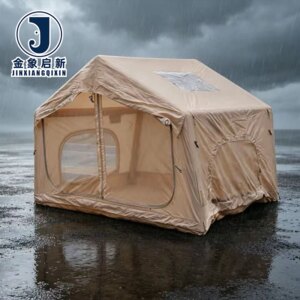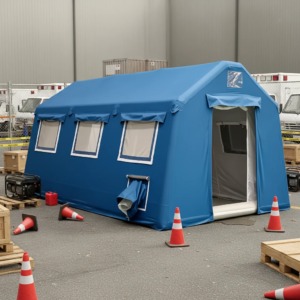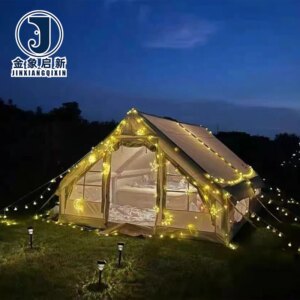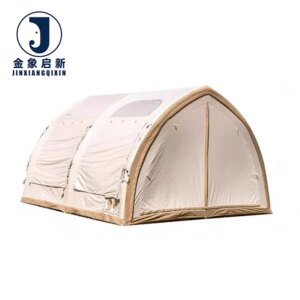
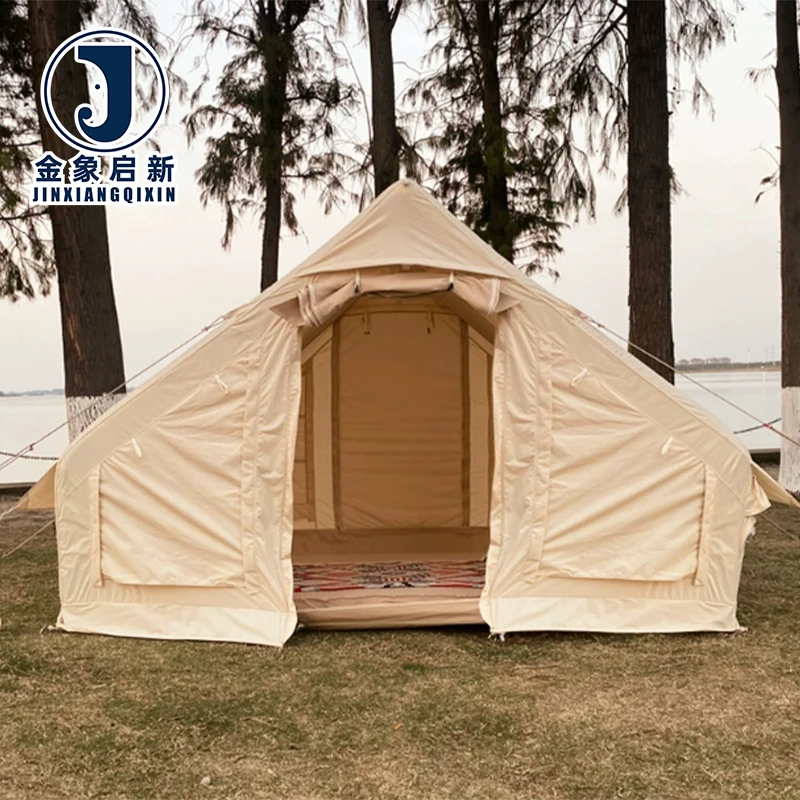
Process-Controlled Coating Expertise — Three dedicated production lines with 36 sets of professional equipment maintain strict adhesion and weight control across every roll of PVC inflatable tent fabric supplied.
Technical Specifications
| Parameter | Value |
|---|---|
| Product Type | Inflatable Tent Fabric / Membrane Structure Fabric |
| Core Material | PVC Tarpaulin |
| Coating Method | Knife Coated |
| Waterproof Performance | Fully waterproof coated construction |
| UV Resistance | UV-resistant treatment available — confirm test basis required for your market |
| Tear Resistance | Tear-resistant construction — verify test standard applicable to your region |
| Fire Retardancy | Available in fire-retardant grades — confirm the grade required for your market |
| Anti-Static Treatment | Anti-static options available — specify surface resistance or standard required |
| Surface Finish | Available in glossy or matte finish |
| Colour Options | Custom colour, single and double side colour available |
| Customisation | OEM & ODM — sample development, pattern printing, material selection, product design |
| Design Rating | 4-Season |
| Certifications | ISO9001, ISO14001, ISO45001, CE |
Application Suitability
| Application | Exposure & Requirement |
|---|---|
| Commercial camping inflatable tents | Repeated inflation/deflation cycles, UV exposure, seasonal weather shifts, guest safety compliance |
| Industrial field accommodation shelters | Rapid deployment, wind loading, fire safety codes on work sites, temperature extremes |
| Membrane structure event canopies | Tensile stress at anchor points, fire-retardant venue requirements, large-span tension |
| Outdoor gear brand automatic tent systems | Consistent roll-to-roll colour, precise GSM for pattern cutting, weld seam reliability |
What Happens When Coating Weight Varies Between Rolls
Batch consistency in coating weight and colour is what separates a fabric that builds a brand from one that destroys it.
Inflatable tent manufacturers cutting patterns across multiple rolls discover colour shifts only after panels are welded together and inflated on the showroom floor. Coating weight that drifts from roll to roll alters the stiffness of the air beam, changing inflation pressure requirements and stressing seams unevenly [NEED_CITE: coating weight variance effects on inflatable structure performance]. A PVC inflatable tent fabric manufacturer custom order should guarantee that every roll in a shipment matches the approved sample — not just in colour reference, but in measured GSM and coating adhesion. When it does not, the rework cost falls entirely on the fabricator.
Coating Adhesion and Air-Holding Reliability
Inflatable tent structures depend on the bond between the PVC coating and the base fabric to maintain air pressure within beam chambers. Knife coating forces the PVC compound into the weave of the base fabric under controlled pressure, creating a mechanical lock that resists delamination through repeated inflation and deflation cycles. For an inflatable tent fabric manufacturer custom producing material for 4-season camping tents, this adhesion directly determines whether beam walls hold shape in cold weather when PVC naturally stiffens.
Fire-Retardant and Anti-Static Grades for Compliance
Temporary structures at commercial events and industrial sites face fire safety inspections that demand documented proof of material compliance. Fire-retardant treatments are available across different classification systems, and the correct grade depends entirely on the jurisdiction where the tent will be erected [NEED_CITE: fire classification standards for temporary membrane structures]. Anti-static treatment addresses a separate concern: in dry environments, static buildup on PVC surfaces can attract dust and create discharge risks near sensitive equipment. Both treatments require test documentation matched to the destination market before production begins.
How Base Fabric and Coating Weight Interact
The tensile and tear performance of PVC inflatable tent fabric is not determined by coating weight alone. The base fabric denier and weave density carry the structural load, while the coating protects the yarns from abrasion and moisture ingress. A heavier coating on a loosely woven base fabric adds weight without proportional strength gain, and increases stiffness to the point where folding for transport becomes difficult. Knife coating allows precise control over how much compound penetrates the weave versus sitting on the surface, balancing flexibility with protection. The relationship between base fabric specification and coating weight must be evaluated together when selecting material for inflatable beam construction [NEED_CITE: tensile and tear test methods for coated fabrics per ISO 1421].
The Hidden Cost of Underspecified Material Selection
Selecting PVC tarpaulin for inflatable tent production based solely on the lowest GSM quotation leads to failures that appear months after the tent enters service. Coating that is too thin abrades through at fold points where the tent is repeatedly packed and unpacked. Base fabric with insufficient denier allows tear propagation from a single puncture, compromising an entire air beam. Weld seams on lightweight material fail before the fabric body does, because the heat-affected zone weakens thin coatings faster than substantial ones. Every one of these failures traces back to a specification decision made at the procurement stage.
Why Procurement Teams Source This Fabric Here
Three full production lines running dedicated PVC coating operations mean capacity exists for both sample development and bulk roll orders without competing for machine time. A 10-person R&D team handles material selection, custom width specification, pattern printing layouts, and sample turnaround within days rather than weeks. Every production run passes through stage-by-stage QA with 100% pre-shipment inspection, so coating weight and colour are verified roll by roll before dispatch. Custom widths and lengths are produced to order, reducing offcut waste for manufacturers cutting specific tent panel patterns. Documentation ships with every order — specification sheets, test reports, inspection records — matching the paperwork trail that compliance auditors require.
Documentation & Verification
- Material specification sheet stating GSM, base fabric denier, and coating compound details per roll batch
- Fire-retardant and UV test reports matched to the grade specified on the purchase order
- Pre-shipment inspection record confirming colour consistency and coating weight across all rolls
- ISO9001, ISO14001, ISO45001, and CE certificates included with shipment documentation
- Roll packing list with individual roll weights and dimensions for receiving verification
- Certificate of origin and customs support documentation for international shipment clearance
Fabrication, Handling & Storage
- Heat welding parameters must be adjusted to coating thickness; test welds on scrap from each roll batch before production runs
- Store rolls upright on pallets in climate-controlled space to prevent permanent creasing in the PVC coating layer
- Unroll and allow knife coated PVC fabric to relax at room temperature before cutting to avoid dimensional drift in panels
- Matte finish surfaces accept pattern printing differently than glossy; confirm ink adhesion with sample test before full print runs
- Cut panel layouts should account for custom width tolerances to maximise fabric utilisation and reduce welded seam count
- Clean finished inflatable structures with pH-neutral detergent only to preserve surface treatment integrity over time
Before You Request a Quote
To specify the right PVC inflatable tent fabric for your production line, share the end-use environment — commercial camping, industrial field shelter, or event structure — along with the fire safety classification your market requires. Provide target GSM, preferred surface finish, and whether you need rolls at standard width or custom width cut to your panel patterns. If colour matching or pattern printing is part of your product design, send the reference so sample development can begin before bulk quotation.
Frequently Asked Questions
Q: How do you verify GSM on each roll before shipment?
A: Every roll undergoes measured weight verification against the stated GSM during pre-shipment inspection. The inspection record travels with the shipment, allowing your receiving team to cross-check coating weight without waiting for independent lab results. This eliminates the common problem of material arriving lighter than the quotation specified.
Q: Can you supply fire-retardant certificates that match our local building code?
A: Fire-retardant treatments are available in multiple classification grades. Provide the specific standard your market enforces — whether a European classification, North American code, or regional temporary structure regulation — and the corresponding test report will be included with your documentation package.
Q: What minimum order applies to custom width or colour?
A: Custom width and colour orders carry minimums that vary by specification complexity. Standard stock widths have lower thresholds, while non-standard widths requiring line adjustment and custom colour matching involve longer setup. Submit your specification and annual volume for a precise minimum and lead time.
Q: How is colour consistency maintained across multiple rolls in one order?
A: Colour reference is established during sample approval, and every production roll is checked against that reference before passing quality inspection. Rolls showing visible deviation are held back from shipment. This prevents the scenario where panels cut from different rolls show mismatched colour once welded and inflated side by side.