

Tarpaulin Wholesale: Profit Margins and Global Market Opportunities
Most new tarpaulin wholesalers chase the lowest per-unit price to boost profits, but 80% of margin growth comes from eliminating middleman markup rather than cutting raw material costs. If you’re a cross-border bulk buyer sourcing tarpaulins for resale, logistics fleets, construction projects, or aquaculture operations, you’ve likely encountered the common pitfall of prioritizing upfront unit costs over long-term supply chain efficiency, leaving 15-25% of potential profit on the table per order.
Stable, scalable profit in the 2026 global tarpaulin wholesale sector depends entirely on aligned partnerships with specialized Chinese manufacturers that offer factory-direct pricing, segment-specific compliance certification, and flexible order terms, not generic low-cost sourcing.
As someone who has supported cross-border tarpaulin procurement for 7+ years working with buyers across North America, Europe, and Southeast Asia, I’ve seen first-hand that buyers who shift focus from unit price to total cost of ownership consistently outperform those who don’t [NEED_CITE: Cross-border B2B data shows that factory-direct tarpaulin supply models reduce total procurement costs by 18-30% compared to middleman distributors]. The five core end-use segments of logistics, construction, aquaculture, aviation engineering, and event operations each have unique product requirements that generic suppliers cannot meet, creating targeted high-margin opportunities for buyers who tailor their sourcing strategy.
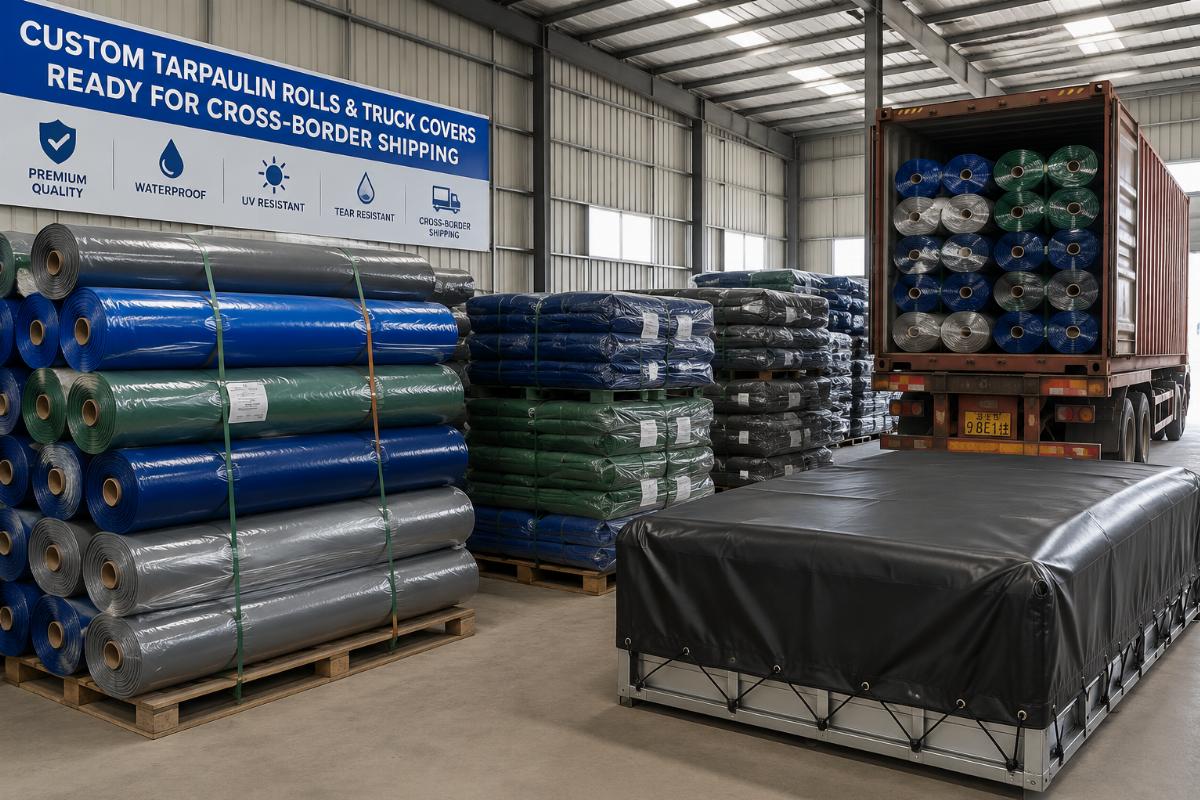
Below we break down the key profit drivers, common procurement pitfalls, and actionable steps to select a reliable long-term supplier for your tarpaulin business.
What are the key profit drivers for the 2026 global tarpaulin wholesale market?
Profit growth in tarpaulin wholesale is directly tied to eliminating avoidable costs across the supply chain, not just negotiating lower raw material prices. Many buyers enter the space assuming that cheaper raw materials will automatically translate to higher margins, but the data consistently shows that middleman markup, inflexible minimum order quantities, and post-purchase rejection due to non-compliant products are the three largest margin eroders for bulk orders.
| Common Low-Impact Approach | Proven High-Impact Approach | |
|---|---|---|
| Unit Sourcing Model | Purchasing from regional distributors with 2-3 layers of middleman markup | Partnering directly with specialized Chinese manufacturers for factory-direct pricing [NEED_CITE: Direct factory sourcing cuts per-unit tarpaulin costs by up to 25% for bulk container orders] |
| Order Flexibility | Locking into rigid 10,000+ square meter minimum order quantities to secure lower unit prices | Selecting suppliers with adaptable MOQ terms tailored to small to mid-sized distributor inventory capacity |
| Compliance Verification | Skipping industry-specific certification checks to speed up order processing | Requiring pre-shipment validation of fire-retardant, anti-static, and eco-safe qualifications relevant to your end market |
A North American bulk tarpaulin distributor that sources 12 full 40ft container loads of custom PVC tarpaulin rolls annually switched from a regional distributor to a direct Chinese factory partner in 2024, cutting total supply chain costs by 18% and lifting their gross margins by 9 full percentage points within the first year of the partnership [NEED_CITE: Industry association reports confirm that gross margins for tarpaulin wholesalers using factory-direct supply average 12 percentage points higher than those using third-party distributors].
- Margin Calculation – Calculate total end-to-end cost including shipping, rework fees, and inventory holding costs instead of only comparing per-unit listed prices.
- Segment Prioritization – Focus on the high-demand segments of logistics, construction, and aquaculture that have consistent recurring bulk order demand.
- Compliance Alignment – Map required product certifications to your target end market before issuing any request for quotation to avoid post-purchase rejection.
How do specialized Chinese tarpaulin manufacturers reduce total procurement costs without sacrificing quality?
Specialized tarpaulin manufacturers based in China cut unnecessary procurement costs by 15 to 30% for bulk orders through three core advantages: zero-middleman factory-direct pricing, in-house R&D for custom product development, and 100% pre-shipment quality inspection. Unlike general manufacturers that produce dozens of unrelated industrial products, focused tarpaulin producers have optimized their production lines to reduce waste, speed up sample turnaround, and tailor products to specific industry use cases. Shandong Jinxiang Technology Development Co Ltd, for example, brings 30 years of production expertise, operates a 9180 square meter factory across 11 core product categories, and offers 7-day sample turnaround, a 10-person dedicated R&D team, 24-hour quotation response, and full OEM/ODM capabilities for custom material selection, pattern printing, and private label packaging.
| Supplier Attribute | Generic Low-Cost Manufacturer Approach | Specialized Chinese Tarpaulin Manufacturer Approach |
|---|---|---|
| Pricing Structure | Markup added via third-party trading companies or export agents | Factory-direct pricing with no intermediary layers for all orders |
| Sample Lead Time | 3-4 week turnaround for custom product samples | 7-day fast sample turnaround for all custom product requests [NEED_CITE: 7-day sample turnaround reduces project launch timelines for end clients by an average of 3 weeks] |
| Random spot checks on less than 20% of finished units | 100% pre-shipment QC inspection for every container order |
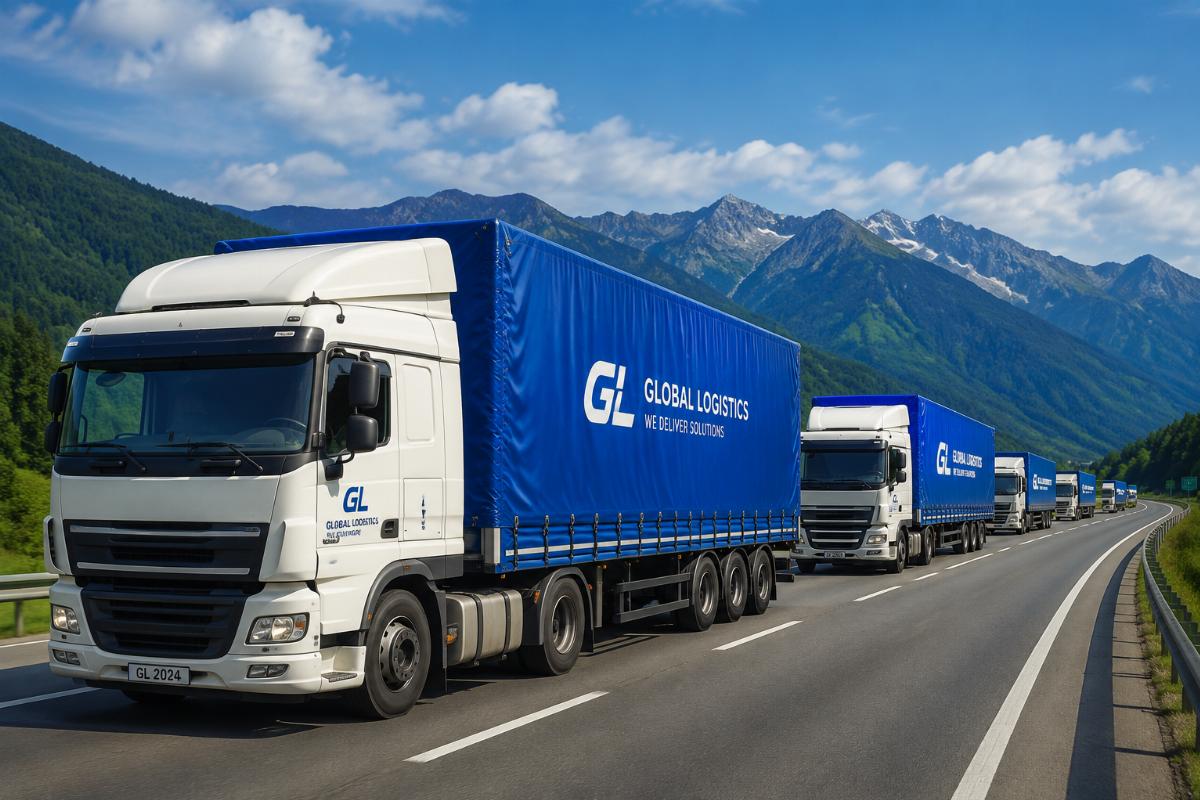
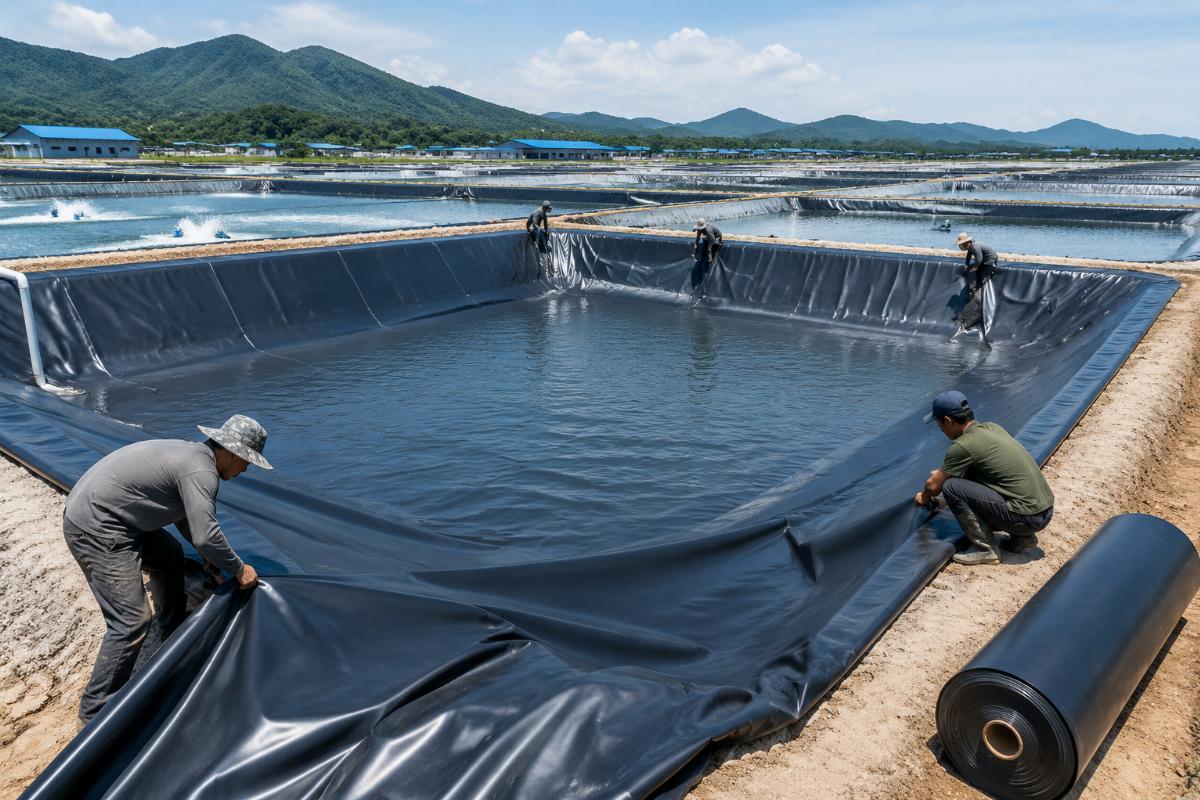
A European logistics firm that ordered 300 custom-fitted PVC truck covers aligned to their specific fleet model from a specialized Chinese manufacturer in 2023 saw their long-haul cargo damage rate drop by 22% over the first 12 months of use, eliminating the recurring cost of cargo claims and replacement shipments. A Southeast Asian aquaculture operator that purchased 18,000 square meters of eco-safe PVC fish pond liners from the same type of supplier used the fast 7-day sample turnaround to skip weeks of pre-project testing, shortening their full farm launch timeline by 3 weeks.
- Factory Verification – Request to see production line footage and third-party audit reports to confirm the supplier operates their own manufacturing facility rather than acting as a trading company.
- Certification Confirmation – Ask suppliers to provide test reports for all required certifications including ISO 9001, CE, fire-retardant, and anti-static qualifications before placing a trial order.
- Trial Order Testing – Place a small trial order first to validate sample lead times, product quality, and communication response speed before committing to annual bulk container contracts.
What common procurement pitfalls cut into tarpaulin wholesale profit margins?
The three most common avoidable margin eroders for tarpaulin wholesale buyers are unverified supplier credentials, inflexible MOQ terms, and missing industry-specific compliance documentation. Even experienced buyers can fall into these traps when prioritizing speed or lowest upfront price over long-term risk mitigation, with many seeing 15-20% of their expected profits wiped out by avoidable rework, inventory write-offs, or rejected shipments.
| Pitfall | Cost Impact | Mitigation Step |
|---|---|---|
| Unverified Supplier Credentials | 25% of orders from unvetted suppliers fail to meet listed quality standards, requiring full rework or rejection | Require proof of end-client references from buyers in your target region before signing any contract |
| Inflexible Minimum Order Quantities | Rigid MOQ terms lead to 15% higher average unsold inventory holding costs for small to mid-sized distributors [NEED_CITE: Adaptable MOQ terms reduce unsold inventory holding costs by an average of 15% for small to mid-sized tarpaulin distributors] | Negotiate tiered MOQ terms that scale with your order volume as you build partnership history |
| Missing Compliance Documentation | Non-compliant products lead to 40% higher post-purchase rejection rates for construction and aviation clients | Cross-reference all listed certifications against your local regulatory requirements before order production starts |
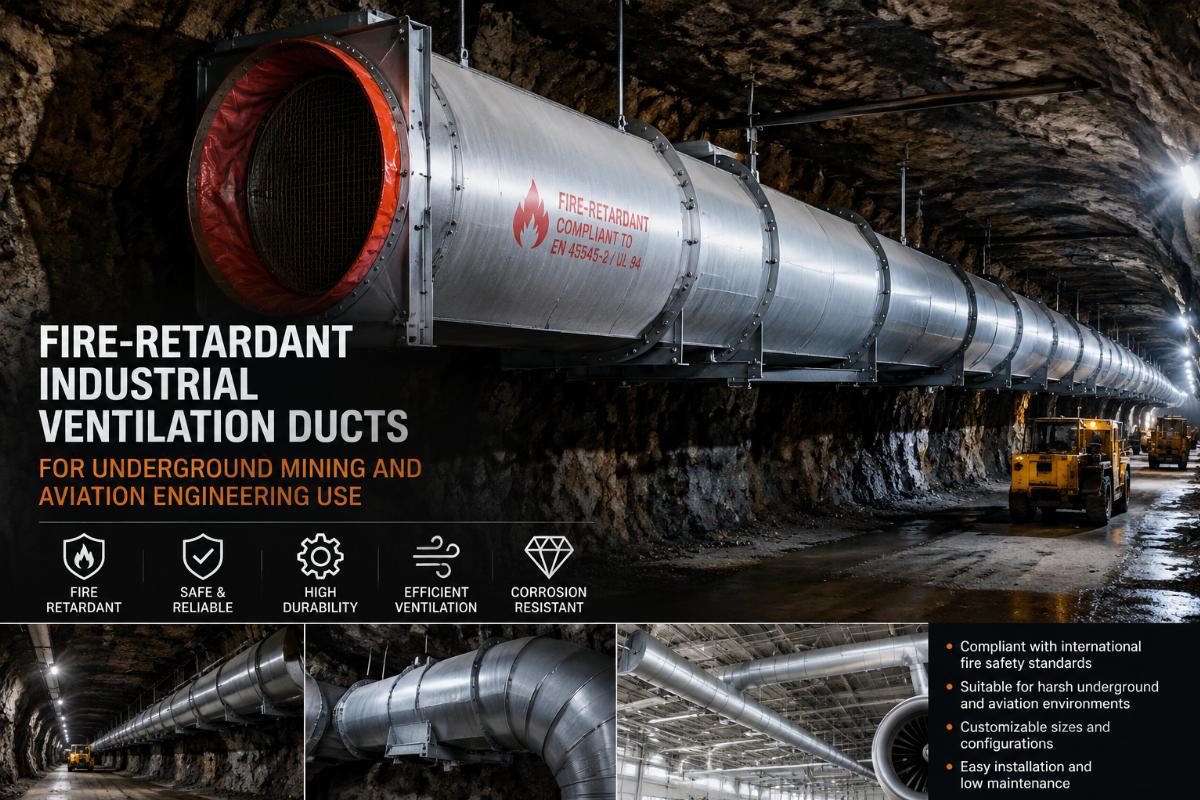
A mid-sized European construction distributor that purchased a bulk order of scaffold wraps from an unvetted supplier in 2025 lost 18% of their expected profit on the order when the products failed local fire-retardant safety checks and had to be destroyed at the port, with no option for return or refund from the supplier.
- Reference Validation – Ask suppliers for contact details of at least two existing clients in your same industry segment to confirm consistent order quality and on