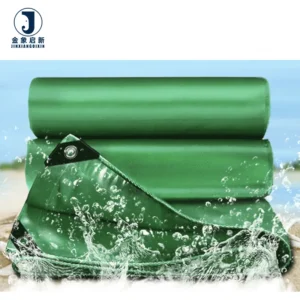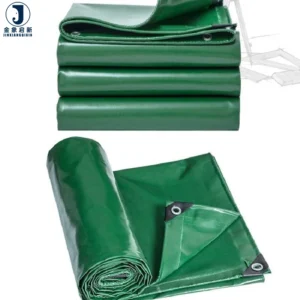
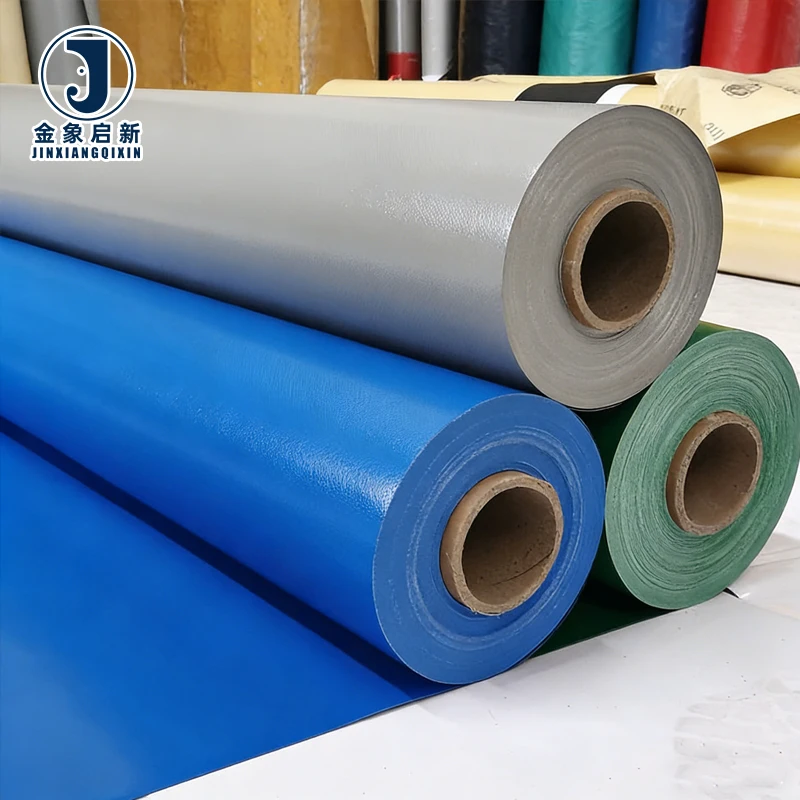
Precision coating control — every roll of 610gsm 650gsm 800gsm PVC coated tarpaulin fabric is manufactured on dedicated lines with coating weight held to specification through continuous process monitoring and 100% pre-shipment inspection.
Technical Specifications
| Parameter | Value |
|---|---|
| Product Type | PVC Coated Tarpaulin Roll |
| Weight Options | 510gsm / 610gsm / 650gsm / 680gsm / 800gsm |
| Base Material | PVC Coated Polyester Fabric |
| Water Resistance | Fully water resistant coated construction |
| Flame Retardant | Available — confirm the grade required for your market (grade not stated) |
| UV Treatment | Available — confirm the treatment level required for your exposure conditions (test basis not stated) |
| Weave Pattern | Ripstop Woven |
| Surface Finish | Available in glossy or matte finish |
| Color Options | Blue and custom colors available |
| Roll Format | Supplied in roll form |
Application Suitability
| Application | Exposure & Requirement |
|---|---|
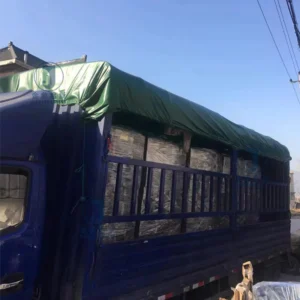
| Truck side curtains and covers | Constant flexing at load points, road debris abrasion, continuous UV exposure, wind-driven rain |
| Tent and awning structures | Prolonged weathering, tension loading at frame contact points, repeated folding and deployment |
| Outdoor protective covers | Static load bearing, sun degradation, pooling water resistance, mildew formation risk |
| Inflatable products and membrane structures | Air pressure retention, seam weld integrity under cyclic loading, coating adhesion under stretch |
| Industrial tarpaulin applications | Mechanical contact, chemical splash exposure, heavy handling and drag abrasion |
Why GSM and Coating Weight Together Determine Actual PVC Coated Tarpaulin Fabric Strength
A 650gsm sheet with poor adhesion between base fabric and coating will delaminate before a properly bonded 610gsm sheet tears.
Technical buyers frequently specify PVC coated tarpaulin rolls by GSM alone, only to discover the material underperforms in tensile and tear tests on arrival. The reason is that coating weight and base fabric denier each contribute differently to the final performance envelope. A high GSM achieved through excessive filler in the PVC compound adds mass without proportional strength gain, while a leaner coating on a high-denier ripstop woven base can deliver superior tear propagation resistance. Understanding this relationship is essential when evaluating PVC coated tarpaulin fabric gsm coating weight tensile strength data sheets [NEED_CITE: tensile and tear test methods for coated fabrics per ISO 1421].
How the Base Fabric Weave Governs Tear Propagation
The ripstop woven polyester base used across the 510gsm through 800gsm range incorporates reinforced threads at regular intervals within the weave grid. When a puncture or cut occurs in the field, these heavier yarns arrest tear propagation before it spreads across the panel. For truck side curtains that experience repeated flexing and road debris impact, this weave structure prevents small damage from escalating into full-panel failure during transit.
Coating Adhesion and Its Effect on Weld Performance
The bond between the PVC coating and the polyester base determines whether a heat-welded seam holds under load or peels apart at the interface. When coating adhesion is strong, the weld zone fails at the fabric itself rather than at the bond line, which is the desired failure mode for structural joints in tent frames and inflatable products. Consistent coating adhesion across the roll surface is critical — a variation in bonding strength along the weld line creates a weak point that concentrates stress [NEED_CITE: peel strength testing for coated fabric laminates].
Reading GSM in Context with Base Fabric Denier
The GSM figure on a material specification sheet represents the combined weight of base fabric and coating per square metre. Two PVC coated tarpaulin fabrics can share the same GSM yet perform very differently: one may use a heavier base fabric with a thinner coating, yielding higher tensile strength; the other may rely on a thick, filler-loaded coating on a lighter base, adding bulk without proportional strength. For applications demanding high tear resistance — such as awning panels under wind load or truck covers subject to tie-down tension — the base fabric denier and weave density matter as much as the headline GSM figure. Selecting between 610gsm, 650gsm, and 800gsm grades should therefore be based on the specific balance of tensile, tear, and flex endurance required by the end use.
What Happens When Specification Does Not Match the Application
A PVC coated tarpaulin selected primarily on lowest GSM for a truck cover application may show acceptable initial waterproofing but fail prematurely at flex points where the coating cracks and separates from the base fabric. Similarly, a tent fabric specified without confirmed flame retardant grade for a market that requires documented fire classification will fail site inspection, forcing costly replacement mid-project. Batch-to-batch color inconsistency across rolls in a single order becomes visible once panels are installed side by side on a large awning or membrane structure, triggering rework and reputational damage [NEED_CITE: common field failure modes for coated fabric structures].
Why Fabricators and Technical Buyers Source This Range Here
Three full production lines and 36 sets of professional equipment support bulk roll output with consistent coating weight control across long production runs. A 10-person R&D team handles material selection, sample development, and custom color matching before production begins. Every roll undergoes 100% pre-shipment inspection with documented GSM verification, so the weight stated on the material specification sheet is the weight that arrives at the receiving dock. ISO and CE certified production processes underpin the quality documentation that accompanies each dispatch. Custom widths, colors, and surface finishes are available with samples developed within days to confirm specification before committing to volume orders.
Documentation & Verification
- Material specification sheet per roll stating GSM, base fabric denier, coating method, and color reference
- UV and flame retardant test reports supplied where applicable to the specified grade
- Pre-shipment inspection record documenting GSM and visual check results before dispatch
- ISO and CE certificates included for compliance and market entry requirements
- Roll packing list with net weight, gross weight, and roll identification for incoming goods reconciliation
- Certificate of origin and customs documentation provided for cross-border shipment
Fabrication, Handling & Storage
- Heat weld parameters should be adjusted per GSM grade — heavier 800gsm rolls require higher dwell time than 510gsm stock
- Store PVC coated tarpaulin rolls upright on end cores to prevent flat-spot creasing through the coating layers
- Avoid dragging rolls across unsealed floors to protect the glossy or matte surface finish from scoring
- Cut panels with allowance for thermal expansion in outdoor membrane structures using ripstop woven base grades
- Clean finished products with mild detergent only — solvent-based cleaners can soften the PVC coating surface
- Reinforce tie-down and eyelet zones with additional fabric patches to distribute load across the ripstop weave
Specifying Your PVC Coated Tarpaulin Roll Requirement
When requesting a quotation, include the end-use application, expected exposure conditions, and the target market so the appropriate flame retardant and UV treatment grades can be confirmed. Specify preferred GSM grade, roll width, color requirement, and whether glossy or matte finish is needed. Indicate annual volume and whether you require roll stock only or fabricated panels to finished dimensions. Sample rolls are available for incoming inspection and weld testing before production commitment.
Frequently Asked Questions
Q: How is GSM verified and what documentation accompanies each PVC coated tarpaulin roll for incoming inspection?
A: Each roll ships with a material specification sheet stating exact GSM, base fabric denier, coating method, and color reference. A 100% pre-shipment inspection record is included with the dispatch, documenting the measured weight per square metre so your receiving team can cross-check against the stated value without waiting for third-party lab results.
Q: What is the relationship between GSM, base fabric denier, and tensile or tear strength in PVC coated tarpaulin?
A: GSM represents the combined weight of base fabric and coating. A higher GSM does not automatically mean higher strength — a heavy coating with filler on a light base adds mass without proportional tensile gain. The ripstop woven polyester base distributes load through reinforced yarns, so base denier and weave density are equally important when evaluating PVC coated tarpaulin fabric gsm coating weight tensile strength performance.
Q: How are flame retardant grades specified and which test standards apply to different export markets?
A: Flame retardant treatment is available across the PVC coated tarpaulin roll range, but the required grade depends on your market and end-use regulation. Specify the test standard applicable to your project — such as DIN 4102, NFPA 701, or local building codes — and the appropriate grade will be confirmed with supporting test documentation before production.
Q: How is batch-to-batch color consistency controlled across multiple rolls in a single order?
A: Color is matched against a confirmed reference sample before each production run. Rolls within the same order are produced in a single batch where possible, and 100% pre-shipment inspection includes visual color comparison to flag any variation before dispatch. This prevents visible differences when panels from different rolls are installed side by side.
Q: How does the ripstop woven base fabric affect heat weld seam performance?
A: The ripstop weave incorporates heavier reinforcement threads at intervals, which help arrest tear propagation near weld zones. When coating adhesion is properly controlled, the heat-welded seam achieves strength comparable to the base fabric itself, reducing the risk of seam failure at flex points where truck covers and tent panels experience repeated loading.