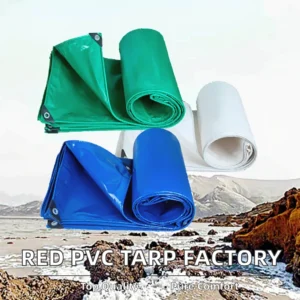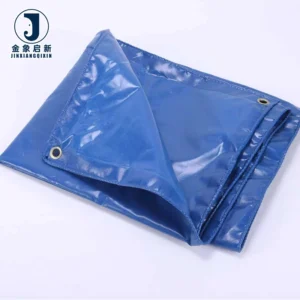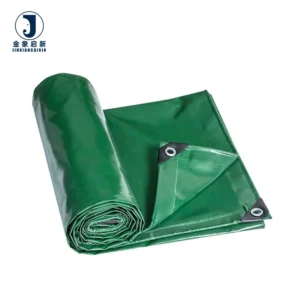
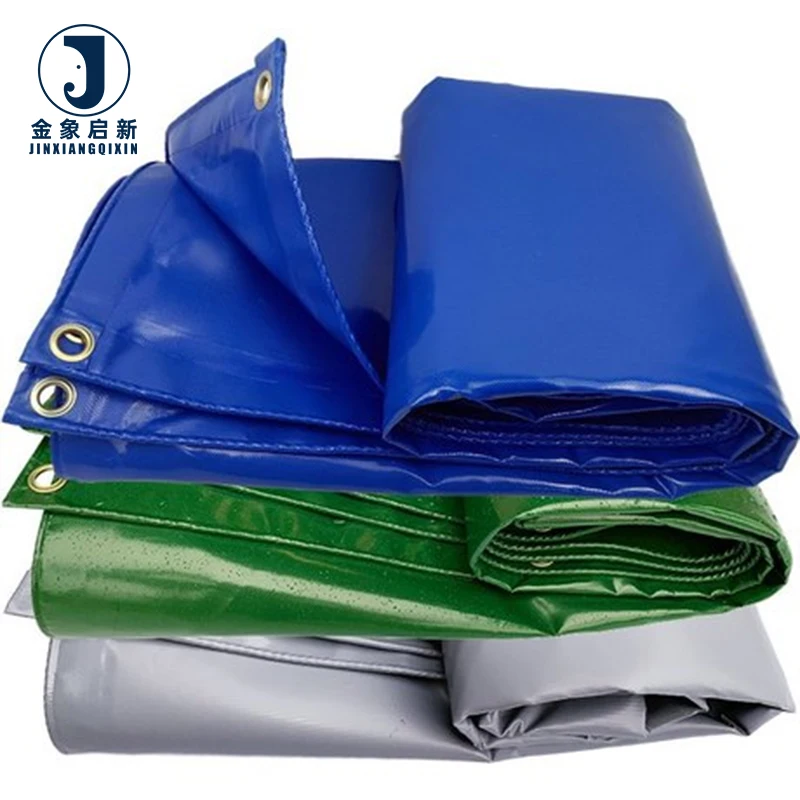
Deep process control over coating weight and adhesion — our 500D-500D polyester base fabric receives double-sided PVC coating under controlled knife-coating parameters, ensuring the GSM stated on your specification sheet matches what arrives at your fabrication floor.
Technical Specifications
| Parameter | Value |
|---|---|
| Product Type | PVC Coated Tarpaulin |
| Yarn Count | 500D-500D |
| Base Fabric | Polyester base fabric with double-sided PVC coating |
| Surface Finish | Smooth, leather-like texture |
| Flame Retardant | Available in flame retardant grades — confirm the grade required for your market |
| UV Treatment | Anti-UV treatment available — request accelerated weathering test report |
| Waterproof Performance | Fully waterproof coated construction |
| Key Features | Water resistant, flame retardant options, anti-UV options, hot air weldable |
Application Suitability
| Application | Exposure & Requirement |
|---|---|
| Truck and trailer side curtains | Constant flexing at load points, road abrasion, prolonged UV exposure, wind-driven rain ingress |
| Awning and tent fabrication | Tensile load under wind uplift, repeated deployment and stowage, colour consistency across panels |
| Machine and equipment covers | Long-term outdoor weathering, contact with lubricants or coolant splash, thermal cycling |
| Inflatable and membrane structures | Biaxial tension under internal pressure, seam integrity under cyclic loading, fire compliance for enclosed spaces |
Why "Flame Retardant" on a Data Sheet Is Not Enough for a PVC Coated Tarpaulin Base Fabric Denier Coating Technology Specifier
A flame retardant claim without a named test standard leaves your finished product open to rejection at the compliance stage.
Technical buyers sourcing PVC coated tarpaulin base fabric denier coating technology for end-use markets with fire codes — whether European M2/B1 classifications, North American NFPA 701, or building material directives — need the exact test method on the certificate, not a single-word assertion on a quotation. [NEED_CITE: fire classification standards for flexible coated textiles in building and transport applications]
I have seen fabricators approve a roll based on the word "retardant" in the supplier’s brochure, only to discover at site inspection that the test was conducted to a standard the local authority does not recognise. The re-fabrication cost, the missed installation window and the reputational damage all trace back to one missing line on the material specification sheet.
How the 500D-500D Polyester Base Determines Tensile and Tear Behaviour Before Coating
The 500D-500D yarn count describes the linear mass of the warp and weft polyester yarns before any PVC is applied. This denier directly governs how much tensile load the woven grid can carry and how far a tear will propagate once initiated. When you evaluate PVC coated tarpaulin base fabric denier coating technology, the base fabric is the structural skeleton; the coating seals and protects but cannot compensate for an under-specification in denier. A higher denier base will absorb more energy at tear initiation, which matters in side curtain applications where the fabric flexes hundreds of times per journey.
Coating Method and Its Effect on Peel Strength and Weldability
Knife coating deposits a measured layer of PVC plastisol onto each side of the moving base fabric, then passes it through a multi-zone curing oven. This controlled deposition produces a consistent coating weight and forces the PVC into the interstices of the weave, creating mechanical lock rather than surface adhesion alone. The result is a PVC coated fabric that resists delamination at the weld line when hot air fabrication is used. [NEED_CITE: coating adhesion test methods for PVC on polyester per ISO 1421] The double-sided application also means both faces carry equal protection, so the installed orientation does not affect weathering performance.
Reading the Specification Sheet: Denier, Coating Weight and Their Combined Role in Field Performance
The 500D-500D denier sets the baseline tensile strength, but the final tear resistance emerges from how the PVC coating locks the yarns in place and distributes load across adjacent fibres. Coating weight contributes to overall GSM, yet a heavier coating on a low-denier base may simply add stiffness without proportional strength gain. For awning fabricators who need the material to drape and retract, the balance between denier and coating thickness determines both handling and longevity. The smooth leather-like surface of this PVC coated fabric also affects how dirt accumulates and how effectively rainfall cleans the installed panel, which influences long-term colour retention in visible architectural applications. Anti-UV treatment is available for these exposure conditions — request the accelerated weathering test report to match your expected service environment.
What Happens When the Weld Fails Before the Fabric Does
A recurring pain point among PVC coated fabric fabricators is seam failure at the point where the finished product flexes most — typically the tie-down zone on a truck curtain or the corner radius of an inflatable structure. The root cause is often a mismatch between hot air temperature, dwell time and the specific PVC formulation on the roll. When welding parameters are set for a generic PVC rather than the actual coating chemistry received, the seam achieves only partial fusion and peels apart under cyclic load while the field fabric remains intact. [NEED_CITE: hot air welding parameters and peel strength correlation for PVC coated polyester] The cost of a failed weld is not just the replacement material; it includes the labour to strip and re-fabricate, the logistics of returning the defective unit and the delay to the end customer’s project schedule.
Why Fabricators Source This PVC Coated Fabric Here
Three full production lines and 36 sets of professional equipment allow us to run the 500D-500D base fabric with double-sided PVC coating at volume while maintaining roll-to-roll consistency — every roll from the same production batch carries the same coating weight and colour reference.
Our 10-person R&D team handles material selection and sample development, so if your awning or side curtain application demands a specific flame retardant grade or a custom colour match, samples are developed within days rather than weeks.
Dedicated QA/QC operates at every production stage, with 100% pre-shipment inspection verifying GSM, coating adhesion and surface quality against your purchase specification before any roll is packed.
Nearly 30 years of focused production on coated fabric has produced deep process control over coating weight, adhesion and curing profiles — knowledge that directly reduces the risk of delamination or weld-line failure in your finished product.
ISO and CE certification is maintained and documentation is provided with every shipment, supporting customs clearance and compliance audits in your destination market.
Documentation & Verification
- Material specification sheet stating GSM, 500D-500D base denier, PVC coating type and colour reference for each roll
- Independent test report for UV resistance or flame retardant grade matching your market compliance standard
- Pre-shipment inspection record confirming coating adhesion and surface quality before dispatch
- ISO and CE certificates included with shipment for customs and compliance verification
- Certificate of origin and customs support documentation for international freight clearance
Fabrication, Handling & Storage
- Hot air welding on this double-sided PVC coated polyester requires temperature and dwell time calibration to the specific coating formulation received
- Store rolls upright on a flat surface to prevent permanent creasing in the leather-like PVC surface layer
- Avoid dragging the 500D-500D base fabric across unprotected concrete floors during cutting to prevent coating abrasion
- Clean the smooth PVC surface with neutral pH detergent only — solvents may soften the plasticiser in the coating
- For field repair, hot air welding patch material from the same production batch ensures colour and adhesion match
Specify the Right PVC Coated Fabric for Your Application
Before requesting a quotation, prepare the following details so we can recommend the correct coating weight, treatment package and roll width for your production line. Share your end-use application and the specific environmental exposures — continuous UV, chemical splash, fire code jurisdiction — along with your required roll width and annual volume. If your project demands colour matching across multiple production runs or finished panels, let us know at inquiry stage so we can plan dye lots accordingly. Confirm whether you need raw roll stock for in-house fabrication or whether you require pre-cut panels with specific edge finishing.
Frequently Asked Questions
Q: How is the flame retardant grade verified and which test standard applies to my market?
A: Flame retardant treatment is available in multiple grades, but the correct standard depends on your end-use market — M2 in France, B1 in Germany, NFPA 701 in North America. Request the specific test report matching your jurisdiction at inquiry stage, and we will supply the independent lab certificate with the corresponding grade before production is confirmed.
Q: What test basis supports the anti-UV claim for this PVC coated fabric?
A: Anti-UV treatment is available as a coating additive option. We supply an accelerated weathering test report that documents exposure hours and retained tensile percentage. Request this report when you specify UV treatment so you can correlate the data to your expected outdoor service conditions.
Q: How does this PVC coated polyester compare to PE woven tarpaulin in mechanical performance?
A: PVC coated polyester with a 500D-500D base delivers substantially higher tear resistance and abrasion tolerance than PE woven fabrics of comparable weight. The coating locks the yarn grid in place, distributing tear load across adjacent fibres rather than allowing a single yarn failure to propagate.
Q: Can the stated GSM and base fabric denier be independently verified when the rolls arrive?
A: Yes. Every roll is accompanied by a material specification sheet stating exact GSM, base fabric denier and coating weight. You may conduct destructive or non-destructive GSM sampling on arrival, and our pre-shipment inspection record provides a baseline for comparison.
Q: What hot air welding parameters are recommended for seam fabrication on this material?
A: Optimal temperature, speed and pressure depend on the specific PVC formulation and coating weight of your roll batch. We recommend running a test weld on a sample offcut from your delivered rolls and performing a peel test to confirm seam strength before full production begins.