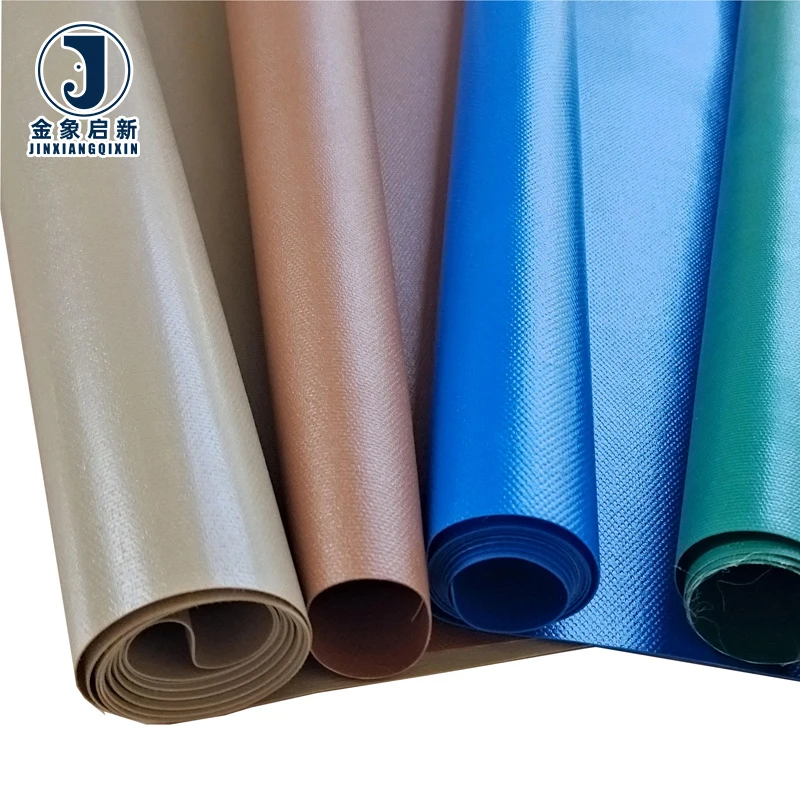
Precision-Coated Fabric — nearly three decades of coating process control deliver verified 500 gsm weight, high-frequency welded seams and low-temperature flexibility confirmed at -30°C, so technical buyers can specify with confidence.
Technical Specifications
| Parameter | Value |
|---|---|
| Product Type | PVC Coated Tarpaulin Roll |
| Material | PVC coated polyester fabric |
| Base Fabric | 1000D |
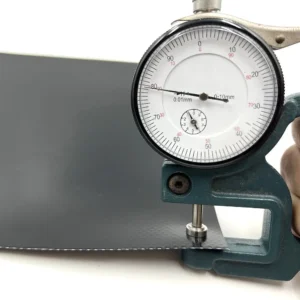
| Weight | 500 gsm |
| Coating Method | High-frequency heat combined |
| Waterproof Rating | Anti-permeable ≥20 KPa |
| Flame Retardant | ≤10 seconds (grade not stated in source) |
| Low-Temperature Flexibility | -30°C (no fracture by pliers) |
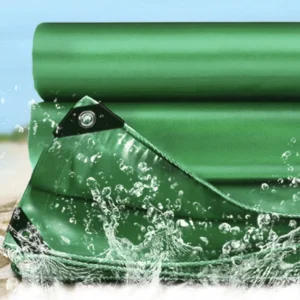
| Surface Treatment | Anti-UV, anti-corrosion (acid, alkali, brine), mildew proof |
| Water Absorption | Almost none, quick drying |
Application Suitability
| Application | Exposure & Requirement |
|---|---|
| Truck and trailer covers | Constant load flexing, road debris abrasion, UV exposure, weather resistance |
| Boat and shipping covers | Permanent water contact, salt spray, wind-driven moisture |
| Roof covers | Static UV exposure, wind load, thermal expansion and contraction |
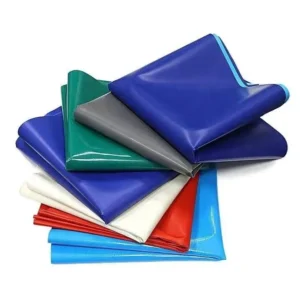
| Tent and awning fabric | Tensile load from frame, UV and rain, batch colour consistency for side-by-side panels |
| Carport and outdoor tarp | Variable weather, UV degradation, long-term outdoor storage |
What "Flame Retardant" Means Without a Grade Behind It
A 500 gsm PVC coated tarpaulin roll listed as flame retardant ≤10 seconds tells you the sample self-extinguished in a lab test, but it does not tell you which standard was applied — M2, B1 per DIN 4102, NFPA 701 or another market-specific classification.
Always request the test report citing the specific standard before you write the grade into a project specification.
Technical buyers in aviation hangars, mining ventilation or public assembly structures face rejection at handover if the installed fabric does not carry the fire classification the site requires [NEED_CITE: DIN 4102 fire classification for building materials]. A material that passes one test protocol may fail another, and a quotation that simply states "flame retardant" without documentation shifts the compliance risk to the buyer.
Coating Method and Seam Integrity
This PVC coated tarpaulin uses a high-frequency heat-combined coating process, which bonds the PVC layers to the 1000D polyester base under thermal and electrical pressure. The result is a continuous interface between coating and substrate rather than an adhesive bond, which matters directly when fabricators cut and weld panels into truck covers or awning structures. High-frequency welding at the seam produces a joint that fuses the coating layers together, so the weld line carries load through the same material matrix as the body of the fabric.
Low-Temperature Flexibility and Cold-Climate Handling
The low-temperature flexibility confirmed at -30°C without fracture by pliers indicates that the PVC formulation retains plasticiser function well below freezing. For transport covers operating in northern logistics routes or winter construction site protection, this threshold determines whether the fabric cracks when folded or tensioned in cold weather. Fabrics that stiffen and fracture below their rated temperature develop micro-cracks at fold lines, which then propagate under load [NEED_CITE: low-temperature flexibility test methods for coated fabrics].
How Denier, GSM and Coating Method Work Together
The 500 gsm weight of this PVC coated tarpaulin reflects the combined mass of the 1000D polyester base and the PVC coating applied on both sides. Base fabric denier determines the tensile and tear strength of the woven substrate — a higher denier yarn provides greater resistance to tear propagation once a puncture occurs. GSM alone does not tell you how much of that weight is base fabric versus coating; two rolls at the same GSM can have different tensile profiles if one uses a lighter base with thicker coating and the other reverses that ratio [NEED_CITE: tensile and tear test methods for coated fabrics per ISO 1421]. The high-frequency heat-combined coating method supports strong coating-to-substrate adhesion, which matters when the fabric is flexed under load, because poor adhesion causes the coating to delaminate from the base at stress points before the base fabric itself fails.
The Hidden Cost of Undocumented Specifications
A roll that arrives lighter than the quoted 500 gsm means either the base fabric is thinner or the coating weight was reduced, and both affect performance differently. A lighter base reduces tear strength; a thinner coating reduces waterproof integrity and abrasion life. Flame retardant claims without a cited standard leave the buyer exposed at site inspection. Batch colour variation between rolls in one order becomes visible the moment panels are installed side by side on an awning or structure, forcing rework or panel rejection. Welded seams that fail before the fabric does typically trace back to incorrect welding parameters for the coating formulation used [NEED_CITE: welding parameter calibration for PVC coated fabrics].
Why Source This PVC Coated Tarpaulin From Jinan Jinxiang
Three full production lines and 36 sets of professional equipment support bulk roll output with consistent coating weight across batches. A 10-person R&D team handles custom formulation requests, sample development and pattern printing alignment. Every roll passes dedicated QA/QC at each production stage, with 100% inspection before dispatch — not a spot-check on a sample from the batch. ISO and CE certified processes underpin the documentation chain from specification sheet through pre-shipment inspection record to certificate of origin.
Documentation & Verification
- Material specification sheet stating GSM, 1000D base fabric denier and coating method for each order
- Flame retardant test report with applicable standard cited — confirm grade before specifying
- Pre-shipment inspection record covering roll-to-roll GSM consistency and surface quality
- Anti-UV treatment documentation stating test basis and exposure duration
- ISO and CE certificates available for compliance and import documentation
- Roll packing list and certificate of origin included for customs clearance
Fabrication, Handling & Storage
- High-frequency welding recommended over sewing to maintain waterproof integrity across 500 gsm panels
- Store rolls horizontally on pallets to prevent edge crushing and coating deformation at the core
- Unroll and allow fabric to relax before cutting to release tension from winding at this GSM
- Clean with mild detergent only; avoid solvents that attack the PVC coating surface treatment
- Allow extra material at seams for weld overlap when cutting truck covers from 500 gsm roll stock
Specifying Your Roll Order
To get an accurate specification match, provide the end-use application, the environmental exposure conditions your fabric will face, and whether flame retardant or anti-static certification is required by the site. Include the roll width and annual volume you need, and state whether you require raw roll stock or finished panels cut to size.
Frequently Asked Questions
Q: How is the 500 gsm weight verified before shipment?
A: Each roll is weighed and measured during pre-shipment inspection, and the GSM is calculated against the roll dimensions. The inspection record documents the actual weight per square metre so you can cross-check on arrival. If your project requires third-party verification, request it at the quotation stage.
Q: Can you supply a flame retardant test report with the standard cited?
A: The product data states flame retardant ≤10 seconds, but the specific standard is not listed in the source material. Request the test report at inquiry stage, confirming the grade your market requires — whether M2, B1, NFPA 701 or another classification — so the correct formulation is produced.
Q: Is batch colour consistency guaranteed across multiple rolls?
A: Pre-shipment inspection covers colour uniformity across rolls in the same order. For awning and structure installations where panels sit side by side, state your colour tolerance requirement when ordering. Custom colour matching samples are developed within days for approval before bulk production.
Q: How does high-frequency welding compare to sewing for seam durability?
A: High-frequency welding fuses the PVC coating layers at the seam, creating a waterproof joint that flexes with the fabric. Sewing punctures the coating and creates needle holes that allow water ingress. For truck covers and transport applications exposed to weather, welded seams outperform stitched joints at load flex points.