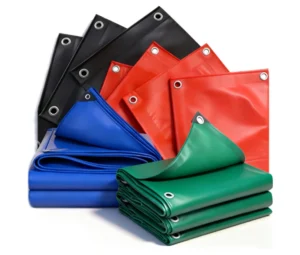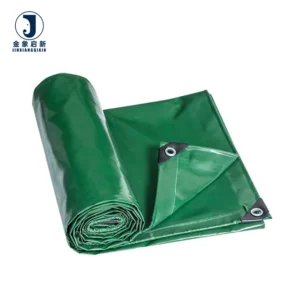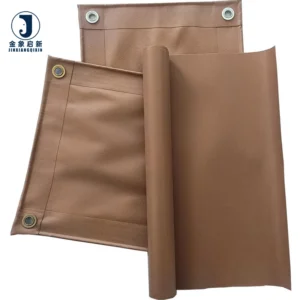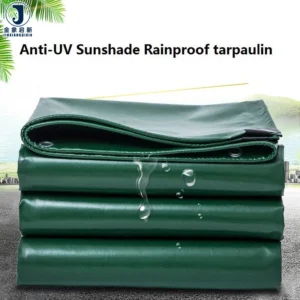
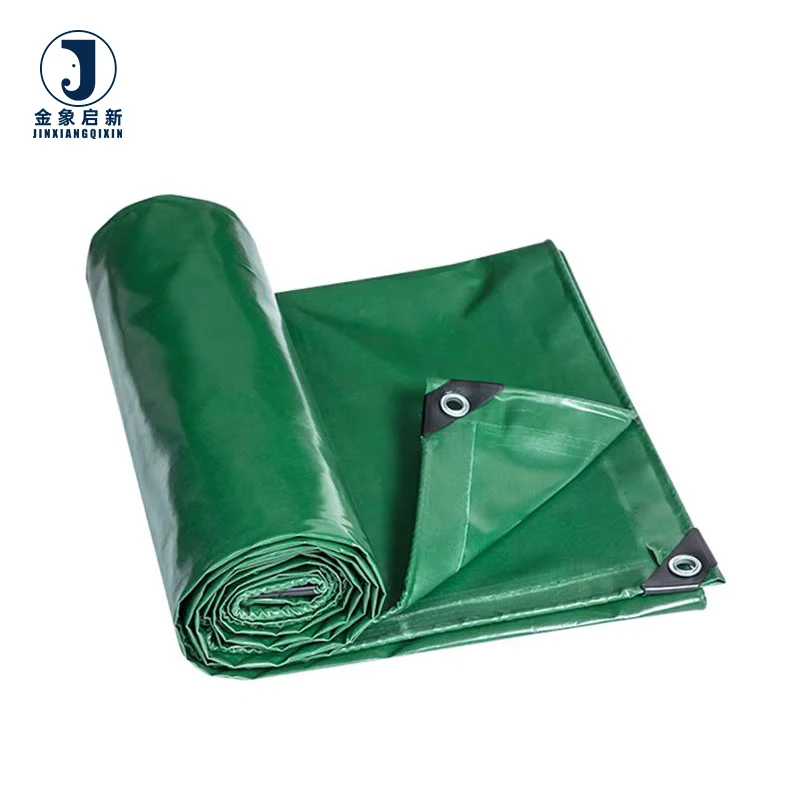
Verified Coating Weight — every roll of 420 gsm knife coated PVC tarpaulin ships with a material specification sheet detailing base fabric construction and coating adhesion data for independent verification.
Technical Specifications
| Parameter | Value |
|---|---|
| Product Type | PVC Coated Fabric |
| Weight | 420 gsm |
| Base Fabric | Woven Fabric |
| Coating Method | Knife Coated |
| Coating Material | PVC |
| Key Features | Waterproof, Tear-Resistant |
| Finish | Banner Coated |
| UV Treatment | Anti-UV coated (test basis not stated in source) |
| Color Option | Black Back (one variant) |
| Custom Size | Available |
Application Suitability
| Application | Exposure & Requirement |
|---|---|
| Truck cover fabric | Constant road vibration, flexing at load points, weather and UV exposure, abrasion from tie-down straps |
| Outdoor tent and awning | Prolonged sun exposure, wind loading, rain ingress, repeated folding and unfolding |
| Industrial equipment cover | Dust, moisture, chemical splash, mechanical impact during storage or transport |
| Car cover | UV degradation, water pooling, surface abrasion from wind-blown debris |
| Outdoor structure cover | Permanent weather exposure, thermal cycling, wind uplift forces on seams |
Why Coating Weight Separation Matters More Than Total GSM for PVC Knife Coated Tarpaulin
A 420 gsm total weight tells you nothing about how much of that mass is PVC coating versus base yarn.
Technical buyers often specify PVC knife coated tarpaulin by total GSM alone, assuming a heavier roll means a stronger fabric. In practice, two rolls both labelled 420 gsm can have vastly different coating-to-fabric ratios. One might carry a thick coating over a sparse base weave, resulting in poor tear propagation resistance. The other might use a denser woven base with a thinner coating, delivering better structural integrity but less surface protection. Without a documented breakdown, the specification is incomplete and the receiving inspection cannot confirm what was actually ordered. [NEED_CITE: tensile and tear test methods for coated fabrics per ISO 1421]
Knife Coating Process and Adhesion Control
The knife coated construction used for this PVC coated fabric allows precise control over coating weight applied to each side of the woven base. Unlike dip or spray methods, a doctor blade meters the PVC paste to a set thickness before curing, producing a uniform film that bonds mechanically and chemically to the yarn. This matters directly for weld performance: when fabricators heat-weld overlapping panels, consistent coating thickness prevents localized burn-through or incomplete fusion at the seam.
Base Fabric Density and Tear Behaviour
The woven base fabric under the PVC coating determines how the material responds once a puncture or cut initiates. A tighter weave restricts tear propagation because individual yarns share the load across multiple intersections. For truck covers and outdoor tents where flexing and wind loading are constant, this base construction is what prevents a small nick from becoming a full-length split. The 420 gsm grade positions this material in the medium-weight range, balancing handle flexibility with sufficient structural mass for most cover and shelter applications. [NEED_CITE: relationship between base fabric denier and tear strength in coated textiles]
Reading the Specification Sheet Beyond Total Weight
When evaluating PVC knife coated tarpaulin, the total GSM should be read alongside base fabric denier, mesh count, and coating weight per side. A specification sheet that only states total weight leaves critical variables undefined. Knife coated PVC typically achieves higher peel strength between coating and base compared to laminated alternatives, which affects how the material behaves during fabrication — particularly when eyelets are punched or hems are folded and welded. Confirming these sub-specifications before ordering prevents mismatches between expected and delivered performance.
The Hidden Cost of Undocumented Coating Specifications
When coating weight and base fabric construction are not documented per roll, failures appear in predictable patterns. Covers split along welded seams because the coating was too thin to fuse properly. Fabric tears propagate rapidly because the base weave was looser than assumed. Anti-UV treatment that lacks a stated test basis degrades faster than the buyer anticipated, leading to premature replacement cycles. These are not manufacturing defects in the conventional sense — they are specification gaps that only become visible after the material is in service. [NEED_CITE: common failure modes in PVC coated tarpaulin field applications]
Why Procurement Verification Matters Here
Each production run of this 420 gsm knife coated PVC tarpaulin undergoes in-process quality checks at the coating stage, confirming coating weight before the material leaves the line. The 10-person R&D team develops samples within days when buyers need to confirm weld parameters, colour match, or custom width before committing to bulk. Dedicated QA/QC at every production stage with full pre-shipment inspection means the roll you receive matches the specification sheet — not a generic product family range. Three full production lines and 36 sets of professional equipment support consistent batch-to-batch output for repeat orders.
Documentation & Verification
- Material specification sheet stating exact 420 gsm total weight, base fabric denier, and coating method per roll
- Anti-UV test report available upon request — confirm test basis and exposure hours for your market
- ISO and CE certificates included with shipment documentation
- Pre-shipment inspection record confirming roll-to-roll GSM and colour consistency
- Certificate of origin and customs documentation provided for export shipments
Fabrication, Handling & Storage
- Heat-weld at temperatures suited to knife coated PVC; verify settings on a 420 gsm sample before production runs
- Store rolls upright on pallets to prevent flat-spot deformation of the woven base fabric
- Avoid folding knife coated PVC tarpaulin at sharp angles during cold-weather transport to prevent coating crack
- Use compatible PVC adhesive for field repairs on the banner coated surface
- Plan cut patterns to maximise yield from the available roll width and minimise welded seam count
What We Need to Move Your Enquiry Forward
To specify this PVC knife coated tarpaulin accurately, share the end-use application and the environmental exposure conditions the cover will face. Let us know the target width, roll length, and annual volume so we can confirm production scheduling. If your market requires a specific fire-retardant grade or anti-UV test basis, state the standard so we can match the treatment accordingly.
Frequently Asked Questions
Q: How is the 420 gsm weight verified — coating weight versus total GSM?
A: The 420 gsm figure refers to total weight including both the woven base fabric and the PVC coating layers. A material specification sheet accompanies each roll, breaking down the base fabric construction and confirming total GSM. Buyers can independently weigh a sample swatch to verify conformance before fabrication begins.
Q: What base fabric denier and mesh count underpin the knife coated construction?
A: The woven base fabric specification, including denier and mesh count, is documented on the material sheet for each production batch. These values directly affect tear resistance and weld performance. Request the specification sheet for the current batch to confirm the base construction matches your engineering requirements.
Q: Is the anti-UV treatment backed by a test report with stated exposure hours?
A: Anti-UV treatment is applied during the coating process. The test basis and rated exposure hours depend on the specific formulation used for your order. Request the UV test report before shipment to confirm the treatment meets the outdoor durability requirements of your end-use application and local market standards.
Q: What flame-retardant grades are available for this weight class?
A: Flame-retardant treatment is available in grades such as M2, B1, or NFPA 701 — confirm the grade required for your market and application. The applicable test standard and classification must be specified at enquiry stage so the correct additive package is incorporated during the knife coating process.
Q: How does knife coated PVC compare to laminated PVC in weld and seam behaviour?
A: Knife coated PVC generally achieves higher coating-to-base adhesion than laminated alternatives, which translates to more consistent weld performance during fabrication. The uniform coating thickness produced by the doctor blade process reduces the risk of incomplete fusion or burn-through at seam overlaps, supporting stronger welded joints in finished covers and structures.