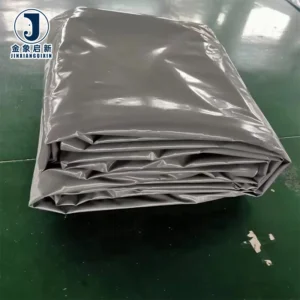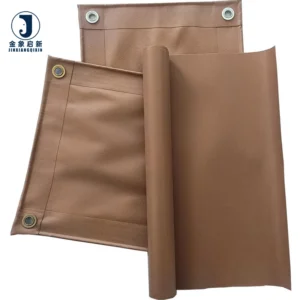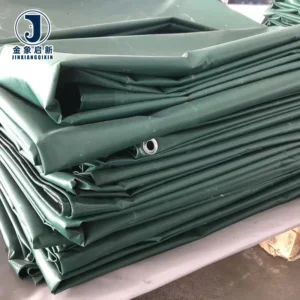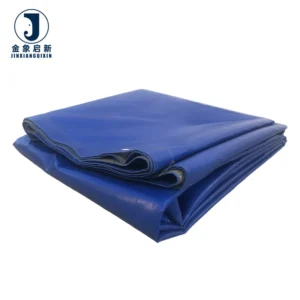
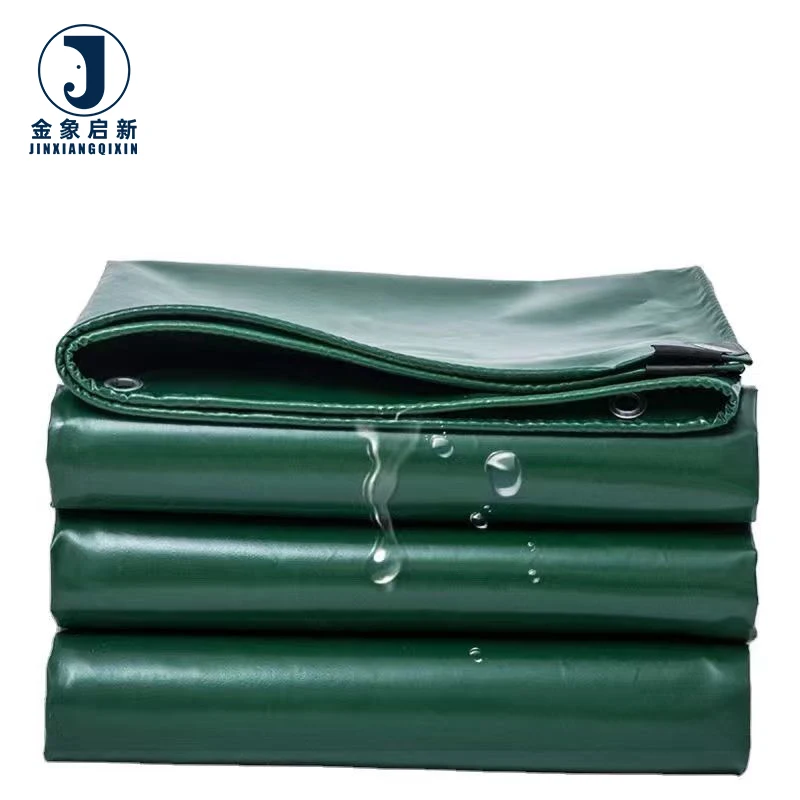
Coating weight control — every roll is verified against the stated GSM at each production stage, ensuring the PVC coated tarpaulin you receive matches the specification on your purchase order.
Technical Specifications
| Parameter | Value |
|---|---|
| Product Type | PVC Coated Tarpaulin |
| Base Fabric Denier | 200D×300D, 500D×500D, 840D×840D, 1000D×1000D |
| Weight Range | 250gsm–1500gsm (confirm the grade for this item) |
| Surface Finish | Available in glossy or matte |
| Temperature Range | -15°C to 70°C |
| Colour Options | Blue, yellow, black, green, white, or custom |
| Size Options | 3×4m, 6×8m, 8×10m, 10×12m, or custom made |
| Treatment | Waterproof; UV and FR available — confirm the grade required for your market; anti-fungal |
| Standards | ISO, CE (company-level certification) |
Application Suitability
| Application | Exposure & Requirement |
|---|---|
| Tent roof and structure fabric | Sustained UV exposure, wind loading, heat-welded panel seams, water runoff |
| Lumber and building material covering | Abrasion from rough surfaces, moisture ingress, repeated handling and folding |
| Truck and trailer side curtains | Constant flexing at load points, road debris impact, weather exposure during transit |
| Construction site enclosures | Puncture risk from scaffolding and tools, wind pressure on large spans |
| Equipment and machinery covers | UV degradation over stationary periods, dust and moisture sealing |
Why Coating Weight Alone Does Not Define a PVC Coated Tarpaulin
Denier and weave density work together with GSM to determine how the fabric performs under real stress.
A specifier once received a batch of PVC coated tarpaulin that matched the quoted GSM but tore along the warp within weeks of installation. The base fabric denier had been swapped for a lighter construction, and the extra coating weight masked the difference on a scale. Without checking denier alongside GSM, the number on the certificate tells only half the story [NEED_CITE: tensile and tear test methods for coated fabrics per ISO 1421]. This is why technical buyers now request both the base fabric specification and the measured coating weight before approving a roll.
How Base Fabric Denier Drives Tensile and Tear Behaviour
The four denier options — 200D×300D through 1000D×1000D — determine how much load the yarns carry before the PVC coating is even considered. Higher denier yarns resist tear propagation across the weave, which matters most when a PVC coated tarpaulin panel is cut and welded into shapes that concentrate stress at corners and seams. A 1000D×1000D base will hold a welded seam under tension far longer than a 200D×300D base at the same coating weight.
Coating Method and Adhesion at the Weld Line
Knife coating pushes PVC paste into the base fabric under controlled blade pressure, filling the weave interstices and building adhesion between yarn and coating. This adhesion is what prevents delamination when a heat weld is applied — the coating must melt and re-bond without separating from the yarns underneath. Poor adhesion shows up first at flex points, where the welded seam on a PVC coated tarpaulin experiences repeated bending [NEED_CITE: peel adhesion test methods for coated textiles].
Reading GSM, Denier and Finish as a System
Selecting 650gsm with a 500D×500D base and matte finish is a different material from 650gsm with a 1000D×1000D base and glossy finish, even though the scale reads the same. The matte surface absorbs less solar heat than a glossy one, which affects how the material behaves during high-frequency welding on site. Temperature flexibility from -15°C to 70°C means the PVC compound stays workable in cold-weather installations without becoming brittle, but the actual low-temperature handling ease depends on the plasticiser load tied to each GSM grade.
The Hidden Cost of Specifying by GSM Only
When a buyer approves PVC coated tarpaulin on GSM alone, the supplier can meet the number by adding filler to the coating while using a lighter base fabric. The roll arrives at the correct weight, passes the incoming check, and enters production — but the lower denier base tears during fabrication or fails under wind load within months. Colour inconsistency between rolls compounds the problem when panels from different batches are welded side by side on a visible structure [NEED_CITE: batch colour consistency standards for coated fabrics]. These failures trace back to a specification that left denier, coating adhesion and colour tolerance undefined.
Why Fabricators Source This PVC Coated Tarpaulin Here
Three full production lines and 36 sets of professional equipment run dedicated coating batches, so custom widths and colours do not sit behind standard-stock queues. The 10-person R&D team develops material samples within days, letting you confirm denier, GSM and finish before committing to a full roll order. Every production stage carries in-process QA, and a 100% pre-shipment inspection checks actual measured GSM against your specification — not just the batch average. Nearly 30 years of coated fabric specialisation means the coating formulation is adjusted for the target climate and welding method rather than pulled from a single stock recipe.
Documentation & Verification
- Material specification sheet listing base denier, measured GSM and coating type per roll
- UV and flame-retardant test reports issued against the grade specified on your order
- Pre-shipment inspection record showing actual weight measurements per roll
- ISO and CE certificates with batch-level traceability for coated fabric
- Roll packing list matching each roll ID to its position in the shipment
Fabrication, Handling & Storage
- Heat-weld matte-finish rolls at lower platen temperatures to avoid surface scorch on the coating
- Allow 500D×500D and heavier denier rolls to acclimatise before welding in cold workshops
- Store rolls upright on pallets to prevent flat-spot creasing across the coated surface
- Use a compatible PVC adhesive for field repairs on knife-coated seams rather than solvent-based glues
- Plan panel cutting layouts around roll width to minimise off-cuts and cross-grain welds
What to Include in Your Enquiry
Share the denier and GSM you need, the welding method your fabrication line uses, and the UV or flame-retardant grade your target market requires. If you are buying by the roll, confirm the width, colour reference and annual volume so batch consistency can be planned from the first production run. For finished sizes, provide the panel dimensions and seam construction so the correct base fabric and coating weight are matched to the stress points.
Frequently Asked Questions
Q: How is GSM verified before shipment and how can I re-check on arrival?
A: Each roll is weighed and measured during the 100% pre-shipment inspection, and the recorded GSM is logged against your order specification. On arrival, cut a known-area sample from the roll edge, weigh it on a calibrated scale, and divide by the area to confirm the GSM matches the inspection record.
Q: What is the relationship between denier, coating weight and tear strength?
A: Denier determines the yarn thickness in the base fabric, which resists tear propagation across the weave. Coating weight adds mass and stiffness but cannot compensate for a light base fabric. Higher denier combined with appropriate GSM delivers the best tear performance for welded structures.
Q: Which flame retardant grades are available and how do I confirm compliance?
A: Flame retardant treatment is available in multiple grades — the specific grade must match the fire classification required in your target market. Request the test report for the grade you specify, and verify it covers the standard your local authority recognises before approving production.
Q: How are welded seams tested to ensure they hold at flex points?
A: Welded seam samples are peel-tested to confirm the coating has bonded through the weld zone without delaminating from the base fabric. For high-flex applications like truck side curtains, specify a higher denier base and confirm weld parameters match the coating weight and finish you have selected.