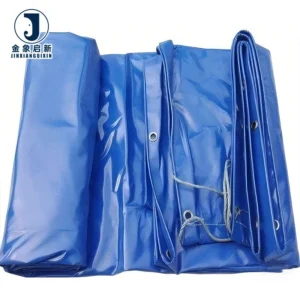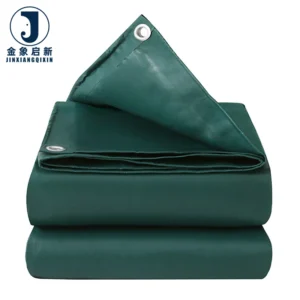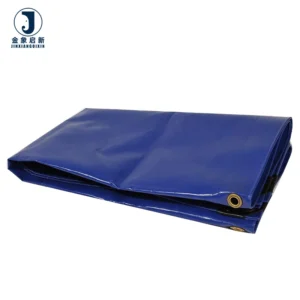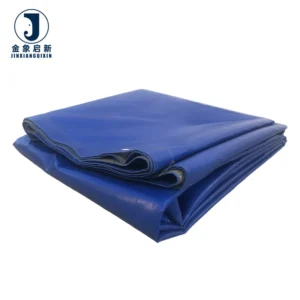
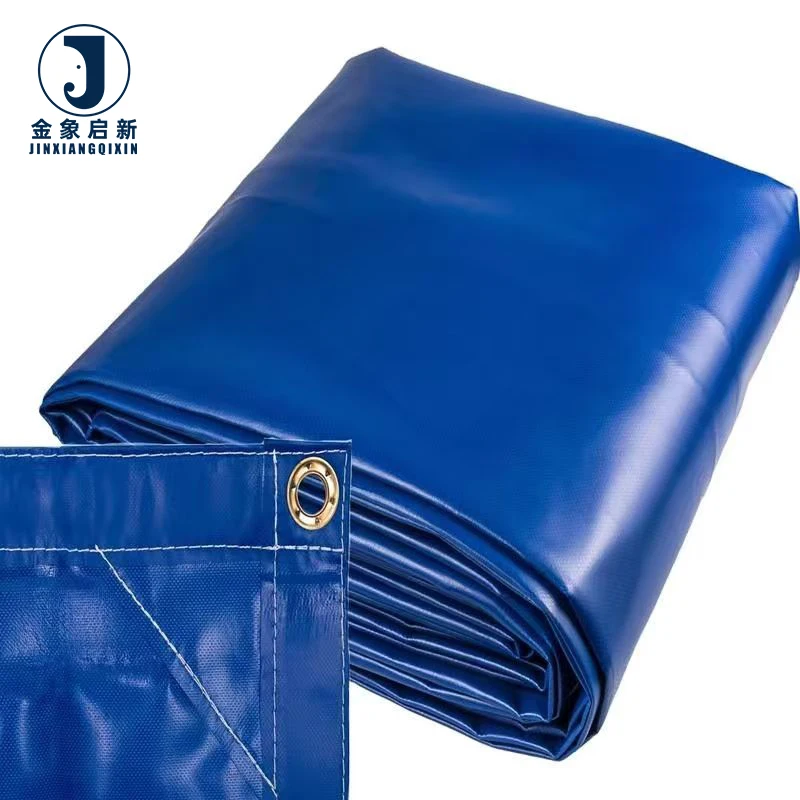
Process-Controlled PVC Coating — adhesion strength verified at every production stage across three full lines, ensuring the coating weight on the roll matches the specification sheet you approved.
Technical Specifications
| Parameter | Value |
|---|---|
| Product Type | PVC Coated Tarpaulin |
| Title Reference | PVC Coated Tarpaulin 3 Meter Width – Knife Coated |
| Base Fabric Denier | 200D×300D / 500D×500D / 840D×840D / 1000D×1000D |
| Coating Material | PVC |
| Coating Method | Knife coated |
| Width | 3 Meter |
| Surface Finish | Glossy or matte |
| Temperature Range | -15ºC to 70ºC |
| Waterproof | Yes |
| UV Treatment | Available in anti-UV grades — confirm the grade required for your market |
| Flame Retardant | Available in flame retardant grades — confirm the grade required for your market |
| Anti-Fungal | Treated |
| Standards | ISO, CE |
Application Suitability
| Application | Exposure & Requirement |
|---|---|
| Truck and train side curtain | Constant flexing at load points, road abrasion, UV exposure, weld seam fatigue |
| Sunshade and protection awning | Prolonged solar exposure, thermal cycling, tension at frame attachment points |
| Top cover materials | Rain pooling, wind uplift stress, puncture from cargo edges |
| Swimming pool cover | Continuous water contact, chemical exposure from treatment agents, UV degradation |
| Large outdoor waterproof covers | Multi-season weathering, mechanical handling, tie-down tension at hems |
Why Denier and Coating Weight Together Define Real Tensile Performance
GSM alone tells you how heavy the fabric is — not how strong it will be under load.
When a technical buyer receives a roll that weighs less than the quoted specification, the instinct is to measure GSM. But a PVC coated tarpaulin that meets the target GSM with a heavy coating over a low-denier base fabric will tear more easily than one that distributes the same weight across a denser weave with a thinner coat. The base fabric carries the tensile and tear load; the coating protects it and adds abrasion resistance. Understanding this relationship is the difference between a specification that holds up in the field and one that fails at the first flex cycle [NEED_CITE: tensile and tear test methods for coated fabrics per ISO 1421].
How Base Fabric Denier Drives Tear Propagation Resistance
The denier of the yarns in the warp and weft directly controls how much force is needed to propagate a tear once the PVC coated tarpaulin surface is punctured. A 1000D×1000D base fabric presents thicker yarns at each intersection, creating more mechanical resistance to tear spread than a 200D×300D construction. For truck side curtain applications where cargo shift and wind flutter generate repeated stress at attachment points, the higher denier option reduces the risk of a small puncture becoming a full-panel failure. The weave density works alongside denier — tighter spacing between yarns limits how far a tear can travel before encountering the next load-bearing intersection.
Coating Method and Adhesion at the Weld Line
Knife coating applies the PVC compound directly onto the base fabric under controlled blade pressure, forcing the material into the weave structure rather than sitting on top of it [NEED_CITE: knife-over-roll coating process for PVC coated fabrics]. This penetration creates a mechanical bond between coating and yarn that resists delamination during heat welding. When a fabricator heat-welds two panels together, the weld seam is only as strong as the coating-to-substrate adhesion on either side. A poorly bonded coating will peel away from the base fabric at the weld interface before the fabric itself reaches its tensile limit, which is where most field seam failures originate.
Reading the Specification Sheet Beyond the GSM Number
A complete material specification for PVC coated tarpaulin fabric should break down the total GSM into its components: base fabric weight and coating weight on each side. Two rolls can share the same total GSM yet perform very differently — one may rely on a thick coating layer for weight, leaving a lighter base fabric underneath that tears easily under point load. The other may use a heavier base fabric with a thinner, harder coating that resists abrasion but remains flexible at the specified temperature range of -15ºC to 70ºC. The denier selection — from 200D×300D for lighter awning applications through to 1000D×1000D for heavy transport covers — should align with the mechanical demands of the end use, not simply default to the heaviest option available.
The Cost of Specifying on GSM Without Denier Context
Buyers who approve a quotation based solely on total GSM frequently discover that the delivered roll meets the weight target through excess coating rather than base fabric density. The result is a PVC coated tarpaulin that feels substantial on the roll but tears at the hem or weld line under operational load. In other cases, colour consistency drifts between rolls when coating batches are not matched to the same pigment formulation, creating visible banding when panels are installed side by side on a single structure. These issues do not appear on the pre-shipment weight check — they surface weeks later, after the material has been cut, welded and installed [NEED_CITE: coating weight verification and batch colour control in PVC coated fabric production].
Why Fabricators Source This PVC Coated Tarpaulin Here
Deep process control over knife coating weight and adhesion is maintained through dedicated QA checkpoints at each stage of the three-line production setup, not through sampling at the end of the run.
The ten-person R&D team develops custom samples within days, allowing you to confirm denier, GSM and surface finish against your welding parameters before committing to bulk yardage.
Available denier options span from 200D×300D to 1000D×1000D, letting you match the base fabric construction precisely to the mechanical demands of your application rather than accepting a one-grade-fits-all roll.
Both glossy and matte surface finishes are produced in-house, giving fabricators the option to select based on heat welding behaviour and print adhesion requirements for their specific finishing process.
Pre-shipment inspection covers 100% of rolls, with GSM and colour verified against the approved specification sheet before any dispatch documentation is issued.
Documentation & Verification
- Material specification sheet stating exact GSM, base fabric denier and coating method for each roll
- UV and flame retardant test reports provided with the applicable standard and grade clearly identified
- Pre-shipment inspection record confirming GSM and colour consistency roll to roll
- Certificate of origin and customs documentation prepared per destination market requirements
- Roll packing list detailing net weight, gross weight and running meters per item
Fabrication, Handling & Storage
- Set heat weld temperature to match the coating hardness — glossy finish typically welds at slightly lower temperatures than matte on this 3-meter knife coated PVC fabric
- Allow rolls to acclimatise to workshop temperature before unrolling to prevent creasing in cold-stiffened PVC coating
- Store rolls horizontally on racking to avoid flat spots on the coating surface that become permanent crease marks
- Use a PVC-compatible cleaner for surface preparation before printing — solvent-based cleaners can soften the knife coated layer
- Cut panels with allowance for hem fold-back to double the base fabric denier at tie-down stress points
What to Include in Your Enquiry
Specify the denier and GSM combination that matches your application load case, along with the surface finish preference for your welding or printing process. If your market requires flame retardant or anti-UV certification, state the standard and grade your end customer demands so that the correct treatment formulation is selected. Confirm whether you need full 3-meter width rolls or if cut-to-size panels with hem finishing are required, and provide your annual volume estimate so that batch consistency can be planned across production runs.
Frequently Asked Questions
Q: How is GSM verified on arrival against the quoted specification?
A: We supply a pre-shipment inspection record that documents the measured GSM for each roll in your order. On receipt, you can confirm by cutting a known-area sample from the roll edge and weighing it on a calibrated scale. Any discrepancy against the material specification sheet should be reported with photos and the roll label intact for traceability.
Q: What test standard supports the anti-UV or flame retardant claim?
A: Anti-UV and flame retardant treatments are available in multiple grades depending on your destination market requirements. When you specify the standard you need — such as DIN 4102 for flame classification or a specific UV exposure hour rating — we provide the corresponding test report with grade and method clearly stated.
Q: Which denier and GSM combination suits truck side curtain use?
A: Side curtain fabric undergoes constant flex fatigue and abrasion from cargo contact. Higher denier base fabrics such as 840D×840D or 1000D×1000D provide the tear propagation resistance needed at weld seams and attachment points. The coating weight should be sufficient to protect the weave without adding stiffness that accelerates flex cracking.
Q: Can colour be matched consistently across multiple rolls in one order?
A: Colour consistency is controlled by matching the pigment formulation across the full production run and verifying shade under standard lighting during pre-shipment inspection. For multi-roll orders, we group production into a single batch to eliminate the visible banding that occurs when rolls from different coating runs are installed side by side.
Q: Glossy or matte finish — which performs better for heat welding?
A: Glossy surfaces generally transfer heat more evenly during hot wedge or hot air welding, producing consistent seam strength. Matte finishes can require adjusted temperature and dwell time settings to achieve the same bond quality. We recommend requesting sample panels in both finishes to validate your welding parameters before ordering full roll stock.