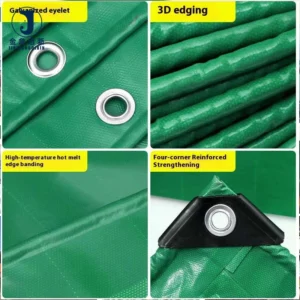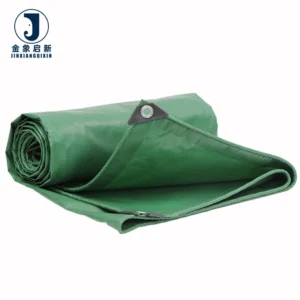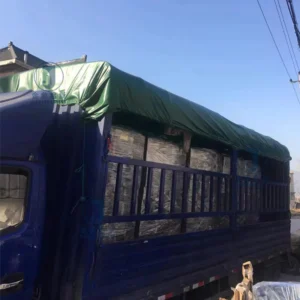
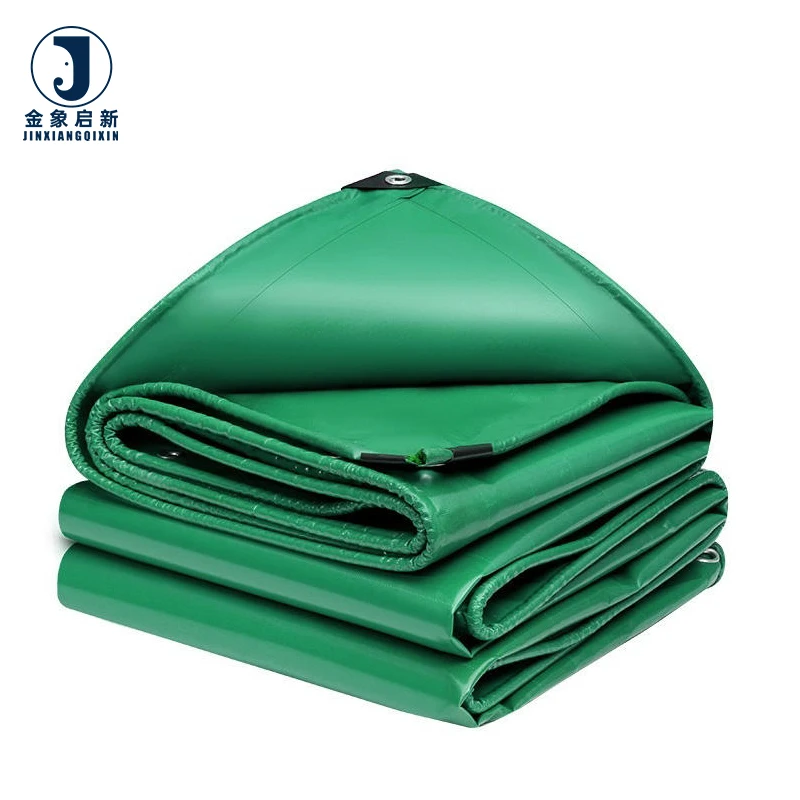
Coating Adhesion Control — Every roll of PVC coated tarpaulin for farm and poultry tent use is verified for consistent coating weight and base fabric bonding before dispatch, ensuring the material performs as specified under agricultural exposure conditions.
Technical Specifications
| Parameter | Value |
|---|---|
| Product Type | PVC Coated Tarpaulin Roll |
| Coating Material | PVC |
| Base Fabric Construction | Warp knitted woven plain |
| Waterproof | Yes |
| Anti-Static | Available — confirm surface resistance standard required for your site |
| Tear Resistance | Tear resistant — verify test standard applicable to your market |
| UV Treatment | Available — confirm UV test basis required for your application |
| Flame Retardant Grade | Available in flame retardant grades — confirm the grade required for your market |
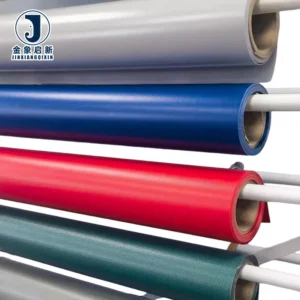
| Finish | Glossy or matte finish options available |
| Weight (GSM) | Multiple GSM grades available — specify required weight at inquiry |
| Width | Customisable — confirm required roll width |
| Roll Length | Customisable — confirm required roll length |
| Color | Customisable colors available |
Application Suitability
| Application | Exposure & Requirement |
|---|---|
| Poultry farm covers (broiler, chicken) | Ammonia-rich humidity, rain, sustained UV, mechanical stress from wind load |
| Pig and sheep shelter enclosures | Moisture ingress, animal contact abrasion, temperature fluctuation |
| Agricultural tent and temporary shelter | Weather exposure, structural tension, repeated assembly and dismantling |
| Industrial protective covering | Dust, moisture, handling abrasion in heavy-duty storage environments |
Why Stated GSM Does Not Guarantee Farm Cover Durability
Coating weight and base fabric denier together determine how the PVC coated tarpaulin roll holds up under poultry farm conditions — not the GSM figure alone.
I have reviewed quotations where the GSM matched the spec sheet, yet the material tore at the grommet line within months because the base fabric was undersized for the wind load. In livestock housing, the cover flexes constantly under ventilation pressure and thermal expansion, concentrating stress at seams and attachment points. A roll that measures correct on a scale can still underperform if the warp knitted structure lacks the denier to resist tear propagation. [NEED_CITE: tensile and tear test methods for coated fabrics per ISO 1421]
Base Fabric Structure and Dimensional Stability
The warp knitted woven plain construction used in this PVC coated tarpaulin base fabric denier weave coating weight GSM specification provides multidirectional yarn interlocking. This structure resists stretching under the sustained tension that poultry farm covers experience when stretched across frame structures. Unlike simple woven fabrics where a single yarn break can initiate a long tear, the knitted loop structure arrests tear propagation at the nearest yarn junction.
Coating Adhesion Across the Roll
PVC coating applied to warp knitted base fabric must maintain uniform adhesion from edge to edge and from the first metre to the last. In agricultural environments where ammonia and moisture are present, any point where the coating separates from the base fabric becomes an entry path for degradation. Our process controls coating weight at each stage, and every roll undergoes adhesion verification before it leaves the production line. [NEED_CITE: coating adhesion test methods for PVC coated textiles]
Reading the Specification Sheet Correctly
When evaluating a PVC coated tarpaulin for farm use, four parameters interact to determine field performance. The base fabric denier sets the tear resistance baseline — higher denier yarns absorb more energy before rupture. The weave density determines how that load distributes across neighbouring yarns. The coating weight contributes to waterproof integrity and abrasion resistance but adds stiffness that affects handling during installation. The total GSM is the sum of base fabric and coating, which is why two rolls at identical GSM can perform very differently if one carries more coating on a lighter base. Understanding this relationship prevents selecting a material that passes a weight check but fails structurally under the specific loads your poultry housing frame imposes.
The Cost of Specifying on Weight Alone
When a poultry farm cover fails at the welded seam before the fabric body shows wear, the root cause is frequently a mismatch between the base fabric construction and the mechanical stress at that joint. Covers specified purely on GSM often use a lighter base fabric compensated with heavier coating to hit the target weight. The coating adds mass but not tensile contribution at the heat-welded zone, where the yarn structure is what carries the load. I have seen rolls pass incoming weight inspection yet develop seam delamination within a single season because the base fabric denier was insufficient for the flexing the structure demanded. [NEED_CITE: seam strength requirements for tensioned agricultural covers]
Why Source This Material Here
Three full production lines with dedicated coating weight monitoring ensure roll-to-roll consistency across your entire order — not just the sample. A 10-person R&D team develops custom width, colour, and treatment combinations for agricultural applications, with samples produced in days rather than weeks. Every roll undergoes 100% pre-shipment inspection covering GSM verification, coating adhesion, and colour consistency before packing. ISO and CE certified processes provide the documentation trail that agricultural buyers and their compliance teams require. Batch traceability means if one roll in a large farm project shows deviation, the entire lot history is retrievable for root cause analysis.
Documentation & Verification
- Material specification sheet stating GSM, base fabric denier, weave type and coating material per roll
- Test reports for UV resistance and flame retardant grades where applicable to farm compliance
- Pre-shipment inspection record with weight and colour verification per roll
- Roll packing list with lot traceability for batch consistency across the shipment
- ISO and CE certificates supporting customs clearance and buyer audit requirements
Fabrication, Handling & Storage
- Heat welding parameters must account for the PVC coating weight to achieve full seam fusion without base fabric damage
- Store rolls upright on pallets to prevent flat-spot deformation on the warp knitted base fabric
- Avoid dragging cut panels across abrasive surfaces that could score the PVC coating layer
- Allow rolls to acclimatise before unrolling in cold conditions to prevent coating cracking
- Clean with neutral pH detergents to preserve the coating surface and any anti-static treatment
What We Need to Quote Accurately
Provide the intended application — whether poultry housing, livestock shelter or agricultural tent — along with the exposure conditions your covers will face. Specify the roll width and GSM grade your frame design requires, and note any flame retardant or anti-static standards your local regulations mandate. Confirm whether you need rolls only or finished panels with hemming and eyelets, and whether colour matching across multiple rolls is critical for your project.
Frequently Asked Questions
Q: How is GSM verified on arrival and what tolerance is acceptable?
A: Every roll is weighed and recorded during pre-shipment inspection, with documented values against the quoted specification. Acceptable GSM tolerance depends on the grade and coating method — we provide the measured value per roll so you can confirm it falls within your project requirement before the container ships.
Q: What test standard supports the anti-UV or flame retardant claim?
A: Treatment claims are documented with the specific test standard applicable to the grade supplied. For agricultural environments, the relevant UV or flame retardant standard varies by market — confirm your local compliance requirement at inquiry so we supply the matching test report with your shipment.
Q: How does warp knitted base fabric differ from woven in tear behaviour?
A: Warp knitted construction uses loop-interlocked yarns that arrest tear propagation at each junction, whereas plain woven fabrics tend to allow tears to run along a single yarn path. This makes the knitted structure more forgiving at stress concentration points like eyelets and welded seams on poultry farm covers.
Q: Can roll width and length be customised for farm cover dimensions?
A: Custom widths and roll lengths are available for this PVC coated tarpaulin roll, developed against your fabrication drawings. Samples are produced for approval before bulk production runs, and minimum order quantities depend on the specific width and colour combination requested.
Q: How is colour consistency maintained across multiple rolls?
A: All rolls in a single order are produced from the same coating batch with colour reference verification at the coating stage. Pre-shipment inspection includes side-by-side colour comparison across rolls, and any deviation outside the agreed reference is flagged before packing.