

Tarpaulin Import Business in the Middle East: How to Source Reliable China Manufacturers to Match Local Market Demand
Most Middle East tarpaulin importers assume lower unit price equals lower procurement cost, but unqualified products can add 20% to total expenditure from hidden rework and delay costs. If you are a wholesaler, construction buyer or aquaculture operator sourcing tarpaulins for the regional market, focusing solely on quoted per-ton rates will often lead to far higher long-term costs that erase any upfront savings.
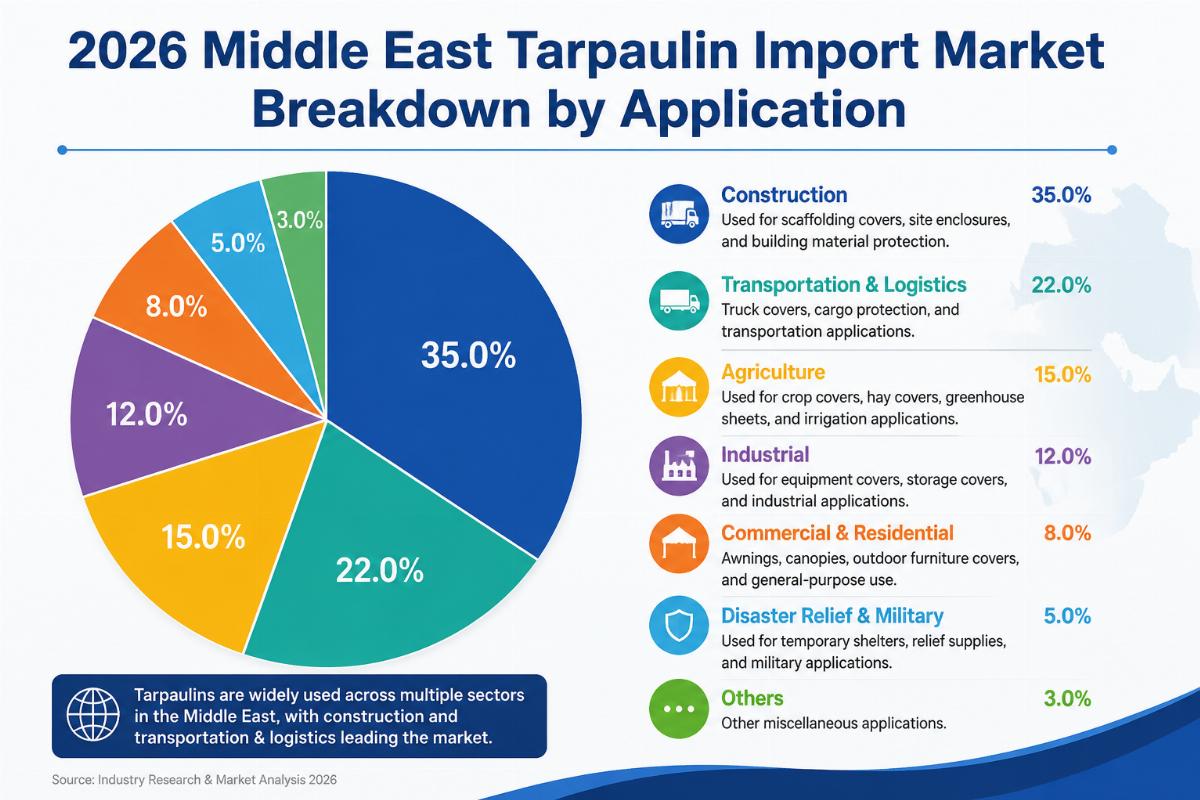
The 2026 Middle East tarpaulin import market exceeds 1.2 billion USD annually with 8% year-on-year growth, and factory-direct Chinese suppliers with flexible MOQ can cut average procurement costs by 15% for compliant, application-matched products. This growth is driven by ongoing infrastructure expansion, logistics fleet upgrades and aquaculture industry development across GCC and regional markets.
As someone who has supported hundreds of regional buyers with tarpaulin sourcing over the past decade, I have seen first-hand how mismatched product specifications and unvetted suppliers derail even well-planned procurement schedules. [NEED_CITE: 2026 Middle East infrastructure and agricultural expansion drives 8% annual tarpaulin import growth] The most common mistakes are not about picking the cheapest supplier, but about failing to align product parameters with local climate and regulatory requirements.
Now let’s break down the practical steps to filter qualified Chinese suppliers and avoid common procurement pitfalls.
What Are the Core Demand Drivers and High-Demand Tarpaulin Categories in the Middle East?
Tarpaulin demand in the Middle East splits 42% construction, 31% logistics, 18% aquaculture and 9% other use cases, with three categories dominating bulk import orders. The top three high-demand product lines are construction site protection tarpaulins, heavy-duty truck covers and aquaculture pond liners, each with very specific performance requirements that generic products rarely meet.
| Application Category | Common Mismatch for Regional Use | Recommended Core Specification Requirement |
|---|---|---|
| Construction Tarpaulins | Sourcing products without local fire safety code certification | Mandatory fire-retardant certification matching regional building standards [NEED_CITE: Regular tarpaulins age 3 times faster under continuous 40+ degree exposure in Middle East climates] |
| Logistics Truck Covers | Choosing standard weight fabric without UV stabilization | 5+ year anti-UV rating for continuous outdoor operation |
| Aquaculture Pond Liners | Selecting thin non-food-grade material | High-density eco-safe formulation with 10+ year anti-UV service life |
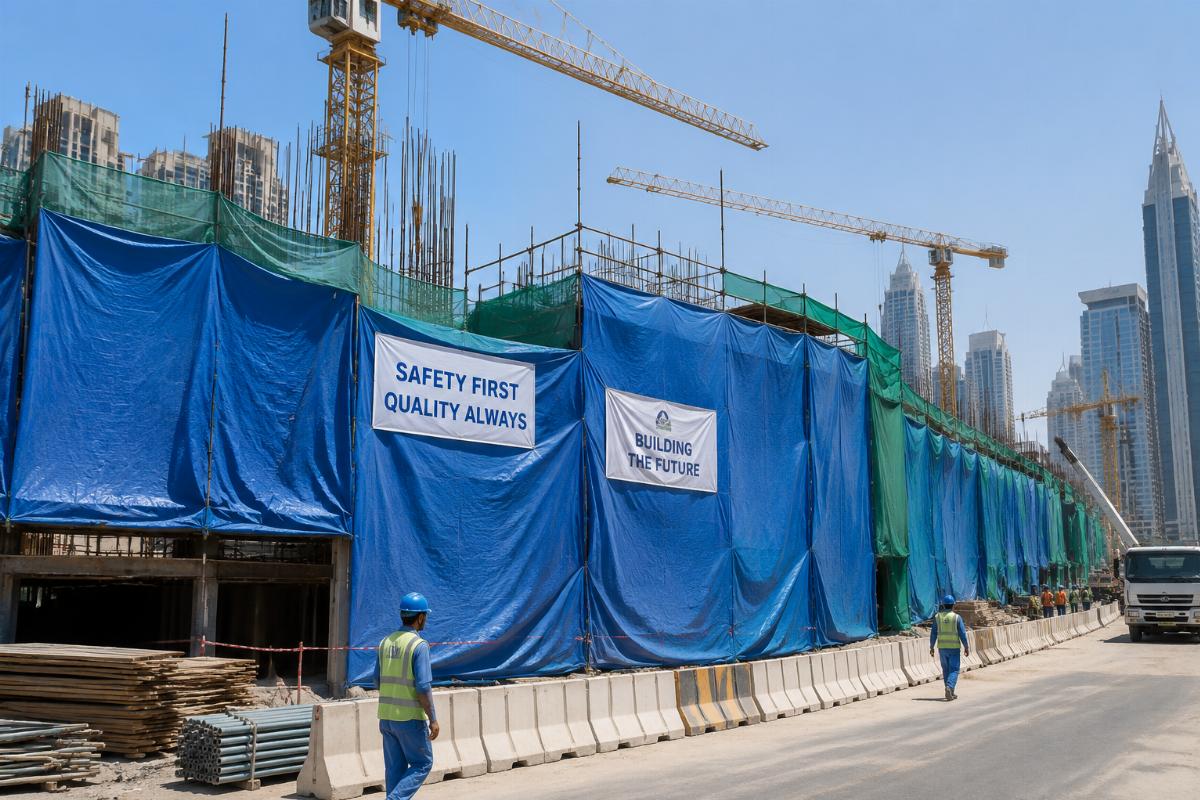
A Dubai construction contractor recently sourced 30,000 square meters of fire-retardant tarpaulin for a 2025 subway station temporary enclosure project, and the product fully met local building safety code requirements without any rework or rejection delays. This would not have been possible if they had selected a generic non-certified product from an unvetted supplier.
- Demand Alignment – Map your order to the regional application breakdown to avoid overstocking low-demand SKUs.
- Parameter Prioritization – Rank requirements by use case: fire resistance for construction, UV stability for logistics, eco-safety for aquaculture.
- Volume Forecasting – Separate recurring bulk SKUs from one-off project custom orders to optimize pricing.
What Common Sourcing Pitfalls Do Middle East Importers Usually Face?
The three most frequent sourcing failures are non-compliance with local fire codes, insufficient anti-UV performance and delayed delivery for time-sensitive project orders. Many buyers only realize these issues after goods arrive at port, leading to costly reworks, project delays or full product replacement.
| Pitfall | Typical Outcome | Preventive Check |
|---|---|---|
| Uncertified Products | 15-20% extra cost from rework and project penalties | Verify ISO and CE certifications before placing orders [NEED_CITE: Uncertified suppliers add 20% to total cost of ownership for 50,000 USD bulk tarpaulin orders] |
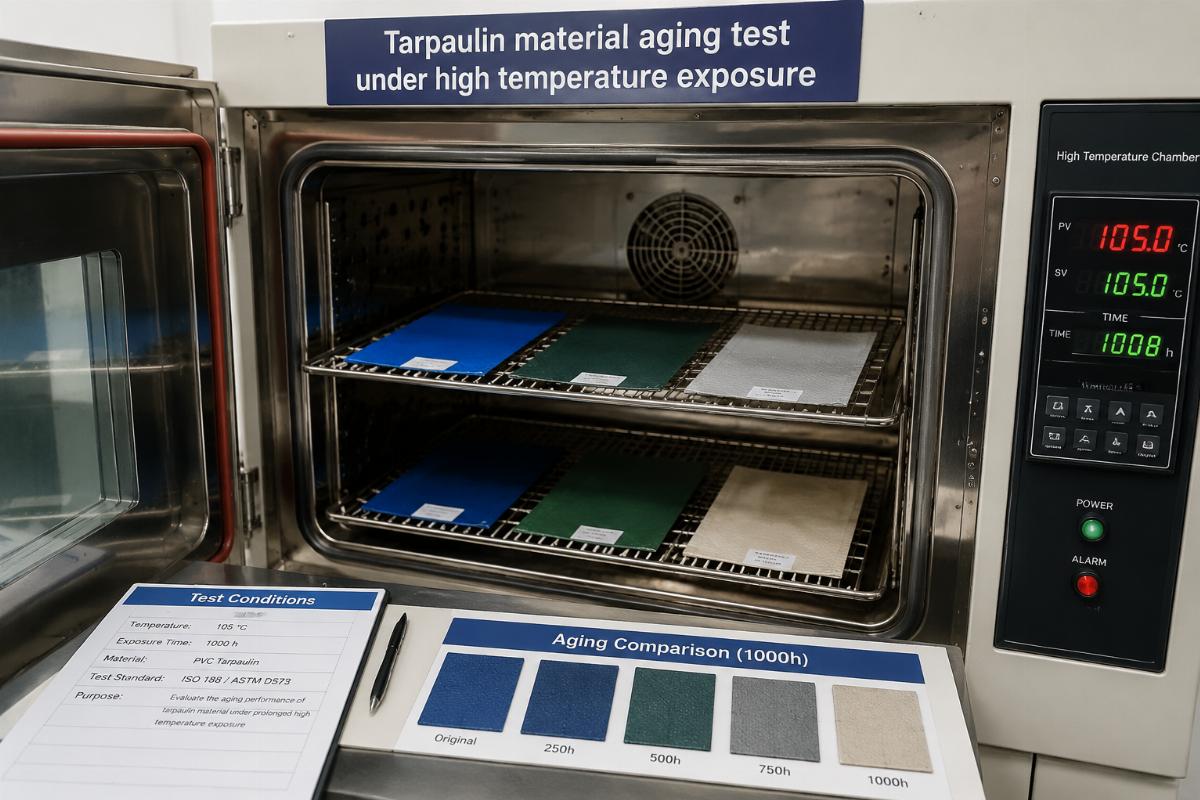
| Inadequate Anti-UV Rating | 3x faster material aging under 40+ degree continuous exposure | Request accelerated aging test reports for all outdoor-facing products |
| Rigid Order Terms | Overstocking or delayed delivery for custom batches | Confirm flexible MOQ terms for both spot and custom SKUs |
A local logistics company previously had to replace 200 sets of truck covers within 1 full year due to rapid material aging, before switching to UV stabilized custom tarpaulins from a specialized Chinese supplier. The total cost of those unplanned replacements was nearly double the original order value.
- Certification Verification – Cross-check all certification documents against regional regulatory requirements before finalizing supplier selection.
- Aging Test Review – Ask suppliers to provide third-party test data for UV resistance under continuous high temperature conditions.
- Delivery Track Record – Request references of past orders delivered to Middle East destinations to confirm on-time performance.
How to Filter Qualified Chinese Tarpaulin Suppliers for Middle East Market Needs?
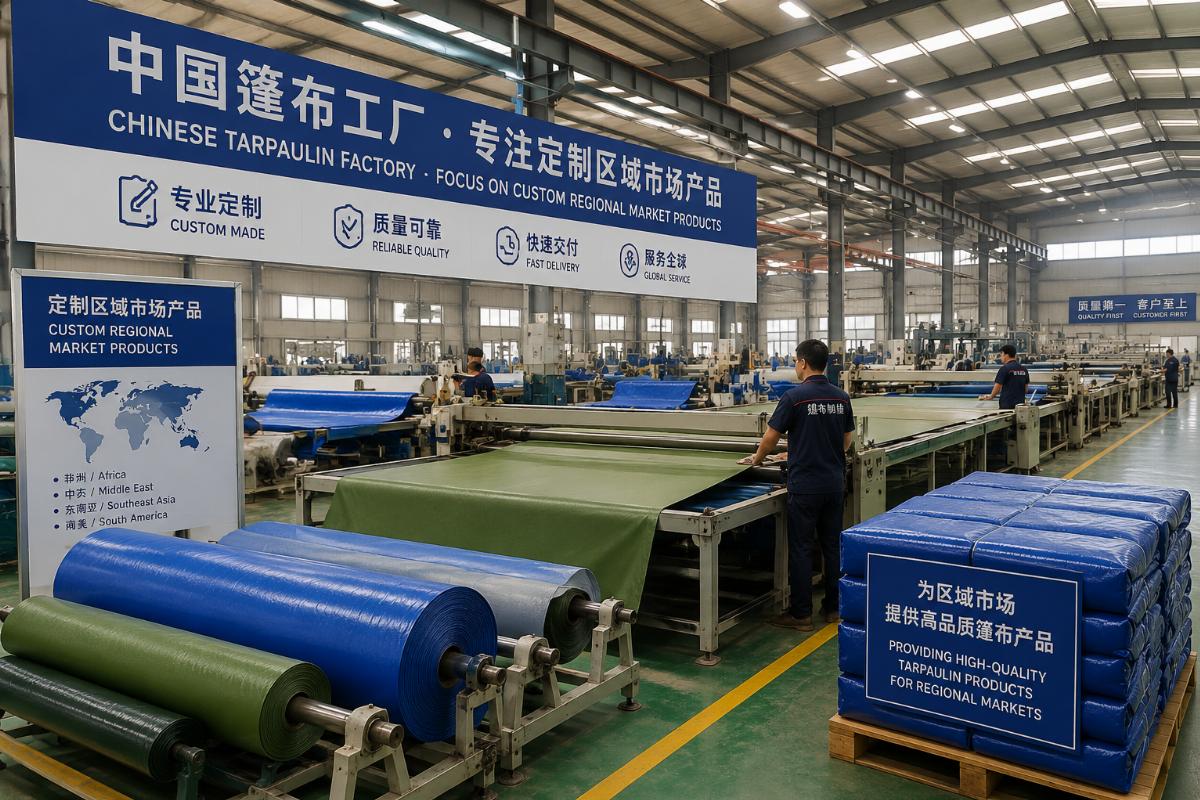
Core screening criteria for qualified Chinese suppliers include complete ISO and CE certifications, proven custom production capability and verified export experience to regional Middle East markets. A 30-year manufacturing track record, dedicated R&D team and fast sample turnaround are also strong indicators of reliable service for both bulk and project-based orders.
| Screening Factor | Unqualified Supplier Sign | Qualified Supplier Benchmark |
|---|---|---|
| Certification | Cannot provide original ISO/CE documents | Holds full ISO 9001, ISO 14001, ISO 45001 and CE certifications |
| Custom Capability | Only sells standard off-the-shelf SKUs | Supports custom weight, thickness and specification production |
| MOQ Terms | Requires minimum 50 ton orders for any SKU | Offers comparable pricing for orders as low as 5 tons [NEED_CITE: Flexible MOQ factory-direct suppliers match large order pricing for 5 ton minimum orders] |
A Middle Eastern regional tarpaulin distributor recently placed an order for 120 tons of custom weight PVC tarpaulin rolls with a vetted Chinese supplier, and the full order was delivered within 21 days with a 100% pre-shipment quality inspection passing rate. Another regional aquaculture farm purchased 80,000 square meters of high-density eco-safe PVC fish pond liners, which delivered a 10-year anti-UV service life perfectly matched to local desert climate conditions.
- Reference Check – Ask for at least two references of past Middle East client orders to confirm delivery and quality consistency.
- Sample Validation – Request a 7-day turnaround sample to test material parameters before placing full orders.
- MOQ Confirmation – Verify flexible MOQ terms for both standard and custom SKUs to balance order flexibility and pricing.
Conclusion
Sourcing reliable Chinese tarpaulin suppliers for the Middle East market does not require chasing the lowest quoted unit price, but aligning product specifications with local demand and verifying supplier credentials upfront. By avoiding the common pitfalls of non-certified products, mismatched anti-UV performance and inflexible order terms, importers can cut average procurement costs by 15% while eliminating the 20% hidden cost risk from unqualified goods. The core of effective sourcing is prioritizing application-matched parameters and proven regional export experience over superficial cost savings, which delivers consistent value for wholesalers, project buyers and end operators alike.