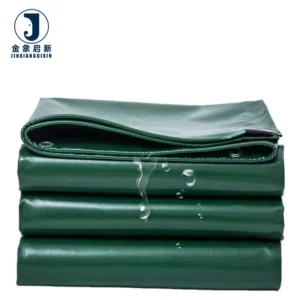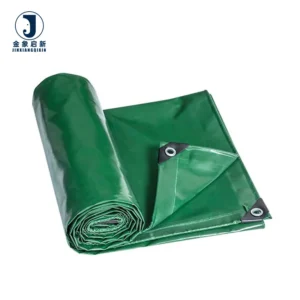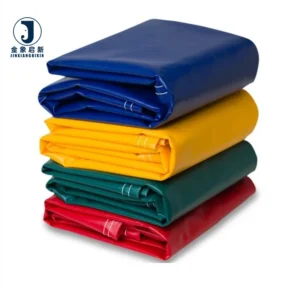
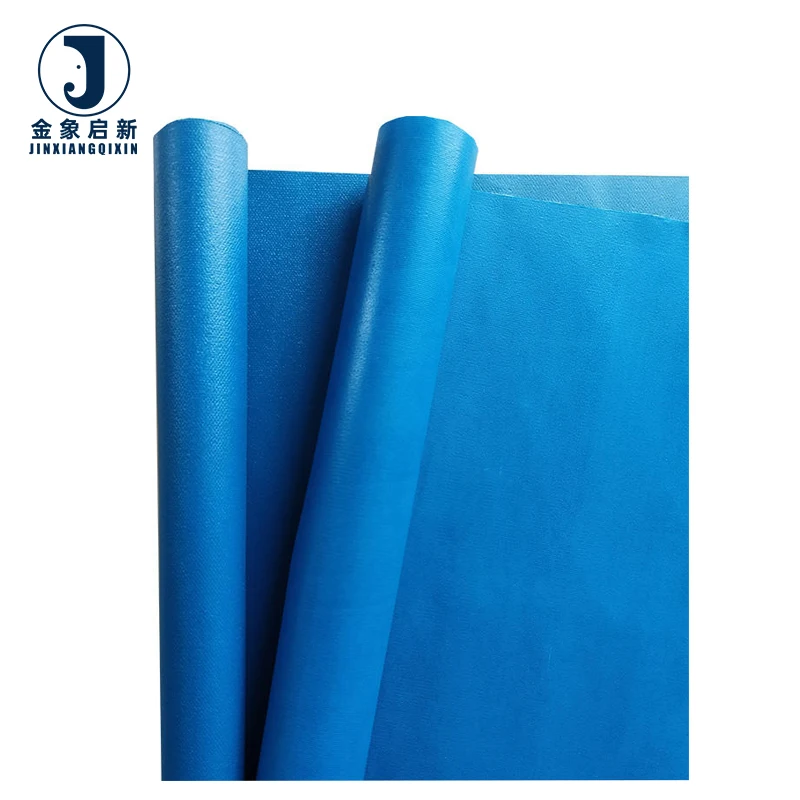
Deep Coating Process Control — Three dedicated production lines maintain strict GSM consistency across every roll of 500gsm 600gsm PVC coated tarpaulin, with full traceability from base fabric to finished coating.
Technical Specifications
| Parameter | Value |
|---|---|
| Product Type | PVC Coated Tarpaulin |
| Weight (GSM) | 500gsm 600gsm |
| Waterproof | Yes |
| Flame Retardant | Available (grade not stated) |
| Anti-Static | Available (standard not stated) |
| Anti-Cold | Available |
| Anti-Mildew | Available |
| Outdoor Life Assurance | 1-3 years |
Application Suitability
| Application | Exposure & Requirement |
|---|---|
| Truck Side Curtain | Constant flexing at load points, road debris abrasion, UV exposure during long-haul transit |
| Flatbed Cargo Cover | Heavy tie-down tension, wind flap fatigue, weather sealing across wide spans |
| Industrial Equipment Wrap | Static discharge risk in sensitive environments, dust and moisture ingress prevention |
Why Material Grade Matters More Than Stated Weight for Truck Covers
The base fabric denier and coating adhesion determine real-world performance, not the GSM figure on the invoice.
When sourcing PVC coated tarpaulin 500gsm 600gsm for truck cargo covers, technical buyers often focus on weight as the primary specification. But a 600gsm fabric with poor coating adhesion will delaminate at the weld seams long before a properly coated 500gsm grade fails. The flex points on a side curtain — where the fabric bends around the trailer frame during loading — demand coating-to-fabric bond strength that a simple weight check cannot reveal [NEED_CITE: coating adhesion test methods per ISO 2411]. Without verified adhesion data, the stated GSM becomes a number without context.
Base Fabric Construction and Coating Bond
The tensile and tear behaviour of PVC coated tarpaulin depends on the woven base fabric’s denier count and thread density. A higher denier yarn resists tear propagation, while the weave pattern determines how load distributes across the fabric plane. The PVC coating must penetrate the weave structure sufficiently to lock the yarns in place; surface-only coating creates a laminate that peels under repeated flexing. For truck cover applications, this bond integrity directly affects service life at stress concentration points.
Coating Weight Distribution and Surface Finish
The coating process determines whether the PVC layer is uniform across both faces or weighted toward one side. Glossy finishes typically result from a calendered coating process that compresses the surface, while matte finishes retain more texture. For truck cargo covers, the surface finish affects both cleanability and the adhesion of printed branding or fleet markings applied post-fabrication [NEED_CITE: surface energy requirements for ink adhesion on PVC coated fabrics]. The 500gsm and 600gsm grades offered here are available in finishes suitable for downstream printing.
Specification Breakdown: Weight, Treatment, and Climate Exposure
Selecting between 500gsm and 600gsm involves evaluating the mechanical demands of the specific trailer type and load configuration. The heavier grade provides additional material mass that resists puncture from sharp-edged cargo and withstands higher tie-down tension. Both grades support flame retardant treatment — confirm the grade required for your market, whether M2, B1 per DIN 4102, or NFPA 701, as compliance varies by jurisdiction [NEED_CITE: DIN 4102 fire classification for building materials]. Anti-static treatment is available for environments where spark generation poses a hazard, such as fuel transport or chemical logistics. Anti-mildew and anti-cold additives address storage and transit through humid or sub-zero climates, preventing biological degradation and low-temperature embrittlement respectively.
The Cost of Specification Misalignment
Ordering PVC coated tarpaulin without verifying coating adhesion and treatment documentation leads to predictable failures. Weld seams that delaminate during the first winter cold snap. Flame retardant claims that fail site inspection because the test report was never requested. Batch colour variation that becomes visible only after installation across a fleet of trailers. These issues trace back to procurement decisions made at the quotation stage, where price per kilogram overshadowed material verification [NEED_CITE: common failure modes in coated fabric applications]. The cost of replacing a failed truck cover in the field — including downtime, cargo exposure, and reinstallation labour — far exceeds the savings from selecting a lower-cost, under-specified fabric.
Sourcing Considerations for Technical Buyers
Material specification sheets provided with each order state exact GSM, base fabric construction, and coating weight for traceability. A 10-person R&D team develops samples within days, allowing technical buyers to validate weld parameters and coating behaviour before committing to bulk production. Every production run undergoes in-process quality checks, with pre-shipment inspection records documenting roll-by-roll GSM verification. Flame retardant and anti-static grades ship with test reports where applicable, providing the documentation that compliance officers and site safety teams require. Custom widths and colour matching are handled on the same production lines as stock grades, maintaining consistency regardless of order configuration.
Documentation & Verification
- Material specification sheet stating exact GSM, base fabric denier, and coating weight per roll
- Test reports for flame retardant and anti-static grades issued with applicable shipments
- Pre-shipment inspection record with GSM verification across the production batch
- Roll packing list detailing width, length, and colour reference for each unit
- Certificate of origin and customs documentation for cross-border procurement
Fabrication, Handling & Storage
- Hot air welding parameters must account for the 500gsm or 600gsm coating thickness to achieve full seam penetration
- Reinforce eyelet and tie-down zones with additional PVC patches to distribute load across the base fabric
- Store rolls horizontally on pallets to prevent edge crushing and permanent creasing of the coated surface
- Allow material to acclimate to ambient temperature before unrolling in cold conditions to avoid coating crack
- Use PVC-compatible cleaners only; solvent-based products can degrade the plasticiser in the coating layer
Requesting Technical Documentation and Samples
Technical buyers should specify the target market’s fire safety or anti-static compliance requirements alongside GSM preference and intended application. Providing trailer dimensions, expected load configurations, and climate exposure conditions enables accurate material recommendation. Sample rolls with full material specification sheets are available for weld testing and fabrication trials before bulk commitment. State whether the requirement is for roll stock or finished cut sizes with hemming and eyelet reinforcement.
Frequently Asked Questions
Q: How is the stated GSM verified on arrival and what tolerance is acceptable?
A: Each roll ships with a pre-shipment inspection record documenting measured GSM. Industry standard tolerance for coated fabrics typically allows minor variation, but buyers should confirm acceptable range during specification. We provide roll-by-roll weight data so discrepancies are visible before the material enters production.
Q: Which flame retardant standard applies to my target market?
A: Requirements vary by jurisdiction and application. European markets often reference DIN 4102 classifications such as B1 or M2, while North American specifications may cite NFPA 701. Specify your target standard during inquiry so the correct treatment grade is applied and documented with a test report.
Q: What test basis supports the anti-static or anti-UV claim on the quotation?
A: Anti-static treatment is available with test documentation where applicable. Anti-UV additives are incorporated during coating to extend service life under solar exposure. Request the specific test report for your compliance requirements during the sample approval stage.
Q: How do 500gsm and 600gsm grades differ in tensile and tear strength for truck cover use?
A: The 600gsm grade provides additional material mass that improves puncture resistance and tie-down load capacity. Actual tensile and tear values depend on the base fabric denier and weave density, not GSM alone. Request material specification sheets for both grades to compare performance data for your specific trailer application.
Q: Can I request a sample with full material specification sheet before committing to bulk?
A: Yes. Samples are developed within days and ship with a material specification sheet stating GSM, base fabric construction, and coating details. This allows technical buyers to validate weld parameters and fabrication behaviour before placing bulk orders.