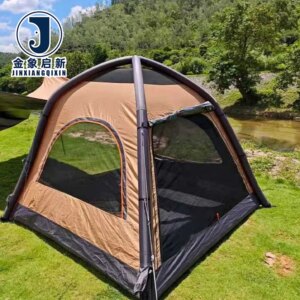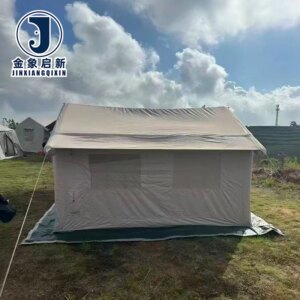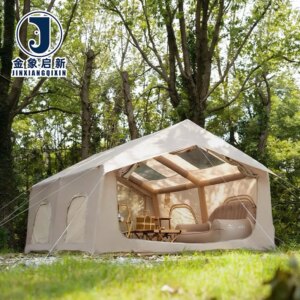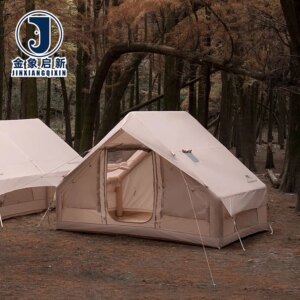
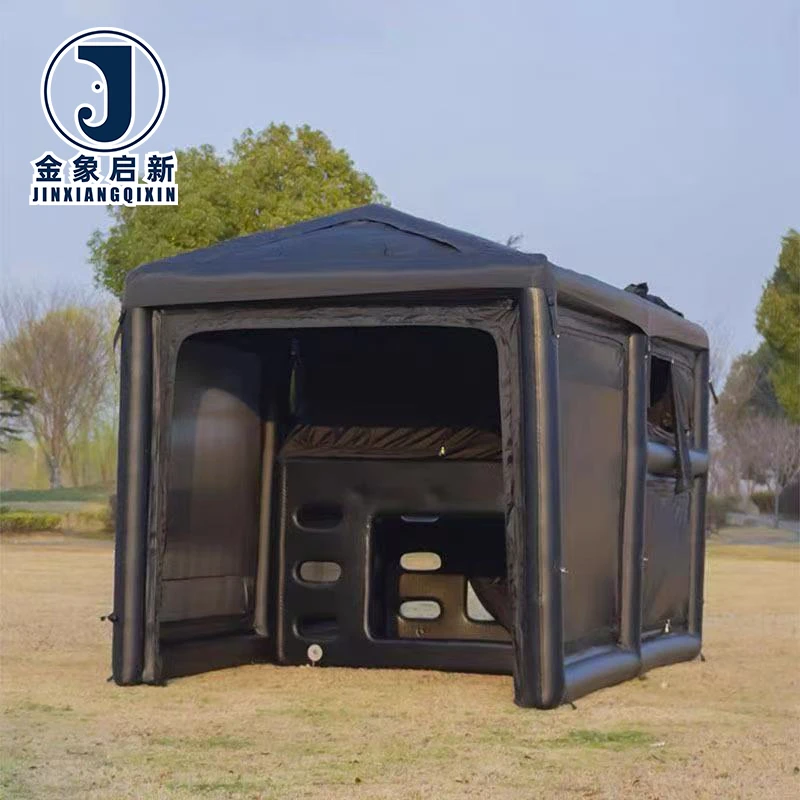
Batch-Consistent Coating — our controlled PVC coating process ensures roll-to-roll colour and thickness uniformity for inflatable tent fabricators producing branded structures.
Technical Specifications
| Parameter | Value |
|---|---|
| Product Type | Inflatable Fabric |
| Core Material | PVC Tarpaulin (PVC knife-coated fabric) |
| Product Forms | Single Layer Construction, Extended Type |
| Key Features | Waterproof, UV-resistant (test basis not stated in source), Tear-resistant, Quick automatic opening |
| Customization | OEM & ODM, sample customization, pattern printing |
| Quality System | Full-process inspection with dedicated QA & QC staff |
| Standards | ISO9001, ISO14001, ISO45001, CE |
Application Suitability
| Application | Exposure & Requirement |
|---|---|
| Commercial inflatable tent manufacturing | Repeated inflation cycles, internal air pressure stress, weld seam integrity |
| Outdoor event management shelters | Rapid deployment, crowd proximity, sun and rain exposure |
| Industrial site temporary structures | Wind loading, equipment contact, four-season temperature swings |
| Emergency response logistics | Immediate inflation requirement, transport abrasion, variable ground conditions |
Why Colour Drift Between Rolls Destroys Inflatable Tent Appearance
Inflatable tent fabric must arrive in matching shade across every roll in the same purchase order.
When fabricators cut and weld multiple rolls into a single inflatable structure, even slight colour variation between rolls becomes visible along seam lines once the tent is inflated and viewed in daylight. This forces rejection of the finished product, wasted material, and delayed shipment to the end client [NEED_CITE: colour tolerance standards for coated fabrics in inflatable structures]. The problem intensifies with bright brand colours specified for commercial camping or event applications, where the inflatable tent fabric serves as a visual identity element. Manufacturers ordering container loads cannot afford to sort through rolls after arrival hoping to find matching batches.
How Coating Weight Controls Structural Integrity Under Inflation Pressure
The knife-coated PVC construction used for this inflatable tent fabric delivers coating penetration into the base fabric weave, creating mechanical adhesion that resists delamination when the material flexes during inflation and deflation cycles. Unlike laminated alternatives, the coating fills the interstices of the woven scrim, which directly supports tear resistance under the biaxial stress that inflatable chambers generate. For tent fabricators, this means the material maintains coherence at the heat-welded seams where internal pressure concentrates force.
Waterproofing and Outdoor Durability Across Deployment Cycles
The fully coated surface prevents water ingress through the fabric body, a requirement for inflatable camping tents exposed to rainfall during multi-day events or extended industrial site use. UV-resistant treatment is available for extended outdoor exposure — confirm the specific UV test basis required for your market before ordering. Four-season deployment demands that the PVC compound remain flexible in cold conditions without becoming brittle, while resisting softening and tackiness under high summer temperatures [NEED_CITE: low-temperature flexibility testing for PVC coated fabrics].
Reading the Material Parameters That Actually Matter
GSM alone does not define the strength of inflatable tent fabric. The base fabric denier, weave density, and coating weight together determine how the material behaves under the tensile and tear loads that inflation imposes. A high GSM achieved through heavy coating on a light base fabric will resist puncture but may tear easily once a nick propagates through the scrim. Knife coating, as used here, bonds coating to yarn rather than sitting as a surface film, improving peel strength at welded seams — the failure point that fabricators encounter most often [NEED_CITE: tensile and tear test methods for coated fabrics per ISO 1421]. The availability of single layer construction and extended type forms addresses different inflatable chamber geometries, from simple dome beams to complex multi-tube event structures.
The Hidden Cost of Underspecifying Inflatable Chamber Fabric
Selecting fabric based on price per kilogram rather than verified coating adhesion and base fabric density leads to weld failures that appear only after the inflatable tent is pressurized. The seam carries more stress than the field of the fabric, and insufficient peel strength causes the coating to separate from the scrim at the weld line [NEED_CITE: weld peel strength requirements for inflatable structure fabrics]. For commercial tent producers, a single warranty claim on a failed inflatable structure costs far more than the material savings from choosing a lighter specification. Batch-to-batch inconsistency in coating weight also causes some chambers to inflate stiffer than others within the same tent, creating uneven structural behaviour.
Why Fabricators Source This Material Here
Three full production lines and 36 sets of professional processing equipment support volume orders without splitting a single purchase order across different coating machines, which is a primary cause of roll-to-roll variation. The 10-person R&D team develops samples within days, allowing fabricators to validate weld parameters and colour match before committing to production volume. Full-process quality inspection with dedicated QA and QC staff means every roll is checked against the stated specification before packing, reducing the risk of discovering weight or colour deviation at the fabricator’s receiving dock.
Documentation & Verification
- Material specification sheet confirming GSM, base fabric construction, and PVC coating type for each roll
- UV-resistance test report provided where applicable, with documented test method stated
- Pre-shipment inspection record showing batch-specific weight and colour verification
- ISO9001, ISO14001, ISO45001, and CE certificates included with shipment documentation
- Certificate of origin and customs support documents for export clearance
Fabrication, Handling & Storage
- Heat-weld parameters must be tested on actual roll samples before production runs begin
- Store rolls horizontally on racking to prevent flat-spot deformation of the PVC coating
- Allow cold-stored rolls to reach ambient temperature before unrolling to avoid coating crack
- Use compatible PVC solvent or hot-air welding for seam construction on inflatable chambers
- Cut patterns should account for material width to minimize offcut waste per roll
What We Need to Quote Your Inflatable Tent Fabric
Provide the intended inflatable chamber diameter and operating pressure so we can recommend the appropriate base fabric weight and coating specification. Confirm your target market’s fire classification requirements if applicable, along with any colour references or pattern printing artwork. Indicate whether you need rolls at stock width or custom slit widths, your annual volume estimate, and whether sample approval is required before bulk production.
Frequently Asked Questions
Q: How is GSM verified on arrival and what documentation supports the quoted weight?
A: Every roll undergoes weight verification during pre-shipment inspection against the stated GSM on the material specification sheet. The inspection record accompanies the shipment, allowing you to cross-check received weight against the quoted value without needing independent lab testing at your facility.
Q: What UV-resistance test basis underpins the outdoor durability claim?
A: UV-resistant treatment is available for this inflatable tent fabric, but the specific test method depends on the grade selected. Request the test report for your order, which will document the test basis used, so you can confirm alignment with your market’s outdoor durability requirements.
Q: How is batch-to-batch colour consistency controlled across rolls?
A: Our full-process quality inspection protocol checks colour consistency across all rolls within a single production run using controlled lighting comparison. This prevents the visible shade variation that occurs when rolls from different batches end up welded together in the same inflatable structure.
Q: What customization options exist for width, thickness, and pattern printing?
A: OEM and ODM services cover custom roll widths, material thickness adjustments, and pattern printing for brand-specific inflatable products. The 10-person R&D team develops samples for approval before bulk production, with minimum order quantities confirmed at the quotation stage based on your specification.
Q: What welding guidelines apply when fabricating inflatable structures from this fabric?
A: The PVC knife-coated construction supports both hot-air and solvent welding methods. We recommend testing weld parameters on sample cuts from your actual production rolls, as temperature and speed settings vary with material thickness and ambient workshop conditions.