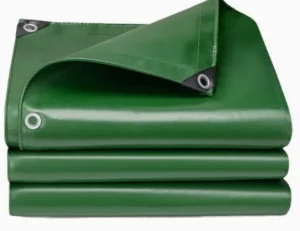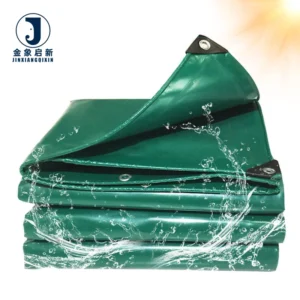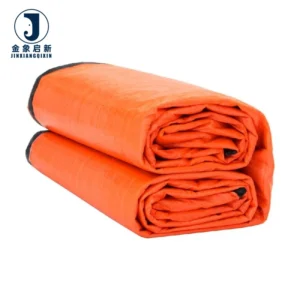
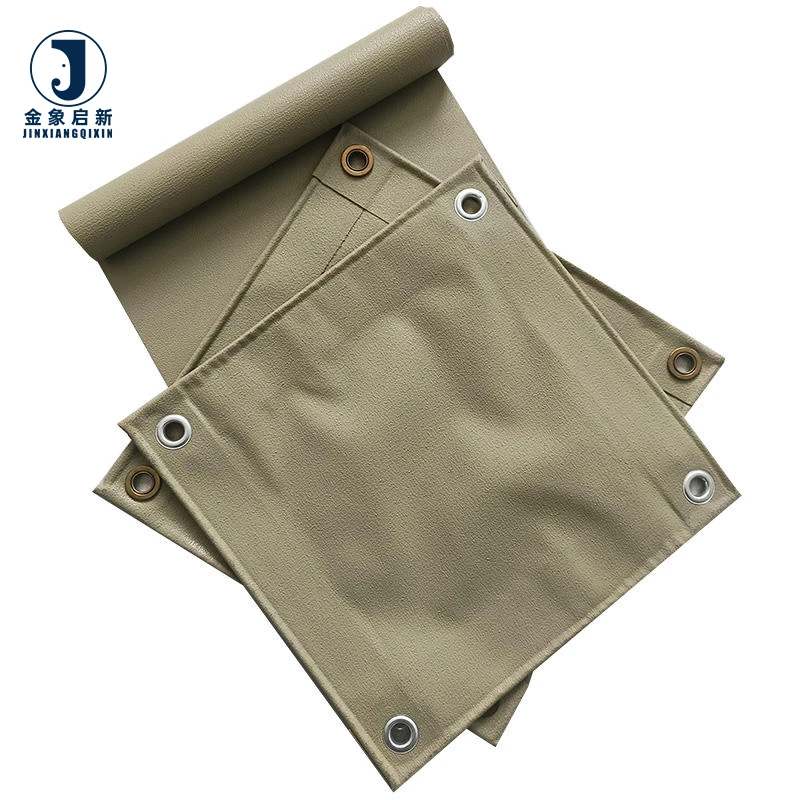
Verified Coating Control — Our coating lines maintain strict GSM tolerance across every roll of PVC coated tarpaulin gsm, verified at multiple production checkpoints before shipment.
Technical Specifications
| Parameter | Value |
|---|---|
| Product Type | PVC Coated Tarpaulin |
| Weight (GSM) | 700gsm / 850gsm / 900 gsm |
| Coating Material | PVC |
| Flame Retardant | Grade not stated — confirm the grade required for your market |
| Anti-Static | Standard not stated — available upon specification |
| Anti-Mildew | Treatment available |
| Anti-Cold | Treatment available |
| Waterproof | Yes |
| Weather Resistance | Outdoor life assurance 1-3 years (source value — verify against manufacturer catalog) |
Application Suitability
| Application | Exposure & Requirement |
|---|---|
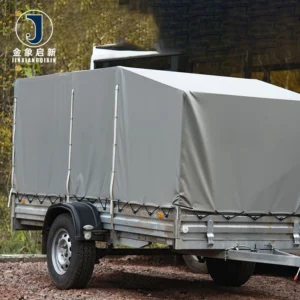
| Truck cargo cover — flatbed and trailer | Constant road vibration, UV exposure, wind abrasion, tie-down flex stress |
| Outdoor equipment and stockpile cover | Prolonged sun exposure, rain pooling, temperature cycling, mildew-prone environments |
| Rainproof cloth for transport and logistics | Repeated folding and unfolding, contact abrasion, water ingress prevention |
| Flexible waterproof material for truck cover | Seamed and welded panel construction, repeated tension at mounting points |
Why PVC Coated Tarpaulin GSM Matters More Than the Label Suggests
A quoted weight means nothing unless it is measured and verified on the roll you receive.
Purchasing decisions in coated fabrics often hinge on a single number — the GSM printed on a quotation. Yet the PVC coated tarpaulin gsm you pay for and the GSM that arrives at your warehouse can diverge when process controls are loose. A lighter-than-specified roll does not merely feel thinner; it tears more easily at flex points, transmits UV damage faster to the base fabric, and develops seam failures earlier in its service life [NEED_CITE: tensile and tear test methods for coated fabrics per ISO 1421]. For transport fleets specifying covers that must withstand daily loading cycles, this gap between quotation and delivery is where operational cost accumulates.
How Coating Weight Separates from Total Fabric Weight
When evaluating PVC coated tarpaulin gsm options, the distinction between total weight and coating weight shapes how the fabric performs in the field. The base fabric — its denier, weave density, and yarn quality — carries the mechanical load, while the PVC coating provides waterproofing, chemical resistance, and UV shielding. A heavier total GSM achieved by loading more coating compound onto a lighter base fabric produces a stiff, brittle material that cracks at fold lines rather than flexing with the load. Our 700gsm, 850gsm, and 900 gsm options are built on matched base fabric constructions so that tensile strength scales with weight, not merely with coating thickness [NEED_CITE: relationship between base fabric denier and coated fabric tensile performance].
Treatment Selection Across Operational Environments
The available treatments — flame retardant, anti-static, anti-cold, and anti-mildew — address distinct failure modes in transport and outdoor storage applications. Anti-cold treatment modifies the PVC compound to resist embrittlement at low temperatures, preventing the micro-cracking that lets water reach the base yarn during winter transport. Anti-mildew treatment inhibits fungal growth on the coating surface where moisture and organic debris accumulate, a frequent issue for covers stored folded in damp conditions. Each treatment alters the coating chemistry, and the PVC coated tarpaulin gsm you select determines how much active compound the coating can carry without compromising flexibility or weld integrity.
Reading the Specification Sheet Beyond the Weight Column
GSM alone does not predict field performance because tensile strength and tear resistance depend on the interaction between base fabric construction and coating adhesion. A tightly woven, high-denier polyester base distributes stress across multiple yarn intersections, limiting tear propagation even when the coating surface is punctured. The coating method — whether knife-over-roll, dip, or calender — controls how deeply the PVC penetrates the weave, which in turn determines peel strength between layers. When a coated fabric is heat-welded at seams, the bond strength must equal or exceed the coating-to-fabric adhesion; otherwise the seam becomes the first point of failure under load [NEED_CITE: peel strength test methods for coated textiles]. Surface finish also matters: glossy surfaces shed water and dirt more readily but may show scuff marks, while matte finishes conceal abrasion at the cost of slightly higher surface friction during handling.
The Hidden Cost of Unverified Specifications
When PVC coated tarpaulin gsm arrives lighter than quoted, the consequences unfold in stages. The first rolls may pass visual inspection, but thinner coating means UV radiation penetrates to the base yarn faster, accelerating degradation that shows as fading and embrittlement within months rather than years. Flame retardant and anti-static treatments that lack supporting test reports create compliance risk at the point of site inspection — a truck cover rejected at a mining facility because its anti-static certification does not match the site safety standard [NEED_CITE: anti-static fabric requirements for mining and industrial ventilation environments]. Colour variation between rolls in a single shipment becomes visible once panels are installed side by side, forcing unplanned replacement. Welded seams on underweight fabric tend to delaminate before the body of the fabric fails, because there is insufficient coating material at the overlap to form a continuous bond.
Why Source PVC Coated Tarpaulin From Jinxiang
Our production process centres on coated fabric with nearly 30 years of focused experience in coating weight and adhesion control. Three full production lines and 36 sets of equipment provide the capacity to maintain consistent PVC coated tarpaulin gsm across large-volume orders without sacrificing per-roll inspection. A 10-person R&D team handles material formulation, treatment specification, and sample development, producing samples within days for custom requirements. Every production stage includes dedicated QA/QC checks, with 100% inspection before shipment ensuring that the roll you receive matches the specification sheet you approved. ISO and CE certified processes underpin the documentation chain from material selection through to final dispatch.
Documentation & Verification
- Material specification sheet stating exact GSM, base fabric construction, and coating compound for each roll
- Weight verification record per roll measured against the stated PVC coated tarpaulin gsm before dispatch
- Test reports for flame retardant and anti-static grades supplied where applicable to the order specification
- Pre-shipment inspection record with photographic evidence of roll condition and labelling accuracy
- ISO and CE certificates provided with each shipment to support import compliance and site acceptance
Fabrication, Handling & Storage
- Heat-weld seams at temperatures matched to the specific PVC compound in each GSM grade to prevent delamination
- Reinforce tie-down and eyelet zones with additional PVC patches at high-stress flex points on truck covers
- Store rolls upright on cores to prevent flat-spot compression marks that transfer to the coating surface
- Allow anti-cold treated rolls to reach ambient temperature before unrolling to avoid coating micro-cracking
- Use mild detergent cleaning agents compatible with the PVC surface to preserve anti-mildew treatment effectiveness
- Plan panel layout across the roll width to minimise offcut waste and reduce the number of welded joins per cover
Requesting a Specification Match
Provide your application type, expected environmental exposure, and any fire safety or anti-static compliance standards required at the installation site. Specify the target PVC coated tarpaulin gsm, required roll width, and whether you need raw rolls or finished cut-to-size covers. Indicate your colour reference, treatment preference, and whether pre-production samples are needed for approval before bulk manufacturing.
Frequently Asked Questions
Q: How do I verify the actual GSM matches what was quoted on arrival?
A: Request the pre-shipment weight verification record that documents per-roll measurements against the stated specification. On receipt, conduct a sample cut-and-weigh test using a calibrated scale on a known-area sample. Any discrepancy beyond normal production tolerance should be flagged against the inspection record provided with your shipment.
Q: Which flame retardant grade should I specify for my truck cover?
A: The required grade depends on your market and application — transport regulations differ from construction site requirements. Confirm the fire safety standard applicable in your destination country before ordering. We supply flame retardant grades with supporting test reports where applicable to your specification.
Q: Can I obtain test reports for anti-static properties?
A: Anti-static test reports are supplied when the treatment is specified in your order. The applicable standard depends on the end-use environment — mining, aviation, and general transport each have different thresholds. Provide your site or market requirement so we can match the correct certification to your shipment.
Q: How does base fabric denier affect the strength of each GSM option?
A: Higher denier yarns in the base fabric increase tear resistance and limit puncture propagation. The relationship between denier, weave density, and total GSM determines how the fabric handles mechanical stress. We recommend specifying the base fabric construction alongside your target GSM to ensure the mechanical performance matches your application demands.
Q: How do I ensure colour consistency across multiple rolls in one order?
A: Batch consistency is maintained through controlled pigment dosing and in-line colour checks during coating. For orders spanning multiple rolls, request the colour reference documentation and batch test record. Installing panels from the same production run side by side minimises visible variation in the finished cover.