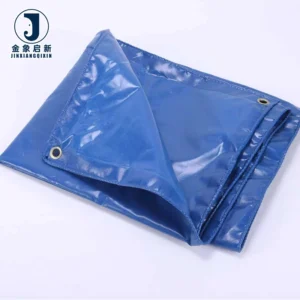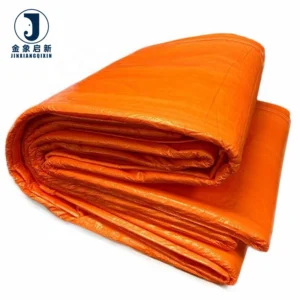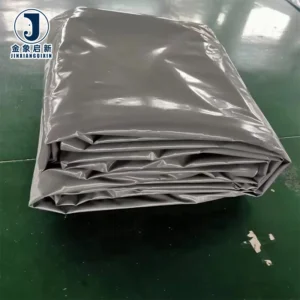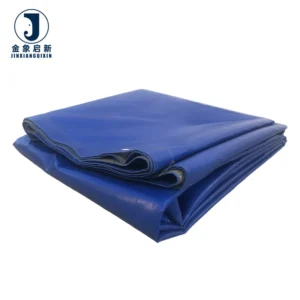
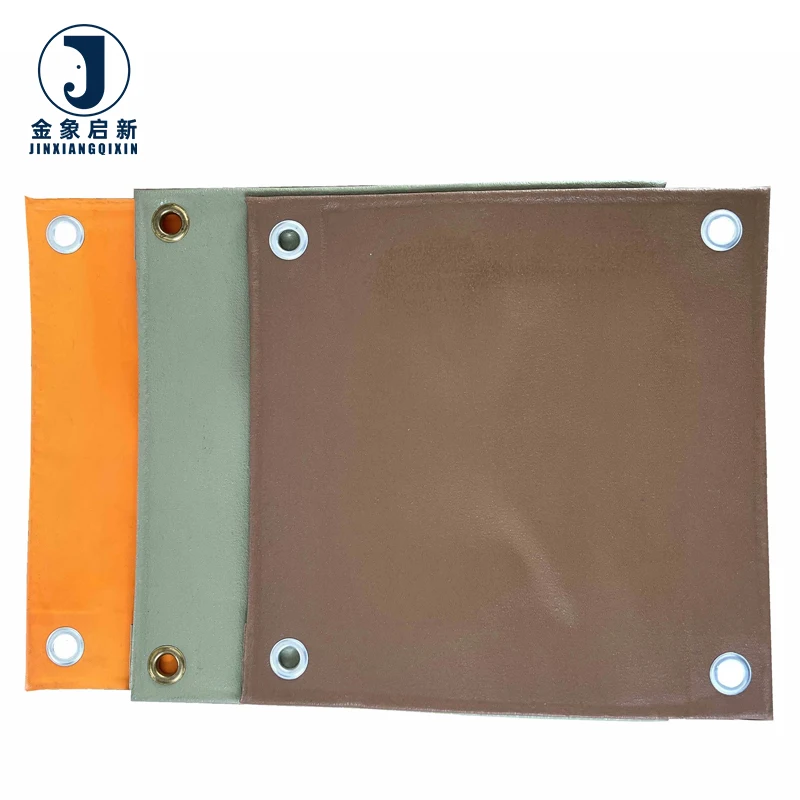
Deep Coating Process Control — our three production lines manage knife-coating adhesion and weight distribution for PVC Coated Tarpaulin rolls, ensuring coating-to-base bond integrity verified through batch testing before dispatch.
Technical Specifications
| Parameter | Value |
|---|---|
| Product Type | PVC Coated Tarpaulin |
| Coating Material | PVC |
| Waterproof | Yes |
| Flame Retardant | Available in flame retardant grades — confirm the grade required for your market |
| Anti-Static | Available in anti-static grades — confirm the standard required for your site |
| Anti-Cold | Yes |
| Anti-Mildew | Yes |
| Weather Resistance | Suited to extended outdoor exposure |
| Mechanical Strength | High tensile construction to resist damage during installation and fitting |
Application Suitability
| Application | Exposure & Requirement |
|---|---|
| Industrial equipment covers | Year-round UV and rain exposure, requiring sustained waterproof integrity and mildew resistance in humid storage yards |
| Construction site enclosures | Wind-driven abrasion against scaffolding, mechanical stress during fitting and removal, flame retardant compliance where hot work occurs nearby |
| Outdoor protective wraps for steel and timber | Moisture ingress prevention over multi-month storage, anti-mildew performance in tropical or coastal climates |
| Structural membrane panels | Tensile load during tensioning, seam weld integrity at stress points, surface cleanability for long-term appearance |
What Separates a Coated Fabric From a Specification Sheet
Buyers receive quotations stating PVC coated tarpaulin with flame retardant and anti-static claims, yet the material arrives without the test documentation the site safety officer requires. The gap between a product description and a verifiable material property is where project compliance fails — not on the day of installation, but at the pre-handover audit weeks later [NEED_CITE: fire classification standards for temporary site enclosures].
A coated fabric is only as reliable as the documentation that travels with it.
We see fabricators specify a PVC coated tarpaulin based on a data sheet that lists treatment options but omits the test basis. When the material is cut, welded, and hung on site, the flame retardant grade — or its absence — becomes the contractor’s liability. The same pattern repeats with anti-static requirements in environments where dust ignition risk exists. The specification must name the standard, and the shipment must carry the report.
How Knife Coating Determines Adhesion and Weld Behaviour
The coating method directly shapes how the fabric performs after fabrication. Knife coating forces PVC paste into the base fabric interstices under controlled pressure, creating a mechanical bond that resists delamination when the material flexes or when heat-welded seams carry load. For PVC coated tarpaulin material and coating technology, this process determines whether the seam fails at the weld line or the fabric body tears first — a distinction that matters at every tie-down point and corner patch.
Treatment Chemistry and What It Means On Site
Flame retardant and anti-static treatments are not surface sprays applied after coating; they are integrated into the PVC formulation or applied as a controlled top coat during the coating pass. Anti-cold modifiers maintain pliability at low ambient temperatures, preventing the brittle cracking that occurs when standard PVC is tensioned in sub-zero conditions. Anti-mildew biocides are compounded into the coating matrix to resist fungal colonisation in humid or tropical installations [NEED_CITE: mildew resistance test methods for coated technical textiles]. Each treatment alters the coating rheology and must be balanced against tensile performance and weld compatibility.
Reading Beyond GSM: Denier, Weave Density, and Coating Weight Together
GSM alone does not define how PVC coated tarpaulin behaves under load. A 650 GSM fabric built on a low-denier base with heavy coating may show acceptable weight on the scale but tear rapidly once a puncture starts, because the yarns lack the individual strength to arrest tear propagation. Conversely, a lighter fabric on a high-denier, dense weave with thinner coating can outperform it in tensile and tear resistance. The base fabric denier and weave density carry the mechanical load; the coating provides waterproofing, chemical resistance, and weld surface. Specifying requires examining all three parameters — base fabric count, coating weight, and finished GSM — as a system rather than a single number. Surface finish also plays a role: glossy surfaces shed dirt and support printed branding adhesion, while matte finishes reduce glare and may improve slip resistance during installation [NEED_CITE: tensile and tear test methods for coated fabrics per ISO 1421].
The Cost of Specifying on Weight Alone
When a buyer approves PVC coated fabric based on a GSM figure without examining the base fabric construction, the result surfaces months into service. Panels tear at eyelet lines under wind load not because the coating was too thin, but because the underlying yarns lacked denier to distribute the point load. Welded seams peel apart because the coating formulation was optimised for weight rather than heat-weld compatibility. Flame retardant treatment claimed on paper does not prevent flame spread when the grade is mismatched to the local fire code. These failures are not material defects — they are specification errors that no amount of incoming inspection can catch after the rolls have been cut [NEED_CITE: common failure modes in coated fabric installations under mechanical stress].
Why Technical Buyers Source PVC Coated Tarpaulin Here
Coating weight and adhesion are controlled across three dedicated production lines with 36 sets of professional equipment, giving consistent output from first roll to last within a batch. The 10-person R&D team develops custom formulations when standard grades do not match the exposure profile — adjusting plasticiser ratios for cold-climate flexibility or modifying flame retardant loading to meet a specific market standard. Every roll undergoes in-process quality checks at each coating stage, not only a final visual inspection. Material specification sheets, test reports for applicable treatments, and pre-shipment inspection records ship with the documentation package. Samples for custom requirements are developed within days, allowing fabricators to validate weld parameters and seam strength before committing to production volume.
Documentation & Verification
- Material specification sheet confirming GSM, base fabric denier, coating type, and treatment options per roll
- Flame retardant test report matching the grade stated on the purchase order, included with shipment
- Anti-static test report supplied where applicable, referencing the standard specified at inquiry stage
- ISO and CE certificates accompanying the export documentation set
- Pre-shipment inspection record showing weight verification and visual check results before dispatch
- Certificate of origin and customs documentation prepared for destination market requirements
Fabrication, Handling & Storage
- Heat-weld parameters must be adjusted to the specific PVC coating formulation — request the weld temperature range for the ordered grade
- Store rolls horizontally on pallets to prevent edge compression marks that become visible after tensioning
- Allow cold-stored rolls to reach ambient temperature before unrolling to avoid coating crease damage in anti-cold grades
- Use PVC-compatible cleaners only; solvent-based agents may soften the coating and reduce surface anti-mildew efficacy
- Plan cutting layout to minimise cross-grain seams, which carry lower tear resistance than warp-direction joins
- Repair minor site damage with PVC patch material matched to the coating formulation for consistent bond strength
Preparing Your Specification for Quotation
To move from inquiry to confirmed order, we need the application description including exposure conditions — outdoor weathering, chemical contact, temperature range, and any mechanical stress during installation. Specify the flame retardant or anti-static standard required by your local code or site safety plan, not just the treatment name. Provide the target width, roll length or cut-panel dimensions, and the colour reference if a specific shade is required. Let us know whether you need roll stock for your own fabrication or finished panels with welded seams and reinforcement. If the project demands a particular surface finish for printing or visual appearance, state this at inquiry so the R&D team can confirm formulation compatibility.
Frequently Asked Questions
Q: How is GSM verified and what is the procedure for arrival re-inspection?
A: Each roll is weighed and measured during pre-shipment inspection, with results recorded on the dispatch documentation. On arrival, you can cut a sample of known dimensions, weigh it, and calculate GSM to cross-check against the stated value. We recommend verifying within the first week of receipt before any cutting or fabrication begins.
Q: Which flame retardant grades are available and do they meet my target market’s fire code?
A: We produce PVC coated tarpaulin in multiple flame retardant grades. The specific grade must be matched to the fire classification standard enforced in your market or on your project site. State the required standard at inquiry stage so we can confirm availability and supply the corresponding test report with shipment.
Q: What test basis supports the weather resistance claims for outdoor use?
A: Weather resistance is achieved through UV-stable PVC formulation and coating density that prevents moisture ingress into the base fabric. The treatment package is documented on the material specification sheet. For projects requiring third-party weathering test data, request this during the sampling phase so the correct grade is selected.
Q: How does the PVC coating method affect heat welding and seam strength?
A: Knife coating produces a coating layer with strong mechanical bond to the base fabric, which supports reliable heat-welded seams when correct temperature and pressure are applied. We supply weld parameter guidance with each order. Fabricators should run test welds on sample material to confirm seam peel strength before full production.
Q: Can custom widths and lengths be produced with batch-to-batch consistency?
A: Custom widths and lengths are produced on dedicated coating lines with controlled formulation mixing, ensuring colour and weight consistency across rolls within the same production run. For recurring orders, we retain the formulation reference to match previous batches. State your width, length, and colour requirements at inquiry to confirm lead time and minimum order.