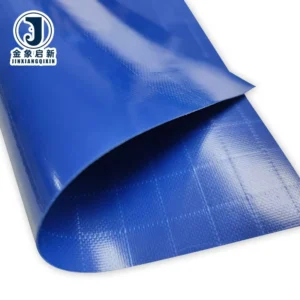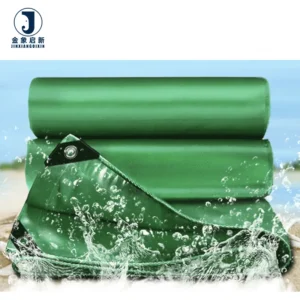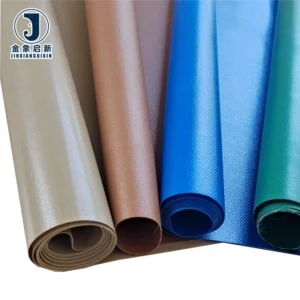


Coating Weight Transparency — every PVC coated tarpaulin roll is backed by a material specification sheet detailing base fabric denier, coating method, and verified GSM, eliminating the gap between quotation and arrival.
Technical Specifications
| Parameter | Value |
|---|---|
| Product Type | PVC Tarpaulin Roll |
| Coating Material | PVC |
| Base Fabric | Polyester, denier and weave available for specification review |
| Weight Range | Lightweight to heavy-duty GSM grades — confirm required grade |
| Finish Options | Available in glossy or matte finish |
| Surface Treatment | Anti-UV treatment available — test basis to be confirmed per grade |
| Flame Retardant | Available in flame retardant grades — confirm the grade required for your market |
| Color Options | Single side or double side colour available |
| Custom Dimensions | Width and length customisable to project requirements |
| Edge Finishing | Eyelets and reinforced hems available on finished panels |
| Printing | Pattern printing and branding available |
| Certification | ISO and CE certified production |
Application Suitability
| Application | Exposure & Requirement |
|---|---|
| Truck side curtains and transport covers | Constant flexing at load points, road debris abrasion, sustained UV exposure |
| Construction site and equipment covers | Weather cycling, mechanical contact, dust and moisture ingress |
| Tent and awning fabrication by roll | Dimensional stability under tension, weldability for panel joining, colour consistency across panels |
| Inflatable and membrane structure fabric | Air-holding integrity, repeated inflation cycles, UV and thermal exposure |
| Pond and reservoir liners | Continuous water contact, soil chemistry resistance, puncture from subgrade |
| Agricultural and aquaculture stock covers | Moisture barrier, UV degradation from prolonged outdoor placement |
Why GSM Alone Misleads Technical Buyers of PVC Coated Tarpaulin Roll
GSM without base fabric construction data tells you almost nothing about how the material will perform under real mechanical load.
A 650 GSM roll built on a low-denier base with heavy coating filler will tear more easily than a 550 GSM roll woven from high-tenacity yarn with a balanced coating. Technical buyers who specify PVC coated tarpaulin roll stock based solely on weight frequently discover at fabrication that tensile and tear values fall short of what the application demands [NEED_CITE: tensile and tear test methods for coated fabrics per ISO 1421]. The coating adds mass but contributes far less to structural strength than the polyester base fabric does. Requesting denier count, weave density, and tested tensile data alongside GSM is the minimum due diligence for any roll stock purchase intended for cut-and-weld production or structural membrane use.
Base Fabric Construction as the Structural Foundation
The polyester base fabric determines how the PVC coated tarpaulin roll behaves when subjected to tension, puncture, and tear propagation. Higher denier yarns resist individual filament breakage, while denser weave structures distribute load across more intersection points before a tear can spread. Jinan Jinxiang provides base fabric denier and weave data so that fabricators can cross-reference the material against the mechanical demands of their specific end use, rather than relying on GSM as a proxy for strength.
Coating Method and Its Influence on Fabrication Behaviour
The coating process directly affects how the material responds to heat welding, high-frequency joining, and adhesive bonding. Knife coating produces a uniform PVC layer that penetrates the base fabric weave, resulting in strong adhesion between coating and yarn. This matters at the weld line, where the coating must melt and fuse consistently without delamination from the base fabric. Specifying PVC coated tarpaulin roll by coating method rather than weight alone gives fabricators a reliable basis for setting welding parameters [NEED_CITE: coating adhesion test methods for PVC coated textiles].
How GSM, Denier, and Coating Weight Interact
GSM is the sum of base fabric weight and coating weight, but the ratio between them defines the material’s character. A high base-fabric-to-coating ratio yields a fabric that is strong relative to its weight, suited to applications where tensile performance is critical, such as tensioned membrane structures or side curtains that flex continuously. A higher coating proportion increases abrasion resistance and liquid barrier performance but adds weight without proportional strength gain. Understanding this balance allows technical buyers to select a PVC coated tarpaulin roll grade that matches the dominant stress type of the intended application, rather than over-specifying weight and paying for coating mass that does not contribute to the required performance.
Specification Errors and Their Fabrication Consequences
Ordering roll stock by GSM alone, without verifying base fabric denier or coating adhesion, surfaces as problems at the fabrication stage rather than at incoming inspection. Rolls that arrive lighter than quoted disrupt production planning and cost estimates. Flame retardant grades claimed without a supporting test report cause compliance failures at project handover, particularly on mining and construction sites where fire classification must be documented. Colour drift between rolls in a single batch forces fabricators to sort and match panels manually, increasing labour and waste [NEED_CITE: colour consistency standards for coated fabric batches]. Weld failures that occur before the fabric itself fails point to coating adhesion issues that could have been identified through specification review before the order was placed.
Why Fabricators Source Roll Stock Through Jinan Jinxiang
Three dedicated coating lines support bulk PVC coated tarpaulin roll production with consistent output scheduling, reducing the risk of extended delays on volume orders. A 10-person R&D team handles material selection and sample development, enabling custom GSM, colour, and treatment combinations to be prototyped within days rather than weeks. Dedicated QA and QC checks at every production stage ensure that the coating weight and base fabric specification stated at order are the same values recorded at dispatch. Nearly 30 years of process control over coating adhesion and weight application provide a basis for the material data that accompanies each roll. Full pre-shipment inspection covers every roll before it leaves the facility, not a statistical sample.
Documentation & Verification
- Material specification sheet confirming GSM, base fabric denier, and coating method per roll
- UV and flame retardant test reports supplied where the selected grade requires them
- Pre-shipment inspection record documenting roll-by-roll weight and visual check
- Colour reference standard recorded for batch consistency verification
- Roll packing list with net weight and dimensions for container loading plans
- Certificate of origin and customs documentation included with each dispatch
Fabrication, Handling & Storage
- Heat welding parameters should be set according to the specific coating method and GSM grade of the roll
- High-frequency welding works best on rolls with consistent PVC coating thickness across the full width
- Store rolls upright on pallets to prevent flat spots and permanent creasing in the coating layer
- Allow cold-stored rolls to reach ambient temperature before unrolling to avoid coating cracking at low flexibility
- Matte finish surfaces may require adjusted ink formulations for pattern printing adhesion
- Cut panels with sealed edges to prevent moisture ingress into the base fabric at exposed yarn ends
What to Include in Your Roll Stock Enquiry
Provide the target application and the dominant mechanical stress — tensile load, flex cycling, puncture risk, or chemical exposure — so the correct base fabric and coating combination can be recommended. Specify the required GSM range, finish type, and whether UV or flame retardant treatment is needed for your market’s compliance framework. Indicate the roll width and estimated annual volume to confirm production line allocation and batch consistency planning. State whether you require raw roll stock or finished panels with eyelets, hems, and custom printing.
Frequently Asked Questions
Q: How is GSM verified and what incoming inspection should the buyer perform?
A: Each roll ships with a specification sheet stating base fabric weight, coating weight, and total GSM. On receipt, cut a measured sample from the roll edge, weigh it on a calibrated scale, and compare against the stated value. Discrepancies beyond normal production tolerance should be flagged before the roll enters production, as downstream fabrication costs compound quickly if the material is underweight.
Q: What is the relationship between GSM, denier, and tensile strength in PVC coated fabric?
A: GSM is the combined weight of base fabric and coating. Tensile strength comes primarily from the polyester base fabric — higher denier and denser weave increase strength. Coating adds mass and abrasion resistance but contributes less to tensile performance. A lower GSM roll with high-tenacity yarn can outperform a heavier roll built on a weaker base.
Q: Which UV treatment test basis supports the stated outdoor performance?
A: Anti-UV treatment is available across the PVC coated tarpaulin roll range, but the test method and exposure duration vary by grade. Request the specific UV test report for the grade you are evaluating, and confirm that the test standard aligns with the climate and exposure duration expected in your end-use market before placing a bulk order.
Q: How does the coating method affect weld and seam behaviour?
A: Knife-coated PVC penetrates the base fabric weave, creating strong adhesion between coating and yarn. This supports consistent heat welding and high-frequency joining without delamination at the seam. Coating adhesion data should be reviewed alongside GSM, as poor adhesion causes weld line failures even when the base fabric itself is structurally adequate for the application.
Q: What flame retardant grades are available for this roll stock?
A: Flame retardant treatment is available in multiple grades to suit different market requirements. The specific grade and test standard must be confirmed based on the compliance framework of your project — mining, construction, and public assembly venues each demand different classifications. Request the test report matching the required grade before confirming the order.