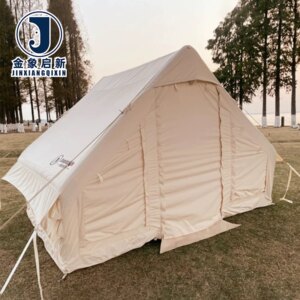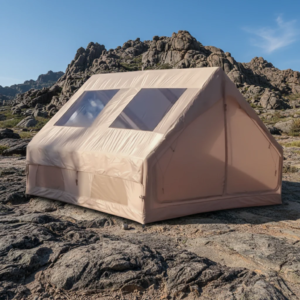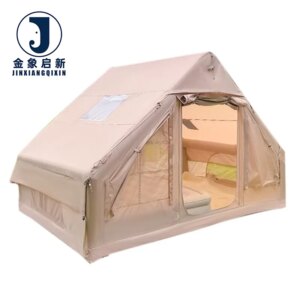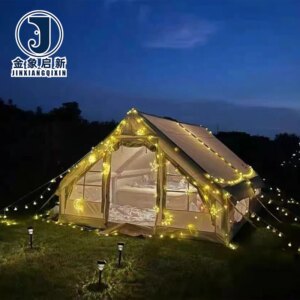
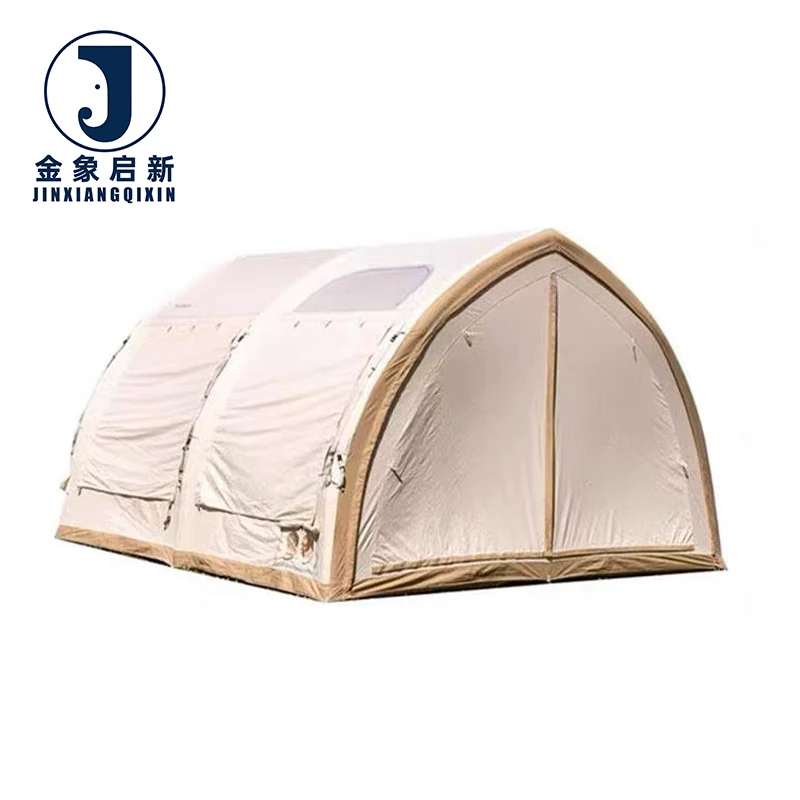
Coating Process Mastery — Nearly three decades of PVC coating expertise applied to inflatable tent fabric, ensuring waterproof and tear-resistant performance across disaster relief and industrial shelter deployments.
Technical Specifications
| Parameter | Value |
|---|---|
| Product Type | Inflatable Tent Fabric |
| Core Material | PVC Tarpaulin |
| Key Features | Waterproof, Tear-resistant, UV-resistant options, Fire-retardant options, Anti-static options |
| Product Forms | Single Layer Construction, Extended Type |
| Waterproof | Yes |
| UV-resistant | Available (test basis not stated in source) |
| Tear-resistant | Yes (grade not stated in source) |
| Flame Retardant | Available (grade not stated in source) |
| Anti-Static | Available (standard not stated in source) |
| Customization | OEM & ODM, sample customization, pattern printing |
| Standards | ISO9001, ISO14001, ISO45001, CE |
Application Suitability
| Application | Exposure & Requirement |
|---|---|
| Emergency disaster relief shelters | Rapid inflation, four-season weather exposure, wind load, repeated deployment cycles |
| Construction site temporary shelters | Prolonged outdoor UV exposure, dust and debris impact, site equipment proximity |
| Mobile storage facilities for logistics | Waterproofing integrity, abrasion from stacked cargo, ground moisture contact |
| Outdoor industrial event workspaces | Sun exposure, temperature fluctuation, frequent assembly and disassembly |
Why "Flame Retardant" Without a Grade Is a Compliance Risk for Inflatable Tent Fabric
Specifying a grade is the only way to pass site safety inspections when deploying inflatable structures in controlled environments.
When procurement teams request flame retardant treatment, suppliers often quote it as a binary feature. But without a documented grade such as B1 per DIN 4102 or NFPA 701, the fabric arrives with no test result to present to a site safety officer. In disaster relief staging areas or construction zones, tents that cannot demonstrate compliance are flagged and removed. As a PVC Inflatable Tent aftermarket supplier, we have observed projects stalled because the delivered material lacked the specific certification the local authority required. [NEED_CITE: fire classification standards for temporary structures and tensile membrane materials]
Coating Integrity and Air Retention in Inflatable Structures
Inflatable tents depend on sealed seams and a continuous air chamber to maintain structural rigidity. The PVC tarpaulin base must hold internal pressure without delamination at the weld lines, particularly where the fabric flexes during inflation and deflation cycles. Waterproof construction ensures the outer skin sheds rain and ground moisture, while tear-resistant performance prevents a small puncture from propagating across a pressurized panel.
Treatment Verification Before Deployment
UV-resistant, flame retardant, and anti-static options are available for inflatable tent fabric — confirm the specific grade required for your market before production begins. Each treatment alters the coating chemistry, and the resulting performance must be documented with a test report. A construction project in a region with strict fire codes cannot accept a generic "FR treated" label; the site inspector will ask for the classification document. [NEED_CITE: test methods for flame retardancy and anti-static properties in coated technical textiles]
Reading the Specification Sheet Beyond Surface Claims
Waterproofing in PVC tarpaulin is achieved through a fully coated construction that eliminates the pinholes common in laminated alternatives. Tear resistance originates from the base fabric weave and denier, not from the coating alone — a heavier coating does not automatically mean higher tear strength. The relationship between base fabric density and coating weight determines how the material behaves under wind load and inflation pressure. For inflatable structures, the single-layer and extended-type forms balance transport efficiency with the rigidity needed once the air beams are pressurised. Surface finish options influence how easily dust and dirt are cleaned from the exterior after prolonged site use.
The Hidden Cost of Undocumented Treatment Grades
When flame retardant or anti-static treatment is claimed without a supporting test result, the risk surfaces only at the point of compliance inspection — often after the tents are already inflated and occupied. A batch that arrives without verifiable documentation can halt an entire disaster relief operation or force a contractor to source replacement shelters on short notice. Colour inconsistency between rolls, when tents are erected side by side at an event site, creates a visible patchwork that undermines the professional appearance the client expected. [NEED_CITE: batch consistency challenges and colour variation in PVC coated fabric production] Weld failures on inflatable beams, caused by coating chemistry incompatible with the heat sealing parameters used, compromise structural integrity before the fabric itself shows any sign of wear.
Why Buyers Source Inflatable Tent Fabric From This Facility
Deep process control over PVC coating weight and adhesion is built from nearly 30 years focused exclusively on coated fabrics. Three full production lines and 36 sets of professional equipment support bulk inflatable tent fabric orders with consistent quality across every roll. A 10-person R&D team handles pattern printing, sample development, and sizing customisation, ensuring OEM and ODM specifications are matched before mass production begins. Dedicated QA and QC staff conduct in-process checks and 100 percent pre-shipment inspection, so the inflatable tent fabric leaving the facility matches the agreed specification sheet. ISO9001, ISO14001, ISO45001 and CE certifications back the production system, not just the final product.
Documentation & Verification
- Material specification sheet listing base fabric type, coating composition, and available treatment options per roll
- Test reports for UV-resistant and flame retardant grades supplied when the specific grade is confirmed at order
- Pre-shipment inspection record confirming waterproof integrity and tear-resistant performance before dispatch
- ISO and CE certificates included in the shipping documentation package
- Roll packing list with batch reference for traceability across large inflatable tent fabric orders
Fabrication, Handling & Storage
- Heat seal parameters must be matched to the PVC tarpaulin coating chemistry to prevent weld line failure on inflatable beams
- Store rolls flat or upright on pallets to avoid permanent creasing that affects air chamber geometry during inflation
- Avoid dragging single-layer fabric across abrasive ground surfaces during site deployment to preserve waterproof coating integrity
- Use compatible PVC adhesive and patch material for field repairs on tear-resistant panels to maintain structural continuity
- Clean exterior surfaces with mild detergent only; aggressive solvents can degrade the coating and compromise UV-resistant treatment
- When cutting extended-type panels, plan seam placement to align with low-stress zones and minimise weld count on pressurised sections
Requesting a Quote for Inflatable Tent Fabric
Provide the intended application and deployment environment so we can recommend the correct treatment combination and construction form. Specify your target market’s fire safety or anti-static compliance requirements to ensure the correct grade is documented. Indicate the required roll width, estimated annual volume, and whether pattern printing or OEM branding is needed for your inflatable tent product line.
Frequently Asked Questions
Q: How are fire-retardant and anti-static grades verified and documented for inflatable tent fabric?
A: Each treatment grade is confirmed at the order stage and backed by a test report from a recognised standard. We supply the documentation with your shipment so you can present it to site inspectors. If your market requires a specific classification, share the standard reference during inquiry and we will align production and testing accordingly.
Q: What construction options are available for inflatable tent applications?
A: Single layer construction suits rapid-deployment shelters where transport weight matters. Extended type forms provide additional coverage for larger temporary workspaces. Both forms use the same PVC tarpaulin base, ensuring consistent waterproof and tear-resistant performance regardless of the structure size you are manufacturing.
Q: How is batch-to-batch colour consistency controlled across large custom orders?
A: Colour reference is locked at the sample approval stage. During production, in-process QA checks compare each roll against the approved standard. A 100 percent pre-shipment inspection catches any variation before dispatch, preventing visible mismatches when multiple inflatable tents are erected side by side at a single site.
Q: What customisation options are supported — sizing, pattern printing, and structural design?
A: OEM and ODM services cover roll width, cut sizing, pattern printing, and branding. Our R&D team develops samples for your approval before mass production, ensuring the inflatable tent fabric meets your structural design requirements and aesthetic specifications. Customisation requests are quoted with lead time and minimum order details.
Q: What lead times apply to customised inflatable tent fabric orders?
A: Standard stock grades ship within shorter timeframes, while custom colours, widths, or printed patterns require additional production time. Lead time is confirmed at quotation based on your specification complexity and order volume. Sample development is completed within days to keep the approval process moving without delaying your production schedule.