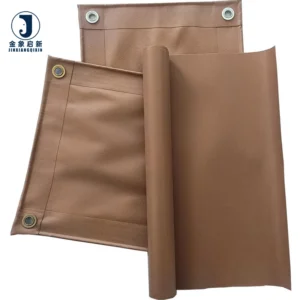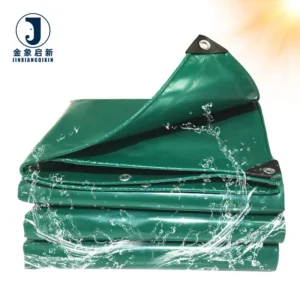
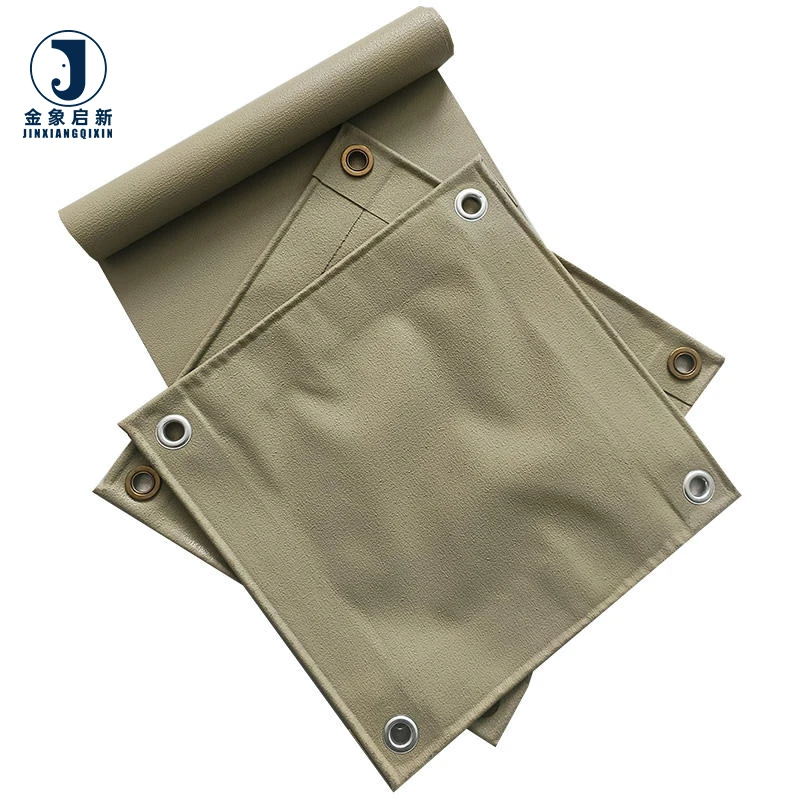
Process Control Over Coating Weight — Each roll undergoes GSM verification at the coating stage, ensuring the stated weight matches delivery for PVC coated tarpaulin used in truck cargo cover applications.
Technical Specifications
| Parameter | Value |
|---|---|
| Product Type | PVC Coated Tarpaulin |
| Coating Material | PVC |
| Weight Options | 700gsm / 850gsm / 900gsm |
| Waterproof | Yes |
| Flame Retardant | Available (grade not stated — confirm requirement) |
| Anti-Static | Available (standard not stated — confirm requirement) |
| Anti-Cold | Available (test basis not stated) |
| Anti-Mildew | Available (test basis not stated) |
| Weather Resistance | Suited to extended outdoor exposure |
| Application Form | Roll and custom cut sizes |
| Certification | ISO, CE (documentation available on request) |
Application Suitability
| Application | Exposure & Requirement |
|---|---|
| Truck side curtain and cargo cover | Constant flexing at load points, road debris abrasion, sustained UV and weather exposure |
| Transport fleet load restraint | Repeated tie-down tension, dynamic wind load, requirement for weld integrity at hem and eyelet zones |
| Construction site equipment cover | Outdoor storage, moisture ingress prevention, potential fire safety compliance on regulated sites |
| Agricultural and aquaculture stock cover | Prolonged sun and rain exposure, mildew risk in humid environments, contact with organic material |
Why GSM Alone Does Not Tell You How Strong the Coated Fabric Is
Coating weight and base fabric construction together determine real-world tensile and tear performance — not GSM by itself.
Technical buyers often receive a quotation stating a specific GSM for their PVC coated tarpaulin, only to find the delivered material feels lighter or performs below expectation under load. The GSM figure combines base fabric density and coating weight, meaning two fabrics with the same stated GSM can behave differently under tension or at welded seams [NEED_CITE: tensile and tear test methods for coated fabrics per ISO 1421]. Without a material specification sheet that breaks down these components, the number on the quote is an incomplete reference for procurement decisions.
Coating Weight and Method Determine Weather Performance
The PVC coating applied to the base fabric provides the waterproof barrier and contributes significantly to the overall weight grade. For truck cargo covers exposed to continuous road weather, the coating method influences how well the material resists water penetration over extended use. The available 700gsm, 850gsm, and 900gsm options reflect different coating thicknesses applied to the base textile, each suited to varying levels of exposure severity and mechanical demand from the fleet operation.
Treatment Options Require Verified Test Documentation
Flame retardant and anti-static treatments are available for this PVC coated tarpaulin range, but the specific grade and test standard must be confirmed before specification. A mining or tunnelling contractor requiring ventilation-adjacent covers may need a particular fire classification, while a transport fleet operating in fuel-handling zones may require documented anti-static properties [NEED_CITE: fire classification standards for PVC coated fabrics in transport and construction]. Request the test report that corresponds to your target market’s regulatory framework before finalising the order.
Base Fabric Density and Coating Adhesion at Stress Points
The relationship between base fabric denier, weave density, and PVC coating weight directly affects how the material behaves at welded seams and eyelet reinforcement zones. Heavier coating grades such as 850gsm and 900gsm provide additional material at the weld interface, which can improve heat-seal integrity where the cargo cover flexes under load. However, if the base fabric density is insufficient, the coating alone cannot prevent tear propagation once a stress point initiates [NEED_CITE: weld and seam behaviour in coated fabric under cyclic flex loading]. The three available GSM grades allow specification matching to the mechanical demands of the trailer model and load profile.
What Happens When Coating Weight Does Not Match the Quotation
When the delivered PVC coated tarpaulin arrives lighter than the GSM stated on the quotation, the consequences appear first at high-stress zones — welded hems, eyelet perimeters, and areas where the fabric wraps around load edges. The coating may be thinner than required for reliable heat-seal performance, causing seam failure before the fabric body itself degrades. For fleet operators running multi-vehicle cover replacements, inconsistent coating weight across rolls in the same shipment leads to uneven service life and unpredictable maintenance intervals [NEED_CITE: pre-shipment inspection practices for coated fabric roll consistency].
Material Transparency and Process Capability
The 10-person R&D team handles material selection and sample development specific to coated fabric applications, allowing technical buyers to evaluate coating weight and treatment options before committing to bulk. Three full production lines with 36 sets of professional equipment support consistent output across the 700gsm, 850gsm, and 900gsm grades. Dedicated QA/QC at every production stage includes coating weight verification, with 100% pre-shipment inspection applied to each roll or cut size before dispatch. Sample development is available within days for custom requirements, enabling side-by-side evaluation of coating behaviour under your specific welding parameters.
Documentation & Verification
- Material specification sheet stating GSM, base fabric construction, and PVC coating weight per grade
- Test report for flame retardant or anti-static treatment — request the standard that applies to your market
- Pre-shipment inspection record confirming coating weight verification against the stated GSM
- ISO and CE certificates available to support import compliance and buyer audit requirements
- Roll packing list detailing weight, dimensions, and batch reference for traceability
Fabrication, Handling & Storage
- Heat-seal temperature and dwell time must be calibrated to the specific GSM grade — 900gsm requires higher energy input than 700gsm at the weld interface
- Store rolls horizontally on pallets in shaded conditions to prevent surface embossing and coating deformation under sustained pressure
- Allow cold-stored PVC coated tarpaulin rolls to acclimatise before unrolling to avoid coating crack at low-temperature flex points
- Use compatible PVC-based repair patches and solvent cement for field repairs, matching the coating chemistry for proper adhesion
- Plan cut patterns across the roll width to minimise offcut waste, particularly on the heavier 850gsm and 900gsm grades
Specifying the Right Grade for Your Application
Provide the trailer model dimensions, expected load profile, and the environmental exposure conditions your fleet encounters so that the appropriate GSM grade and treatment combination can be recommended. If your target market requires fire safety or anti-static compliance, specify the regulatory standard you need met so that the correct test documentation is prepared. Confirm whether you require roll stock for in-house fabrication or finished cut sizes with hem and eyelet finishing before the quotation stage.
Frequently Asked Questions
Q: How is the GSM verified and how can I re-inspect on arrival?
A: Each roll undergoes coating weight verification during production, and a pre-shipment inspection record is generated. On arrival, you can conduct a sample cut test using a calibrated scale to confirm the weight matches the stated 700gsm, 850gsm, or 900gsm. Request the inspection documentation with your shipment to cross-reference batch data.
Q: What flame retardant grade is available for my market’s fire safety requirements?
A: Flame retardant treatment is available across the PVC coated tarpaulin range, but the specific grade must be confirmed against your local regulatory standard. Provide the fire classification required in your target market so that the appropriate test report can be sourced and supplied with your order documentation.
Q: How does the coating method affect weld and seam behaviour at flex points?
A: The PVC coating weight directly influences heat-seal performance at welded hems and joints. Heavier grades such as 900gsm provide more coating material at the weld interface, which can improve seam integrity under cyclic flex loading. Calibrate your welding equipment settings to the specific GSM grade for optimal results.
Q: What documentation accompanies each shipment for material traceability?
A: Each shipment includes a material specification sheet, roll packing list with batch reference, pre-shipment inspection record, and certificate of origin. Test reports for flame retardant or anti-static treatments are included where applicable. ISO and CE certificates are available on request for compliance and audit purposes.