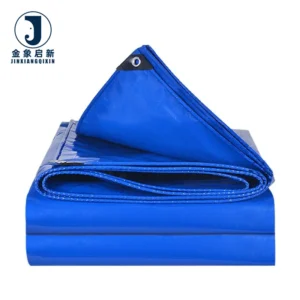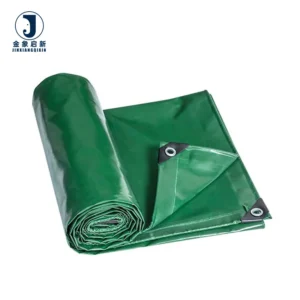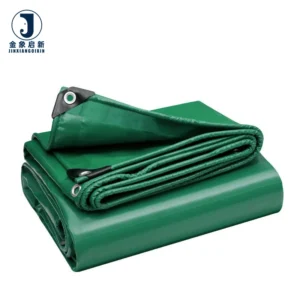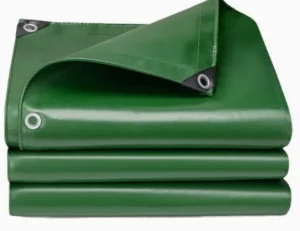
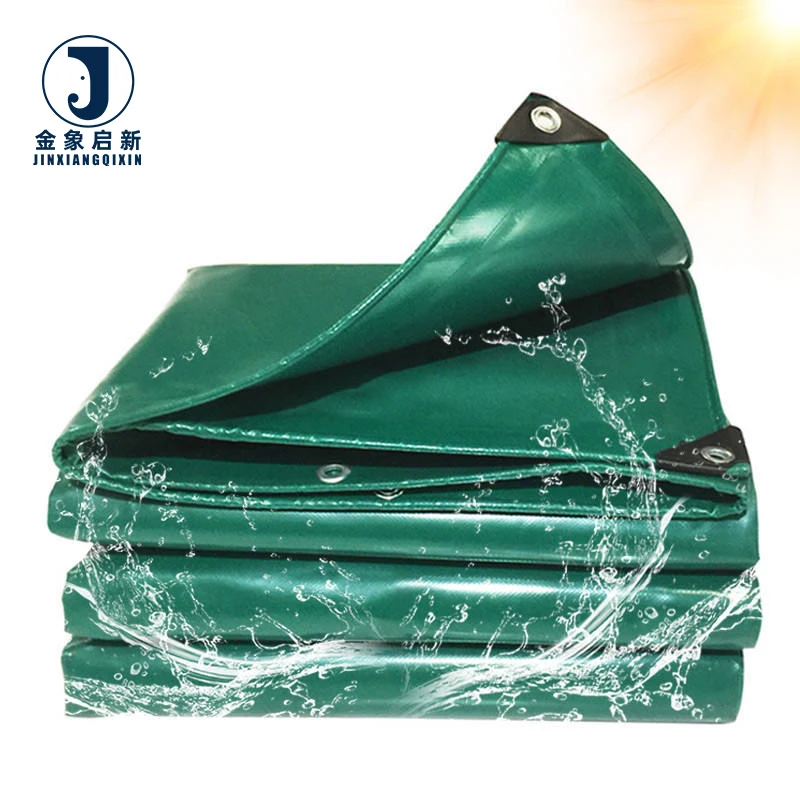
Deep Process Control — coating weight and adhesion monitored at every stage across three full production lines, ensuring each roll of this PVC coated fabric meets the stated specification before it leaves the factory.
Technical Specifications
| Parameter | Value |
|---|---|
| Product Type | PVC Coated Fabric |
| Coating Material | PVC (Vinyl) |
| Weight | At least 450 GSM |
| Base Fabric | Woven Fabric |
| Water Resistance | Fully Waterproof |
| Finish | High-strength Sheeting |
| Assembly Format | Roll or Cut Sheet |
| Certifications | ISO, CE |
Application Suitability
| Application | Exposure & Requirement |
|---|---|
| Industrial Equipment Covers | Outdoor weather, mechanical handling, abrasion from loading and unloading |
| Vehicle and Fleet Tarpaulins | Road debris, constant UV exposure, rain and wind at highway speed |
| Construction Site Sheeting | Prolonged sun exposure, dust, puncture risk from scaffolding and tools |
| Agricultural Protective Covers | Moisture, soil contact, seasonal temperature variation |
Why the Quoted GSM Rarely Matches What Arrives on the Dock
Verifiable coating weight and base fabric data, backed by pre-shipment inspection records, is the only way to confirm you received what you paid for.
Technical buyers regularly face a gap between the PVC coated fabric 450 gsm knife coated specification on the quotation and the actual material that arrives in the container. Rolls can measure lighter than agreed, UV treatment may be claimed without a test report to support it, and colour can shift noticeably between batches ordered months apart [NEED_CITE: common discrepancies in coated fabric shipment verification]. These are not cosmetic issues. A lighter roll often means a thinner coating or a looser base weave, both of which reduce tear resistance and shorten service life in demanding industrial and outdoor environments. Without documentation that traces every roll from coating to dispatch, the buyer absorbs all the risk.
Base Fabric Construction and Dimensional Stability
The woven base fabric is the structural backbone of any PVC coated fabric. Yarn denier and weave density determine how the material behaves under tension before the coating is even applied. A tighter weave delivers better dimensional stability, meaning the fabric resists stretching and distortion when pulled across a frame or subjected to wind load on a truck trailer. The coating adds waterproofing and surface protection, but it cannot compensate for a base fabric that lacks inherent strength.
Coating Adhesion and Downstream Fabrication
PVC vinyl coating applied to the woven substrate must bond consistently across the entire roll surface. Adhesion quality directly affects how the material performs during heat welding and high-frequency seaming, which are the primary fabrication methods for industrial covers and tarpaulin panels. When coating thickness varies from one edge of the roll to the other, weld parameters that work in one section may produce weak seams in another, leading to field failures that appear long after installation.
Reading the Specification Sheet Beyond the GSM Number
Grams per square meter is a useful reference point, but it conflates two very different contributors: the base fabric weight and the coating weight. A 450 GSM PVC coated fabric 450 gsm knife coated material could achieve that figure through a heavy coating on a light base, or a lighter coating on a denser weave. The two constructions behave differently. A heavier base fabric generally offers higher tensile and tear strength, while a heavier coating improves waterproofing and chemical resistance. Understanding this ratio is essential for matching the material to the mechanical demands of the end use [NEED_CITE: relationship between base fabric density and tensile performance per ISO 1421].
The Real Cost of Underspecifying Coated Fabric
When a roll arrives below the quoted GSM, the downstream consequences compound quickly. Covers made from underweight material show premature wear at stress points, seams fail before the fabric body does, and the entire batch may need to be replaced before its expected service life ends. For fabricators, this means warranty claims and reputational damage. For end users, it means unplanned downtime and re-procurement costs that far exceed the original savings on a cheaper roll [NEED_CITE: seam failure rates in coated fabric installations].
Why Sourcing This Material Here Makes Sense
Nearly 30 years of focused production on coated fabric means the coating formulation and adhesion processes are refined, not experimental. Three full production lines and 36 sets of professional equipment support bulk roll output without sacrificing consistency from one roll to the next. A dedicated 10-person R&D team handles custom sizing, pattern printing, and sample development, so specifications can be validated before a full order is committed. Every roll undergoes 100 percent inspection before shipment, with a pre-shipment record provided so the buyer can verify GSM and colour against the approved sample before the container is sealed.
Documentation & Verification
- Material specification sheet stating exact GSM, base fabric denier, and PVC coating formulation per roll
- UV and flame retardant test reports available — confirm the grade required for your market
- ISO and CE certificates included with shipment documentation package
- Pre-shipment inspection record with weight and colour verification before dispatch
- Roll packing list with batch traceability for each unit shipped
Fabrication, Handling & Storage
- Heat-weld seams using parameters matched to the PVC vinyl coating thickness for consistent peel strength
- Store rolls upright on pallets to prevent flat-spot deformation of the woven fabric core
- Allow rolls to acclimatise before unrolling in cold conditions to avoid coating stiffness and cracking
- Use compatible PVC adhesive patches for field repairs on high-strength sheeting surfaces
- Plan cutting layouts to maximise yield from the roll width and minimise off-cut waste
Request a Specification Match for Your Application
To move forward, provide the intended application, exposure conditions, and any fire safety or compliance requirements specific to your market. Specify the roll width and estimated annual volume so we can confirm availability and lead time. If you need a particular colour reference, gloss or matte finish, or custom printing, include those details along with whether you require full rolls or pre-cut sheets. Samples can be developed within days for your approval before bulk production begins.
Frequently Asked Questions
Q: How can I verify the GSM of delivered rolls matches the quoted specification?
A: Every roll undergoes 100 percent pre-shipment inspection, and a weight verification record is provided before dispatch. On receipt, you can cross-check using a calibrated scale and a measured sample cut. We recommend requesting the material specification sheet that states both base fabric weight and coating weight separately, so you can confirm the total GSM aligns with your order.
Q: What UV and flame retardant test reports are available for this PVC coated fabric?
A: Test reports for UV resistance and flame retardancy are available depending on the grade specified at order stage. Different markets require different standards, such as M2, B1, or NFPA 701 for flame retardancy. Confirm the grade required for your application and region before ordering, and the corresponding third-party test documentation will be included with your shipment.
Q: What are the recommended heat-welding parameters for this woven PVC fabric?
A: Welding temperature, speed, and pressure depend on the PVC vinyl coating thickness and the welding equipment used. We recommend running test welds on a sample cut from the production roll to establish optimal parameters before full fabrication. Consistent coating thickness across the roll supports reliable hot-air or high-frequency welds with uniform peel strength.
Q: How do you ensure colour consistency across multiple rolls in one order?
A: Colour is matched against a confirmed Pantone or RAL reference, and each roll is checked during the pre-shipment inspection for visual consistency. If your project requires multiple rolls installed side by side, specify this at the inquiry stage so batch matching can be prioritised during production planning.
Q: Can I order custom widths, lengths, or printed branding on this material?
A: Custom widths, cut lengths, and pattern printing are available through the R&D team. Provide your dimensional requirements, colour reference, and any branding artwork at the inquiry stage. Samples are developed within days for your review and approval before bulk production commences.