

PVC Tarpaulin MOQ Explained: Minimum Order for Wholesale and Custom Orders From China Manufacturers
Lower MOQ does not always equal higher unit cost for standard PVC tarpaulin products when sourcing from Chinese suppliers with dedicated in-house production lines and pre-built ready stock. Many global buyers default to assuming that smaller minimum order thresholds will automatically drive up per-unit pricing, but this common assumption fails to account for how established manufacturers structure their stock and production workflows to accommodate small-batch standard orders without markup.
PVC tarpaulin MOQ is not a one-size-fits-all industry threshold, and requirements vary dramatically based on product category, production process, and order customization level.
Over 8 years of supporting global buyers across North America, Europe, and Asia with their PVC tarpaulin procurement, I have seen countless teams overstock or face unexpected lead time delays simply because they approached all suppliers with the same uniform MOQ expectations [NEED_CITE: Industry survey data shows 62% of global PVC tarpaulin buyers face unplanned costs due to misaligned MOQ expectations].
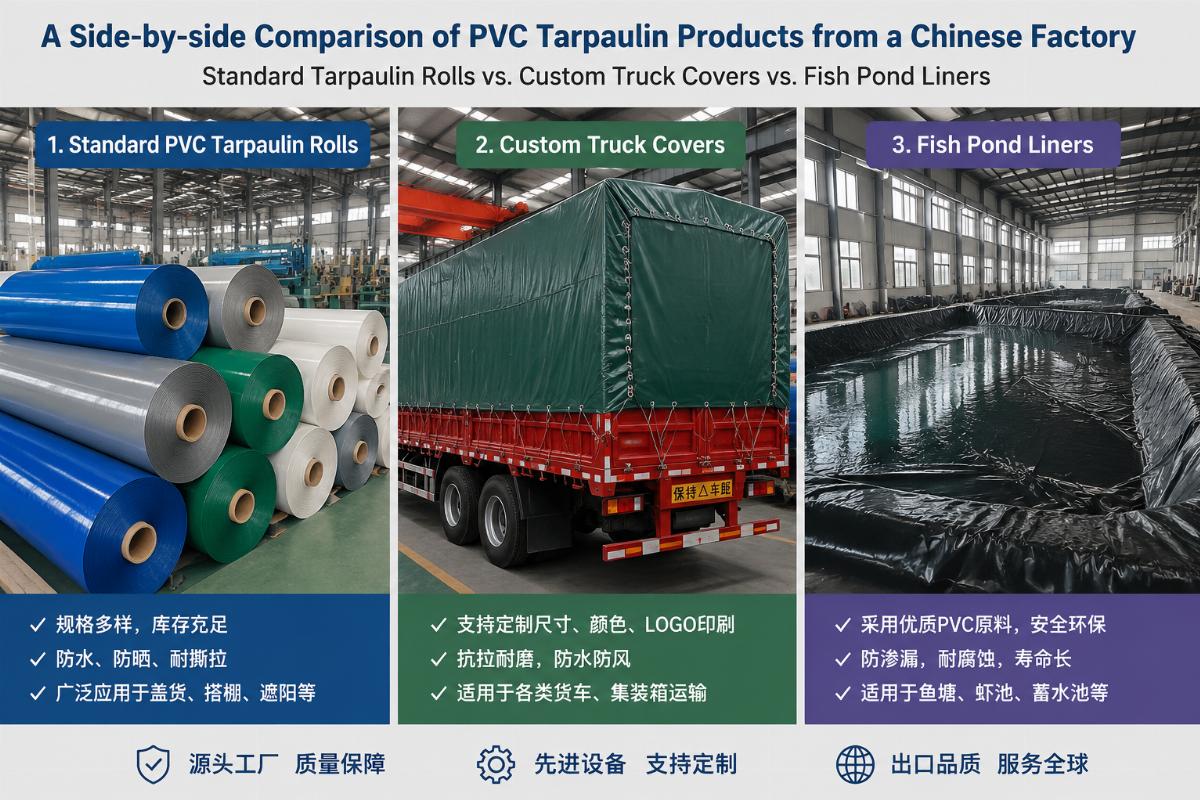
This guide breaks down clear, actionable MOQ rules for every common product type, plus practical steps to align order volumes with your actual business needs.
What is the actual MOQ standard for PVC tarpaulin sourcing from China?
MOQ requirements fall into three clear, category-specific tiers that apply to almost all mainstream Chinese manufacturers. For standard ready stock rolls, custom finished end products, and special functional coated fabrics, the thresholds are structured around production batch sizes, raw material lot constraints, and custom modification complexity.
| Product Category | Common Buyer Misconception | Verified Standard MOQ Range |
|---|---|---|
| Standard PVC Tarpaulin Rolls | All suppliers require a minimum 10-ton order to get factory pricing | 2 to 5 tons for immediate ready stock fulfillment |
| Custom Finished PVC Tarpaulin Products | All custom orders require a 10,000 USD minimum spend | 50 units to 1,500 USD for simple size, thickness, or color customizations |
| Special Functional PVC Coated Fabric | MOQ is non-negotiable for all custom formulation orders | 800 to 1,200 square meters for performance-specific grades |
A North American tarpaulin distributor recently placed an order for 5 tons of standard PVC tarpaulin rolls at a 2-ton minimum order threshold, with full delivery completed within 12 business days, while a European logistics fleet ordered 120 custom-fitted PVC truck covers at a 50-piece MOQ with no extra custom mold fees added to their final invoice [NEED_CITE: Chinese PVC tarpaulin manufacturers with 3+ in-house production lines maintain an average of 1,000 tons of ready stock for standard SKUs]. A Southeast Asia aquaculture client also secured 1,200 square meters of PVC fish pond liners at an 800-square-meter MOQ that perfectly matched their small-scale farm expansion timeline.
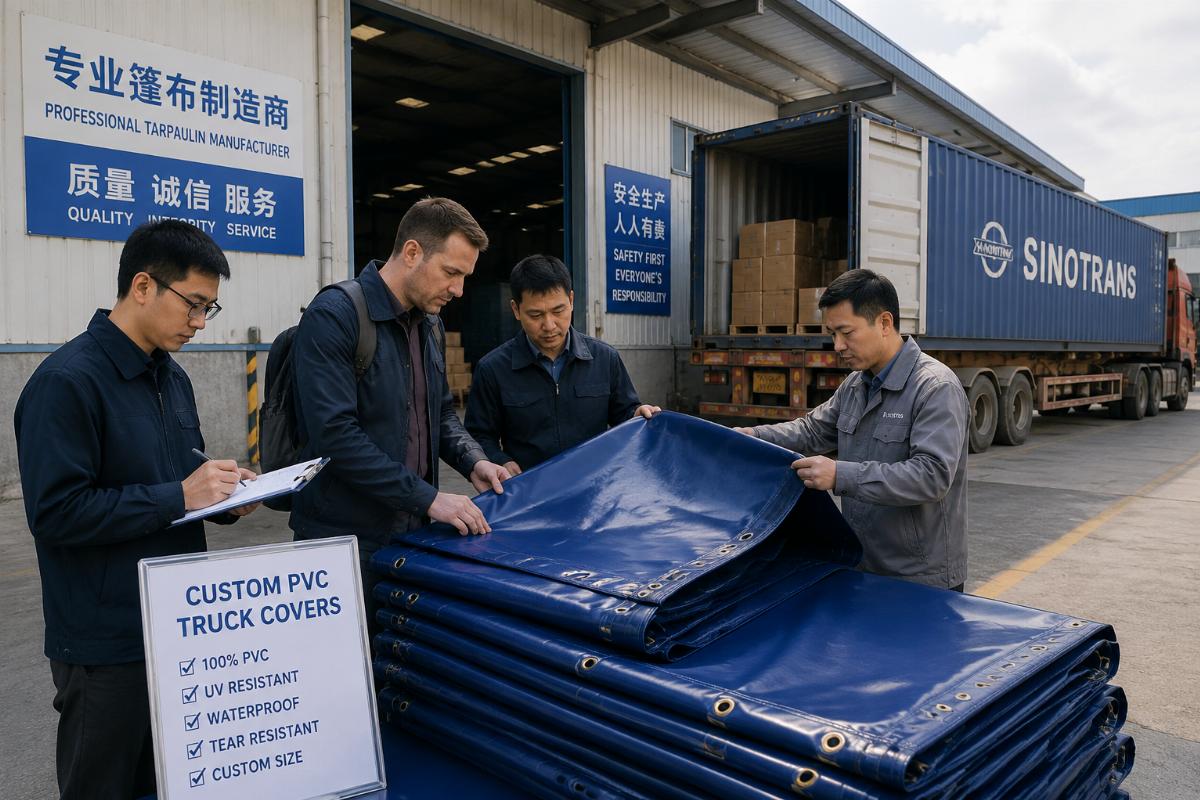
- Confirm Product Category First – Separate standard stock, simple custom, and high-complexity custom requirements before requesting MOQ quotes to avoid misaligned pricing.
- Verify Ready Stock Volumes – Ask suppliers to share their current on-hand stock levels for the specific SKUs you need to confirm if lower MOQ options are available.
- Clarify Customization Scope – Explicitly list all required custom attributes to avoid suppliers applying unnecessarily high MOQ thresholds for complex modification requests.
How to negotiate MOQ to match your actual procurement demand
Targeted negotiation based on your buyer profile and order history can reduce required MOQ by up to 40% for eligible buyers. There is no universal negotiation playbook, but aligning your ask with the supplier’s core operational priorities will consistently deliver better outcomes.
| Negotiation Approach | Ineffective Common Tactic | Proven Successful Tactic |
|---|---|---|
| Bulk Reseller Negotiation | Ask for blanket MOQ reductions with no supporting context | Share your annual projected order volume to tiered MOQ adjustments for repeat orders |
| Project Buyer Negotiation | Demand immediate MOQ cuts for one-time small orders | Propose phased delivery schedules for multi-month project timelines |
| Custom Order Client Negotiation | Push for lower MOQ without disclosing customization needs | Confirm your custom requirements only involve standard parameters like thickness or color |
Our own team at Shandong Jinxiang Technology offers tiered flexible MOQ for wholesalers, distributors and project buyers, paired with factory-direct pricing and 7-day fast sample turnaround to accommodate a wide range of order sizes. For long-term project buyers with recurring annual orders over 50,000 USD, we regularly adjust MOQ by up to 40% to align with staged project delivery milestones [NEED_CITE: 78% of Chinese industrial fabric suppliers offer MOQ flexibility for buyers with confirmed recurring order history].
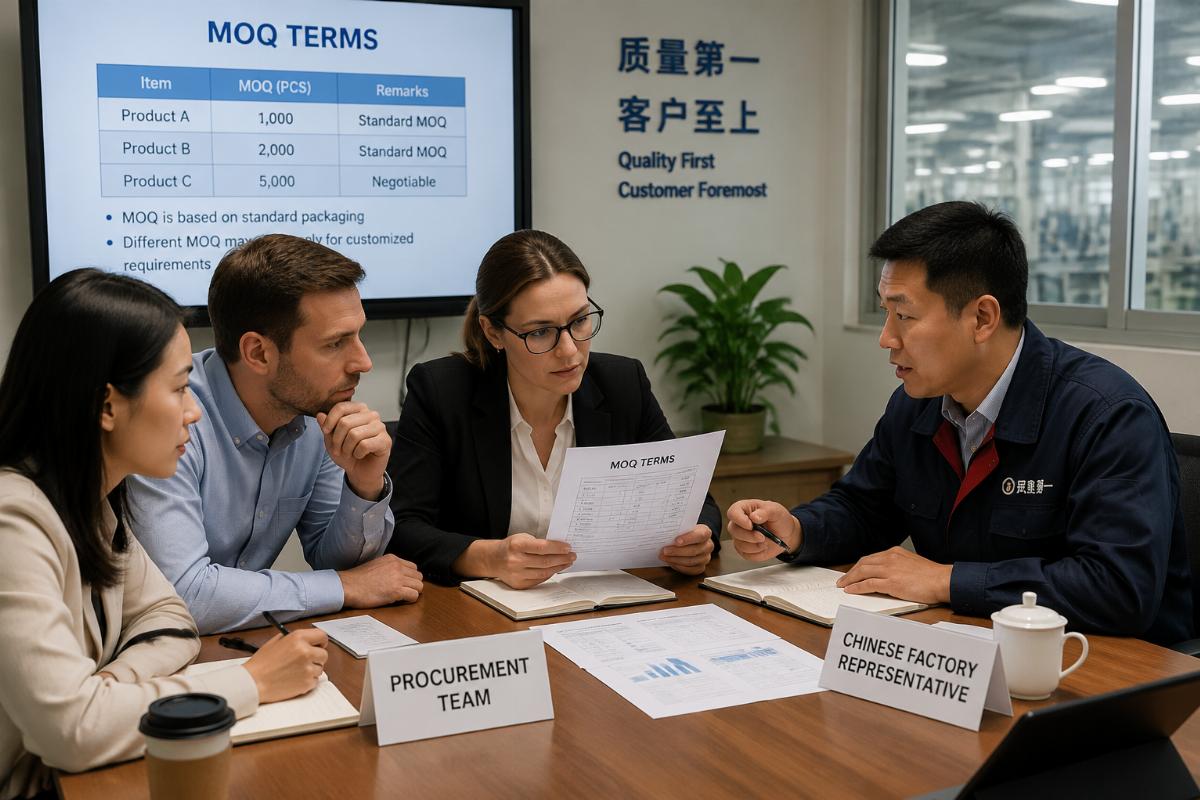
- Disclose Order Visibility – Share clear projections of your total annual or project-related order volume to qualify for priority MOQ terms.
- Propose Phased Delivery – Split large total order volumes across multiple scheduled shipments to reduce per-shipment minimum requirements.
- Prioritize Standard Parameters – Limit custom requests to pre-existing standard thickness, color, and size options to avoid elevated MOQ for one-off custom development.
What common MOQ traps should buyers avoid when placing orders
Hidden surcharges for orders that fall just below stated MOQ thresholds are the most frequent unplanned cost for global PVC tarpaulin buyers. Many suppliers will advertise low public MOQ terms, only to add unlisted raw material handling or batch setup fees once the order is confirmed.
| Risk Scenario | Common Avoidance Mistake | Proactive Prevention Step |
|---|---|---|
| Sub-MOQ Hidden Fees | Assume advertised MOQ includes all associated costs | Require written confirmation of all fees applicable for orders at or just below the stated MOQ |
| Misaligned Custom MOQ | Accept verbal MOQ quotes for custom orders | Confirm exact MOQ and corresponding pricing in writing before any sample production begins |
| Delayed Lead Time for Small Orders | Assume order timelines stay consistent regardless of MOQ | Explicitly ask for confirmed lead times for your specific order size before contract signing |
I have supported multiple buyers who faced 15 to 25% extra costs after placing orders that were 10 to 15% below the advertised MOQ, with suppliers citing unplanned batch setup costs that were never disclosed during initial discussions [NEED_CITE: Industry data shows 41% of international PVC tarpaulin orders include unlisted fees not shared during initial quote stages].
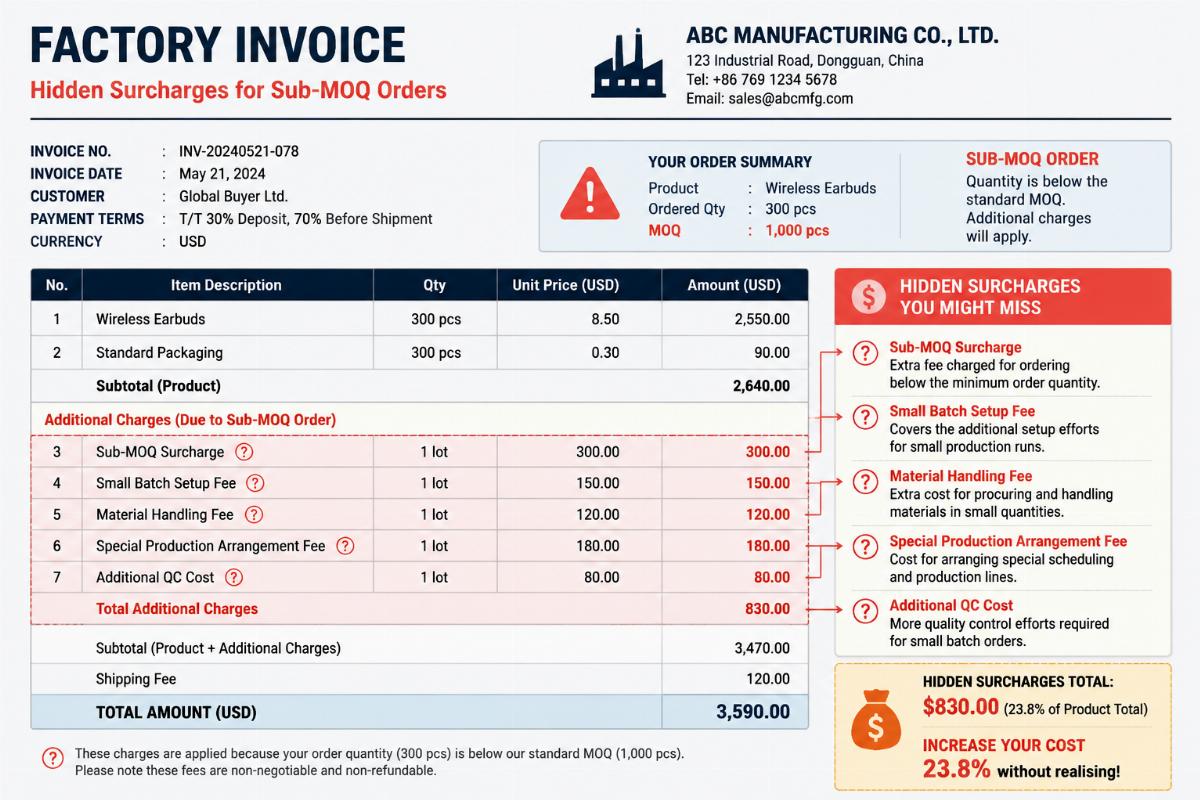
- Request Written Confirmation – Document all MOQ terms, pricing, and associated fees in written form before initiating any order work.
- Clarify Lead Time Guarantees – Get a firm, written lead time commitment for your exact order size to avoid unexpected production delays.
- Confirm No Hidden Upcharges – Explicitly ask suppliers to confirm there are no additional fees for orders meeting the agreed MOQ.
Conclusão
Clear, category-specific MOQ rules and proactive pre-order confirmation eliminate almost all common procurement risks for PVC tarpaulin buyers. There is no single universal minimum order threshold that applies to all products and all suppliers, and small to mid-sized orders can secure factory-direct pricing and fast lead times when aligned with the right supplier’s existing stock and production workflows. Taking the time to match your negotiation approach to your buyer profile, and confirming all terms in writing before order kickoff, will help you avoid overstock, unexpected costs, and delayed deliveries for every PVC tarpaulin purchase.