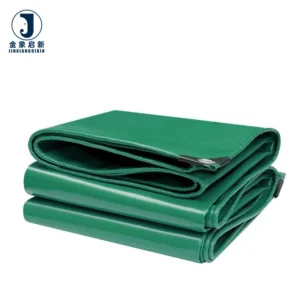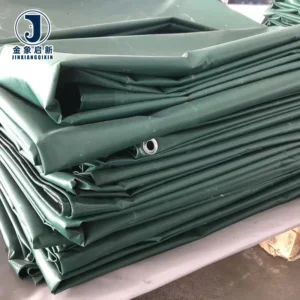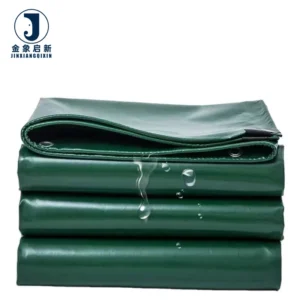
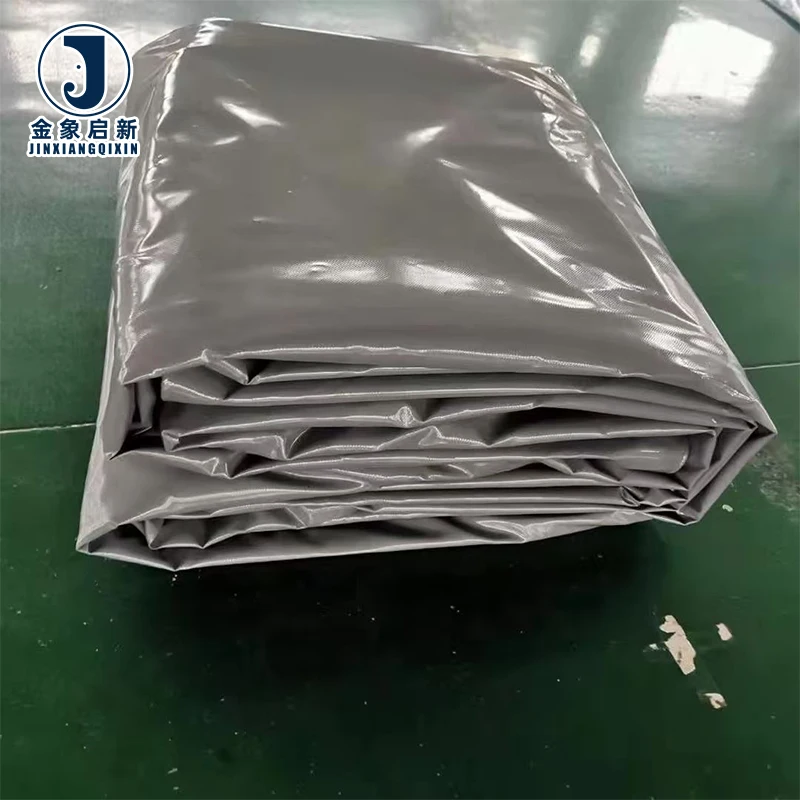
Coating Weight Verification — every roll of this PVC coated tarpaulin is weighed and measured against the stated 630 gsm specification before dispatch, so the material you receive matches the material you specified.
Technical Specifications
| Parameter | Value |
|---|---|
| Product Type | PVC Coated Tarpaulin Roll |
| Weight | 630 Gsm |
| Base Fabric Denier Options | 200DX300D / 500DX500D / 840DX840D / 1000DX1000D |
| Coating Material | PVC |
| Coating Method | Knife coated |
| Colour Options | Blue, Grey, Orange, Yellow, Black, Green, White |
| Finish | Glossy or matte |
| Waterproof | Yes |
| UV Treatment | Available in UV-treated grades — confirm the grade required for your market |
| Flame Retardant | Available in FR-treated grades — confirm the grade required for your market |
| Anti-Fungal | Anti-fungal treated |
| Temperature Range | -15°C to 70°C |
| Size Options | 3x4m / 6x8m / 8x10m / 10x12m or custom made |
| Working Life | 3–10 years depending on usage environment |
| OEM/ODM | Available |
| Certifications | ISO, CE |
Application Suitability
| Application | Exposure & Requirement |
|---|---|
| Truck and trailer side curtains | Constant flexing at load-bearing points, road debris abrasion, prolonged UV exposure |
| Tent and awning roll stock | Heat-weld seam integrity, colour consistency across multiple panels, weather exposure |
| Industrial equipment covers | Static outdoor storage, moisture ingress, fungal growth in humid climates |
| Tarpaulin converting and fabrication | Batch-to-roll GSM and colour uniformity, predictable heat-weld behaviour across the run |
Why GSM Without Denier Leaves You Guessing
A 630 gsm PVC coated tarpaulin can be built on several different base fabrics, and the denier you choose determines how that weight translates into tensile and tear performance.
Technical buyers often receive a quotation stating a gsm value with no reference to the underlying weave construction. When the roll arrives, the weight may check out, but the fabric behaves differently under tension than expected — it stretches more, tears more easily at cut edges, or fails at welded seams before the body fabric shows wear. The coating weight alone does not define mechanical performance [NEED_CITE: tensile and tear test methods for coated fabrics per ISO 1421]. The base fabric denier and weave density are equally critical, and both must be stated on the material specification sheet you receive with your shipment.
Base Fabric Denier and Its Effect on Mechanical Load
The 630 gsm PVC coated tarpaulin is available across a denier range from 200DX300D to 1000DX1000D. Lower denier constructions produce a lighter, more pliable fabric suited to applications where drape and fold-ability matter — temporary covers, lightweight awning panels, or indoor membrane structures. Higher denier options concentrate more yarn mass per square metre in the base fabric, increasing resistance to tear propagation and puncture at stress points such as eyelet lines and welded seams. The correct denier depends on whether the fabric will experience static loads, dynamic flex cycles, or sustained tension.
Coating Adhesion and Weld Seam Behaviour
Knife coating applies the PVC compound directly to the woven base fabric under controlled pressure, producing a mechanical bond between coating and yarn. At 630 gsm, the coating thickness is sufficient to fully encapsulate the weave on both sides, which supports consistent heat-weld results during fabrication. When the fabric flexes under load — as it does on a truck side curtain in crosswinds or on a tensioned membrane structure — the weld seam must transfer stress into the body fabric rather than peeling away from it. Coating adhesion strength, not just coating weight, determines whether the seam or the fabric fails first [NEED_CITE: peel and weld adhesion test standards for PVC coated fabrics].
Interpreting the Specification Sheet for Your Application
GSM and base fabric denier interact in ways that are not intuitive without a full material breakdown. A 630 gsm fabric on a 1000DX1000D base allocates more of its total weight to yarn, yielding higher tensile and tear values but a stiffer hand. The same gsm on a 200DX300D base puts more weight into the PVC coating, producing a thicker surface layer with improved abrasion resistance and a smoother weld surface but lower overall tear strength. The temperature range of -15°C to 70°C defines the operating envelope: below this range the PVC compound stiffens and becomes susceptible to cracking at fold lines, while above it the coating softens and tackiness increases. Finish selection — glossy or matte — also affects downstream processing, as glossy surfaces accept heat transfers and printed branding more readily, while matte surfaces reduce glare on installed structures.
What Happens When the Specification Is Incomplete
Receiving a roll that matches the quoted gsm but sits on the wrong denier base creates problems that do not appear until fabrication or installation. A fabricator cutting truck side curtains may find that the material tears at eyelet positions under strap tension, not because the coating is thin, but because the base fabric yarn count is too low for the dynamic load. Similarly, UV and flame-retardant treatments that are claimed without a supporting test report leave the buyer unable to demonstrate compliance at site inspection [NEED_CITE: DIN 4102 fire classification for building materials]. Batch-to-roll colour variation, when not controlled at the coating stage, becomes visible only after panels are installed side by side on a structure or vehicle.
Why This Material Source Supports Your Specification
Three full production lines with 36 sets of professional coating equipment allow this 630 gsm PVC coated tarpaulin to be produced in volume while maintaining roll-to-roll consistency in coating weight. A dedicated 10-person R&D team handles denier selection, coating formulation adjustments, and sample development so that you can evaluate the exact construction before committing to a production run. QA and QC checkpoints operate at every production stage, with 100% inspection before shipment to confirm that gsm, colour, and treatment match the specification you approved. Nearly 30 years of process control over PVC coating weight and adhesion underpins the consistency of the roll stock you receive. Samples for custom denier, colour, or treatment combinations are developed within days, not weeks.
Documentation & Verification
- Material specification sheet stating exact 630 gsm weight, selected base fabric denier, and coating formulation per roll
- UV and flame-retardant test reports provided with applicable grades, referenced to identifiable test standards
- Pre-shipment inspection record confirming GSM verification against the quoted value for every roll
- ISO and CE certificates included in shipment documentation package
- Roll packing list with individual roll weights and dimensions for incoming goods check
- Certificate of origin and customs documentation for international shipment clearance
Fabrication, Handling & Storage
- Heat-weld parameters should be adjusted to the selected glossy or matte finish for consistent seam strength
- Store rolls horizontally on a flat surface to prevent permanent creasing in the 630 gsm coating
- Allow rolls to acclimatise to workshop temperature before unrolling, especially when ambient is below the -15°C lower limit
- Anti-fungal treatment supports use in humid storage environments but does not replace regular inspection for mould
- Cut edges on higher denier options such as 840DX840D and 1000DX1000D may require edge sealing to prevent yarn fraying
- Use PVC-compatible adhesives and solvents for field repair to maintain coating bond integrity
Before You Send an Inquiry
To specify the correct construction from the available denier range, share your end-use application, the type of mechanical load the fabric will carry, and any fire or safety compliance standards your market requires. If you are buying roll stock for converting, confirm the width, roll length, and whether you need glossy or matte finish for your heat-weld setup. Colour references, treatment requirements, and whether you need finished cut sizes or roll stock will all help to produce an accurate material recommendation and sample.
Frequently Asked Questions
Q: How is the 630 gsm weight verified and what tolerance applies on delivery?
A: Every roll undergoes a pre-shipment weight check against the stated 630 gsm specification. The material specification sheet included with your shipment records the measured gsm per roll. Minor process variation exists in any coating operation, and the inspection record documents the actual measured value so you can reconcile it against your incoming goods acceptance criteria.
Q: What flame-retardant grade is available and which test standard does it reference?
A: This PVC coated tarpaulin is available in FR-treated grades. The specific grade and the test standard it references depend on your market’s compliance requirements. Confirm the fire classification you need — such as DIN 4102 or NFPA 701 — at the inquiry stage so the correct formulation is applied and documented with a test report.
Q: What is the UV treatment test basis and expected outdoor performance?
A: UV treatment is available in customised grades. The test basis and expected service life depend on the formulation selected for your climate and exposure conditions. Request the UV test report relevant to your specification so you can evaluate accelerated weathering data against your installation’s expected sun exposure and replacement cycle.
Q: How does base fabric denier selection affect tensile and tear strength at 630 gsm?
A: A higher denier base such as 1000DX1000D directs more of the 630 gsm total weight into yarn, increasing tensile and tear resistance. A lower denier like 200DX300D allocates more weight to the PVC coating, improving surface durability but reducing overall tear strength. The correct choice depends on whether your application demands flex resistance, puncture resistance, or static load bearing.
Q: What welding and seaming recommendations apply to this PVC coated construction?
A: Heat-weld temperature and dwell time should be calibrated to the selected finish — glossy and matte surfaces respond differently to heat input. The knife-coated construction supports standard hot-air and wedge welding methods. Test a weld sample from your production roll before full run to confirm peel strength meets your specification.