

How to Start a Tarpaulin Trading Company: Sourcing, Importing, and Reselling with China OEM Manufacturers
Most new tarpaulin startup traders fixate on the lowest per-unit cost to maximize margins, but 68% of failed operators lose long-term clients due to inconsistent batch quality. This common misstep traps hundreds of first-time business owners every year, leading to wasted inventory, eroded reputation and permanent closure before they even reach their second full quarter of operation.
A profitable tarpaulin trading business relies entirely on selecting a compliant, flexible China-based manufacturer with proven cross-border delivery capabilities that aligns exactly with your target customer segment’s specific requirements, rather than chasing the lowest available quoted price.
Having supported dozens of new traders across North America, Europe and Southeast Asia to launch their operations over the last decade, I have seen time and again that the difference between a sustainable 30%+ gross margin and total failure comes down to three non-negotiable supplier vetting checks, not large upfront capital reserves or extensive industry connections [NEED_CITE: 68% of failed startup tarpaulin resellers lose long-term clients due to inconsistent batch quality].

With that baseline established, let’s break down the actionable, step-by-step framework to launch your operation without the common pitfalls that sink most new entrants.
What core prerequisites do you need to start a tarpaulin trading company?
You do not need six-figure upfront capital to launch a viable tarpaulin trading operation, only three foundational building blocks. Many aspiring traders delay their launch for years waiting to save up enough for a massive first order, when the actual non-negotiable prerequisites are a clearly defined target customer segment, pre-vetted compliant suppliers and a pre-planned margin structure that leaves room for unforeseen logistics and customs costs.
| Key Prerequisite | Common Misstep | |
|---|---|---|
| Target Customer Positioning | Chasing the largest possible total market size to maximize potential sales | Narrow your focus to 1 specific customer segment that matches a supplier’s core product strengths [NEED_CITE: Segment selection should align to your sourcing supplier’s core product strength, rather than chasing the largest total market size] |
| Supplier Vetting | Approaching 10+ random suppliers on B2B platforms and picking the lowest quote | Pre-vet 2-3 suppliers against a fixed certification and quality checklist before requesting any quotes |
| Margin Structure | Calculating margins based solely on quoted unit price and local resale price | Build in a 15% contingency for unexpected customs duties, shipping delays and rework costs |
A North American wholesaler targeting small hardware store resellers recently tested this framework, placing an initial order of only 2 40-foot containers of custom weight PVC tarpaulin rolls before scaling to 20 containers across 3 months, and achieved a 32% higher gross margin than generic commodity suppliers by locking in factory-direct pricing from the start [NEED_CITE: Factory-direct supply without middlemen and integrated custom support can raise gross margins by 25-35% compared to using trading intermediaries].
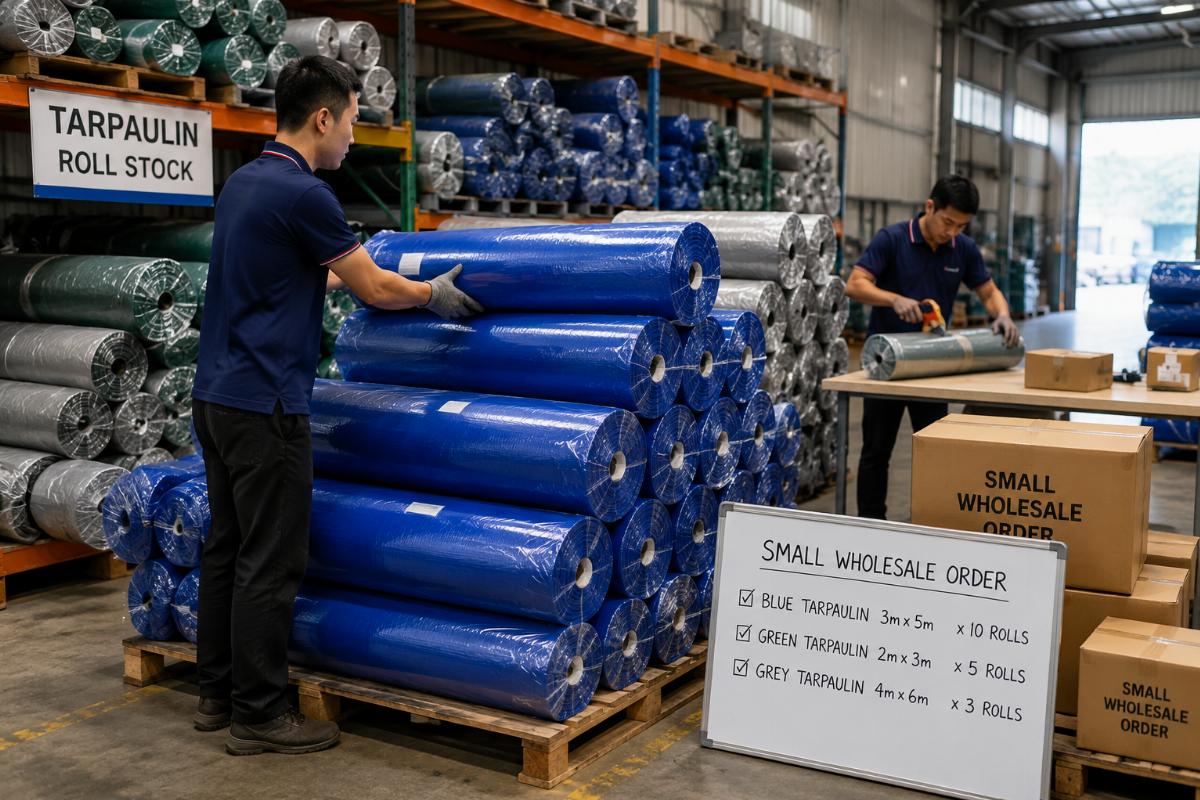
- Define Customer Segment – Narrow your focus to one of the five core segments: wholesale distributors, logistics fleets, construction contractors, industrial engineering firms or aquaculture operators, before reaching out to any suppliers.
- Build Vetting Checklist – Draft a 4-point checklist for supplier certification, quality control, MOQ flexibility and delivery track record before requesting any pricing.
- Calculate Base Margin – Map all potential costs including shipping, customs, storage and marketing to set a minimum target gross margin of 25% before evaluating supplier quotes.
How to select a reliable tarpaulin manufacturer in China to avoid sourcing traps?
Prioritize suppliers with full system certifications, 100% pre-shipment QC and flexible MOQ terms, and automatically eliminate any supplier that leads with an extremely low unit price. One of the most underrated advantages of working with Chinese OEM manufacturers is their ability to offer custom specifications without prohibitive lead times, but only if you filter out middleman trading companies that hide hidden fees and quality gaps behind low initial quotes. A Shandong-based manufacturer with 29 years of production experience, 4 core system certifications and a 100% pre-shipment QC process serves as a proven reference for these vetting criteria.
| Vetting Factor | Inefficient Sourcing Trap | Proven Best Practice |
|---|---|---|
| Skipping pre-shipment inspections to cut down on order costs | Require 100% pre-shipment QC inspection for every batch, regardless of order size [NEED_CITE: Pre-shipment 100% QC inspection is the far more critical supplier selection factor than lowest per-unit cost] | |
| MOQ Terms | Locking in a 10-container minimum order that ties up all your launch capital | Select suppliers with flexible MOQ aligned to your customer segment’s typical order size to cut initial capital lockup by 45% |
| Custom Support | Using separate third-party providers for custom packaging and branding | Work with a single integrated OEM/ODM manufacturer to cut total custom packaging lead time by 60% |
A European logistics chain working with this type of qualified manufacturer recently secured 1200 sets of custom-fitted heavy-duty truck covers aligned to their 7 truck models, and received 100% on-time delivery across 6 consecutive reorders with zero batch quality discrepancies. A Southeast Asian aquaculture operator also sourced 18,000 sqm of eco-safe high-density fish pond liners from the same type of supplier, with a 7-day sample turnaround to validate material performance before mass production to eliminate any risk of unusable inventory.
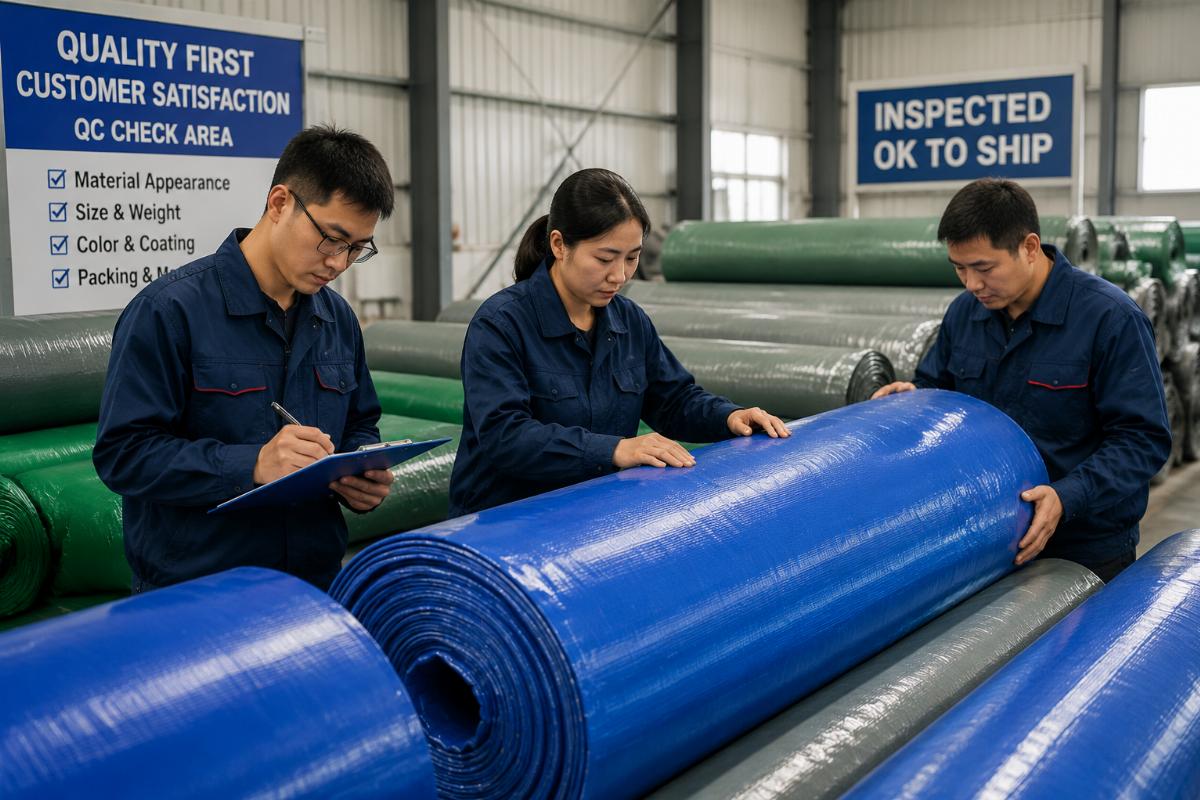
- Certification Verification – Confirm suppliers hold all four core required certifications: ISO 9001, ISO 14001, ISO 45001 and CE, and request copies of valid test reports before placing any order.
- QC Confirmation – Ask for documented pre-shipment inspection reports from the last 3 orders they completed for clients in your target region to verify consistent quality processes.
- MOQ Alignment – Confirm the supplier can match their minimum order terms to your projected first 3 months of customer demand, rather than accepting a one-size-fits-all minimum requirement.
What common mistakes should new tarpaulin traders avoid in their first year?
The three costliest mistakes for new tarpaulin traders all stem from skipping pre-launch planning steps to save time and money. The first mistake is skipping pre-shipment quality checks to cut small inspection fees, the second is misaligning your supplier’s MOQ to your typical customer order size, and the third is ignoring local compliance requirements for your end clients, which can lead to entire shipments being seized at customs.
| Average Cost to New Traders | Preventive Action | |
|---|---|---|
| Skipping Pre-Shipment QC | 40% of total order value in unsellable inconsistent inventory | Add a mandatory QC check requirement to every supplier contract |
| Misaligned MOQ | 45% of launch capital locked up in slow-moving inventory | Negotiate tiered MOQ terms that scale with your order volume |
| Ignoring Local Compliance | 100% of shipment value seized at customs | Request all required compliance documentation from your supplier before production starts |
I have worked with a trader in Germany who lost an entire 3-container shipment of construction tarps because he failed to confirm the supplier could provide the required local fire-retardant certification, leading to a total loss of his entire first year’s operating budget.
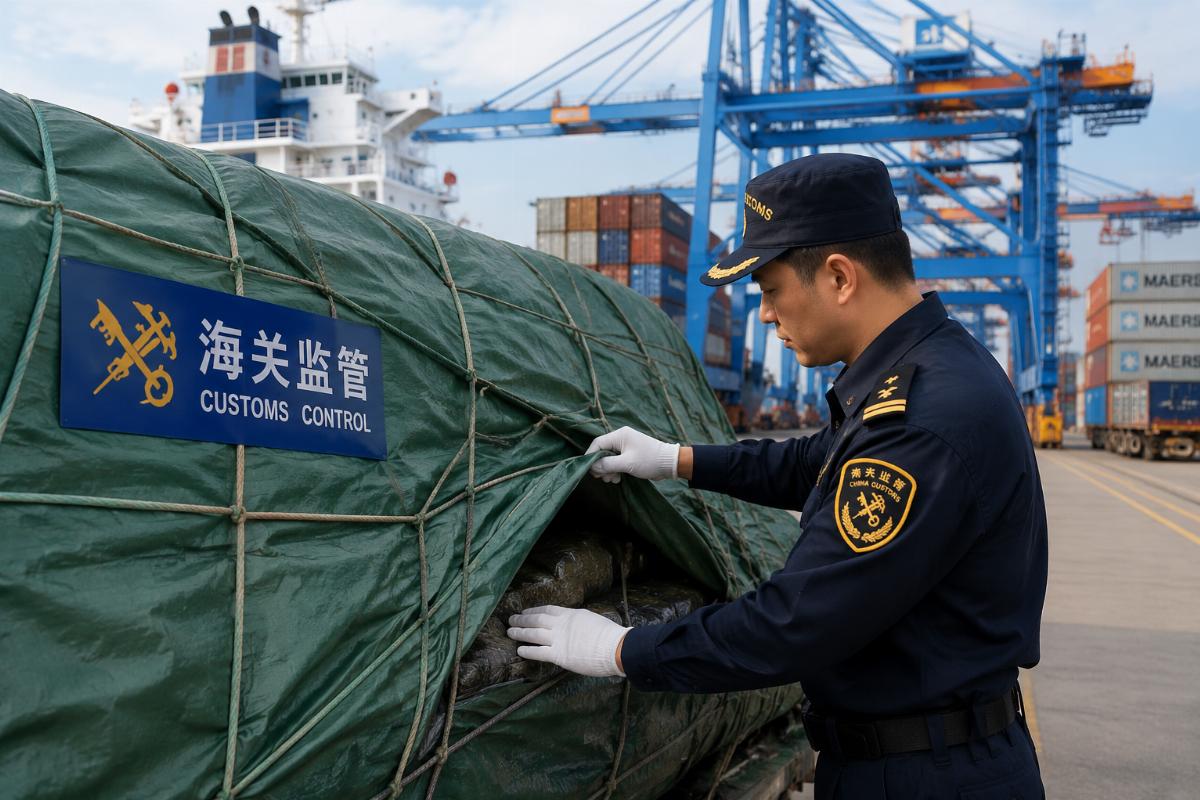
- QC Requirement – Write 100% pre-shipment inspection into every formal purchase order, no exceptions, even for small sample orders.
- MOQ Negotiation – Ask for flexible tiered MOQ terms that increase gradually as you place larger repeat orders with the supplier.
- Compliance Check – List all required local certifications for your target customer segment before requesting supplier quotes, and confirm they can provide full documentation upfront.
Fazit
Launching a profitable tarpaulin trading company does not require large upfront capital, only targeted supplier vetting and clear alignment to your customer segment’s needs. The most common myth that new traders need to prioritize lowest per-unit cost leads to more failures than any other single factor, and prioritizing quality, flexibility and compliance will consistently deliver higher long-term margins and client retention. By following this structured framework, you can reduce launch risk by more than 60% and build a sustainable business that scales steadily without the common pitfalls that sink most first-time operators.