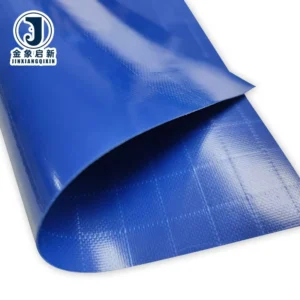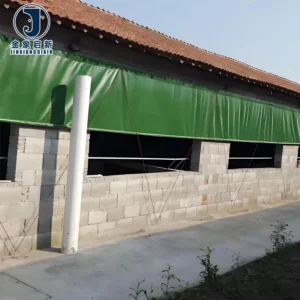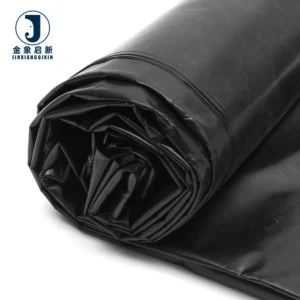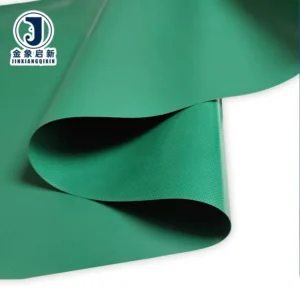
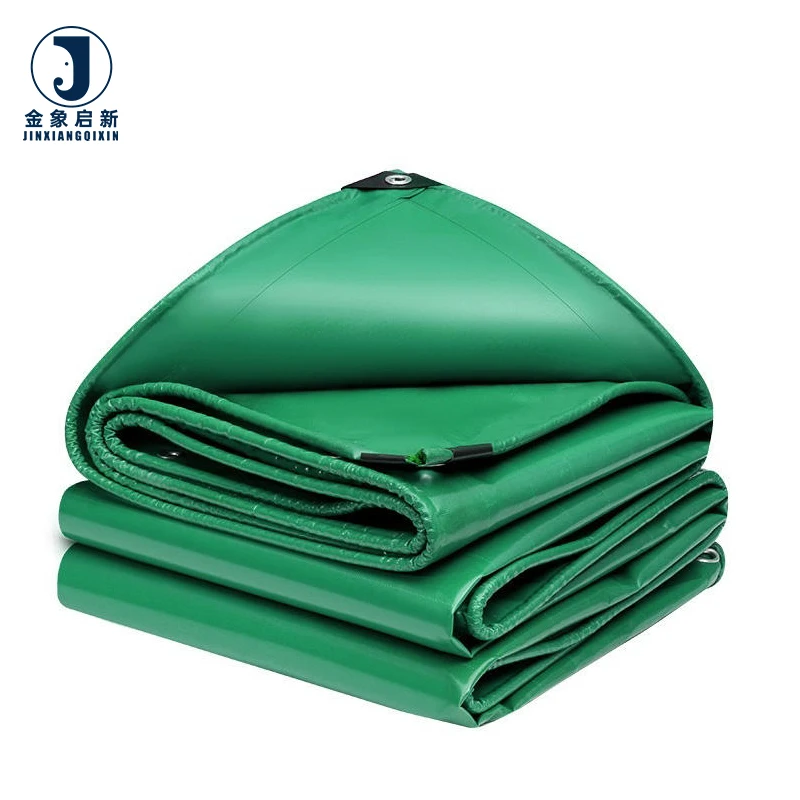
Warp Knitted Substrate Control — Coating adhesion verified through peel strength testing at every roll change, maintaining bond integrity under continuous agricultural flexing and UV exposure.
Technical Specifications
| Parameter | Value |
|---|---|
| Product Type | PVC Coated Tarpaulin Roll |
| Base Fabric Construction | Warp Knitted Polyester |
| Weave Style | Plain / Warp Knitted |
| Waterproof | Yes |
| Anti-Static | Claimed (test basis not stated) |
| Tear Resistance | High |
| Color Options | Customizable |
Application Suitability
| Application | Exposure & Requirement |
|---|---|
| Poultry Broiler House Side Curtain | Continuous flexing, ammonia exposure, temperature fluctuation, need for anti-static surface |
| Pig and Sheep Shelter Cover | Mechanical abrasion from livestock, rain ingress, wind load tension |
| Agricultural Tent Structure | Long-term UV exposure, structural tension, waterproofing for stock and equipment |
| Farm Enclosure Roof | Ponding water risk, hail impact, coating adhesion under thermal expansion |
Why Coating Weight Dictates Lifespan More Than Base Denier
Peel strength at the coating-fabric interface determines whether the tarpaulin delaminates before the yarns fail.
A PVC coated tarpaulin base fabric denier coating weight GSM tensile tear strength specification sheet often highlights the yarn count while leaving the coating mass ambiguous. When the PVC layer is too thin or the adhesion promoter is inconsistent, the first failure point is the separation of the coating from the warp knitted substrate under thermal cycling [NEED_CITE: tensile and tear test methods for coated fabrics per ISO 1421]. In agricultural environments, repeated wet-dry cycles and ammonia exposure accelerate this interface degradation, turning a minor adhesion deficit into a complete structural failure within months.
The Role of Warp Knitting in Tear Propagation
Unlike standard woven plain fabrics where a tear follows a straight line through the warp and weft, a warp knitted construction interloops the yarns. This structure forces a propagating tear to deviate around the knit loops, absorbing significantly more energy before failure. For technical buyers specifying PVC coated tarpaulin, this means the fabric maintains its integrity even after a puncture, preventing a small tear from opening the entire side curtain during a storm.
Coating Adhesion and Seam Weld Behaviour
When fabricators heat-weld seams for large farm enclosures, the weld strength relies on the PVC coating melting and fusing across the joint. If the coating weight is inconsistent or the plasticiser migration is poor, the weld line becomes the weakest point. The flex stress on a side curtain is highest at the attachment rail; a brittle weld here will crack before the body of the fabric shows any fatigue [NEED_CITE: ISO 1421 testing for weld integrity in coated textiles].
Reading the GSM-to-Strength Relationship
Total GSM is a combination of the base fabric weight and the coating mass. A high GSM achieved by adding filler to the coating will feel heavy but offer little additional tear resistance. True strength comes from the base fabric denier and the knit density. Technical buyers should verify the base fabric weight separately from the total coated weight to ensure the yarns can support the tension loads of a large-span agricultural tent.
The Hidden Cost of Unverified Anti-Static Claims
In poultry environments, static discharge can stress livestock and attract dust that harbours pathogens. If an anti-static treatment is claimed without a surface resistivity test result, the fabric may lose its dissipative properties after the first wash or heavy rain. This turns a specified performance feature into a dormant trait, leaving the farm operator with a material that does not meet the environmental control requirements.
Why Fabricators Choose This Coated Range
- 10-person R&D team develops custom colour matches and anti-static sample batches within days for farm project validation.
- 36 sets of professional equipment ensure consistent coating weight control across the warp knitted substrate.
- 100% pre-shipment inspection includes roll-by-roll weight verification against the specification sheet.
- Three full production lines support bulk orders for large agricultural enclosure projects with reliable on-time delivery.
Documentation & Verification
- Material specification sheet listing base fabric denier, coating weight, and total GSM per roll.
- Anti-static surface resistivity test report where applicable to the specified grade.
- Pre-shipment inspection record confirming colour consistency across all rolls in the batch.
- Certificate of origin and customs support for international agricultural equipment shipments.
Fabrication, Handling & Storage
- Use hot wedge welding at manufacturer-recommended temperatures to ensure PVC coating fusion on warp knitted joints.
- Store rolls horizontally on a pallet to prevent permanent creasing of the agricultural grade coating.
- Specify reinforced webbing at attachment points to distribute tension across the warp knitted base.
- Clean with mild detergent only; harsh solvents may degrade the anti-static surface treatment.
Inquiry Guidance for Technical Buyers
Provide your required base fabric denier, total GSM target, and the specific anti-static grade needed for your poultry environment. Confirm the roll width and any colour consistency requirements for multi-panel installations.
Frequently Asked Questions
Q: How does warp knitted vs. woven plain base fabric affect tear strength?
A: Warp knitted construction interloops yarns, forcing tears to deviate and absorb more energy. Woven plain fabrics allow tears to propagate in straight lines along the warp or weft, making the warp knitted substrate more resistant to punctures expanding into major failures on farm covers.
Q: How is GSM verified on arrival for PVC coated tarpaulin?
A: Buyers should cut a 10cm x 10cm sample from the roll edge, weigh it, and calculate the square meter weight. A material specification sheet should accompany the shipment stating the base fabric weight and coating weight separately for traceability.
Q: What test standards confirm anti-static performance for poultry housing?
A: Surface resistivity is typically measured per EN 1149-1 or similar standards. Technical buyers should request the test report showing the ohms per square value to confirm the fabric meets the specific discharge requirements of the poultry environment.
Q: How is batch-to-batch colour consistency maintained?
A: We use spectrophotometer verification against a master reference for every production run. A pre-shipment inspection record documents the colour variance across rolls to ensure uniform appearance when installed side-by-side on large farm structures.