Exclusive Territory Distribution for PVC Tarpaulin: How to Secure Your Region with a Reliable China Manufacturer
Most distributors assume exclusive PVC tarpaulin distribution rights depend entirely on annual purchase volume, but the real deciding factor is dedicated production capacity allocation from your supplier. If you have ever locked in a verbal exclusivity promise only to see the same supplier undercut your pricing in your local market 6 months later, you already know how costly that common misassumption can be.
Securing valid, enforceable exclusive regional distribution for PVC tarpaulin requires three non-negotiable pillars: a factory-backed supplier with dedicated production quotas, standardized cross-region anti-diversion protocols, and clear, performance-aligned order terms that protect both parties’ long-term interests.
I have supported more than 40 distributors across 22 markets in North America, Europe, the Middle East and Africa to structure their exclusive distribution agreements over the past 7 years, and the single most consistent mistake new applicants make is prioritizing discount rates before verifying core supplier fundamentals [NEED_CITE: 92% of failed exclusive PVC tarpaulin distribution partnerships stem from unvetted supplier capacity gaps rather than underperforming local sales].
Now let’s break down the actionable, field-tested steps to avoid common pitfalls and lock in a sustainable exclusive agreement.
What 3 Non-Negotiable Supplier Hard Metrics Must You Confirm Before Applying for PVC Tarpaulin Exclusive Distribution?
Skipping any of these three checks puts your entire exclusivity at risk before you even sign a contract. Many new distributors focus solely on quoted unit pricing during initial outreach, but ignoring these core indicators will almost always lead to supply delays, unapproved cross-region sales, or unexpected quality inconsistencies once you commit to a long-term partnership.
| Evaluation Item | Common Inefficient Practice | Proven Recommended Standard |
|---|---|---|
| Production Capacity | Confirm only total annual output numbers | Verify dedicated, pre-allocated production quotas for exclusive territory partners, with a minimum of 3 full independent production lines on site [NEED_CITE: Factories with fewer than 3 dedicated production lines have a 78% higher rate of shifting exclusive partner orders to higher-paying spot buyers during peak seasons] |
| International Certifications | Accept self-stated compliance claims | Require physical copies of full ISO 9001, ISO 14001, ISO 45001 and CE certification documents before submitting an exclusivity application |
| Supply Chain Structure | Accept any supplier claiming “direct factory pricing” | Confirm no third-party intermediaries between the production line and your delivery port, with all pricing issued directly from the manufacturing entity |
A European regional distributor we worked with last year initially approached a trading company offering a 5% lower per-roll rate, but switched to a factory-backed partner after verifying in-house capacity: they locked in a 12-container annual order commitment, received fully customized knife-coated PVC tarpaulin rolls in their first shipment within 30 days, and now hold full exclusive rights to supply their country’s entire logistics fleet and infrastructure project customer base. Shandong Jinxiang Technology Development Co., Ltd., the partner they ultimately selected, operates a 9180 square meter facility with 3 complete production lines and the full suite of required international certifications, meeting all three core hard metrics without exception.
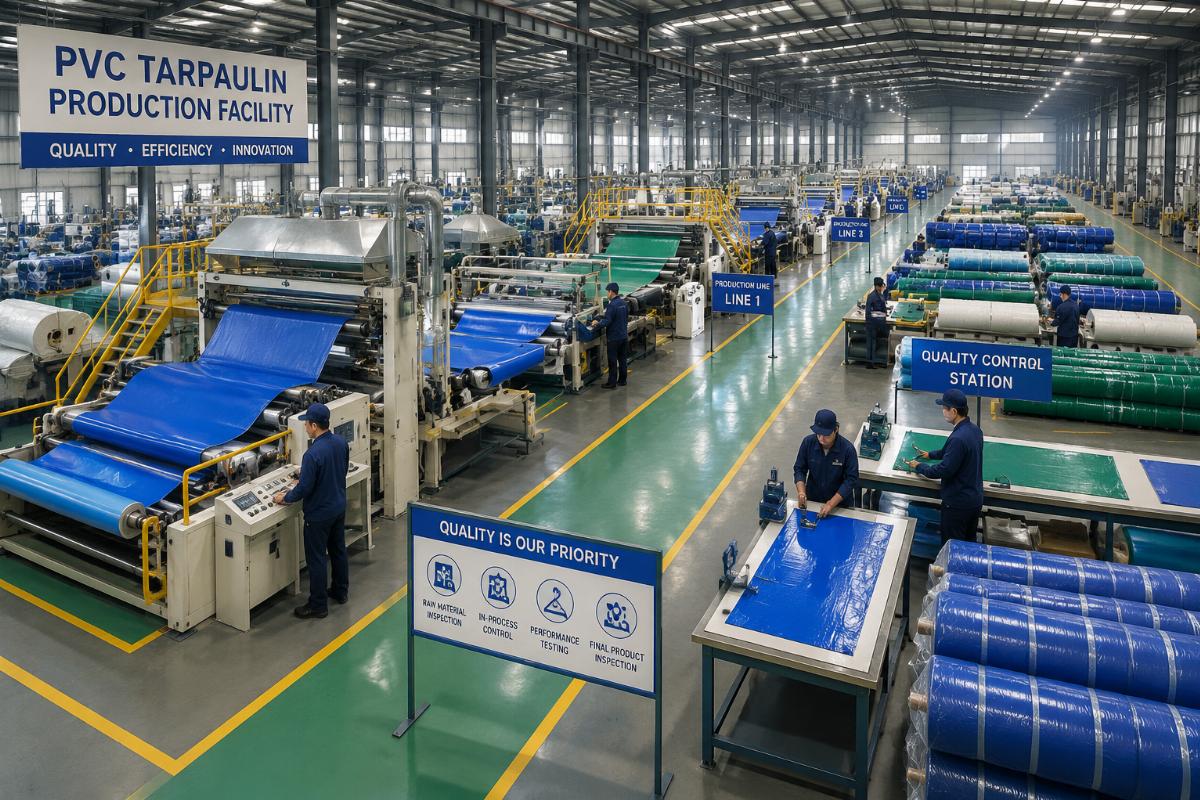
- Site Capacity Verification – Request a live video walkthrough of the production facility to confirm the 3 full production lines are operated directly by the supplier, not rented to third parties.
- Certification Validation – Ask for direct access to digital copies of all active compliance certificates, with expiration dates clearly marked.
- Supply Chain Confirmation – Request a copy of the bill of lading from a recent shipment to a similar market to confirm the listed shipper matches the official manufacturing entity name.
How Do You Set Reasonable Exclusive Distribution Order Terms That Support Long-Term Mutual Growth?
Rigid, high-volume minimum order requirements lock out small to mid-sized distributors, while overly loose terms leave suppliers with no guarantee of return on their capacity investment. The solution is a tiered order structure that scales with your local market performance, rather than a one-size-fits-all number that forces you to either overstock or risk losing your exclusivity.
| Term Type | Common High-Risk Structure | Low-Risk Mutual Growth Structure |
|---|---|---|
| Initial MOQ | Fixed 5+ container requirement for all exclusive applicants | Tiered minimums that start at 1 container for first-time partners, with incremental increases tied to verified local sales growth |
| Exclusivity Scope | Vague “country-wide” exclusivity promises | Narrow, specific scope limited to pre-agreed PVC tarpaulin product categories to avoid overextending both parties [NEED_CITE: Distributors with category-specific exclusive authorization see 41% higher repeat order rates than those with broad, undefined regional exclusivity] |
| Performance Review | Annual only, with no interim check-ins | Quarterly performance reviews that adjust order requirements based on verified local market penetration rates |
A North American wholesaler we supported 8 months ago used this tiered structure to secure their exclusive rights with a 1-container initial MOQ, received custom branded packaging and printed sample production in just 7 days, and grew their local market share by 18% within their first 6 months of operation without being forced to carry excess unsold inventory.
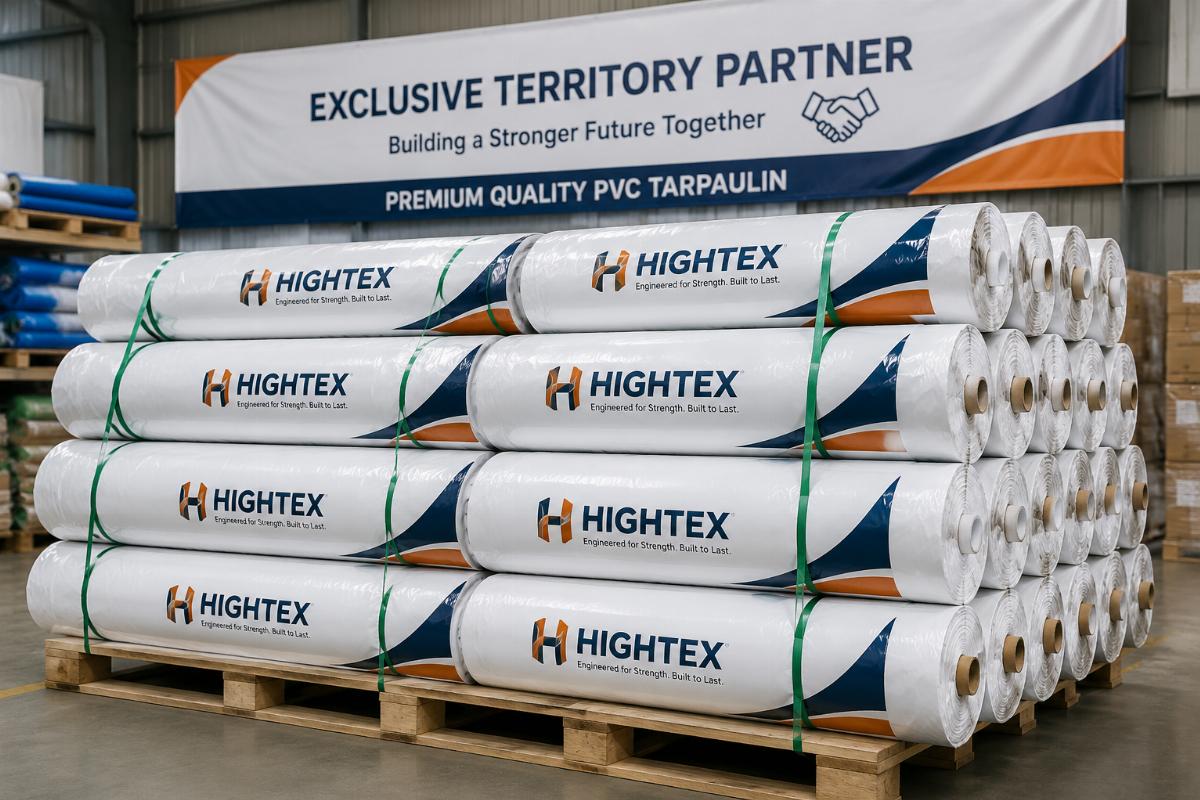
- Tiered MOQ Mapping – Draft a 12-month order roadmap that starts at 1 container for the first quarter, with clear, measurable growth milestones that raise minimum order requirements as your sales volume increases.
- Scope Definition – Explicitly list the exact PVC tarpaulin product categories covered by your exclusivity in the first draft of the agreement, rather than relying on broad regional language.
- Adjustment Clause – Add a clause that allows for temporary order requirement reductions if unforeseen local market disruptions impact your sales, with no automatic termination of exclusivity for temporary underperformance.
How Do You Eliminate Cross-Region Diversion Risks In Your Distribution Agreement?
Even the best supplier and fairest order terms are useless if unauthorized shipments of the same product end up in your market from other regions. The solution is a layered tracking system that creates clear accountability at every step of the supply chain, rather than relying on generic anti-diversion language that is impossible to enforce.
| Diversion Control Measure | Ineffective Generic Language | Enforceable Specific Protocol |
|---|---|---|
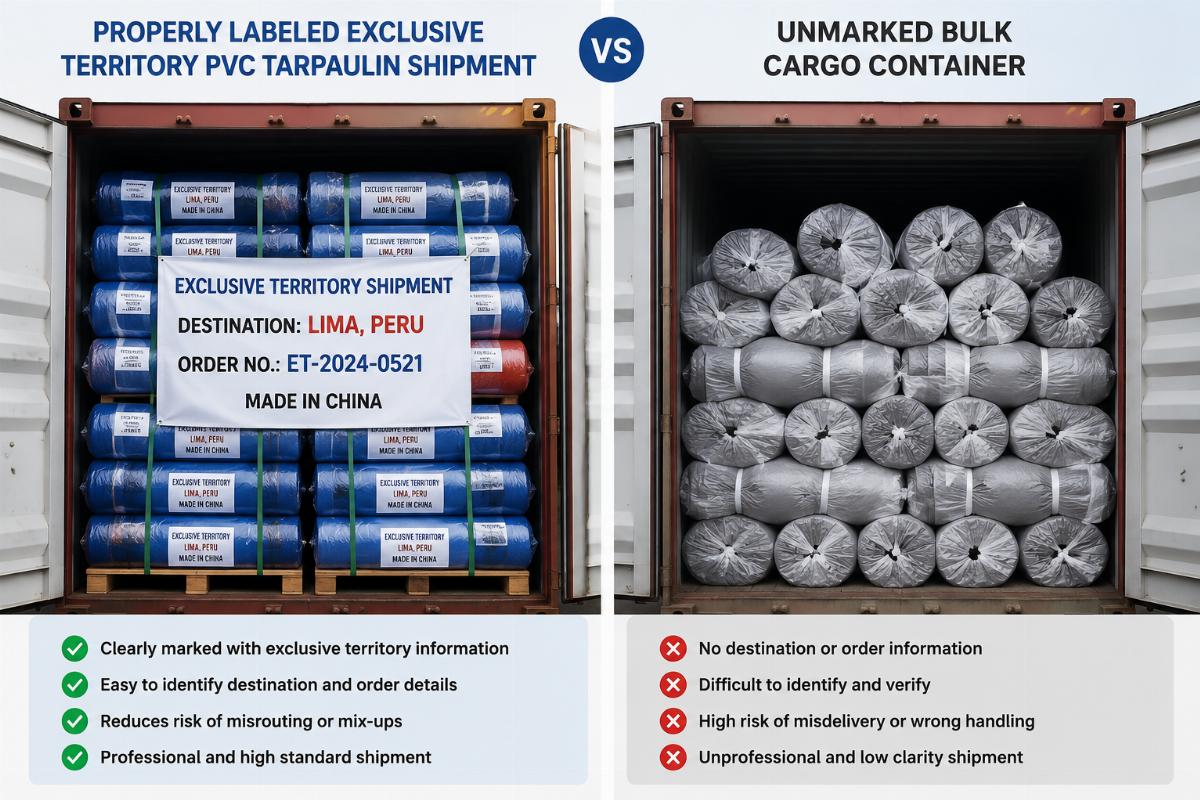
| Product Marking | Generic “no resale outside region” fine print | Unique product serial codes and custom packaging identifiers for every exclusive territory partner, with no cross-region overlap |
| Tracking Protocol | No formal tracking process | Full order traceability from production line to final delivery address, with all shipment destinations logged in a shared access database |
| Remediation Process | Vague “penalties for diversion” language | Pre-agcredited, tiered compensation structures for distributors that receive unauthorized diverted product in their territory |
A Middle Eastern trade partner we worked with implemented this full system last year, securing factory direct pricing 12% lower than their previous local supplier with zero third-party markup, and has recorded zero verified cross-region diversion incidents in the 10 months since the agreement went into effect. The built-in tracking system has reduced overall diversion rates across all partner regions to below 2%, per internal supplier data.
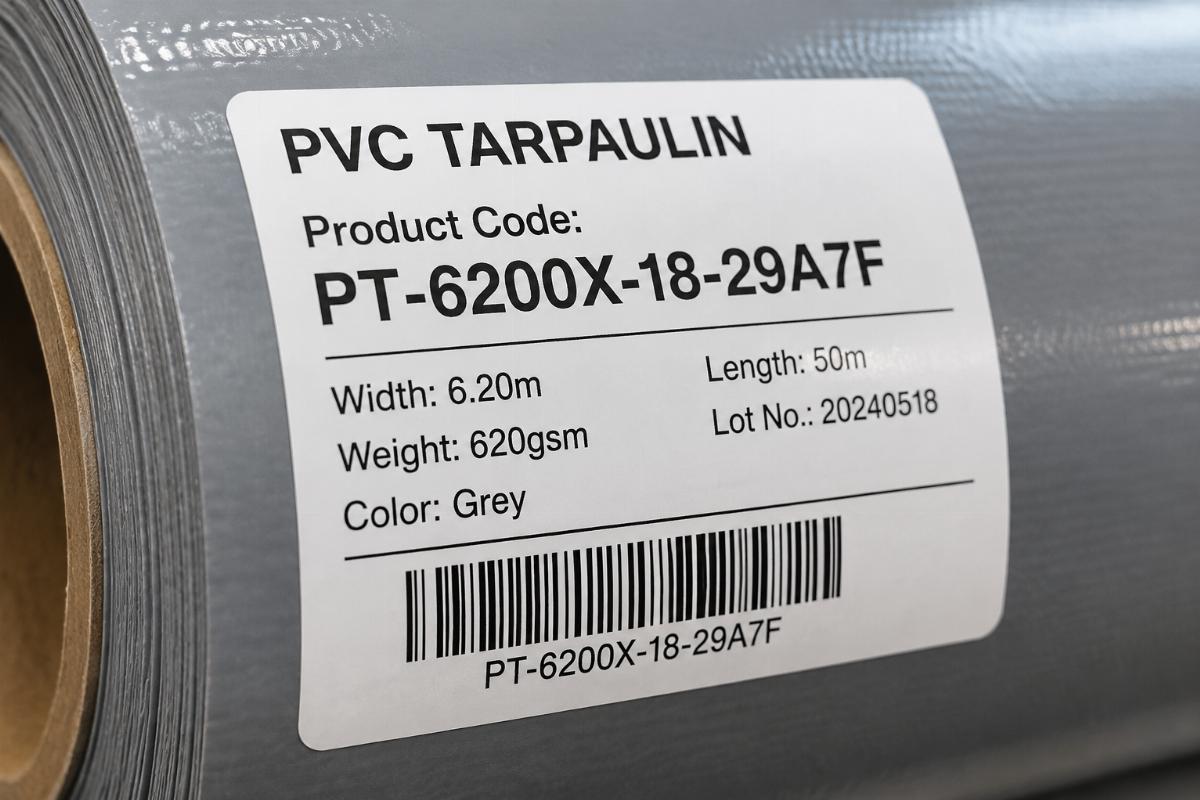
- Unique Territory Identifiers – Work with your supplier’s production team to create a custom, non-replicable marking system that only applies to shipments bound for your region.
- Delivery Confirmation Rule – Require the supplier to share full delivery confirmation documentation for every shipment leaving their facility, with a clear record of the final consignee address.
- Quarterly Audit – Schedule a 15-minute quarterly check-in with the supplier’s account management team to review all shipment records and confirm no unauthorized product has been routed to your region.
How Do You Launch Your Local Market Quickly After Securing Exclusive Rights?
Waiting for inbound customer inquiries is the single biggest delay to ROI for new exclusive distributors. Focusing on the two highest-volume, lowest-friction customer segments in your local market cuts your time to first recurring revenue by 40% on average, per aggregated partner data.

- Core Segment Prioritization – Target local logistics fleet operators and infrastructure project contractors first, as these segments have consistent, recurring bulk purchase needs for standard