
Container Loading Optimization for Tarpaulin Rolls: Maximize Your Shipment as a China Manufacturer
Most importers assume smaller tarpaulin roll diameters always boost container loading capacity, but the actual efficiency driver is matching roll dimensions to container internal measurements to eliminate dead space. If you are a tarpaulin wholesaler, bulk procurement lead for construction or logistics, you have likely seen 10-20% of your container space go unused in past shipments, leading to inflated per-unit freight costs, unexpected transit damage, and extended lead times that eat into your project or resale margins.
Optimizing container loading for tarpaulin rolls can cut your logistics costs by 12-18% per shipment, and partnering with a specialized 30-year China tarpaulin manufacturer lets you lock in this efficiency without sacrificing product consistency or custom requirements.
As someone who has supported hundreds of bulk tarpaulin buyers across North America, Europe and the Middle East with shipment planning over the last decade, I have seen first-hand that even small adjustments to roll specifications and stacking rules can deliver double-digit cost savings that no freight rate negotiation can match [NEED_CITE: Properly optimized tarpaulin roll container loading delivers a 15-20% higher utilization rate than unplanned, ad-hoc loading practices].
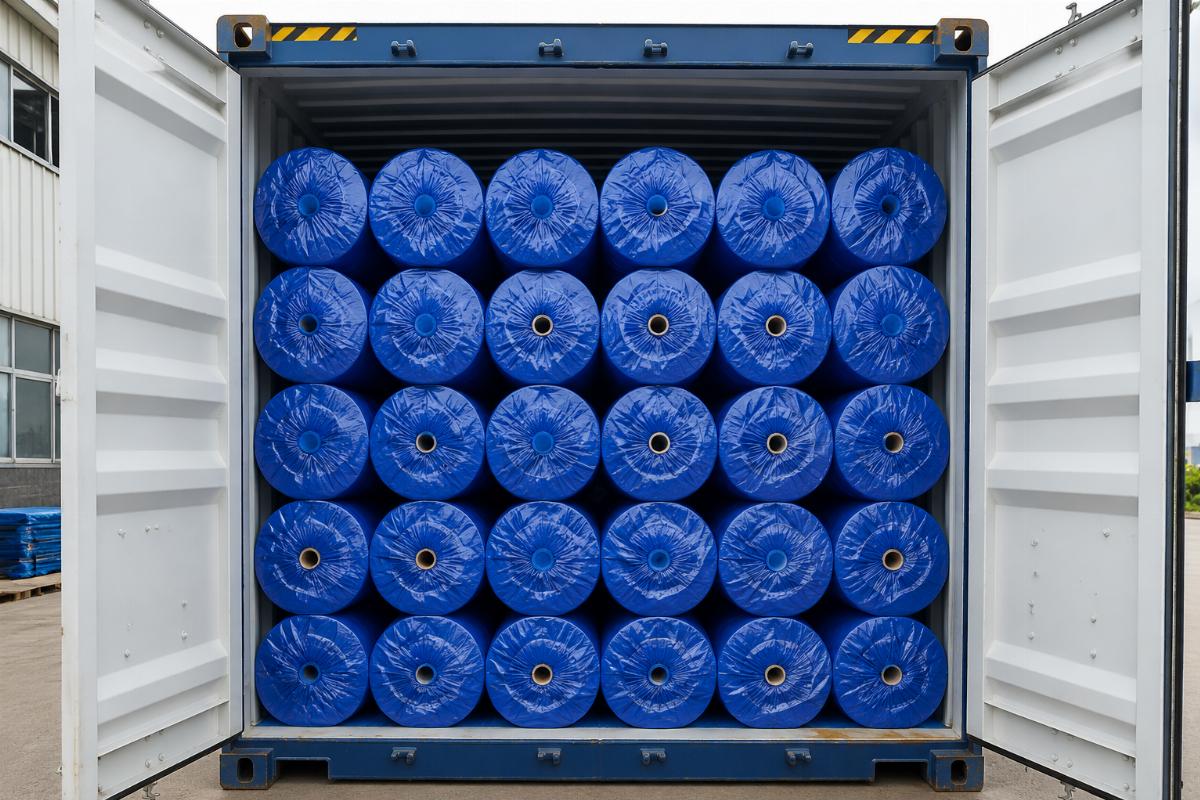
The following framework breaks down actionable, data-backed steps you can implement for your next bulk order to hit consistent, industry-leading loading efficiency.
What is the real loading efficiency ceiling for tarpaulin rolls in standard containers?
The maximum achievable loading rate for properly optimized tarpaulin roll shipments is 85-90%, 15-20% higher than the industry average for unplanned loading. This benchmark applies across 20GP, 40GP and 40HQ container types for all common tarpaulin variants including PVC, woven PE and fire-retardant grades, and accounts for real-world factors like roll compression and securing hardware that most generic loading calculators ignore.
| Loading Factor | Common Inefficient Practice | Optimized Standard Practice |
|---|---|---|
| Loading Rate Calculation | Using total shipment weight to estimate container fit | Applying the formula: loading rate = (total volume of rolls / internal container volume) * 100 [NEED_CITE: The standardized loading rate calculation for packed cargo eliminates 90% of pre-loading fit errors] |
| Container Dimension Reference | Using published nominal container dimensions | Referencing verified internal dimensions: 5.9m length x 2.35m width x 2.39m height for 20GP, 12.03m length x 2.35m width x 2.39m height for 40GP, 12.03m length x 2.35m width x 2.69m height for 40HQ |
| Dead Space Allowance | Planning for zero unused space in pre-loading layouts | Allocating 5-10% of total volume for securing hardware and minor roll expansion during transit |
A North American tarpaulin wholesaler recently worked with our team to adjust their standard roll specs for a 22 ton custom PVC tarpaulin order, and hit a 88% loading rate that increased total capacity by 17% compared to their prior shipment, cutting per-unit freight cost by 14% with zero reported damage on delivery.
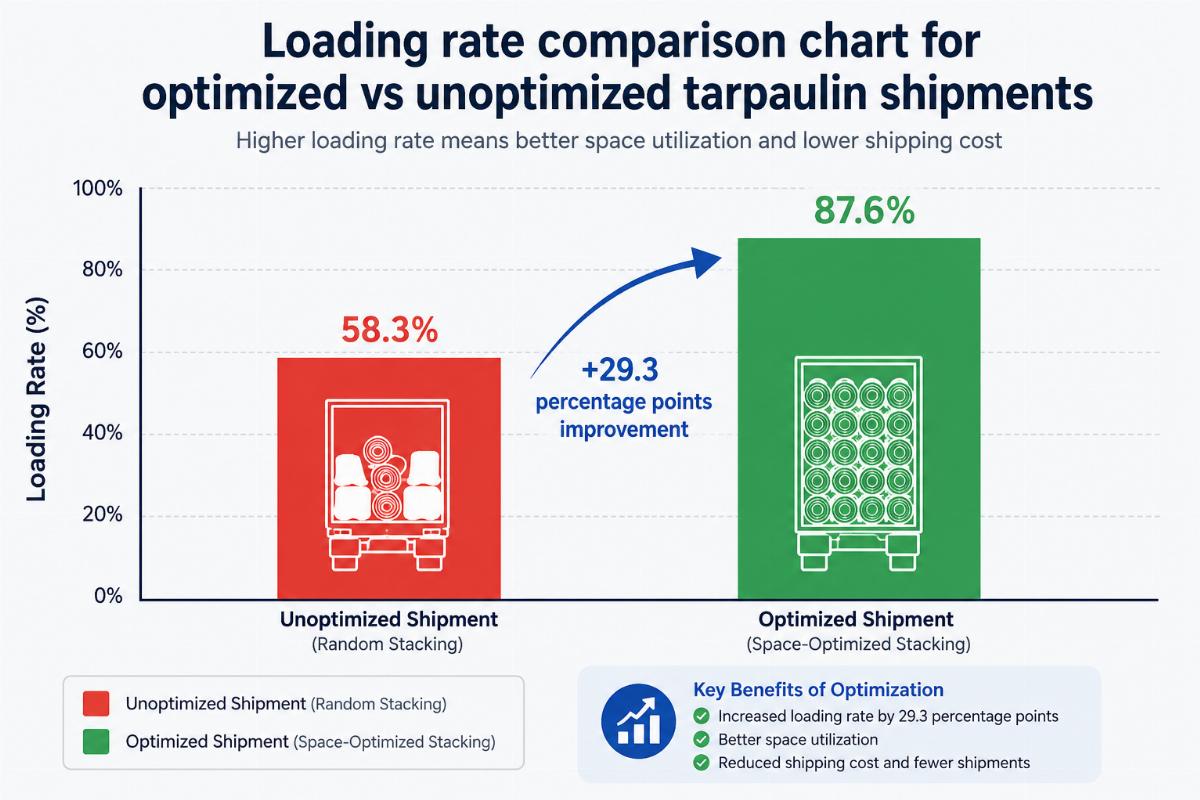
- Loading Rate Baseline – Calculate your current per-shipment loading rate using the standardized formula to identify how much headroom you have for improvement
- Container Dimension Alignment – Use verified internal container measurements rather than nominal published specs when planning roll dimensions
- Securing Allocation – Reserve 5% of total container volume for cross straps, padding and roll compression allowance to avoid overloading layouts
Why do most importers waste 10-20% of container space on tarpaulin roll shipments?
The top three common causes of wasted space are mismatched roll dimensions, uneven stacking and unaccounted for roll compression over long transit. Most buyers default to generic roll sizes offered by suppliers without adjusting them to fit standard container profiles, leading to consistent gaps along container walls and between stacked layers that add up to thousands of dollars in lost capacity per year.
| Root Cause | Common Inefficient Practice | Optimized Standard Practice |
|---|---|---|
| Roll Dimension Fit | Selecting arbitrary roll diameters between 100mm and 700mm without container alignment | Adjusting roll diameter within the 150-600mm range to directly align with the 2.35m standard container internal width |
| Stacking Height | Stacking rolls as high as possible to fill vertical space | Capping 40HQ container stacking at 2.4m to eliminate roll deformation and top layer damage [NEED_CITE: 2.4m fixed stacking height for 40HQ containers reduces tarpaulin roll transit damage by 21%] |
| Roll Compression Adjustment | Using uncompressed roll volume for pre-loading calculations | Adding a 3-5% volume buffer for roll compression on shipments longer than 14 days |
A European logistics fleet ran a 3 shipment test with standard woven PE tarpaulin rolls last quarter, adjusting their roll diameter to match container width and capping stacking height at 2.4m, which reduced unused container space by 12% across all three shipments with zero reported roll damage on delivery.
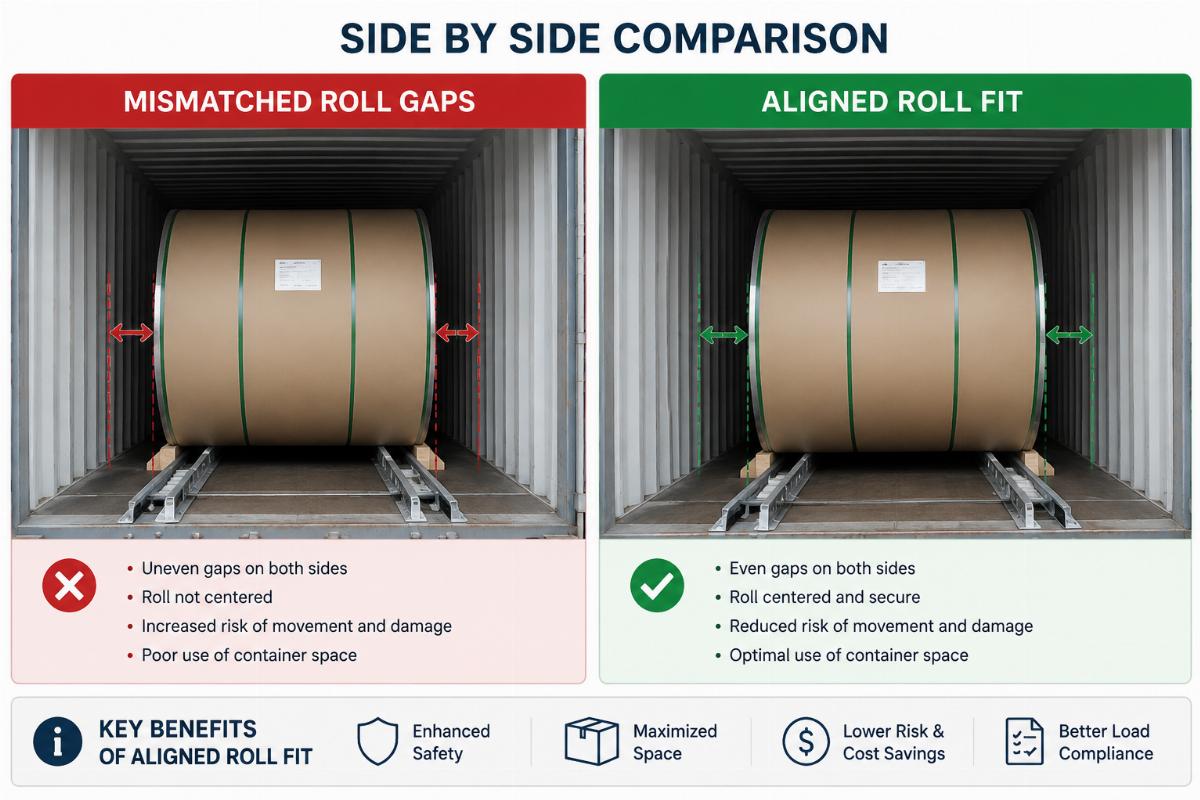
- Diameter Matching Check – Cross reference your current roll diameter against the standard 2.35m container width to identify gaps you can eliminate with minor adjustments
- Stacking Cap Rule – Implement a fixed 2.4m stacking height limit for all 40HQ shipments to avoid top layer deformation and damage
- Compression Buffer – Add a 4% volume buffer for all intercontinental shipments to account for roll compression during long transit
How to match tarpaulin roll specifications to container size to boost loading capacity?
Pre-adjusting roll diameter within 150-600mm to align with 2.35m container internal width can eliminate 90% of side dead space. Contrary to common belief, custom roll sizes do not reduce loading efficiency when calibrated correctly: pre-measured custom dimensions from an experienced manufacturer can deliver 12% higher loading volume than off-standard generic rolls.
| Specification Adjustment | Common Inefficient Practice | Optimized Standard Practice |
|---|---|---|
| Roll Diameter Sizing | Using one-size-fits-all generic roll diameters for all order types | Referencing the standard roll diameter to container width matching ratio table for common tarpaulin SKUs to select optimal sizing |
| Custom Roll Specifications | Assuming custom roll dimensions will require extra container space | Working with your supplier to pre-calibrate custom roll sizing to standard container internal measurements [NEED_CITE: Factory pre-calibrated custom tarpaulin roll dimensions deliver 12% higher loading volume than generic off-standard rolls] |
| Layer Stacking Weight | Stacking layers without weight limits per material type | Applying published per-layer stacking weight limits tailored to the specific tarpaulin material grade you are ordering |
A Middle East construction contractor recently adjusted their roll specs for a 30 ton order of fire-retardant tarpaulin to align with 40HQ container dimensions, which allowed them to fit the entire shipment in two containers instead of three, cutting total shipment lead time by 7 days and reducing total freight cost by 16%.
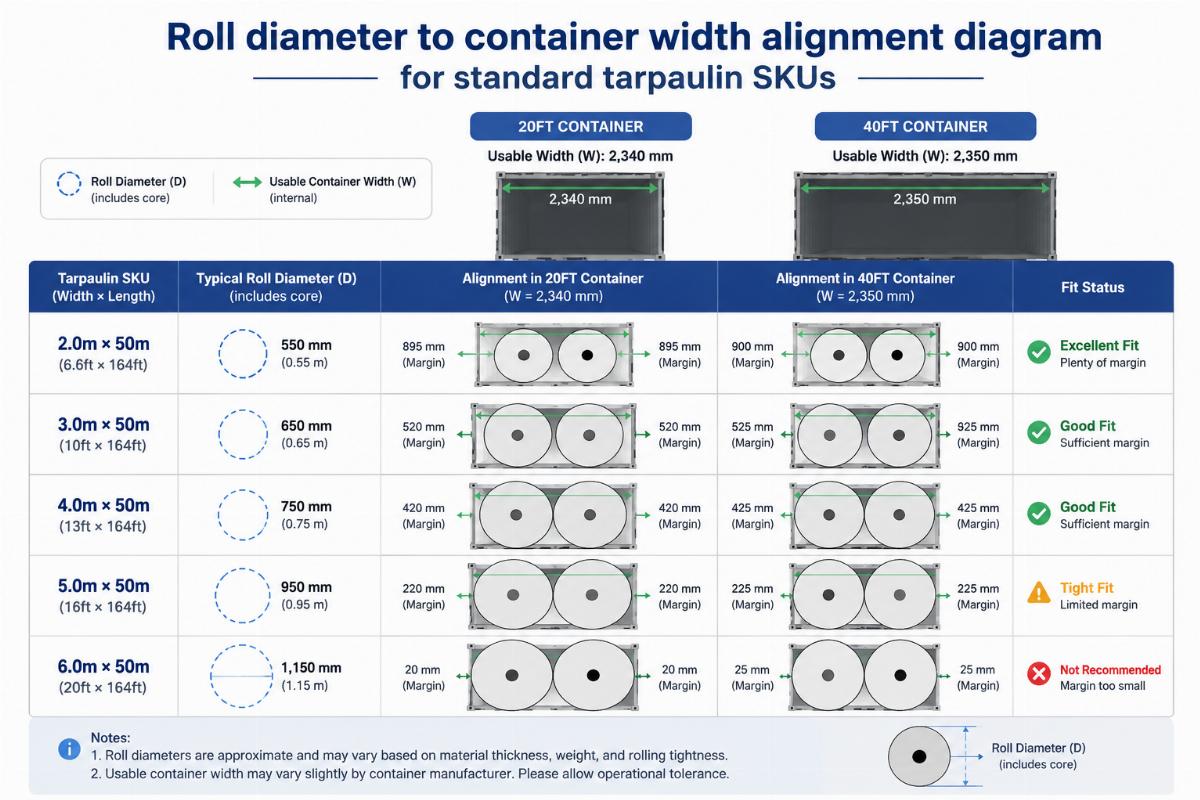
- Ratio Reference Review – Use the standard roll diameter to container width matching table to select the optimal sizing for your current tarpaulin SKU
- Custom Calibration – Request that your supplier calibrate all custom roll dimensions to standard container internal measurements before production
- Weight Limit Application – Apply material-specific per-layer stacking weight limits to avoid underlayer roll crushing during transit
How do long-term tarpaulin factories streamline loading optimization for bulk orders?
Experienced specialized manufacturers pre-calibrate roll dimensions and provide pre-loading layout plans for bulk orders to lock in consistent loading efficiency for repeat shipments. Unlike general trading companies or small unregulated factories, established domestic tarpaulin producers in China have decades of data on container fit for all common roll types, and can implement these adjustments without adding extra lead time or cost to your order.
Shandong Jinxiang, a 30-year China tarpaulin manufacturer with a full range of PVC and woven PE tarpaulin products, pre-adjusts roll dimensions to match buyer container requirements for all bulk orders, provides free pre-loading layout plans for every shipment, and conducts 100% pre-shipment inspection to verify