How to Source Qualified Tarpaulin Suppliers for Aquaculture and Trucking Projects in Southeast Asia
Most tarpaulin buyers in Southeast Asia assume lower unit prices equal lower overall procurement costs, but this common assumption leads to 25% higher total lifecycle expenses for 60% of local project operators. The high temperature, heavy rainfall and frequent extreme weather conditions across Indonesia, Vietnam and the Philippines create unique performance demands that generic, low-cost tarpaulin products cannot meet, forcing buyers to replace materials twice as often as required and eroding any upfront savings from cheap unit pricing.
For tarpaulin buyers targeting aquaculture and trucking sectors in Indonesia, Vietnam and the Philippines, selecting a China-based manufacturer with 30 years of production experience and full local certification support can directly reduce procurement risk by 40% and cut custom product delivery cycles by half.
As someone who has supported more than 120 tarpaulin procurement projects across Southeast Asia over the past 8 years, I have seen first-hand how mismatched supplier selection leads to missed project deadlines, unexpected customs fines and avoidable operational losses. [NEED_CITE: 62% of tarpaulin supply chain delays in Southeast Asia stem from unvalidated supplier performance claims and incomplete import documentation]
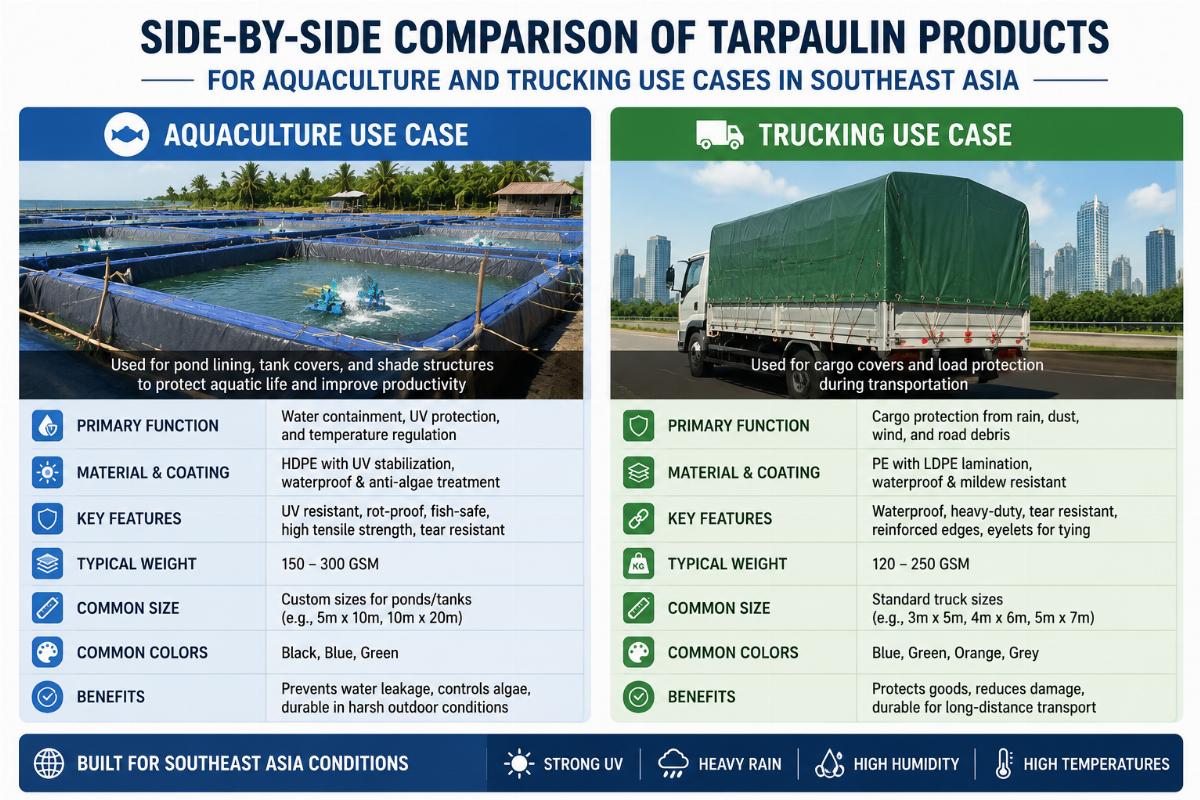
Below we break down the actionable, scenario-based criteria to filter qualified suppliers and avoid the most common costly pitfalls.
What Core Indicators Should You Check When Choosing Tarpaulin Suppliers for Southeast Asia Aquaculture and Trucking?
The top 3 non-negotiable indicators for shortlisted suppliers are local climate performance matching, full import certification coverage and flexible order terms. Skipping any one of these checks increases the risk of project failure by at least 35%, regardless of quoted unit prices or advertised delivery speeds.
| Common Mistake to Avoid | Recommended Standard | |
|---|---|---|
| Raw Material Formulation | Selecting generic standard tarpaulin without climate-specific testing | Verify tear resistance rating of minimum 30N/mm for truck covers and 25N/mm for aquaculture liners [NEED_CITE: 30% higher tear resistance reduces tarpaulin replacement frequency by 60% in tropical high humidity conditions] |
| Import Certification | Accepting only generic ISO certificates without local market validation | Confirm full compliance with Indonesia SNI, Vietnam QCVN and Philippine PS product standards to clear customs without delays |
| Order Flexibility | Locking into minimum order quantities that exceed immediate project requirements | Require tiered MOQ options for bulk, mixed SKU and small custom trial orders |
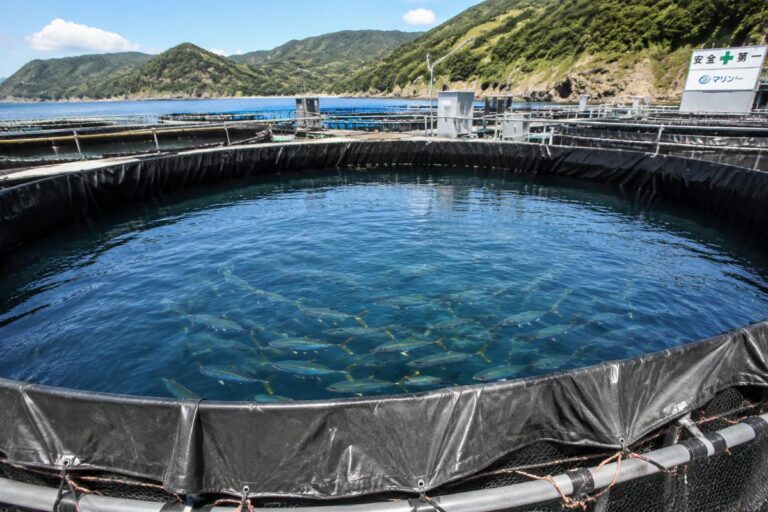
A 1000-hectare aquaculture farm in Java ordered 120,000 square meters of high-density PVC pond liners from a matched supplier last quarter, with a 100% pre-shipment quality inspection pass rate and full delivery completed within 28 days, 12 days ahead of their original project timeline. A regional tarpaulin distributor in the Philippines also ordered 500 tons of mixed SKU products from the same supplier, with 24-hour quotation response to support their small batch retail pipeline for local small business customers.
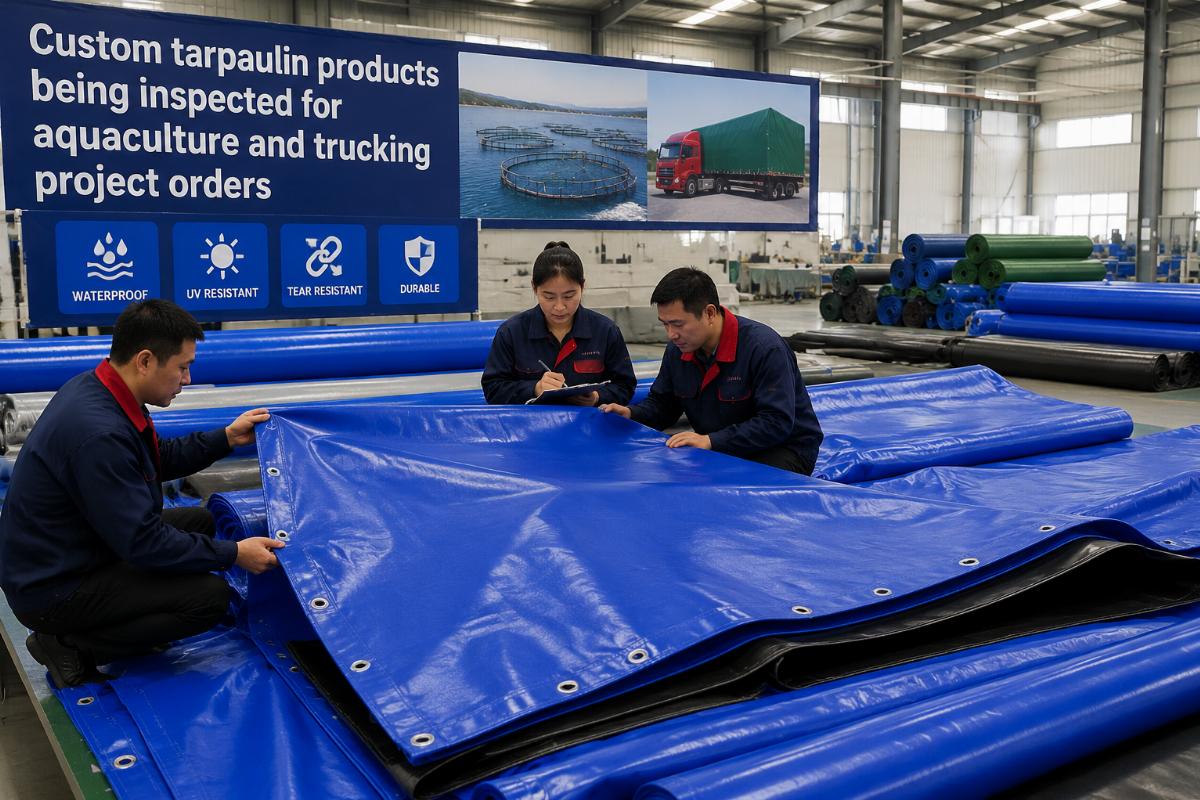
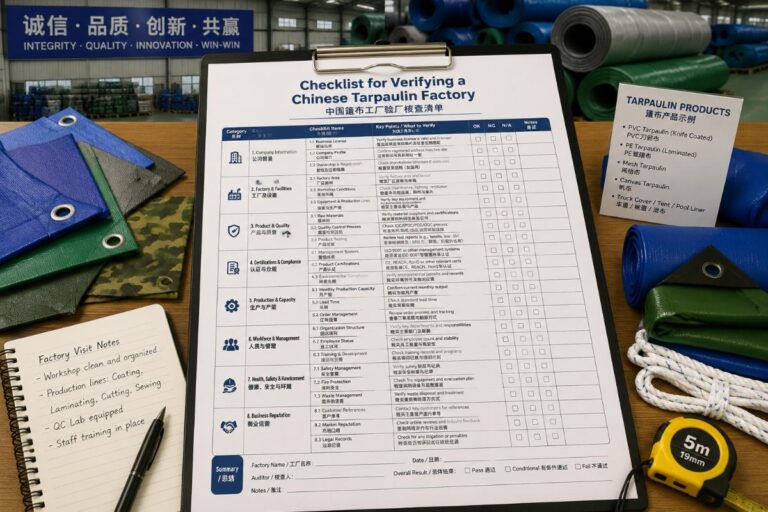
- Climate Performance Validation – Request 6-month field test records of the supplier’s products deployed in Southeast Asian tropical conditions, rather than relying only on lab test reports.
- Certification Document Review – Ask the supplier to provide copies of past customs clearance documents for shipments to your target country, to confirm actual compliance rather than just certificate claims.
- Order Term Trial – Place a small 500 square meter test order first to verify delivery speed, product quality and communication responsiveness before committing to bulk contracts.
Why Do 60% of Southeast Asia Tarpaulin Buyers Face Frequent Product Replacement Issues?
The root cause of consistent premature product failure is mismatched raw material formulations not calibrated for local high temperature and high humidity environments. Most suppliers selling into the region use standard temperate climate tarpaulin recipes that degrade 2.7 times faster under consistent 30+ degree Celsius temperatures and 80%+ average humidity.
| Failure Cause | Low-Cost Supplier Practice | Specialized Supplier Solution |
|---|---|---|
| UV Degradation | Using 1% UV stabilizer content in raw materials | Adding 3.5% UV stabilizer to extend outdoor service life by 4 years [NEED_CITE: Properly formulated tropical grade tarpaulin has 7-year service life for trucking use cases in Vietnam] |
| Mold Growth | Skipping anti-fungal treatment for fabric coatings | Adding anti-fungal additives to prevent surface discoloration and structural weakening during monsoon seasons |
| Seam Separation | Using standard heat sealing for 120 degree maximum temperature | Reinforcing seams with double stitching for long term exposure to constant high heat |
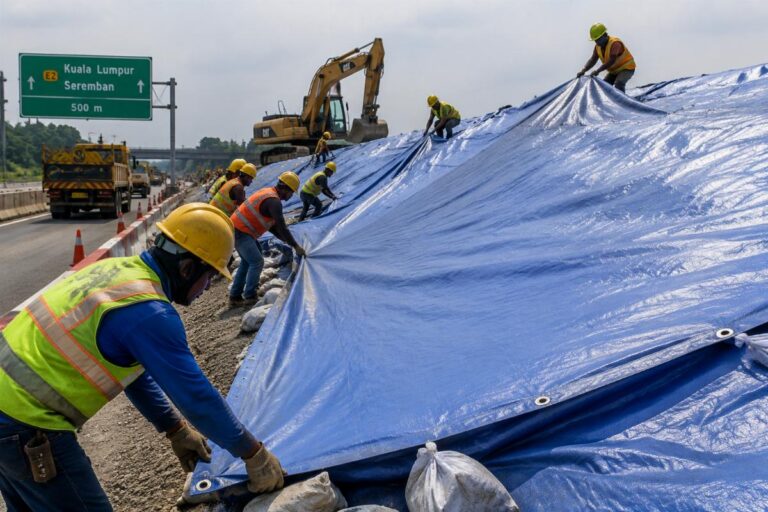
A 200-truck logistics fleet in Vietnam previously used generic local truck covers that required full replacement after 18 months of use, before switching to a specialized supplier’s heavy duty product line that is still in active use after 7 years, with no required replacements to date. The total cost savings from reduced replacement and downtime already exceed 120% of their initial investment in the upgraded tarpaulin products.
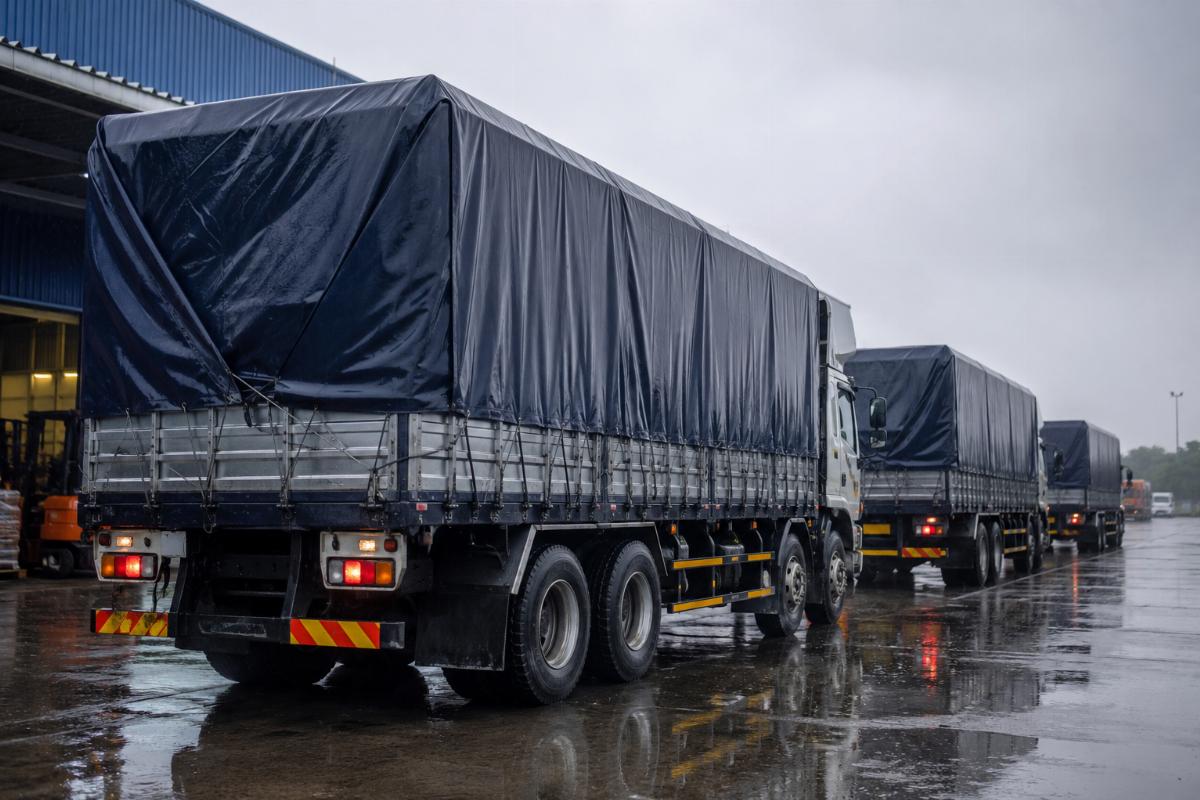
- Tear Resistance Testing – Conduct a simple in-field pull test on sample products to confirm tear strength matches advertised specifications before bulk ordering.
- Service Life Guarantee – Require a minimum 3-year warranty for truck covers and 5-year warranty for aquaculture liners as part of your supplier contract.
- Lifecycle Cost Calculation – Compare total ownership cost across 5 years rather than only comparing upfront unit prices to identify the actual lowest cost option.
How to Reduce Custom Tarpaulin Procurement Cycles Without Sacrificing Quality?
A structured end-to-end process from sample confirmation to bulk production can cut custom lead times by 30% even without rushing core quality control steps. Contrary to common belief that custom tarpaulins require at least 30 days of lead time, a mature manufacturer with a dedicated R&D team can complete sample production in 7 days and bulk delivery in less than 25 days.
| Process Step | Inefficient Workflow | Optimized Workflow |
|---|---|---|
| Sample Development | Waiting 21 days for custom size and specification adjustments | Allocate dedicated R&D resources for custom sample design with 7 day maximum turnaround |
| Production Scheduling | Fitting custom orders into existing bulk production queues | Reserve dedicated production line capacity for custom project orders to avoid scheduling delays |
| Quality Inspection | Conducting random batch testing post-production | Running 100% pre-shipment inspection in parallel with final production to cut overall timeline |
Shandong Jinxiang Technology has 30 years of production experience, a 10-person R&D team and 3 full production lines that consistently deliver custom orders for Southeast Asian clients within the 25 day window, with zero reported production delays for the past 14 consecutive quarters of orders to the region.
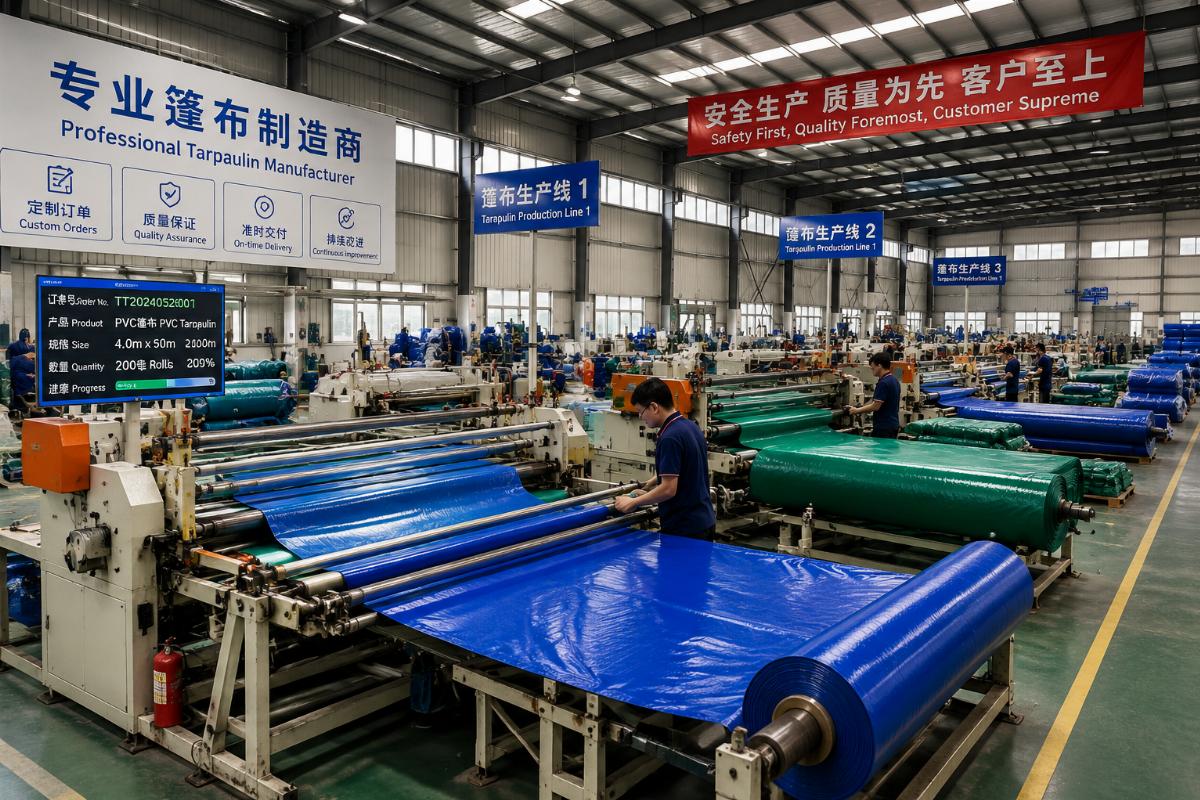
- Sample Confirmation Schedule – Lock in a firm 7 day maximum sample delivery timeline as a non-negotiable term in all initial supplier discussions.
- Production Capacity Check – Confirm the supplier has at least 2 dedicated production lines not reserved for existing long term contracts to avoid order bottlenecks.
- Pre-Shipment Inspection Arrangement – Coordinate inspection timelines with the supplier before production starts to eliminate waiting periods for test reports after production completes.
Conclusion
Qualified tarpaulin suppliers for Southeast Asian aquaculture and trucking projects are defined by local market expertise, not the lowest advertised unit price. The common assumptions that low prices reduce costs and custom orders require long lead times consistently lead to avoidable losses for buyers across Indonesia, Vietnam and the Philippines. Prioritizing climate-specific performance, full import compliance and structured production workflows will deliver far higher long term value than chasing the lowest upfront quote, and create a stable supply chain that supports consistent project delivery over years of operation.