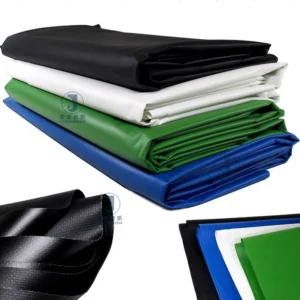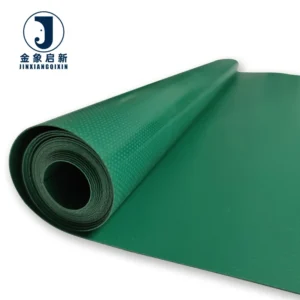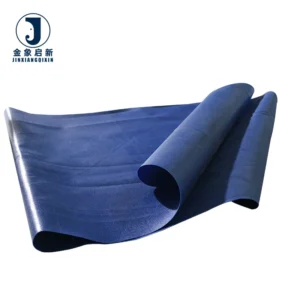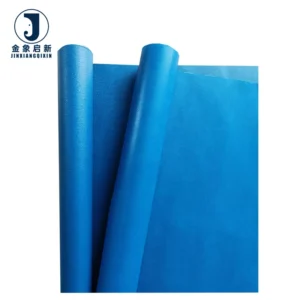
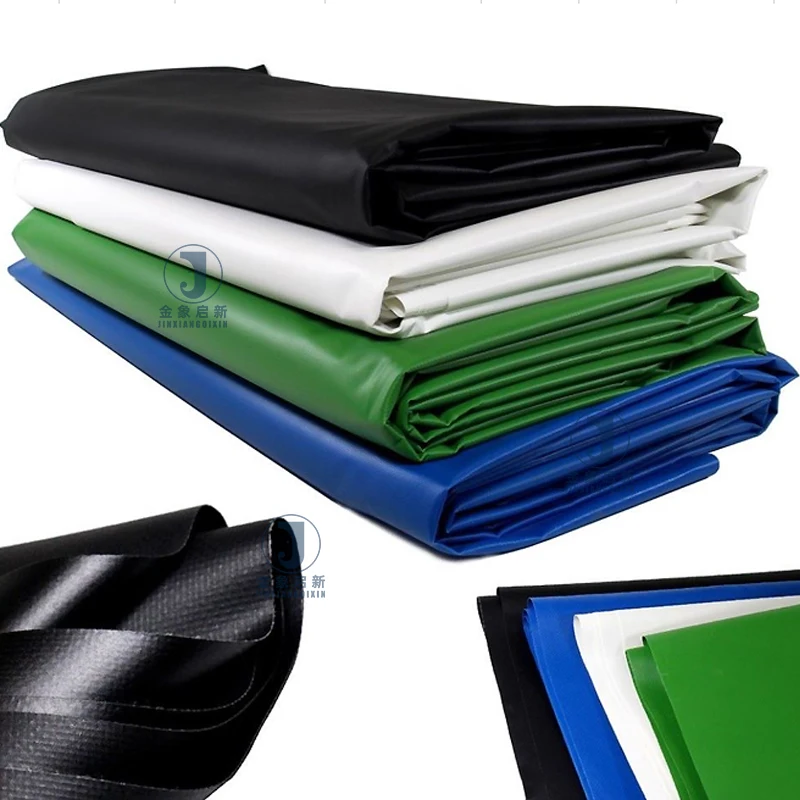
Consistent Coating Weight Control — Every roll of 650gsm PVC coated tarpaulin is verified against the quoted specification with a material sheet stating GSM, base fabric and coating method before dispatch.
Technical Specifications
| Parameter | Value |
|---|---|
| Product Type | PVC Coated Tarpaulin Roll |
| Base Fabric | High tenacity polyester yarns |
| Weight | 650 GSM |
| Coating Material | PVC |
| Coating Method | Laminated technology & Hot-melt Coating technology |
| Waterproof | Yes |
| Anti-Mildew | Yes |
| Flame Retardant | Treatment available (grade not stated in source) |
| Anti-Static | Treatment available (standard not stated in source) |
| Anti-Cold | Treatment available (grade not stated in source) |
| Outdoor Weather Resistance | 3–5 years (source value — verify against manufacturer catalog) |
| Color Fastness | Best (test basis not stated in source) |
| Printing Option | Digital printing vinyl tarpaulin fabric |
| Certifications | ISO, CE |
Application Suitability
| Application | Exposure & Requirement |
|---|---|
| Truck and trailer side curtains | Constant flexing at load points, road abrasion, UV exposure, weld seam integrity at stress zones |
| Advertising PVC tarpaulin banners | Digital print receptivity, colour consistency across panels, outdoor weather resistance |
| Caravan tents and awnings | Repeated folding and unfolding, water contact, colour match across multiple fabric panels |
| Pick-up truck bed covers | Abrasion from cargo loading, UV exposure, tie-down stress at reinforced points |
| Waterproof industrial covers | Prolonged moisture exposure, mildew risk, handling and repositioning wear |
Why PVC Coated Tarpaulin 650 GSM Demands More Than a Weight Claim
A quoted GSM figure without documented coating weight control tells you nothing about how the fabric will perform at the weld line.
Technical buyers sourcing PVC coated tarpaulin 650 gsm for fabrication projects often discover that the material arriving on the dock is lighter than what the quotation stated. The coating weight can vary across the roll width, and a roll that measures 650 GSM at the centre may fall short at the edges where welding and eyelet reinforcement happen most. [NEED_CITE: tensile and tear test methods for coated fabrics per ISO 1421]. Without a material specification sheet tied to each roll, the fabricator has no basis for inbound verification before cutting begins. This gap between quoted and delivered weight is the root of early seam failure in fabricated truck covers and awnings.
How Laminated and Hot-Melt Coating Methods Shape Performance
The base fabric of this PVC coated tarpaulin 650 gsm is constructed from high tenacity polyester yarns, providing dimensional stability when the material is under tensile load during installation or transport. The coating is applied through either laminated technology or hot-melt coating technology, both of which influence how well the PVC layers bond to the polyester substrate.
For fabricators running high-frequency welding equipment, the choice of coating method directly affects weld seam behaviour. A strong bond between coating and base fabric means the weld line is less likely to delaminate under repeated flexing. This matters especially in truck side curtain applications where the fabric flexes every time the curtain is opened and closed along the trailer. [NEED_CITE: DIN 4102 fire classification for building materials].
What Treatment Options Mean Without a Test Standard
This PVC coated tarpaulin is available with flame retardant, anti-static, anti-cold and anti-mildew treatments. However, the grade and test basis for these treatments are not stated in the source specification. Buyers operating in markets with specific fire safety regulations should confirm the flame retardant grade required for their jurisdiction before placing an order.
Similarly, anti-static treatment is available, but the surface resistance standard is not specified. For applications in aviation ventilation or environments where static discharge is a concern, the buyer should request a test report matching the relevant standard. Colour fastness is noted as best, but without a stated test method, fabricators using digital printing should verify print adhesion and UV stability through sample testing before committing to a production run.
How GSM and Coating Technology Interact at the Weld Line
The 650 GSM weight of this PVC coated tarpaulin represents the combined mass of the polyester base fabric and the PVC coating on both sides. A higher GSM alone does not guarantee better tearing strength; it is the relationship between base fabric denier, weave density and coating adhesion that determines how the material behaves when cut, welded and installed. A roll with a lighter base fabric but heavier coating may pass a GSM check yet fail at the weld seam because the coating delaminates before the polyester yarns reach their tensile limit.
Laminated coating technology typically produces a mechanical bond between the PVC and the polyester, while hot-melt coating creates a chemical adhesion that penetrates the yarn structure more deeply. The choice between these methods affects not only peel strength but also how the material responds to heat during fabrication. Fabricators running automated welding lines need consistent coating thickness across the roll width to maintain uniform weld parameters, and any variation in coating weight introduces weak points at the seams.
The Cost of Overlooking Batch Consistency in Roll Orders
When multiple rolls of PVC coated tarpaulin 650 gsm are ordered for a single project, colour variation between rolls can become visible once the panels are installed side by side. This is particularly damaging in advertising banners and caravan awnings where appearance matters. A batch with inconsistent coating weight can also cause welding parameters to shift from one roll to the next, leading to seam failures that only appear after the product is in service. [NEED_CITE: coating weight variance and weld integrity in PVC tarpaulin fabrication]. These failures are expensive to rectify because they occur after the fabricated product has been delivered to the end user.
Why Fabricators Specify This Material for Repeat Orders
Three full production lines and 36 sets of professional equipment support consistent output volume, reducing the risk of delayed shipments on bulk roll orders. The 10-person R&D team handles custom width, colour matching and sample development, allowing fabricators to confirm material behaviour before committing to a production quantity.
Dedicated QA/QC operates at every production stage with 100% pre-shipment inspection, meaning each roll is checked against the stated 650 GSM specification before it leaves the facility. The ISO and CE certifications are included in dispatch documentation rather than claimed without supporting paperwork. Material specification sheets accompany every shipment, stating GSM, base fabric denier, coating method and colour reference so the buyer can verify on arrival.
Documentation & Verification
- Material specification sheet confirming 650 GSM, base fabric denier and coating method per roll
- UV and flame retardant test reports supplied where treatment grades are specified at order
- Pre-shipment inspection record with GSM verification results included in dispatch
- Roll packing list detailing individual roll dimensions, weights and colour references
- ISO and CE certificates with certificate of origin for customs clearance
Fabrication, Handling & Storage
- High-frequency welding parameters should be tested on a sample from each roll of 650 GSM material before production runs
- Laminated and hot-melt coated surfaces respond differently to heat, requiring weld temperature adjustment per coating method
- Store rolls upright on pallets to prevent flat-spot deformation of the high tenacity polyester base fabric
- Avoid dragging PVC coated surfaces against rough concrete during unloading to prevent coating abrasion
- Allow cold-stored rolls to reach ambient temperature before unrolling to prevent coating crack at stiffened sections
- Clean printed surfaces with mild detergent only, as aggressive solvents may degrade the PVC coating layer
What to Include in Your Enquiry
When requesting a quotation for this PVC coated tarpaulin, specify the target application and the environmental exposure the finished product will face. Confirm whether flame retardant or anti-static treatment is required and state the test standard applicable in your market. Indicate the roll width and length you need, along with estimated annual volume, so the production team can assess capacity and colour consistency across your order. If digital printing is planned, request a print sample to verify ink adhesion and colour fastness before committing to roll stock.
Frequently Asked Questions
Q: How is GSM verified at delivery against the quoted 650 GSM specification?
A: Each roll ships with a material specification sheet stating the GSM, base fabric denier and coating method. The buyer can verify the weight on arrival using a standard fabric weight cutter and scale. The pre-shipment inspection record included in the dispatch documentation shows the GSM spot-check results recorded during production.
Q: What flame retardant grade is available and can I get a test report?
A: Flame retardant treatment is available for this PVC coated tarpaulin, but the specific grade is not stated in the standard specification. Buyers should state the fire safety standard required in their market when enquiring, and a test report matching that standard will be supplied with the shipment where applicable.
Q: How does the coating method affect weld seam strength for fabricated products?
A: Both laminated and hot-melt coating technologies are used on this 650 GSM material. Hot-melt coating typically produces deeper adhesion into the polyester yarn structure, which can improve peel strength at welded seams. Fabricators should request a sample of each coating type and run weld tests to determine which performs better on their equipment.
Q: How is colour consistency controlled across multiple rolls in the same order?
A: Colour reference is recorded on the material specification sheet for each roll. The QA/QC process includes colour checking at every production stage to reduce roll-to-roll variation. For projects where panels will be installed side by side, buyers should request a colour consistency guarantee and confirm the colour reference before production begins.
Q: What UV treatment documentation supports the outdoor weather resistance claim?
A: The outdoor weather resistance is stated as 3–5 years in the source specification, but the test basis is not stated. Buyers relying on UV stability for long-term outdoor applications should request the UV test report and confirm the test standard used, as UV performance depends on the specific additive package applied during coating.