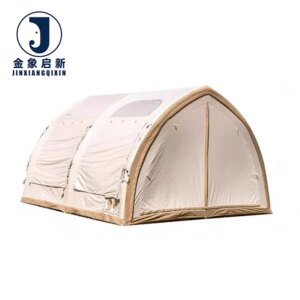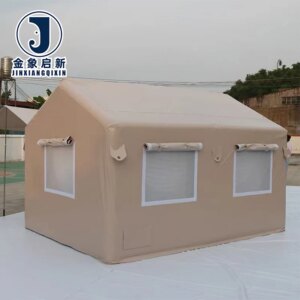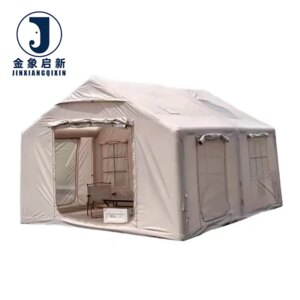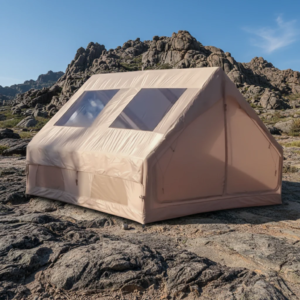
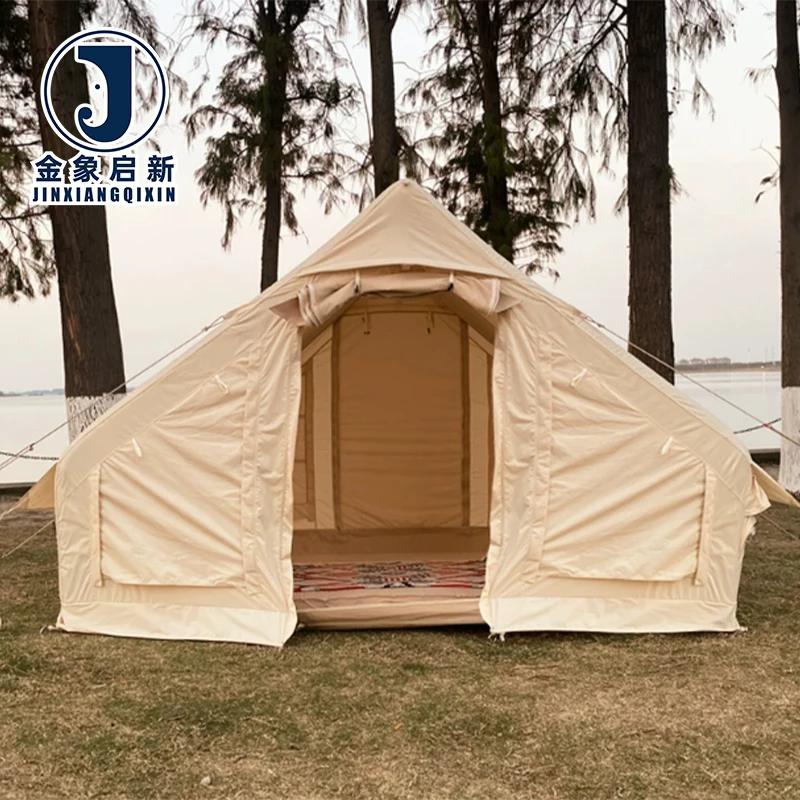
Precision-Coated Consistency — Every batch of this PVC inflatable tent fabric ships with a material specification sheet detailing exact coating weight and base fabric construction, backed by 100% pre-shipment QA inspection records from a facility operating three full production lines.
Technical Specifications
| Parameter | Value |
|---|---|
| Product Type | Inflatable Tent |
| Core Material | PVC tarpaulin |
| Product Forms | Inflatable, extended type, single layer construction |
| Key Performance | Waterproof, windproof, 4-season suitable, quick automatic opening |
| Flame Retardant Grade | Available in flame retardant grades — confirm the grade required for your market |
| UV Treatment | Available with UV treatment — confirm test basis required for your application |
| Anti-Static | Available on request — confirm certification required for your site |
| Customization Service | OEM & ODM (sample customization, pattern printing) |
| Certifications | ISO9001, ISO14001, ISO45001, CE |
| R&D Team Scale | 10 technicians |
Application Suitability
| Application | Exposure & Requirement |
|---|---|
| Disaster relief temporary shelters | Rapid deployment under severe weather, repeated inflation cycles, full waterproof integrity |
| Construction site field command centers | Wind load on inflated chambers, UV exposure on membrane surface, daily abrasion at ground contact |
| Mobile storage facilities for logistics | 4-season outdoor exposure, load-bearing on inflated walls, resistance to handling and transport damage |
| Temporary workspace coverage during recovery efforts | Quick automatic opening requirement, all-weather windproof performance, structural stability under rain and snow |
Why Coating Weight Verification Matters More Than Stated GSM for Inflatable Structures
The true performance of PVC inflatable tent fabric depends on how consistently the coating is applied and bonded to the base fabric, not just the number printed on the quotation.
Technical buyers sourcing PVC inflatable tent fabric for emergency shelter production frequently encounter material that arrives lighter than the GSM agreed at order stage. For inflatable membrane structures, uneven coating weight creates weak zones in the air chambers — precisely where internal pressure concentrates stress during inflation. I have seen coated rolls arrive with visible thickness variation across the width, and those thin spots become the first failure points when the structure cycles through repeated inflation and deflation [NEED_CITE: coating weight uniformity and tensile performance correlation in PVC coated fabrics].
Base Fabric Construction for Repeated Inflation Cycles
The base fabric denier and weave pattern determine how well the PVC inflatable tent fabric handles the cyclic loading of pressurised air chambers. Each inflation event stretches the membrane, and every deflation compresses it — a fatigue pattern that demands a base fabric engineered for dimensional stability rather than just static tensile values.
The 10-technician R&D team selects base fabric construction matched to the structural demands of inflatable shelter designs, balancing denier weight against the need for rapid automatic opening. Heavier denier provides tear resistance at seam intersections, while the weave density controls how evenly the PVC coating penetrates and bonds. This PVC inflatable tent fabric supports the single layer construction format that keeps overall membrane weight manageable for quick-deployment systems.
Coating Adhesion and Weld Behaviour at Chamber Seams
Inflatable tent structures depend entirely on welded seams to maintain air pressure, making coating adhesion strength a critical parameter that goes beyond what a GSM reading can communicate. When coating weight varies within a single roll, the heat welding temperature that produces a strong bond at one point may burn through or under-melt at another [NEED_CITE: weld strength testing methods for PVC coated fabrics per ISO standards].
Coating process control across all three production lines ensures that PVC inflatable tent fabric maintains uniform adhesion characteristics from edge to edge and from start to finish of each roll. This consistency allows fabricators to set welding parameters once and trust them across the full membrane surface, reducing the scrap and rework that results from seam failures at flex points where inflatable chambers experience peak stress during deployment.
Reading the Specification Sheet Beyond the GSM Number
A material specification sheet that lists only total GSM leaves the buyer unable to predict how the PVC inflatable tent fabric will perform under the specific demands of inflatable structure manufacturing. The relationship between base fabric density and coating weight determines whether the membrane will resist puncture, hold a weld, or survive repeated folding during storage and transport.
Base fabric denier and weave density govern tear propagation resistance — a high-denier yarn in a tight weave arrests tear spread far more effectively than a lighter construction with the same total GSM achieved through heavier coating alone. Coating method and weight affect both waterproof integrity and the thermal behaviour during welding, where insufficient coating mass leads to poor seam adhesion and excessive coating creates stiffness that works against rapid automatic opening. Understanding these relationships allows buyers to specify with precision rather than relying on a single aggregate weight figure [NEED_CITE: relationship between base fabric construction and coated fabric mechanical properties].
What Happens When Coating Consistency Is Not Verified Before Shipment
A roll of inflatable structure fabric that passes visual inspection but carries undetected coating weight variation creates problems that only appear on the fabrication floor. Heat welders calibrated for a specific coating thickness produce weak bonds where the material runs thin and burn marks where it runs thick, generating waste and delaying production schedules.
Colour variation between rolls in the same order becomes visible once membrane panels are installed side by side on a completed inflatable shelter, forcing rejection of material that was technically within tolerance on weight alone. For disaster relief applications where deployment speed is critical, receiving fabric that does not match the agreed coating specification means production delays that translate directly into delayed shelter availability [NEED_CITE: batch consistency requirements for industrial coated fabric orders].
Production Control That Supports Your Material Specification
Deep process control over coating weight and adhesion is maintained across three full production lines with 36 sets of professional processing equipment, ensuring that PVC inflatable tent fabric meets the stated specification on every roll produced.
Dedicated QA/QC operates at every production stage, with 100% pre-shipment inspection verifying coating weight, colour consistency, and surface quality before any roll leaves the facility. The 10-person R&D team handles material selection, pattern printing, custom sizing, and sample development, supporting fabricators who need to validate material performance before committing to bulk volumes. Samples are developed within days for custom material requirements, allowing full technical verification against the intended inflatable structure design.
Documentation & Verification
- Material specification sheet stating GSM, base fabric denier and weave, and coating method for every batch
- Test reports for UV resistance and flame retardant grades referenced to recognised standards where applicable
- Pre-shipment inspection record confirming coating weight and colour consistency roll by roll
- Certificate of origin and customs documentation supporting international shipment requirements
- Roll packing list with batch traceability for production floor material tracking
Fabrication, Handling & Storage
- Heat welding parameters should be validated against sample material before setting production temperatures for PVC inflatable tent fabric
- Single layer construction requires careful handling during panel cutting to avoid surface scoring that compromises waterproof integrity
- Store rolls upright on pallets in covered conditions to prevent compression marks on the coated membrane surface
- Allow cold-stored rolls to reach ambient temperature before unrolling to prevent coating cracking at low temperatures
- Clean with mild detergent solutions compatible with PVC coating chemistry to preserve surface treatment performance
Before You Request a Quotation
Provide the intended inflatable structure dimensions and the operating pressure range for your air chamber design, along with the deployment climate and any fire safety or anti-static compliance requirements your market mandates. Specify the roll width and colour you need, whether pattern printing is required, and your estimated annual volume so that production can be scheduled against available line capacity. Request sample material first to confirm that welding parameters, coating adhesion, and membrane flexibility meet your fabrication process before committing to a bulk order.
Frequently Asked Questions
Q: How is GSM verified on PVC inflatable tent fabric and what documentation accompanies each shipment?
A: Each batch ships with a material specification sheet stating exact GSM, base fabric denier and weave, and coating method. A 100% pre-shipment inspection record confirms coating weight roll by roll, and batch quality inspection reports are available to trace any roll back through production. This documentation supports your incoming material verification process and provides full traceability for quality management purposes.
Q: What test standards support the flame-retardant and anti-static claims for inflatable structure applications?
A: Flame retardant and anti-static grades are available — confirm the specific grade and test standard required for your market and application. The factory provides test reports referenced to recognised standards where applicable, and the 10-person R&D team can develop sample material to your required certification basis before bulk production begins.
Q: How does base fabric denier and weave affect weld strength and seam durability in inflatable tent construction?
A: Base fabric denier and weave density determine how evenly the PVC coating bonds to the yarn structure, which directly influences weld adhesion at chamber seams. Tighter weave patterns support more consistent coating penetration, producing stronger welds that resist peeling under the cyclic pressure loading of repeated inflation and deflation throughout the shelter service life.
Q: What UV treatment options are available and what test basis supports outdoor exposure claims?
A: UV treatment is available as a coating additive — confirm the test basis and exposure duration rating required for your target market. Sample material with UV treatment can be developed within days, allowing you to verify performance against your specific outdoor exposure conditions and compliance requirements before placing a bulk order.
Q: How is batch-to-batch colour and coating consistency controlled across rolls for large inflatable structure projects?
A: Coating process control is maintained across all three production lines with dedicated QA/QC at every stage. Each roll undergoes inspection for colour consistency and coating weight uniformity before dispatch, and the pre-shipment inspection record documents the results. This ensures that membrane panels cut from different rolls within the same order match when installed side by side on a completed structure.