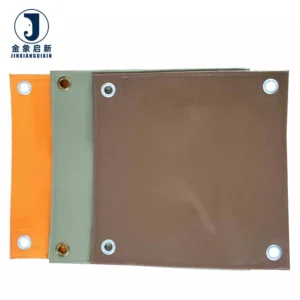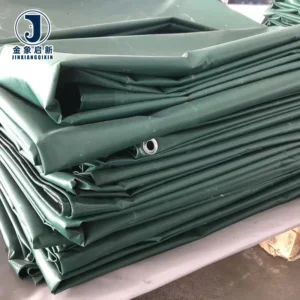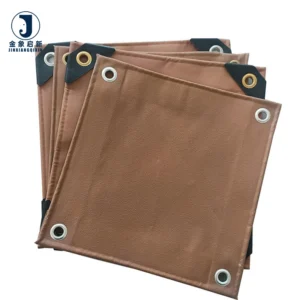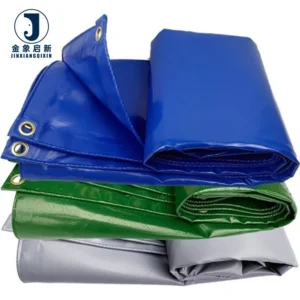
Coating Control — Adhesion strength between the PVC layer and polyester base is verified through hot melt and lamination process monitoring, ensuring the coating weight stated on your specification sheet matches the roll you receive.
Technical Specifications
| Parameter | Value |
|---|---|
| Product Type | PVC Coated Tarpaulin Fabric |
| Base Fabric | 100% high toughness polyester yarn |
| Coating Material | PVC |
| Coating Method | Lamination technology and hot melt coating technology |
| Flame Retardant Grade | B1 (DIN 4102) |
| Waterproof | Yes |
| Anti-Static | Anti-static treatment available (specify requirement) |
| Anti-Mildew | Mold proof treatment |
| Cold Resistant | Cold cracking resistant formulation |
| UV Treatment | Weather resistance grade available — confirm target climate |
| Welding Tear Strength | Excellent (suitable for heat-seamed fabrication) |
| Treatment Options | Flame retardant, anti-static, cold resistant, mold proof, UV |
| Printing | Custom printing available |
Application Suitability
| Application | Exposure & Requirement |
|---|---|
| Warehouse cover | Permanent outdoor exposure, wind load, rain ingress, fire code compliance for stored goods |
| Construction site protection | Abrasion from scaffolding and materials, UV exposure, temporary enclosure with fire safety |
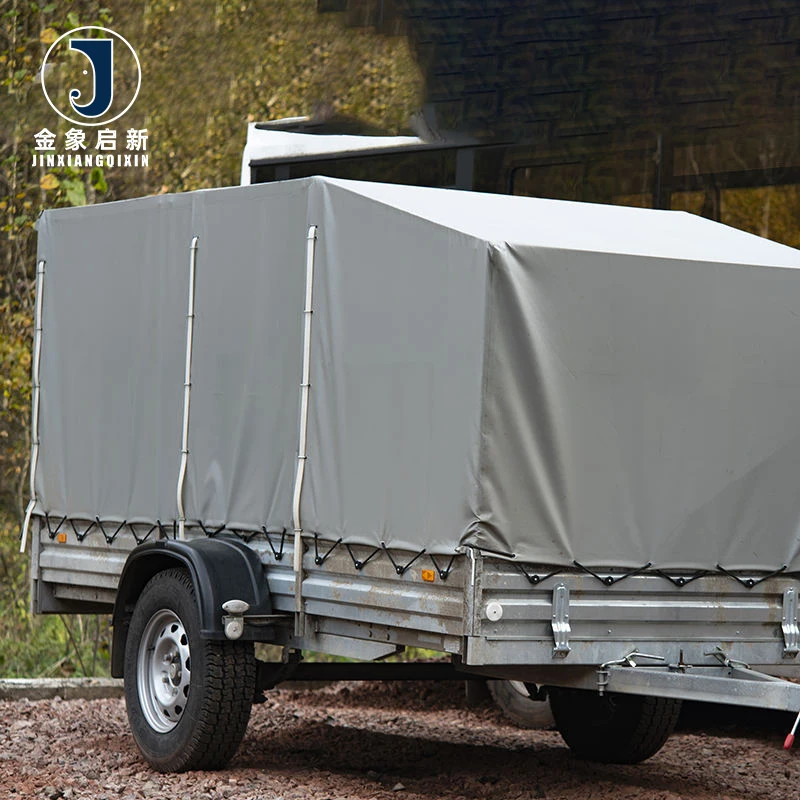
| Truck tarpaulin and side curtain | Constant flexing at tie-down points, road debris impact, UV and weather cycling |
| Tensioned structural fabric | Sustained mechanical load, wind uplift, long-term UV stability, weld seam integrity |
| Industrial pipe canopy | Chemical exposure, condensation, heat proximity requiring flame retardant certification |
Why "Flame Retardant" on a Quotation Is Not Enough Without the Grade
A B1 rating per DIN 4102 defines exactly where this PVC coated tarpaulin base fabric denier coating weight combination stands in the fire classification hierarchy — without it, the claim is unverifiable.
Technical buyers reviewing material data sheets frequently encounter flame retardant stated as a feature with no test standard referenced. The specification lands on a desk, the procurement team approves, and the fabric arrives on site without documentation that satisfies the local fire inspector. The consequence is a failed site audit or a rejected shipment at the port of entry [NEED_CITE: DIN 4102 fire classification for building materials]. Specifying the grade upfront and requiring the test report as part of the documentation package eliminates this gap entirely.
Coating Adhesion and the Lamination Process
This PVC coated tarpaulin fabric is produced using both lamination technology and hot melt coating technology, two methods that serve different performance priorities. Lamination bonds a pre-formed PVC film to the polyester base under heat and pressure, delivering a uniform coating thickness across the roll width. Hot melt coating applies molten PVC directly into the fabric weave, penetrating the yarn structure for stronger mechanical adhesion.
The choice between these methods affects peel strength, weld behaviour and surface finish. For applications where heat-seamed panels carry structural loads, the coating-to-base adhesion determines whether the seam fails at the weld line or within the body of the fabric itself.
Tensile Behaviour Across Duty Grades
The base fabric denier and weave density work together with the coating weight to produce the tensile and tear performance of the finished roll. A higher denier yarn resists individual fibre breakage, while the weave count controls how load distributes across neighbouring threads when a tear initiates [NEED_CITE: tensile and tear test methods for coated fabrics per ISO 1421].
For fabricators producing truck side curtains or tensioned warehouse covers, the warp and weft tensile values indicate how the material behaves under sustained directional loading. The welding tear strength rating matters where panels are joined by heat rather than stitching, because the seam must match or exceed the parent fabric strength at flex points.
Reading the Specification Beyond GSM Alone
GSM tells you how much material is present per square metre, but it does not tell you where that mass sits. A heavier coating with a lighter base fabric will show high GSM but may lack the tensile reserve needed for load-bearing applications. Conversely, a dense base fabric with minimal coating achieves tensile figures but sacrifices waterproofing and UV protection depth.
The coating method — whether lamination or hot melt — determines how the PVC distributes around the yarn intersections. Hot melt penetration creates a mechanical lock between coating and base that resists delamination under repeated flexing. The flame retardant treatment integrated into the PVC compound must maintain its B1 per DIN 4102 classification across the full thickness of the coated layer, not just the surface. Buyers specifying PVC coated tarpaulin base fabric denier coating weight for fire-sensitive environments should request the test report showing the grade was achieved on the finished composite, not on the base fabric alone.
What Happens When the Specification Does Not Match the Site
A warehouse cover specified without confirming the flame retardant grade against local fire codes results in a rejected installation after the fabric is already cut, welded and mounted. The cost of replacement extends beyond the material itself to include dismantling, downtime and reinstallation labour [NEED_CITE: fire safety compliance requirements for temporary warehouse structures].
Similarly, fabricators who select a coating method without considering their welding equipment parameters may find that the seam peels under load while the surrounding fabric remains intact. The weld line becomes the weakest point in the assembly, and failures concentrate at exactly the locations where the structure flexes most under wind or mechanical stress.
Why Source This PVC Coated Fabric Here
Deep process control over coating weight and adhesion is maintained across all three production lines, with dedicated QA/QC at each stage from base fabric inspection through to finished roll packaging. This means the PVC coated tarpaulin fabric you receive matches the coating weight and GSM stated on your material specification sheet.
The 10-person R&D team develops samples within days for custom requirements including colour matching, width adjustments and treatment combinations — so you can verify weld parameters and fabric handling characteristics before committing to a production run.
Every roll undergoes inspection before shipment, with pre-shipment records confirming coating adhesion, colour consistency across rolls and treatment verification. For buyers specifying PVC coated tarpaulin base fabric denier coating weight for OEM or fabrication use, this inspection discipline reduces the risk of batch-to-batch variation reaching your production floor.
Documentation & Verification
- Material specification sheet stating exact GSM, base fabric denier and coating method for the grade ordered
- Flame retardant B1 per DIN 4102 test report shipped with the documentation package
- Pre-shipment inspection record confirming actual coating weight against the quoted specification
- Colour reference and consistency check across all rolls in a multi-roll order
- ISO and CE certificates included in the customs and compliance documentation set
Fabrication, Handling & Storage
- Set hot air weld temperature based on coating method — lamination and hot melt coatings respond differently to heat input
- Store rolls vertically on end caps to prevent flat spots that cause coating crease marks on the PVC surface
- Allow cold-weather rolls to acclimatise before unrolling to avoid cracking the cold resistant treated coating
- Test weld seam peel strength on a sample offcut before running production panels at full speed
- Use compatible PVC-based repair patches and solvent cement matching the coating chemistry for field repairs
- Plan panel layout to place weld seams perpendicular to the primary load direction for maximum tear resistance
Before You Request a Quote
Provide the specific application and the mechanical or environmental loads the fabric will face in service — this determines which duty grade and coating method suits your project. If your market requires fire safety certification, state the local code reference so the correct test documentation ships with your order.
Specify whether you need rolls at standard width or custom dimensions, and whether the PVC coated tarpaulin fabric will be fabricated in-house or supplied as finished cut panels. Colour requirements, printing specifications and treatment combinations such as flame retardant plus anti-static should be confirmed at inquiry stage to ensure accurate sampling and lead time planning.
Frequently Asked Questions
Q: How is the actual GSM verified before my rolls ship?
A: Each roll is weighed and measured during pre-shipment inspection, with the recorded GSM documented against your specification sheet. The inspection report ships with your order so you can cross-reference the delivered weight with the quoted value upon receipt.
Q: Can I get the B1 flame retardant test report with my order?
A: Yes. The B1 per DIN 4102 test report is included in the documentation package for every shipment of flame retardant graded fabric. If your local fire authority requires a specific test standard beyond DIN 4102, raise this at inquiry stage so we can confirm coverage.
Q: What is the difference between lamination and hot melt coating for welding?
A: Lamination produces a smooth uniform coating surface that heats evenly under hot air welding. Hot melt coating penetrates the base fabric weave for stronger adhesion but may require adjusted weld temperature and speed. We recommend testing both methods on samples before your production run.
Q: How do you ensure colour consistency across multiple rolls?
A: All rolls in a single order are produced from the same coating batch and inspected side by side under controlled lighting before packing. The pre-shipment inspection record confirms colour consistency and ships with your documentation.
Q: What anti-static certification is available for regulated environments?
A: Anti-static treatment is available as an option alongside the B1 flame retardant grade. The surface resistance specification and applicable test standard are confirmed during the sampling stage so you can verify compliance with your site or regulatory requirements before ordering.