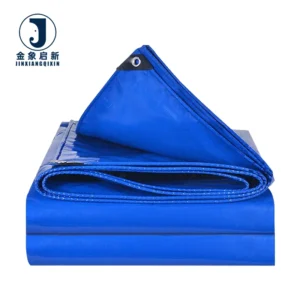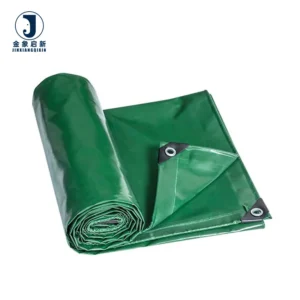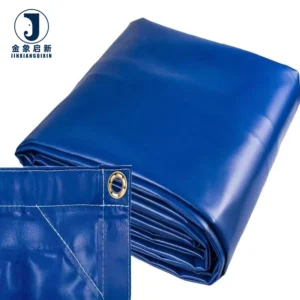
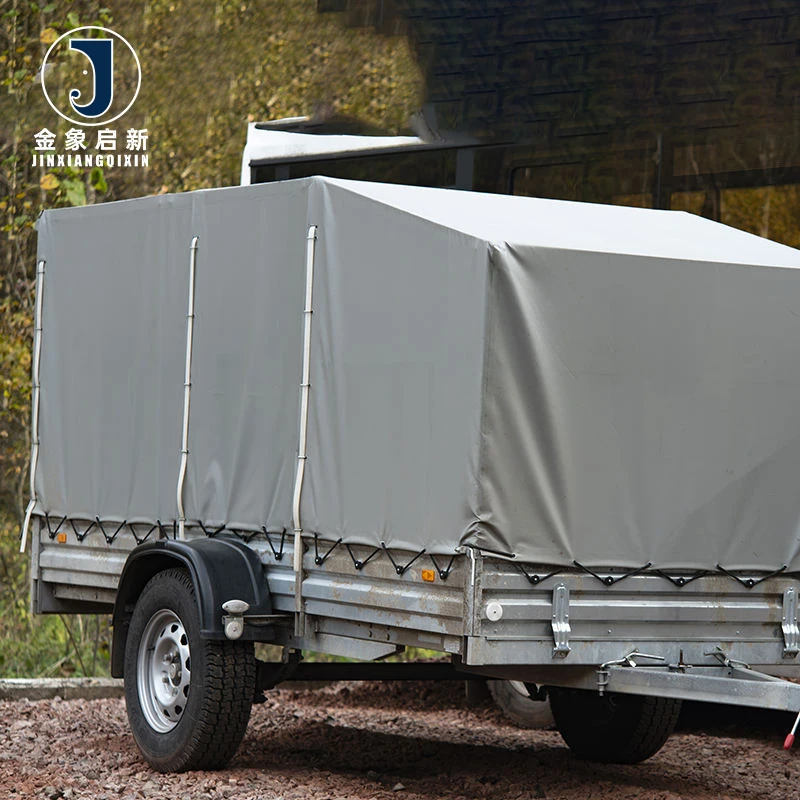
Hot Melt Coating Mastery — Adhesion tested at the coating-to-yarn interface to ensure weld strength matches the base fabric tensile capacity.
Technical Specifications
| Parameter | Value |
|---|---|
| Product Type | Fire Retardant B1 Standard Waterproof PVC Tarpaulin for Warehouse Cover and Construction |
| Base Fabric | 100% high toughness polyester yarn |
| Coating Technology | Lamination and hot melt coating |
| Coating Material | PVC |
| Weight | 610 g/m² |
| Flame Retardant Grade | B1 |
| Waterproof | Yes |
| Cold Resistant | Yes |
| Anti-Mildew | Yes |
| Anti-Static Treatment | Available — confirm test basis required for your market |
| UV Treatment | Available — confirm test duration or grade required for your market |
Application Suitability
| Application | Exposure & Requirement |
|---|---|
| Warehouse cover | Prolonged water contact, wind uplift at edges, stored goods protection |
| Construction site enclosure | Abrasion from scaffolding and debris, UV exposure, flame retardant compliance on site |
| Truck side curtain | Constant flexing at folds, road spray, abrasion at tie-down contact points |
| Industrial pipe canopy | Chemical splash resistance, tensioned installation, outdoor weathering |
| Tensioned structural fabric | Sustained load bearing, weld seam integrity, surface cleanliness for appearance |
Why "Flame Retardant" Without a Test Report Is Just a Claim
A B1 rating only matters when the test certificate travels with the shipment.
Technical buyers specify flame retardant PVC coated fabric for warehouse and construction covers, then discover on site that the rolls arrived without documentation the fire inspector can review. The material may have been treated at the coating stage, but without a traceable report referencing a recognised standard such as DIN 4102, the fabric cannot be accepted in regulated environments. This gap between quotation language and verifiable performance causes project delays and forced replacement. [NEED_CITE: DIN 4102 fire classification for building materials]
Base Fabric Denier and Coating Adhesion Under Weld Stress
The 100% high toughness polyester base provides the tensile skeleton of this PVC coated fabric. Hot melt coating technology forces the PVC compound into the yarn interstices rather than sitting on the surface, which directly improves peel strength between the coating and the base. When fabricators heat-weld seams on warehouse covers or side curtains, the weld line must withstand the same flex cycles as the body fabric — a coating that sits on top will delaminate before the yarn itself fails.
B1 Compliance in Warehouse and Construction Environments
B1 is a recognised flame retardant classification indicating that the material is difficult to ignite and does not contribute to fire spread under defined test conditions. For construction site enclosures and indoor warehouse partitioning, this grade satisfies many project specifications that reference European fire classification systems. Buyers should confirm whether their local authority requires DIN 4102 specifically or accepts equivalent national standards, and request the corresponding test report before production begins. [NEED_CITE: flame retardant classification systems for temporary structures]
Reading the Specification Sheet Beyond GSM
The stated 610 g/m² weight reflects the combined mass of the polyester base fabric and the PVC coating layers. Tensile strength in coated fabrics depends on the base yarn denier, the knitting density, and the coating adhesion — not on weight alone. A heavier fabric with a loosely woven base can tear more easily than a lighter one with a tightly constructed substrate. Hot melt coating adds mechanical interlock with the yarn, improving both tensile transfer across the weave and resistance to tear propagation along the weft. The lamination layer contributes to dimensional stability, keeping the fabric flat under tensioned installation such as pipe canopies or membrane structures.
The Cost of Undocumented Material Properties
When anti-static treatment is specified for environments with combustible dust or vapour but arrives without a surface resistance test report, the fabric cannot pass site safety inspection. Similarly, UV treatment claimed on paper but unsupported by accelerated weathering data leaves buyers exposed to premature surface chalking and embrittlement. These gaps are rarely discovered at the quotation stage — they surface when the material is already on site, forcing either expensive replacement or negotiation under project deadline pressure. [NEED_CITE: anti-static surface resistance testing for industrial textiles]
Production Control Behind Every Roll
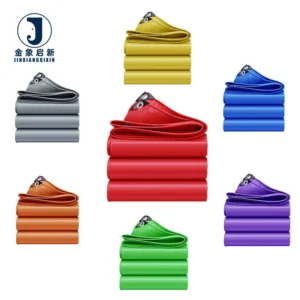
Three full production lines handle this PVC coated fabric from weaving through coating to final winding. The 10-person R&D team develops custom widths and colours with samples produced within days for buyer approval before bulk commitment. A dedicated QA function inspects every roll before dispatch, checking weight, colour consistency, and surface quality against the material specification sheet. ISO and CE certification frameworks govern the production process. Hot melt and lamination coating parameters are monitored to maintain consistent adhesion across the production run.
Documentation & Verification
- Material specification sheet stating 610 g/m², base fabric denier, and hot melt coating method
- B1 flame retardant test report with standard reference and test date
- Colour reference documented per roll for batch consistency checking
- Pre-shipment inspection record confirming weight and surface treatment verification
- ISO and CE certificates covering the production facility
- Certificate of origin and customs documentation for cross-border shipment
Fabrication, Handling & Storage
- Hot melt coating allows heat welding at standard temperatures; test seam peel strength before full production
- Cold-resistant formulation reduces cracking risk during low-temperature transport and unfolding
- Store rolls upright on pallets to avoid flat-spotting the 610 g/m² fabric under its own weight
- Anti-mildew treatment supports storage in humid environments; avoid prolonged contact with wet surfaces
- Use compatible PVC-based repair adhesives that bond to hot melt coating surfaces for on-site patching
Preparing Your Specification Request
Provide the end-use application and the environmental conditions the fabric will face, including whether the installation is permanent or temporary. State the fire classification standard your project specifies and whether anti-static certification is required for the site. Indicate the roll widths and lengths needed, along with any colour or surface finish preferences, so the sample development stage can begin before bulk production.
Frequently Asked Questions
Q: How does B1 relate to other fire standards like M2 or NFPA 701?
A: B1 under DIN 4102 is widely referenced in European construction specifications. M2 is common in French-regulated projects, and NFPA 701 applies in North American contexts. The test methods and pass criteria differ between systems, so a B1 report does not automatically satisfy an M2 or NFPA 701 requirement. Confirm which standard your project specifies before ordering.
Q: How should I verify the 610 g/m² weight on arrival?
A: Cut samples of a defined area from multiple rolls, weigh them on a calibrated scale, and calculate grams per square metre. Compare results against the material specification sheet supplied with the shipment. Allow for normal coating weight variation, but consistent readings below the stated value indicate a production or specification mismatch.
Q: What is the difference between hot melt coating and lamination for my application?
A: Hot melt coating forces PVC into the base fabric yarn interstices, producing strong mechanical adhesion suited to welded seam applications. Lamination bonds a PVC film to the fabric surface and can offer a smoother finish. Many products combine both methods. Your choice depends on whether weld strength or surface appearance is the priority.
Q: Does anti-static treatment require a separate test report?
A: Yes. Anti-static performance is measured by surface resistance, and the result must be documented independently from flame retardant testing. If your site requires anti-static compliance for safety reasons, request the surface resistance test data as part of the documentation package before the material ships.