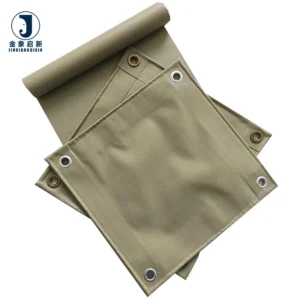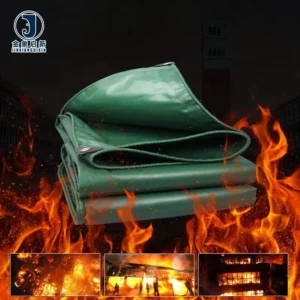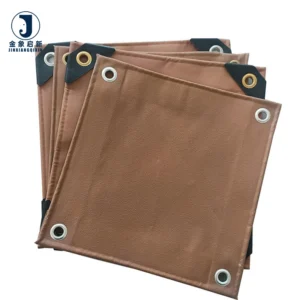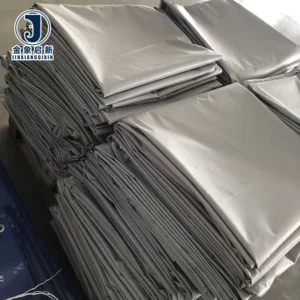
Verified Coating Integrity — every roll of this knife coated PVC fabric ships with a documented GSM and base fabric denier, matching the quoted specification for your incoming inspection.
Technical Specifications
| Parameter | Value |
|---|---|
| Product Type | PVC Coated Tarpaulin Roll |
| Weight (GSM) | at least 450 grams (source value — verify against manufacturer catalog) |
| Coating Material | PVC |
| Coating Method | Knife Coated |
| Base Fabric Type | Woven Fabric |
| Base Fabric Denier | 1000×1000 (source value — verify against manufacturer catalog) |
| Waterproof | Yes |
| Finish Options | banner coated / black back coated (source value — verify against manufacturer catalog) |
| UV Treatment | Anti-UV coated (test basis not stated in source) |
| Flame Retardant | grade not stated in source |
| Custom Size | Available |
| Key Features | Waterproof, Tear-Resistant |
Application Suitability
| Application | Exposure & Requirement |
|---|---|
| Truck cover fabric | Constant flexing at weld points, road debris abrasion, sustained UV exposure, weather resistance required |
| Outdoor tent fabrication | Repeated assembly and teardown stress, prolonged sun exposure, rain and wind loading |
| Car cover | Abrasion from fitting and removal, UV degradation, dust and moisture protection |
| Industrial equipment coverings | Oil and chemical splash exposure, mechanical contact, long-term outdoor storage conditions |
| Oilproof protective coverings | Petroleum-based fluid contact, workshop floor abrasion, repeated handling |
Why Base Fabric Denier Matters More Than Quoted GSM for PVC Coated Tarpaulin
The denier and weave density of the base fabric define how the material behaves under load, independent of what the coating adds to total weight.
Technical buyers routinely compare quotations based on grams per square metre alone, assuming a heavier PVC coated tarpaulin fabric is automatically stronger. In practice, the tensile and tear performance depends on the woven base fabric carrying the structural load while the coating provides environmental protection. A fabric with a high GSM but low denier yarn can feel heavy yet tear easily at stress concentrations like eyelets and hem corners. [NEED_CITE: tensile and tear test methods for coated fabrics per ISO 1421]
Knife Coating Adhesion on Woven Base Fabric
The knife coated process applies liquid PVC directly onto the 1000×1000 woven base fabric, forcing the coating compound into the interstices of the weave. This mechanical interlock creates adhesion that resists delamination when the fabric flexes repeatedly. For PVC coated tarpaulin GSM coating technology, the bond between coating and substrate determines whether the material survives years of truck side curtain operation or tent assembly cycles.
Coating Weight Versus Total Fabric Weight
Total GSM includes both the base fabric and the applied PVC layers. Two rolls with identical total weight can perform differently if one uses a heavier base fabric with thinner coating and the other uses a lighter base with thicker coating. The knife coating method allows precise control over how much PVC is deposited on each side, giving fabricators predictable behavior during heat welding and seaming operations. [NEED_CITE: PVC coating adhesion and peel strength testing methods for industrial fabrics]
How Denier, Weave Density, and Coating Method Interact in Practice
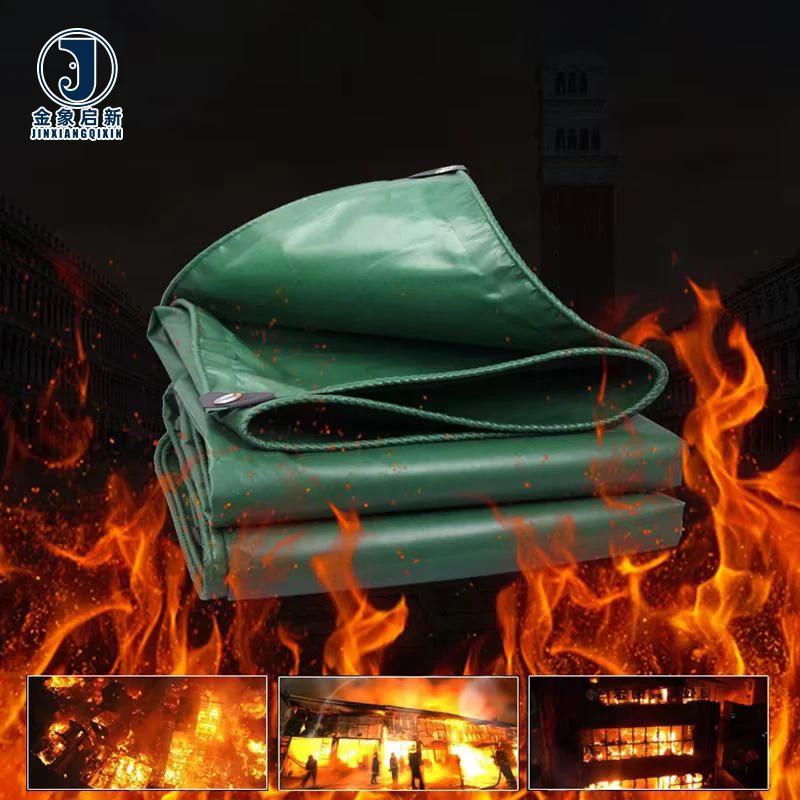
The 1000×1000 denier in the base fabric means each yarn in both the warp and weft direction carries substantial individual load capacity. When woven tightly, this creates a grid that resists tear propagation — a tear must break successive yarns rather than spreading along a single path. The knife coated PVC fills the gaps between yarns, adding dimensional stability and preventing water ingress while maintaining the base fabric’s inherent tear resistance. Available in flame retardant grades — confirm the grade required for your market before specifying for construction or mining ventilation applications. The anti-UV treatment extends the service life under direct sun exposure, though the specific test basis should be verified against your local climate conditions.
Finish Selection for Different Light and Visual Requirements
The banner coated finish provides a smooth, printable surface suited to applications where branding or signage must adhere to the fabric face. The black back coated option blocks light transmission through the material, which matters for tent fabrication and temporary structure enclosures where interior light control is needed. Both finish options are applied during the knife coating process and affect how the PVC coated tarpaulin fabric behaves during fabrication.
The Hidden Cost of Undocumented Coating Weight
Rolls that arrive lighter than the quoted GSM create downstream problems that compound through the supply chain. Fabricators who cut and weld truck covers discover insufficient material at seam allowances. Tent manufacturers find that panels do not match weight specifications required by their end clients. Distributors holding inventory face claims when their customers measure incoming material and find discrepancies. [NEED_CITE: PVC coated fabric incoming inspection and weight verification procedures]
Why Procurement Verification Matters Here
The 10-person R&D team develops samples within days for custom width, colour, and print requirements, allowing you to verify coating weight and base fabric before committing to production volume. Dedicated QA/QC runs at every production stage, not just final inspection, so coating adhesion and GSM are controlled throughout the run rather than spot-checked at the end. Each roll ships with a material specification sheet stating exact GSM, base fabric denier, and coating weight for your incoming quality check. Three full production lines support bulk capacity with consistent roll-to-roll output across container-load orders. ISO and CE certified documentation accompanies dispatch for compliance in regulated markets.
Documentation & Verification
- Material specification sheet per roll stating GSM, 1000×1000 denier, and knife coating weight
- Test reports for anti-UV and flame retardant grades where applicable to your specification
- Pre-shipment inspection record with roll-by-roll weight verification before dispatch
- ISO and CE certificates included for market compliance documentation
- Roll packing list with batch traceability for incoming warehouse inspection
Fabrication, Handling & Storage
- Heat welding parameters must account for the knife coated PVC thickness to achieve full seam penetration
- Store rolls horizontally on racking to prevent compression marks on the banner coated surface
- Cut panels from the same production batch to maintain colour consistency across welded assemblies
- Use compatible PVC welding tape matched to the knife coated formulation for field repair
- Allow rolls to acclimatise before unrolling in cold conditions to prevent coating crack at the core
What to Specify When Requesting a Quotation
Provide the exposure conditions your end product will face — whether the fabric must withstand continuous UV, flex cycling, or chemical contact. State the target flame retardant grade or anti-UV test standard required by your market so we can confirm availability and supply the corresponding test report. Indicate the roll width, colour reference, and annual volume to receive accurate lead time and batch consistency confirmation.
Frequently Asked Questions
Q: How is GSM verified and what documentation supports incoming inspection?
A: Each roll ships with a material specification sheet stating the exact GSM, base fabric denier, and coating weight. A pre-shipment inspection record documents roll-by-roll verification before dispatch, giving you a baseline to check against when material arrives at your facility.
Q: What flame retardant grades and test standards are available for this PVC coated fabric?
A: Flame retardant treatment is available in various grades depending on market requirements. Specify the standard applicable to your region — such as DIN 4102, NFPA 701, or local building code classifications — and we will confirm the matching grade and supply the corresponding test report.
Q: How does knife coating compare to laminated and calendered methods for adhesion strength?
A: Knife coating forces liquid PVC into the woven base fabric interstices, creating a mechanical bond that resists delamination under flex stress. This differs from laminated methods where pre-formed films are bonded to the surface, and from calendered methods where heat and pressure fuse the layers together.
Q: What is the relationship between base fabric denier, mesh count, and final tensile and tear strength?
A: The 1000×1000 denier base fabric provides individual yarn strength in both warp and weft directions. Tensile strength depends on yarn denier combined with weave density, while tear resistance is determined by how many successive yarns a propagating tear must break through the woven grid structure.
Q: How are anti-UV treatment levels tested and reported for outdoor exposure specification?
A: Anti-UV treatment is applied during the coating process to protect the PVC compound from photodegradation. The specific test method and exposure duration should be confirmed against your local climate conditions and the expected service life of the fabricated end product.