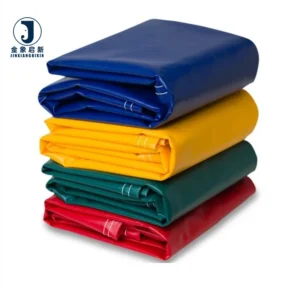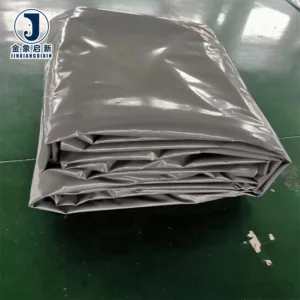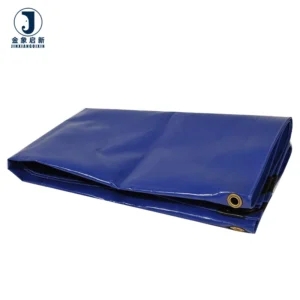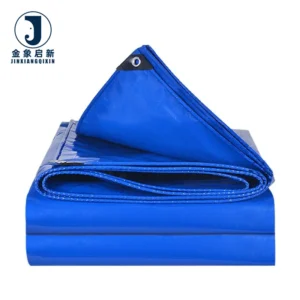
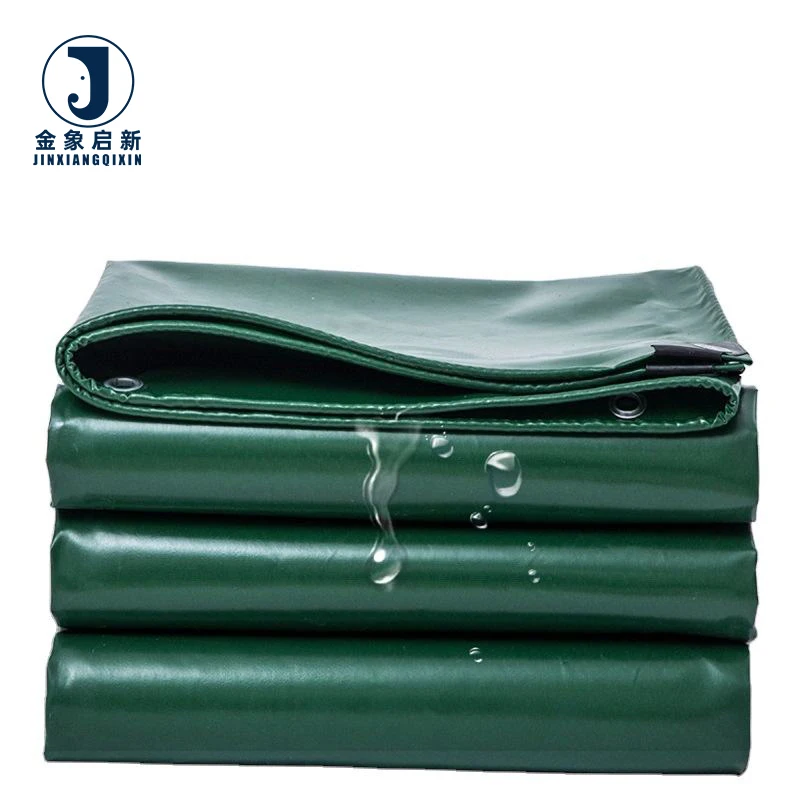
Coating Process Control — Nearly 30 years focused on PVC coated fabric yields consistent adhesion and uniform weight distribution across every roll of tarpaulin material produced for flatbed transport applications.
Technical Specifications
| Parameter | Value |
|---|---|
| Product Type | PVC Coated Tarpaulin |
| Coating Material | PVC |
| Construction | Double-Faced |
| Water Resistance | Yes |
| Anti-UV Treatment | Yes (test basis not stated) |
| Flame Retardant | Yes (grade not stated) |
| Color Options | Multiple Colors Available |
| Product Form | Roll / Sheet |
| Standards | ISO, CE |
Application Suitability
| Application | Exposure & Requirement |
|---|---|
| Flatbed trailer cargo covering | Highway wind load, rain exposure, UV degradation during long-haul transit |
| Lumber transport protection | Abrasive wood surfaces, moisture ingress, repeated tie-down tension at edges |
| Heavy-duty truck transportation | Constant vibration, flexing at load points, temperature fluctuation across climates |
| Outdoor load exposure during transit | Prolonged sunlight, road spray, mechanical stress from cargo shift |
Why Coating Weight Without a Test Report Leaves Buyers Exposed
A stated GSM on a quotation means nothing if the roll arriving at your dock has not been verified against that figure.
PVC coated tarpaulin buyers routinely face a gap between the specification sheet and the physical material delivered. Coating weight can drift when process parameters shift between batches, and the shortfall only becomes apparent once the fabric enters fabrication or, worse, fails in service. When you are specifying PVC Coated Tarpaulin base fabric coating material properties for flatbed truck applications, the absence of a verifiable test report means you are accepting risk on every roll. [NEED_CITE: ISO 1421 tensile and tear test methods for coated fabrics]
A technical buyer evaluating PVC Coated Tarpaulin base fabric coating material properties needs documentation that traces coating weight, adhesion strength and treatment chemistry back to a specific production batch, not a generic data sheet covering an entire product family.
Double-Faced Coating Architecture and What It Delivers
The double-faced PVC construction means both surfaces carry an identical coating layer bonded to the base fabric. This symmetry prevents curling during fabrication and ensures consistent weld behaviour regardless of which face contacts the heat bar. For flatbed tarpaulin fabrication, where panels are frequently joined by high-frequency or hot-air welding, uniform coating on both sides eliminates the guesswork of face orientation on the production floor.
Treatment Chemistry: Anti-UV and Flame Retardant Integration
UV inhibitors and flame retardant additives are compounded into the PVC coating matrix rather than applied as a surface finish. This means the protection persists as the coating surface wears under highway abrasion and weather exposure. However, anti-UV performance is available with varying test bases — confirm the test methodology required for your target climate before specifying. Similarly, flame retardant grades are available in multiple classifications — verify the grade mandated by your market’s transport safety regulations before placing the order. [NEED_CITE: flame retardant classification standards for transport tarpaulin materials]
Reading the Specification Sheet Beyond GSM
Coating weight alone does not determine how a PVC coated tarpaulin performs under load. The base fabric denier and weave density govern tensile and tear strength, while the coating weight governs abrasion resistance, waterproofing and weld integrity. A heavier coating on a low-denier base fabric may resist surface wear but tear easily under tie-down tension. Conversely, a tight high-denier weave with insufficient coating weight may show strong tensile figures but fail at the weld line where the coating must fuse. For flatbed truck applications, where cargo shift and wind load generate cyclical stress at seams, both parameters must be specified together and verified independently.
The Hidden Cost of Specifying on Price Alone
When procurement decisions reduce PVC coated tarpaulin selection to the lowest per-kilogram cost, the shortfall typically surfaces as inconsistent coating thickness across rolls, colour drift between batches or welded seams that fail before the fabric body does. A batch of rolls arriving with a GSM below the quoted figure forces fabricators to either accept thinner material or reject the shipment — both outcomes delay production. Colour variation between rolls in a single order becomes visible once panels are installed side by side on a trailer, triggering a full replacement. These are not rare defects; they are predictable outcomes when coating process control is not verified before dispatch. [NEED_CITE: pre-shipment inspection protocols for coated fabric rolls]
Why Technical Buyers Source This Material Here
Deep process control over coating weight and adhesion comes from three decades of running PVC coating lines dedicated to industrial tarpaulin fabric. A 10-person R&D team handles material selection, custom formulation and sample development, allowing technical buyers to request formulation adjustments before committing to bulk production. Three full production lines with 36 sets of professional equipment support volume output without sacrificing the batch-to-batch consistency that fabricators depend on. Every roll undergoes dedicated QA/QC at each production stage with 100% inspection before shipment, catching coating weight drift and colour deviation before the material leaves the factory. Samples for custom width, colour or treatment requirements are developed within days, shortening the evaluation cycle for buyers comparing multiple suppliers.
Documentation & Verification
- Material specification sheet stating base fabric denier, coating weight and GSM for each roll
- Test report for anti-UV and flame retardant grades matched to your target market standards
- Pre-shipment inspection record confirming coating consistency across the entire order
- ISO and CE certificates covering the coating process and quality management system
- Certificate of origin and customs documentation for international shipment clearance
Fabrication, Handling & Storage
- Hot-air welding temperature must be matched to the PVC coating formulation to avoid delamination at flex points
- Store rolls upright on pallets to prevent flat-spot deformation that affects unrolling and cutting accuracy
- Allow cold-stored rolls to reach ambient temperature before unrolling to prevent coating crack at low flex
- Use compatible PVC-based adhesive for field repairs to maintain coating continuity at patch edges
- Plan panel layout to minimise transverse welds across the roll width where cargo load concentrates stress
What to Include in Your Technical Enquiry
Provide the specific flatbed trailer dimensions and cargo type so we can recommend the appropriate base fabric weight and coating formulation. State the flame retardant grade or anti-UV test standard required by your destination market. Indicate whether you need rolls at a specific width for your fabrication line or pre-cut sheets with hemming and eyelet reinforcement. If colour consistency across multiple rolls is critical for side-by-side installation, flag this so batch matching is built into the production plan.
Frequently Asked Questions
Q: How is the coating weight verified before the rolls are dispatched?
A: Every roll is weighed and measured against the stated GSM on the material specification sheet during the pre-shipment inspection. The inspection record accompanies the shipment so you can cross-check the figures on arrival. If a roll falls outside tolerance, it is held before packing.
Q: What flame retardant documentation comes with the shipment?
A: Where a flame retardant grade is specified in your order, a test report confirming the classification is included with the dispatch documentation. Confirm the grade required for your market’s transport regulations at enquiry stage so the correct formulation is selected.
Q: Can the roll width be customised for our fabrication yield?
A: Yes. Custom widths are produced to match your cutting layout, reducing offcut waste. State your required width and the number of rolls at enquiry so the production team can confirm minimum quantities and lead time for the specification.
Q: How does the double-faced coating affect welding parameters?
A: Both faces carry identical PVC coating, so weld temperature and dwell time are consistent regardless of face orientation. This simplifies setup on high-frequency and hot-air welding lines and reduces rejected seams caused by incorrect face placement.
Q: What anti-UV test basis is available for this tarpaulin material?
A: Anti-UV treatment is integrated into the PVC coating compound. The specific test methodology varies — request the test report at enquiry stage and compare it against the outdoor exposure standard your end customer or market requires before confirming the specification.