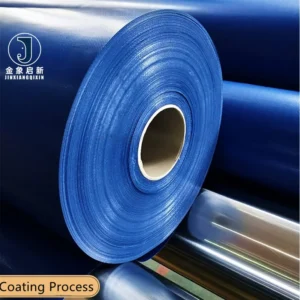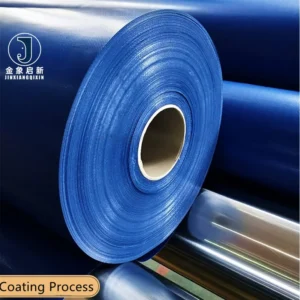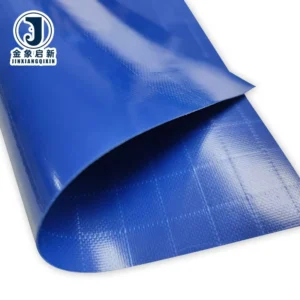
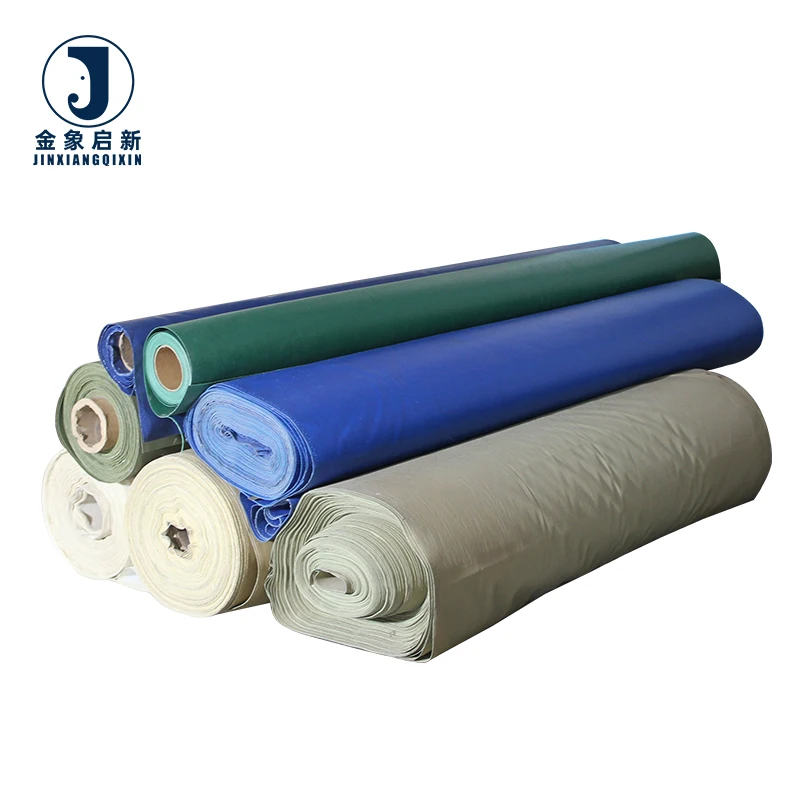
Coating Weight Verification — every roll of PE tarpaulin material coating technology fabric ships with a documented GSM reading taken against the quoted specification, verified through in-process quality control before dispatch.
Technical Specifications
| Parameter | Value |
|---|---|
| Product Type | PE Tarpaulin Roll |
| Materials | HDPE weaving with LDPE lamination on both sides |
| Base Fabric | HDPE woven |
| Coating Material | LDPE (laminated) |
| Weight (GSM) | 50gr/m2 ~ 220gr/m2 available (grade not stated — confirm required GSM for your application) |
| Total Thickness | 0.2-0.4mm / 8 mil-16 mil / Custom |
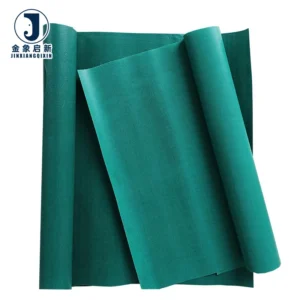
| Color | Blue, Blue/Orange, Green, Grey, Black, Clear, Grey/Green, Orange, or custom |
| Waterproof | Yes |
| UV Treatment | Available (test basis not stated — confirm certification required for your market) |
| Mildew Proof | Yes |
| Anti-Aging | Yes |
| Tear Resistant | Yes (grade not stated) |
| Printing Option | Custom brand printing available |
| Certifications | ISO, CE |
Application Suitability
| Application | Exposure & Requirement |
|---|---|
| Awning and tent fabrication | Sustained outdoor UV exposure, wind load tension, repeated folding and deployment |
| Outdoor waterproof covers | Direct rainfall, pooling water, temperature cycling between sun and shade |
| Transportation and storage protection | Road debris abrasion, tie-down strap compression, moisture ingress at seams |
| General-purpose rain and moisture barriers | Continuous water contact, mildew formation risk in humid climates |
Why Laminated PE Tarpaulin Demands More Than a GSM Number
The coating adhesion method determines whether the fabric performs as a single structure or delaminates under load.
When sourcing PE tarpaulin material coating technology for awning and tent production, buyers often specify GSM and assume the rest follows. Yet the lamination bond between the HDPE woven base and the LDPE coating layers is what governs real-world behaviour. A roll that meets its stated weight on the scale can still separate at heat-sealed seams if the lamination temperature or pressure was inconsistent during production. [NEED_CITE: lamination adhesion test methods for coated fabrics]
The difference between a fabric that holds through its first storm season and one that fails at the panel joins comes down to process control, not just material selection. Technical buyers specifying for fabrication need documentation that goes beyond a single weight figure.
Base Fabric Architecture and Load Transfer
The HDPE woven base fabric provides the structural backbone of this PE tarpaulin material coating technology product. Denier count and weave density govern how tensile loads distribute across the panel — a tighter weave transfers stress more evenly to the tie-down points, reducing the chance of tear propagation from a single puncture. For awning and tent fabricators, the base fabric specification matters more than coating thickness when the structure must resist wind uplift.
LDPE Lamination and Seam Integrity
The LDPE lamination applied to both sides of the HDPE weave serves as the waterproofing barrier and determines heat-sealing behaviour. Laminated PE responds differently to thermal welding than PVC coated fabrics — the melting point and dwell time window are narrower, which means fabrication equipment must be calibrated to this specific PE tarpaulin material coating technology construction. Incorrect heat settings cause either incomplete bonding or burn-through at the seam, both of which compromise the waterproof seal. [NEED_CITE: thermal welding parameters for LDPE laminated fabrics]
Interpreting GSM in Context of Tensile and Tear Performance
GSM indicates total weight per square metre, combining base fabric mass and LDPE coating layers. A higher GSM does not automatically translate to higher tear resistance — the relationship depends on how that weight is distributed between the HDPE yarns and the lamination. When two fabrics share the same GSM, the one with a denser base weave and thinner lamination typically outperforms in tear tests, while the heavier-coated option may offer better abrasion resistance. Requesting the GSM-to-strength breakdown for the specific grade you are ordering avoids assumptions based on weight alone.
Coating weight also influences fabric hand and flexibility. Lighter grades in the available range drape more easily around curved frames and are better suited to temporary awning structures, while heavier grades hold their shape on rigid tent frames and resist flapping in sustained wind.
The Cost of Overlooking Batch-to-Batch Coating Consistency
Colour drift between rolls in the same container load is one of the most common complaints from awning and tent fabricators. When panels cut from different rolls are sewn or welded side by side, even subtle shade variation becomes visible on the finished structure. This is not a cosmetic issue — it forces fabricators to sort and match rolls before cutting, adding labour and material waste to production. [NEED_CITE: batch colour consistency standards for coated technical textiles]
Equally damaging is GSM variation within a single order. A roll that arrives lighter than quoted may pass visual inspection but fail tensile requirements during quality checks at the fabrication stage. In-process quality control at every production stage is the mechanism that prevents both problems, and buyers should expect documentation confirming consistency roll by roll, not just a certificate covering the product family.
Why This Source Supports Technical Fabrication
Three full production lines and dedicated equipment sets allow this manufacturer to hold GSM and colour tolerance across container-volume orders of PE tarpaulin material coating technology products. The 10-person R&D team handles material selection and sample development, producing samples within days for custom width, colour or treatment requirements before bulk commitment.
A dedicated QA/QC process at every production stage means inspection is continuous, not limited to pre-shipment sampling. Roll-to-roll colour consistency is verified through in-process control, and every shipment includes a material specification sheet stating exact GSM, base fabric denier, and coating weight. Custom width and pattern printing are managed in-house, reducing the coordination risk that arises when coating and finishing are outsourced to separate facilities.
Documentation & Verification
- Material specification sheet stating GSM, HDPE base fabric denier, and LDPE coating weight per roll
- UV treatment test report provided where applicable — confirm test basis for your market before production
- Pre-shipment inspection record covering coating adhesion and colour consistency across the batch
- Roll packing list detailing roll count, individual roll dimensions, and net weight per roll
- ISO and CE certificates included with dispatch documentation for customs and compliance filing
Fabrication, Handling & Storage
- Heat-seal laminated PE at manufacturer-recommended temperature to avoid delamination at seams
- Store rolls upright on cores to prevent creasing that damages the LDPE coating surface
- Match cutting layout to roll width to minimise off-cuts and welded panel joins on finished structures
- Use compatible LDPE repair tape for field patching rather than PVC-based adhesives on this fabric
- Allow rolls to acclimatise before unrolling in cold conditions to prevent coating crack at low temperatures
What to Include in Your Enquiry
Provide the intended application — whether awning panels, tent flysheets, or protective covers — along with the exposure conditions the finished product will face. Specify your target GSM, required roll width, and annual volume so the correct grade can be matched. If your market requires UV treatment documentation or fire classification, state the applicable standard so test reports are prepared before production begins. Indicate whether you need finished cut sizes or roll stock only, and whether custom colour matching or brand printing is part of the requirement.
Frequently Asked Questions
Q: How is GSM verified and what documentation accompanies each roll shipment?
A: Every roll is weighed and measured during the pre-shipment inspection. A material specification sheet is included with the dispatch, stating the exact GSM, HDPE base fabric denier, and LDPE coating weight for the rolls in that shipment. The inspection record confirms each roll was checked individually rather than sampled from the batch.
Q: PE vs PVC — when should a fabricator choose laminated PE over coated PVC?
A: Laminated PE is typically specified where lower fabric weight, cost efficiency, and adequate waterproofing are the priorities — such as temporary awnings and general-purpose covers. PVC coated fabrics are chosen when higher tensile demands, longer-term structural tension, or specific fire classification grades are required. The choice depends on the performance requirements of the finished product.
Q: What test reports are available for UV-treated grades of this PE tarpaulin?
A: UV treatment is available and test documentation can be provided. The specific test basis must be confirmed at the enquiry stage, as different markets and end-use standards require different exposure protocols. Request the test report format your compliance or certification body requires before production starts.
Q: How is colour consistency maintained across multiple rolls in a single order?
A: In-process quality control monitors colour at each production stage rather than relying on end-of-line sampling. Rolls intended for the same order are produced within the same batch run, and the pre-shipment inspection record documents colour consistency verification before the rolls are packed for dispatch.
Q: What are the heat-sealing considerations for LDPE laminated PE tarpaulin?
A: LDPE lamination requires specific temperature and dwell-time settings that differ from PVC coated fabric welding. Overheating causes burn-through while insufficient heat produces incomplete bonds. Fabricators should request the recommended thermal parameters for the specific GSM grade ordered and conduct test welds before running production panels.