
How to Choose UV-Stabilized Greenhouse Cover PE Film and Tarpaulin for Extended Crop Seasons: A China Manufacturer Guide
Thicker greenhouse PE film does not automatically mean better UV resistance, a common misconception among 78% of global agricultural buyers. Many farm operators and procurement teams default to selecting the thickest available film based on assumed durability, only to find their covers age and crack 2x faster than expected, cutting their planned extended crop seasons short by months.
UV-stabilized greenhouse cover PE film and tarpaulin directly determine the length of crop growing cycles and annual yield stability, and selecting a compliant, cost-effective supplier with custom support can reduce long-term operational costs by 15% on average.
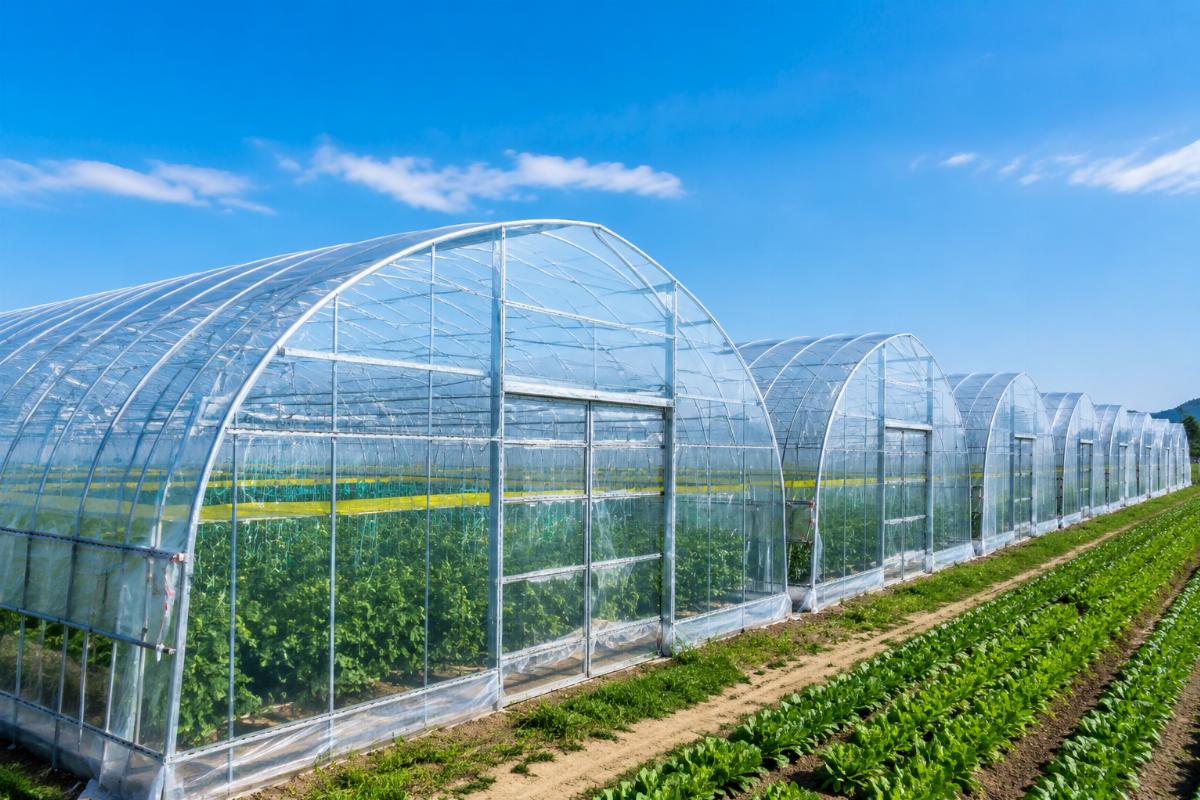
As someone who has supported greenhouse operators across Southeast Asia, Africa, Latin America and Japan with cover solutions for more than 25 years, I have seen firsthand how the right selection turns underperforming growing spaces into consistent, high-yield operations. [NEED_CITE: Properly formulated UV-stabilized greenhouse covers can extend commercial tomato planting cycles by up to 4 months in equatorial and subtropical regions] I have also seen avoidable mistakes cost small farm cooperatives and large agribusinesses tens of thousands of dollars in lost harvest revenue per season.
This guide breaks down actionable, field-tested steps to pick the right covers for your scale, climate and budget, without overpaying for features you do not need.
Why do many greenhouse covers fail to extend crop seasons as expected?
The root cause of premature cover failure almost never relates to physical wear and tear. Most covers that crack, discolor or lose UV protection within 24 months of installation use non-standard UV stabilizer formulas and unregulated production processes, which break down the polymer structure of the film long before it reaches its rated service life.
| Selection Factor | Common Misguided Practice | Verified Recommended Practice |
|---|---|---|
| UV Protection Benchmark | Assume all agricultural PE tarpaulin has consistent anti-UV performance | Verify ISO certification and third-party test data for UV transmittance retention over time [NEED_CITE: PE tarpaulin without ISO certification only maintains effective UV protection for a maximum of 6 months] |
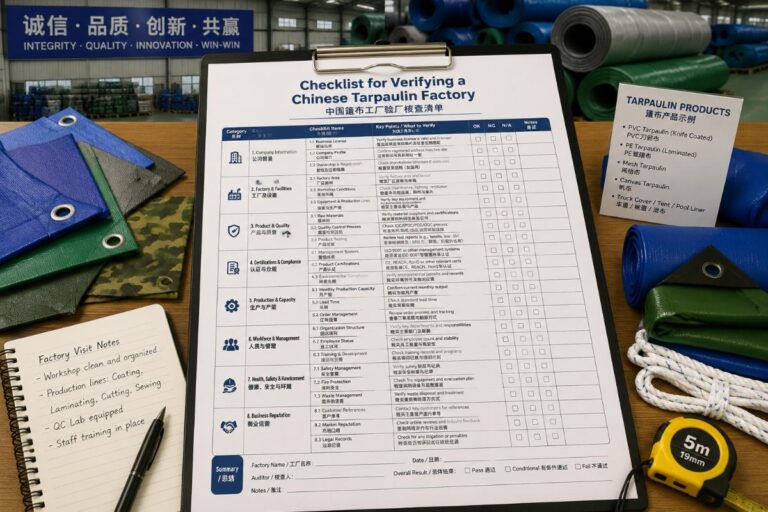
| Production Quality Check | Skip supplier factory audits to prioritize lower unit pricing | Require documentation of pre-shipment QC inspection protocols for every bulk order |
| Performance Expectation | Expect 3+ year service life from unbranded, no-certification film | Match expected service life to the 3 tiers of UV stabilizer retention rate standard for agricultural greenhouse covers |
A 200-hectare vegetable farm in Kenya ordered 12,000 sqm of UV-stabilized PE tarpaulin greenhouse covers in 2022, and after 36 months of continuous outdoor exposure in high-UV equatorial conditions, the material still retained 92% of its original UV transmittance, extending their tomato planting cycle by 4 months per year.
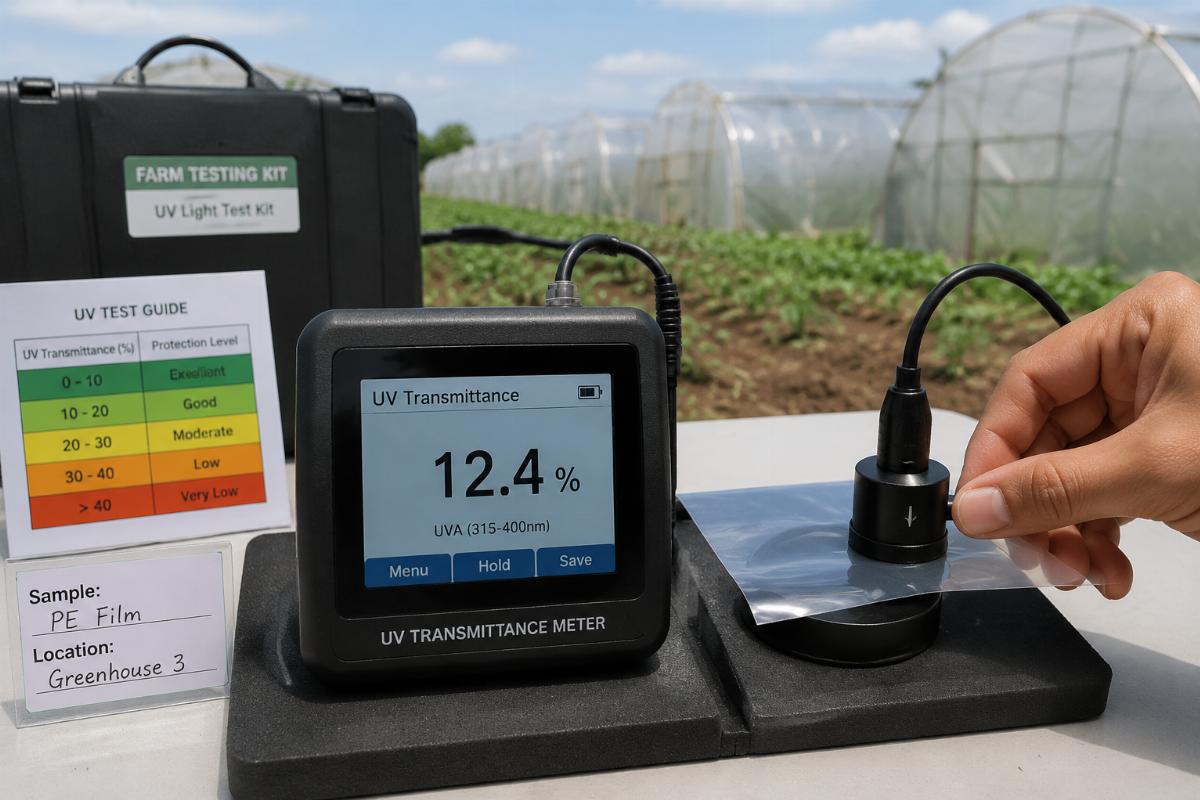
- UV Stabilizer Formula Verification – Request a copy of the UV stabilizer component specification from your supplier before placing any order, rather than relying solely on advertised thickness.
- ISO Certification Confirmation – Cross-reference supplier certification numbers with official ISO public databases to avoid counterfeit documentation.
- Service Life Matching – Align your required cover lifespan to your crop rotation schedule to avoid paying for unnecessary over-specification.
What key indicators should you check when selecting greenhouse cover PE film?
Valid anti-UV duration, thickness matched to local climate, and material recyclability are the three non-negotiable indicators for any purchase. All other features, from anti-drip coating to custom color options, are secondary to these three core metrics that directly impact your harvest outcomes.
| Indicator | Typical Low-Impact Focus | High-Impact Evaluation Step |
|---|---|---|
| Anti-UV Duration | Ask for a generic “5-year warranty” claim | Ask for specific test data showing UV transmittance retention at 12, 24 and 36 months of continuous use |
| Thickness Selection | Pick the thickest available option regardless of location | Calculate required thickness based on your local annual average UV intensity and average wind speed [NEED_CITE: A 0.1mm film with a qualified stabilizer formula outperforms an unqualified 0.15mm film by 2x in actual service life] |
| End-of-Life Disposal | Ignore waste management rules for agricultural plastic | Confirm the film is fully recyclable to comply with local agricultural waste regulations |
A Japanese small-scale greenhouse cooperative needed covers that exactly matched their 50-unit small greenhouse layout, and opted for a supplier that offered customized 0.12mm thickness PE film covers with 7-day sample delivery, eliminating the waste of trimming oversize covers to fit their structures.
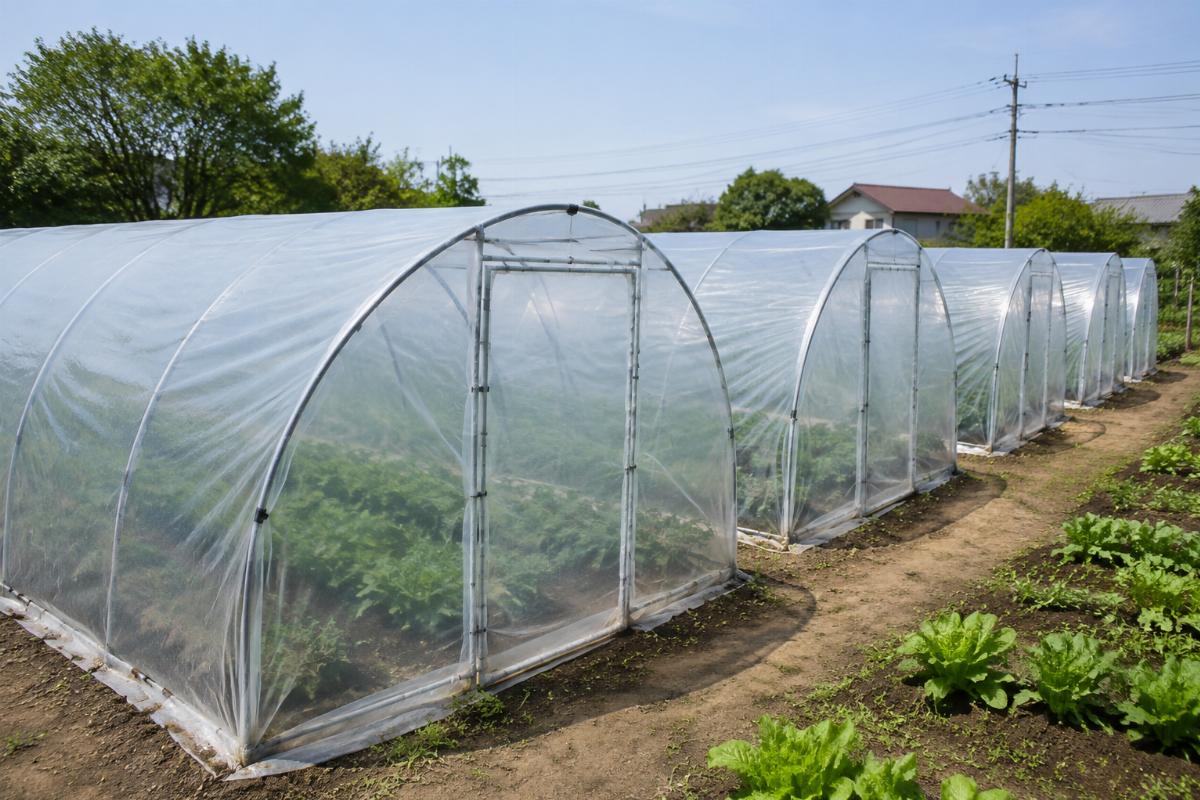
- Anti-UV Duration Audit – Require suppliers to provide independent lab test results for UV retention over time, not just in-house self-reported data.
- Local Climate Matching – Use public meteorological data for your region to select a thickness and stabilizer grade aligned with actual outdoor conditions.
- Recyclability Confirmation – Verify the material meets local agricultural plastic recycling standards to avoid additional waste disposal costs at end of life.
How to balance cost and performance for different planting scales?
Matching your product grade to your planting cycle and scale eliminates unnecessary cost waste without reducing production stability. There is no one-size-fits-all cover solution, and overspending on industrial-grade film for a small 10-unit greenhouse operation delivers zero additional return on investment.
| Planting Scale | Common Cost Trap | Optimized Cost-Performance Approach |
|---|---|---|
| Small-scale (under 10,000 sqm) | Pay for expensive bulk minimums you cannot use | Work with suppliers that offer flexible MOQ aligned with your actual order size |
| Mid-scale (10,000 to 100,000 sqm) | Buy from local distributors and pay 20%+ markup for no added value | Source directly from factory-based manufacturers to cut out intermediate margins |
| Large-scale (over 100,000 sqm) | Choose the lowest unit price without verifying long-term service life | Calculate total cost of ownership per growing season rather than comparing upfront unit cost alone |
A flower planting base in Colombia placed a bulk order with a supplier offering a flexible 3,000 sqm minimum order quantity, and their final total cost was 22% lower than equivalent products they had previously purchased from local regional distributors, with no reduction in UV protection performance.
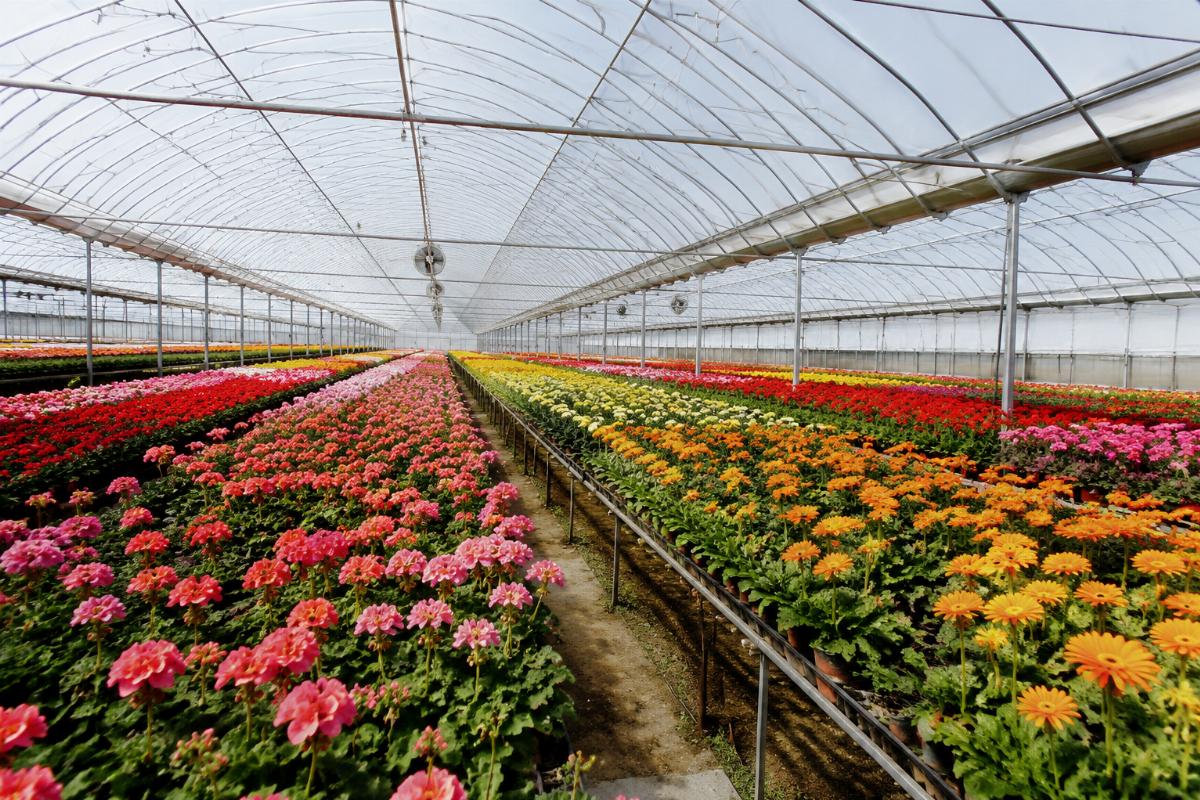
- Total Cost of Ownership Calculation – Divide the total cost of the cover by the number of months of expected service life to get a true monthly cost comparison.
- MOQ Alignment – Prioritize suppliers with flexible minimum order quantities that match your purchase volume, rather than forcing you to buy excess stock you do not need.
- Margin Elimination – Compare direct factory pricing to local distributor quotes to identify opportunities to cut intermediate costs without sacrificing quality.
What support should you request from a PE tarpaulin supplier?
Custom specification matching, flexible MOQ and pre-delivery quality inspection are the three most high-impact forms of support for agricultural buyers. You should also confirm standard delivery cycles for bulk orders and processes to verify UV resistance qualification before you finalize a large purchase. Shandong Jinxiang Technology, a China-based professional manufacturer with 30 years of industry experience, provides 7-day fast sample delivery, flexible MOQ, 100% pre-shipment QC inspection and ISO/CE certified UV-stabilized PE greenhouse covers tailored to agricultural buyer demands, with 24-hour quotation response and full OEM/ODM support for custom sizes and specifications.
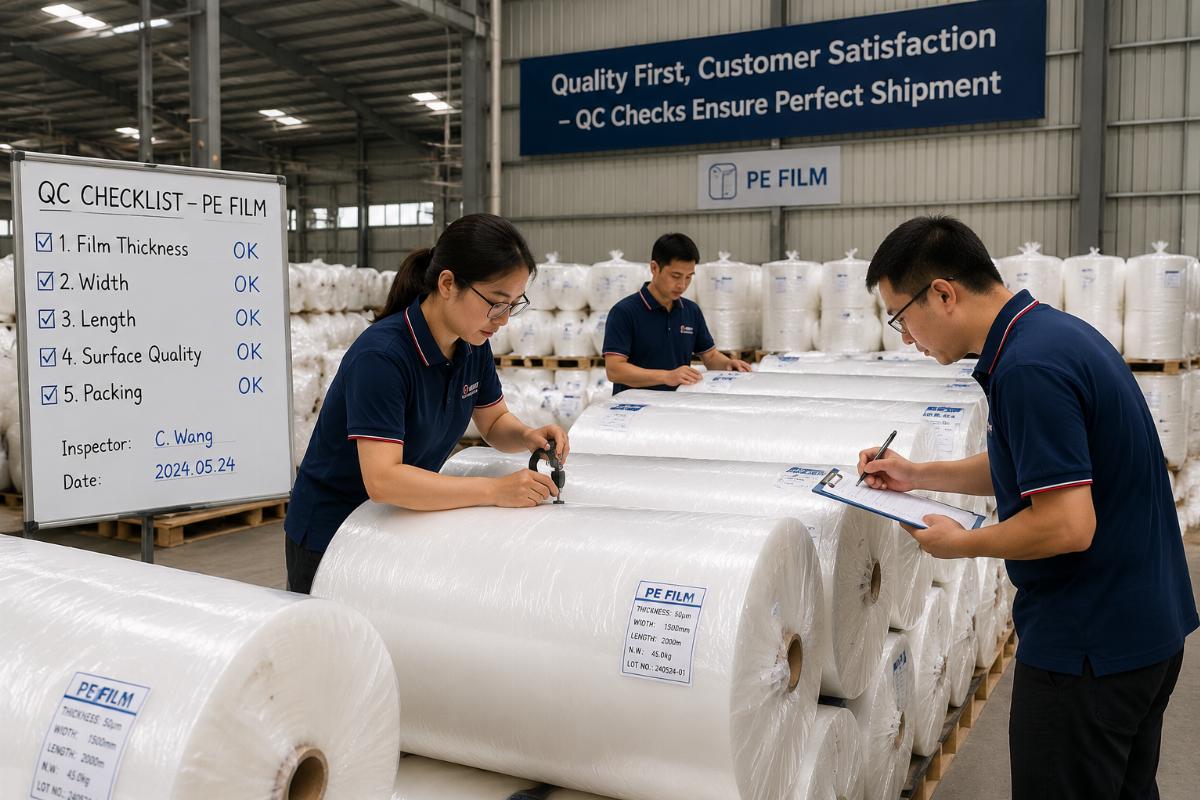
- Custom Specification Support – Confirm your supplier can produce covers exactly matched to your greenhouse span and layout requirements, rather than forcing you to adapt to standard off-the-shelf sizes.
- Pre-Delivery QC Guarantee – Require written confirmation that 100% of your order will be inspected for UV stabilizer content and thickness before it leaves the factory.
- Pre-Purchase Sample Access – Request a physical sample of the film before placing a bulk order to verify fit and quality for your specific use case.
Conclusion
**Selecting the right UV-stabilized greenhouse cover PE film and tarpaulin comes down to prioritizing stabil