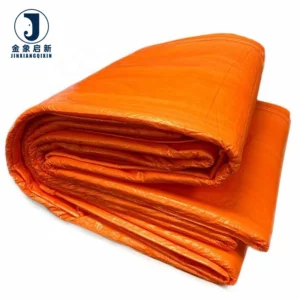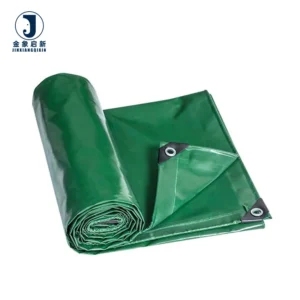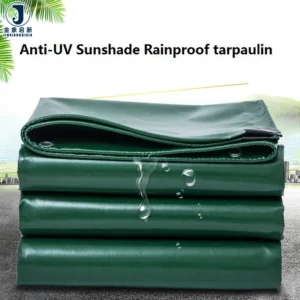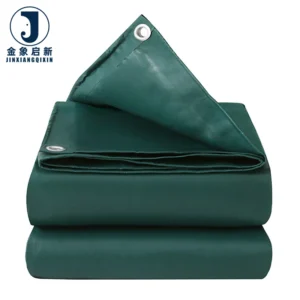
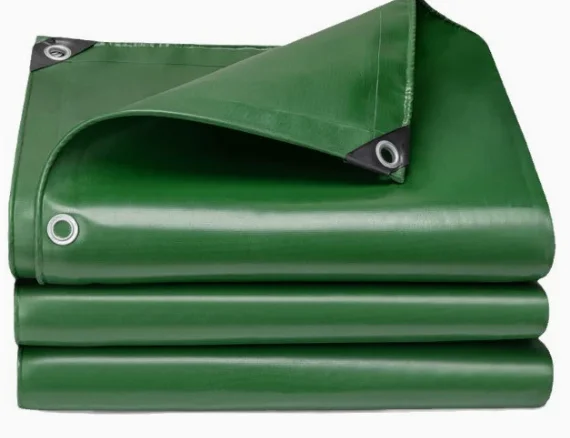
Process Control — Nearly 30 years of coated fabric production with dedicated QA/QC at every stage ensures the woven base and PVC vinyl coating meet the stated GSM on arrival.
Technical Specifications
| Parameter | Value |
|---|---|
| Product Type | PVC Coated Fabric |
| Material | PVC Vinyl |
| Fabric Construction | Woven Fabric |
| Weight | At least 450 GSM |
| Water Resistance | Waterproof |
| Flame Retardant | Available in flame retardant grades — confirm the grade required for your market |
| UV Treatment | Available with anti-UV treatment — verify test basis for your exposure conditions |
| Company Certification | ISO, CE |
Application Suitability
| Application | Exposure & Requirement |
|---|---|
| Vehicle and truck covers | Rain, road debris, constant folding and flexing at tie-down points |
| Equipment covers on construction sites | UV exposure, dust, mechanical abrasion from handling and wind |
| Industrial structure wraps | Prolonged weather contact, thermal cycling, wind load stress |
| Outdoor storage enclosures | Water ingress prevention, mildew resistance, repeated access and re-draping |
Why the Quoted GSM of PVC Coated Fabric May Not Match What Arrives
The GSM figure only tells half the story — base fabric denier and coating weight together determine whether the material performs as specified.
Technical buyers often receive PVC coated fabric rolls that measure lighter than the quoted weight. This discrepancy typically originates from coating weight variance during production rather than the base fabric itself. A 450 GSM specification can be achieved with a heavier base and lighter coat, or a lighter base and thicker coat, each producing different tensile and tear behaviour [NEED_CITE: GSM verification methods for coated technical textiles]. Without a material specification sheet breaking down base fabric and coating contributions, the quoted number remains unverified until the roll is cut and weighed on site.
Base Fabric Weave and Its Role in Load-Bearing Performance
The woven fabric construction underlying the PVC vinyl layer governs how the PVC coated fabric handles tensile and tear loads. Denier count and thread density in both warp and weft directions create a grid that resists tear propagation. A tighter weave distributes stress across more yarns, reducing the likelihood that a puncture will extend into a full tear. This structural foundation is what differentiates a high-strength sheeting from a simple waterproof film.
Coating Adhesion and Seam Integrity Under Field Conditions
Where PVC coated fabric is heat-welded or sewn, the bond between the vinyl coating and the woven base determines whether the seam outlasts the panel. Coating adhesion is controlled during the lamination or knife-over-edge process, and inconsistent adhesion leads to delamination at the flex points where the material is folded or tensioned most [NEED_CITE: peel strength testing for coated fabric seams per ISO 2411]. Every roll must pass through controlled coating stages to maintain this bond within tolerance.
Reading the Specification Sheet Beyond the GSM Number
A 450 GSM figure combines the mass of the woven base fabric and the PVC vinyl coating applied to both sides. The base fabric denier and weave density set the tear resistance floor, while the coating weight adds waterproofing, UV shielding, and surface durability. Two fabrics sharing the same GSM can behave very differently: one with a dense base and thin coat will tear more slowly but may crack in cold flexing, while one with a lighter base and thicker coat offers more surface protection but lower tear resistance. Understanding this balance allows technical buyers to match the PVC coated fabric specification to the actual mechanical demands of the application rather than selecting solely on weight.
The Hidden Cost of Specifying on Weight Alone
When buyers approve PVC coated fabric based only on a GSM figure, the gaps in the specification surface during fabrication or in the field. Rolls that arrive underweight may fail tensile tests during QA inspection, delaying shipment. Coating that is too thin compromises waterproofing at the seams where heat welding compresses the material. Flame retardant grades specified without a named standard leave the buyer unable to prove compliance during site audits [NEED_CITE: fire classification documentation required for temporary structures]. These failures are rarely caught until the material is already cut, welded, and installed — making pre-shipment verification essential.
What Sets This PVC Coated Fabric Supply Chain Apart
Three full production lines and 36 sets of professional equipment support consistent output across bulk orders, maintaining coating weight tolerance from the first roll to the last. A 10-person R&D team handles material selection and sample development, producing custom samples within days for confirmation before production begins. Dedicated QA/QC inspectors verify coating adhesion and weight at every stage, with 100 percent pre-shipment inspection on every order. ISO and CE certification underpins the management system, and full customs documentation accompanies each dispatch.
Documentation & Verification
- Material specification sheet listing GSM, base fabric denier, and PVC vinyl coating type per roll
- UV and flame retardant test reports supplied with applicable grades upon order confirmation
- Pre-shipment inspection record documenting coating weight and visual quality checks
- ISO and CE certificates included with each consignment
- Certificate of origin and customs documentation prepared for destination market
Fabrication, Handling & Storage
- Heat-weld at temperatures matched to the PVC vinyl coating thickness to avoid burn-through on 450 GSM material
- Store rolls upright on pallets to prevent flat-spot deformation of the woven base fabric
- Avoid dragging cut panels across abrasive surfaces that can score the coating layer
- Use compatible PVC-based adhesives for patch repairs to ensure chemical bond with the vinyl surface
- Allow cold-stored rolls to reach ambient temperature before unrolling to prevent coating micro-cracking
How to Scope Your PVC Coated Fabric Requirement
Provide the application type and expected exposure conditions so we can recommend the appropriate base fabric denier and coating weight combination. Specify the target market and any fire classification or anti-UV standard your project must meet. Confirm the required roll width, colour reference, and whether you need finished panels or roll stock only. Sample development is available for custom requirements before bulk production commitment.
Frequently Asked Questions
Q: How do you verify the actual GSM matches the quoted specification on arrival?
A: Every roll ships with a material specification sheet stating the GSM, base fabric, and PVC vinyl coating details. Our pre-shipment inspection records document weight verification per roll. On arrival, you can cut a measured sample and weigh it against the stated specification to confirm compliance before fabrication begins.
Q: What base fabric denier and weave options are available for different tensile requirements?
A: Our R&D team selects the woven base fabric denier and thread density to match your tensile and tear strength needs. Higher denier yarns and tighter weaves increase tear resistance for demanding applications. Request a specification recommendation based on your load and flex conditions for a tailored base fabric proposal.
Q: Can you supply flame retardant grades with supporting test documentation?
A: Flame retardant PVC coated fabric is available in grades suited to different market requirements. We provide the relevant test report with your order so you can demonstrate compliance during site inspections. Specify your target market and the standard your project references when requesting a quotation.
Q: How do you ensure colour consistency across multiple rolls in a single order?
A: All rolls in a batch are produced from the same coating compound mix under controlled conditions. Our 100 percent pre-shipment inspection includes visual colour comparison across rolls. A colour reference is documented on the material specification sheet so that incoming goods can be checked against the agreed standard.