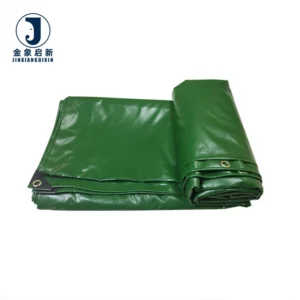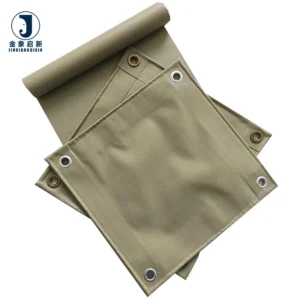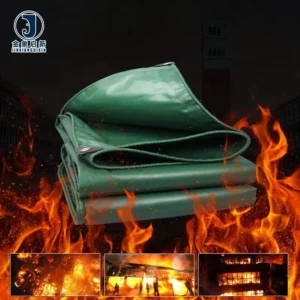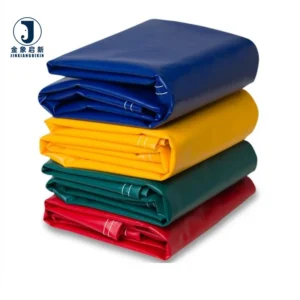
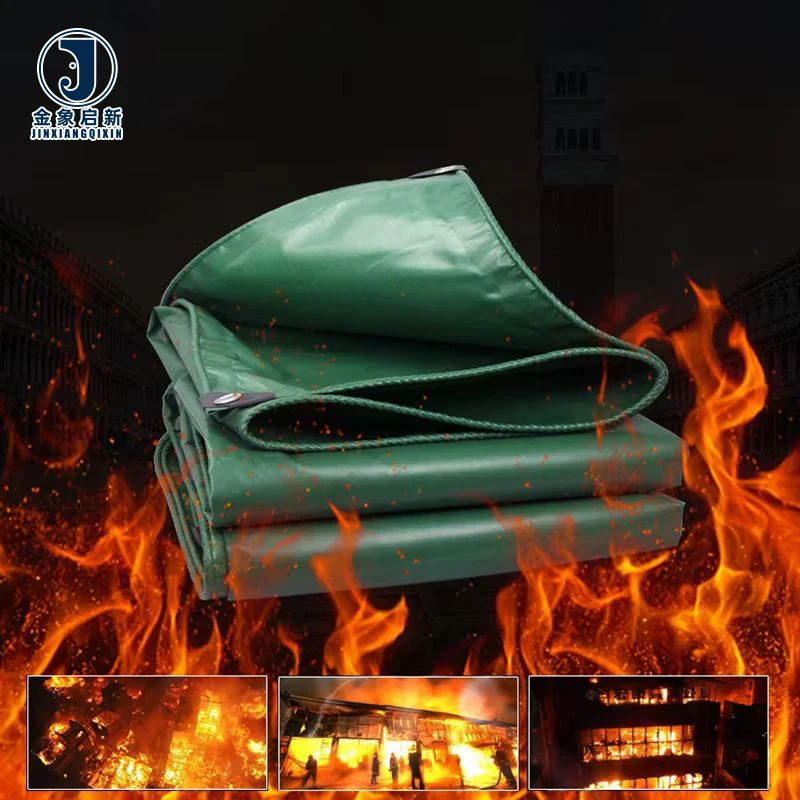
Deep Coating Process Control — our 500D×500D polyester base fabric receives a double-sided PVC coating under strict weight monitoring, ensuring the stated areal mass is delivered on every roll shipped.
Technical Specifications
| Parameter | Value |
|---|---|
| Product Type | PVC Coated Tarpaulin Fabric |
| Base Fabric Yarn Count | 500D × 500D Polyester |
| Material Composition | Polyester Base + Double-Sided PVC Coating |
| Areal Mass Range | 450–900 g/m² |
| Waterproof Performance | Fully waterproof coated construction |
| Flame Retardant | Available in flame retardant grades — confirm the grade required for your market |
| UV Treatment | Anti-UV stabiliser integrated into coating layer — request test report for specific grade |
| Surface Characteristics | Smooth, soft surface with leather-like texture |
| Abrasion Resistance | High abrasion resistance at contact and flex points |
| Repairability | Repairable by hot air welding |
| Service Life Expectancy | Suited to extended outdoor exposure (3–5 year reference under typical conditions) |
| Key Features | Water resistant, flame retardant (grade-dependent), anti-UV, weldable seams |
Application Suitability
| Application | Exposure & Requirement |
|---|---|
| Truck and trailer side curtains | Constant flexing at load shifts, road debris abrasion, continuous UV and rain exposure |
| Machine and equipment covers | Outdoor storage weathering, dust and moisture ingress, frequent removal and refitting |
| Awning and tent fabrication | Tensile loading at pole and anchor points, solar degradation, wind-driven rain |
| Wood and building material covers | Long-term outdoor stacking, UV exposure, wind uplift stress on tie-down points |
| Construction site enclosures | Prolonged weather exposure, mechanical contact with scaffolding and tools |
Why PVC Coated Tarpaulin Base Fabric Denier and Coating Weight Matter More Than GSM Alone
Areal mass without construction detail is an incomplete specification.
Many buyers receive rolls that match the quoted GSM but fail prematurely because the base fabric denier was substituted with a lighter yarn and the coating weight increased to compensate. A 500D×500D polyester base delivers tensile and tear performance that a lighter yarn simply cannot replicate, even when the total areal mass reads the same on a scale. When PVC coated tarpaulin fabric is specified only by GSM, the coating-to-fabric ratio remains hidden — and that ratio directly determines weld strength, flex endurance and long-term coating adhesion. [NEED_CITE: tensile and tear test methods for coated fabrics per ISO 1421]
Double-Sided Coating and Fabric Adhesion
The 500D×500D woven polyester base receives PVC on both faces in a controlled coating process. Double-sided application encapsulates the yarn structure, preventing moisture ingress through the weave and distributing mechanical stress evenly across the fabric plane. The adhesion between coating and base fabric determines whether the material delaminates under repeated flexing — a failure mode common in single-coated or poorly bonded alternatives. For PVC coated tarpaulin fabric used in truck side curtains and awning panels, this bond integrity at the coating-fabric interface is the primary factor in long-term service performance.
Flame Retardant and UV Treatment Integration
Flame retardant chemistry is compounded directly into the PVC coating layer rather than applied as a surface after-treatment, which means the protection does not wash or wear off with field use. Available in flame retardant grades — confirm the grade required for your market before ordering, as different regions mandate different test standards. Anti-UV stabilisers are similarly integrated into the coating formulation to slow polymer degradation under continuous solar exposure. Request the test report specific to the grade and batch being shipped, so you can verify the claimed performance against your local regulatory or project requirements. [NEED_CITE: flame retardant classification standards for coated textiles in building and transport applications]
Reading the Specification Sheet Beyond the GSM Figure
The 450–900 g/m² range available in this PVC coated polyester fabric covers grades from medium-duty covers to heavy-duty transport and construction applications. The areal mass is a product of base fabric weight plus coating weight on each side — understanding this breakdown tells you whether the material relies on heavy coating (which improves waterproofing but can reduce flex life) or a denser base weave (which improves tear propagation resistance). The 500D×500D yarn count provides a balanced warp-and-weft structure that resists tear spread in both directions. Coating thickness also influences hot air welding behaviour: heavier-coated grades require adjusted temperature and dwell time settings to achieve full seam fusion without burning through the PVC layer. Surface texture — the smooth, leather-like finish on this fabric — affects dirt adhesion and cleaning effort in field conditions, and determines ink receptivity if the material is to be printed for branding or signage.
What Happens When Material Properties Are Misjudged
Selecting PVC coated tarpaulin fabric without verifying the coating-to-fabric weight ratio often leads to seam failure at flex points, where the load shifts and stress concentrates. Rolls that pass a GSM check but contain a lighter base yarn with heavier coating will show early cracking along fold lines and welded joints. Flame retardant claims unsupported by a batch-specific test report can result in failed site inspections and rejected deliveries, particularly on construction and mining projects where fire safety documentation is audited. Colour variation between production batches causes visible mismatches when panels from different rolls are installed side by side on awnings or truck curtains — a problem that only surfaces after fabrication and installation are complete. [NEED_CITE: coating adhesion failure modes in PVC coated polyester fabrics under cyclic flex loading]
Why Technical Buyers Source This PVC Coated Polyester Fabric Here
Three full production lines and 36 sets of professional coating equipment support consistent output volume across bulk roll orders, reducing the risk of mid-order specification drift. The 10-person R&D team handles material selection and sample development, enabling custom GSM grades, colour matching and width adjustments with sample turnaround measured in days rather than weeks. Every production stage carries dedicated QA/QC checkpoints, and 100% pre-shipment inspection verifies areal mass, coating adhesion and colour consistency against the purchase specification. ISO and CE certified production provides the documentation framework that technical buyers and fabricators require for project compliance and audit trails. Decades of focused coated fabric production deliver process control over coating weight and adhesion that generic tarpaulin suppliers cannot match.
Documentation & Verification
- Material specification sheet stating base fabric denier, coating method, and areal mass per roll
- UV and flame retardant test reports matched to the specific batch being dispatched
- Pre-shipment inspection record with verified areal mass and coating adhesion values
- Roll packing list with individual roll identification for traceability
- ISO and CE certificates included in the shipment documentation package
Fabrication, Handling & Storage
- Hot air weld temperature and speed must be adjusted to the specific GSM grade of this PVC coated polyester fabric
- Store rolls upright on pallets to prevent flat-spot deformation of the 500D base fabric structure
- Avoid dragging rolls on unprotected concrete to preserve the smooth leather-like surface finish
- Allow cold-stored rolls to reach ambient temperature before unrolling to prevent coating micro-cracking
- Use PVC-compatible cleaners only; solvent-based products will attack the double-sided coating layer
- Field repairs are achievable with hot air welding using matching PVC-coated scrap from the same fabric grade
Requesting a Technical Quotation
Provide the target areal mass, required flame retardant grade for your market, and the total roll quantity so we can confirm lead time and batch consistency. Specify whether you need standard widths or custom slit widths to minimise waste in your cutting layout. If colour matching across multiple rolls is critical for side-by-side installation, submit a reference sample or RAL code with your inquiry.
Frequently Asked Questions
Q: How is GSM related to base fabric denier and coating weight, and how should it be verified on arrival?
A: GSM is the combined weight of the 500D×500D polyester base plus the double-sided PVC coating. Two rolls can read the same GSM with very different base-to-coating ratios, affecting flex life and weld strength. On arrival, cut a measured sample from each roll and weigh it, then compare the result against the material specification sheet supplied with the shipment.
Q: What flame retardant grades are available and which test standards do they meet?
A: Flame retardant grades are compounded into the PVC coating layer and are available for different market requirements. The specific grade and corresponding test standard must be confirmed at the inquiry stage, as compliance requirements vary by region and application. A batch-specific test report is provided with every flame retardant order.
Q: How do you guarantee GSM consistency roll to roll across a container-load order?
A: In-process QA monitoring tracks coating weight at each production stage, and 100% pre-shipment inspection verifies areal mass on every roll before packing. The inspection record accompanies the shipment, allowing you to cross-check individual roll weights against your purchase specification.
Q: What welding method is recommended for joining panels, and does the seam match the fabric strength?
A: Hot air welding is the recommended method for this PVC coated polyester fabric, as it fuses the coating layers across the joint. Correct temperature, speed and pressure settings produce a seam that matches or exceeds the fabric strength at flex points. We provide weld parameter guidance matched to the specific GSM grade ordered.
Q: Can the fabric be supplied in custom widths, colours and GSM grades with reasonable lead times?
A: Custom widths, colour matches and GSM grades within the 450–900 g/m² range are available. The R&D team develops samples within days for approval before production. Standard lead times apply for stock grades, while custom specifications carry longer lead times depending on order volume and complexity.