Frequently Asked Questions
Q: How can I verify the GSM and coating weight when the rolls arrive?
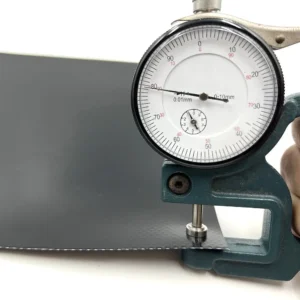
A: Request a material specification sheet that states the base fabric denier, coating weight, and total GSM separately. On delivery, cut a measured sample from the roll and weigh it to confirm the value matches your quotation. A pre-shipment inspection record from the manufacturer provides an independent check before dispatch.
Q: What does base fabric denier mean for tear and tensile strength?
A: Denier refers to the yarn thickness in the base fabric. Higher denier yarns resist tear propagation more effectively, particularly at stress points like grommets and corners. The weave density works alongside denier — a tightly woven high-denier base provides better tear resistance than a loosely woven heavy-denier fabric.
Q: How is anti-static treatment verified and what standard should I request?
A: Anti-static treatment is measured by surface resistance, typically reported in ohms. Request a test report stating the measurement standard applicable to your market. Without a documented test result, the anti-static claim cannot be verified against your specific livestock housing safety requirements.
Q: How do I ensure color consistency across multiple rolls for one farm project?
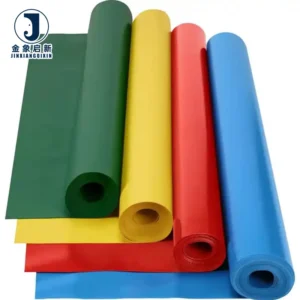
A: Provide a color reference using a standard system and request a production batch sample before full manufacturing. A pre-shipment inspection should confirm roll-to-roll consistency, as color variation becomes visible when panels install side by side on a single structure.
Q: What is the difference between knife coated and calendered PVC, and which suits farm covers?
A: Knife coating applies liquid PVC directly onto the base fabric, producing stronger adhesion and better flexibility at fold lines. Calendering presses a PVC film onto the fabric, which can be more cost-effective but may show lower peel strength. For farm covers that undergo repeated rolling and tensioning, knife coated construction generally delivers more durable performance.