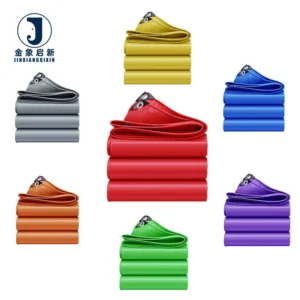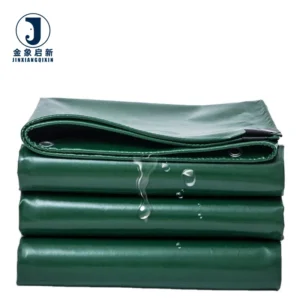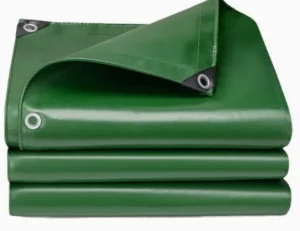
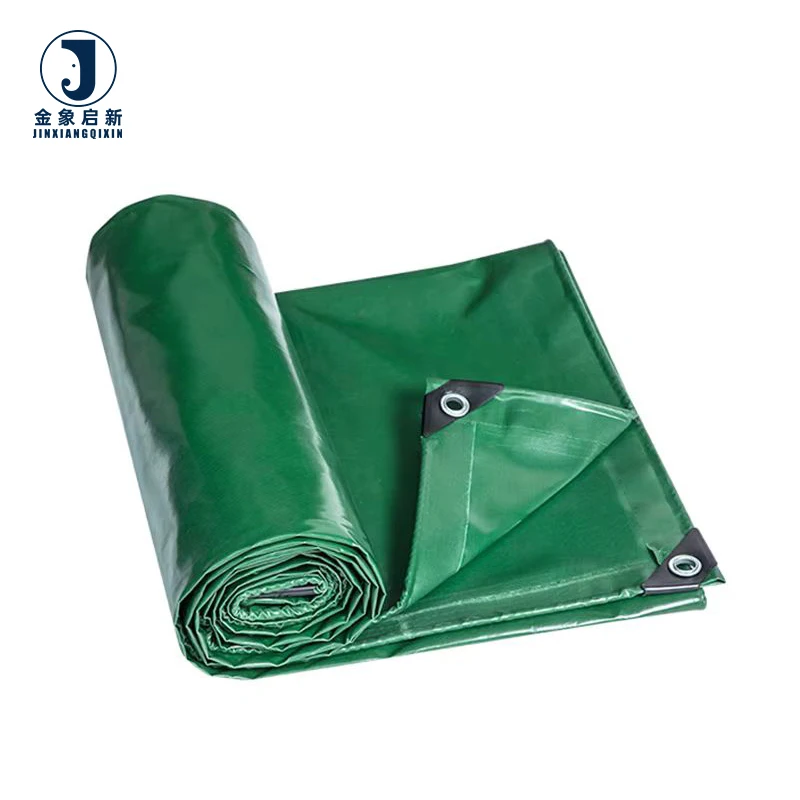
Coating Adhesion Control — Every roll of this 450 gsm PVC coated woven fabric undergoes in-process QA to confirm that coating weight and bond strength match the material specification sheet, eliminating the common discrepancy between quoted GSM and what arrives on the dock.
Technical Specifications
| Parameter | Value |
|---|---|
| Product Type | PVC Coated Fabric |
| Coating Material | PVC Vinyl |
| Base Fabric Construction | Woven |
| Weight | At least 450 gsm |
| Waterproof Performance | Fully waterproof coated surface |
| Surface Treatment | PVC vinyl coating, available in glossy or matte finish |
Application Suitability
| Application | Exposure & Requirement |
|---|---|
| Industrial equipment covers | Outdoor rain and snow exposure, repeated handling and flex at fold lines |
| Vehicle and fleet truck tarps | Road debris abrasion, wind-driven moisture, constant tie-down stress |
| Outdoor structure sheeting | Prolonged elemental exposure, UV radiation, thermal cycling |
| Custom fabricated covers | Material integrity during cutting, welding, and long-term field use |
Why Quoted GSM Often Fails When the Roll Arrives
The fabric on the scale is lighter than the specification sheet promised — and the cover tears at the seam before the material itself gives out.
PVC coated fabric at 450 gsm is engineered to close that gap. The woven base fabric provides tensile structure, while the PVC vinyl coating is applied under controlled weight parameters with dedicated QA inspection at each production stage. Technical buyers who specify material properties on paper deserve fabric that matches those properties in the roll. [NEED_CITE: ISO 1421 tensile and tear test methods for coated fabrics]
Woven Base Construction as the Structural Core
The tear and tensile behaviour of any PVC coated woven fabric starts with its base fabric. The denier of the yarn and the density of the weave determine how the material resists puncture and how tears propagate once initiated. A 450 gsm grade built on a woven substrate distributes mechanical stress across multiple yarn intersections, which matters when industrial covers are dragged, folded, or loaded with wind pressure.
Coating Weight and Adhesion Under Repeated Flex
Coating adhesion is the difference between a cover that lasts and one that delaminates at the fold. The PVC vinyl coating on this fabric is bonded to the woven substrate with controlled process parameters that maintain peel strength through repeated flexing. When a truck cover is removed and re-tensioned daily, or an equipment cover is folded for storage, coating adhesion determines whether the vinyl layer stays intact or begins to separate at stress points. [NEED_CITE: peel strength testing for coated textile substrates per ISO 2411]
Reading the Material: What GSM and Weave Together Determine
A 450 gsm weight tells you the combined mass of base fabric and coating per square metre, but it does not isolate either component. A heavier coating on a lighter base may feel substantial on the scale yet offer limited tear resistance. Conversely, a dense woven base with a thinner coating provides structural strength but may sacrifice surface waterproofing at abrasion points. The balance between coating weight and base fabric density is what makes a PVC coated fabric suitable for industrial-grade outdoor covers rather than light-duty temporary sheeting. Glossy and matte finish options are available depending on whether the application prioritises cleanability or reduced glare. [NEED_CITE: relationship between GSM composition and tensile behaviour in coated woven textiles]
The Cost of Choosing Coated Fabric on Price Per Roll Alone
When coating weight is not verified before shipment, the result is covers that split under load, seams that open at flex points, and material that fails its first winter. Roll-to-roll inconsistency compounds the problem: one batch performs adequately while the next, ordered months later, arrives lighter and thinner. For fabricators producing custom covers, inconsistent GSM means welding parameters that worked on the first roll produce weak joints on the second. These failures surface in the field, not in the warehouse. [NEED_CITE: coating weight variance and field failure rates in industrial tarpaulin applications]
What Consistent Material Supply Looks Like in Practice
Three full production lines and 36 sets of professional equipment support bulk output without compressing coating weight to meet throughput targets. A 10-person R&D team develops samples within days when custom width, colour, or material adjustments are needed. Dedicated QA/QC operates at every stage — coating application, adhesion verification, and final roll weight check — with 100% pre-shipment inspection. Material specification sheets accompany each order stating actual GSM, base fabric details, and coating type, so procurement teams can verify on receipt without guessing.
Documentation & Verification
- Material specification sheet confirming actual GSM, base fabric construction, and PVC coating type per roll
- UV and flame retardant test reports provided where the specification includes those treatments
- Pre-shipment inspection record with measured weight and adhesion values
- ISO and CE certificates available for compliance documentation
- Roll packing list detailing batch numbers and individual roll weights
Fabrication, Handling & Storage
- Heat weld parameters should be calibrated to the 450 gsm PVC vinyl coating thickness for consistent seam strength
- Roll stock should be stored upright on pallets to prevent surface creasing of the coated woven fabric
- Cold-condition rolls should acclimate to ambient temperature before unrolling to avoid coating micro-cracking
- Cutting layouts should account for standard roll widths to minimise waste and transverse weld seams
- Matte and glossy surface finishes respond differently to solvent-based cleaners — confirm compatibility before field maintenance
What to Include in Your Material Enquiry
Specify the end-use application and exposure conditions — whether the fabric will serve as a vehicle cover, industrial equipment shroud, or outdoor structure sheeting. Confirm the required roll width and whether you need continuous roll stock or pre-cut panels. Indicate any colour or printing requirements, and whether your market mandates UV treatment or flame retardant certification so that the correct test reports are included with your shipment.
Frequently Asked Questions
Q: How is the GSM verified before shipment, and how can I re-check on arrival?
A: Each roll is measured during production and again at the pre-shipment inspection stage. The material specification sheet included with your order states the actual measured GSM. On arrival, you can verify by cutting a measured sample and weighing it on a calibrated scale to confirm it matches the documented value.
Q: What test reports are available for UV or flame retardant treatments?
A: When your specification includes UV stabilisation or flame retardant treatment, the relevant test report is supplied with the shipment. Specify the standard required by your market or project so that the correct treatment grade and documentation are applied to your PVC coated fabric order.
Q: How is batch-to-batch colour consistency maintained across multiple rolls?
A: Colour reference is recorded in the material specification sheet, and in-process QA checks each production run against that reference. This ensures that rolls from different batches installed side by side show no visible variation. Samples can be produced for colour approval before bulk manufacturing begins.
Q: What are the heat welding and sewing considerations for this 450 gsm woven PVC fabric?
A: The PVC vinyl coating responds well to hot-air and high-frequency welding when temperature and pressure are calibrated to the material thickness. Sewn seams should use UV-resistant thread, and welded seams should be tested at high-flex points where the cover will experience repeated movement in service.
Q: Can I order custom widths, colours, or printed branding on roll stock?
A: Custom width, colour, and pattern printing are available. The R&D team develops samples within days for approval before production. Minimum order quantities apply to custom specifications, and lead times vary depending on the level of customisation required for your PVC coated fabric order.