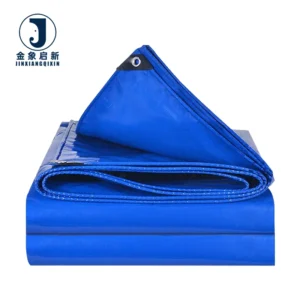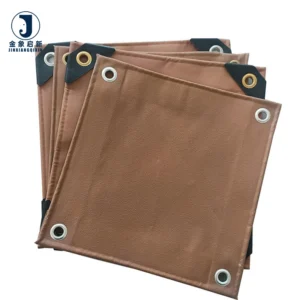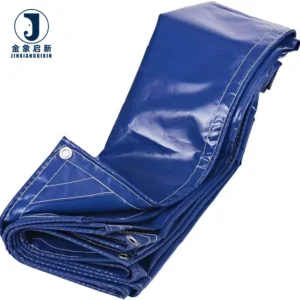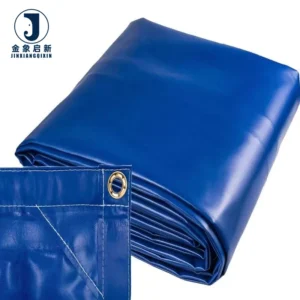
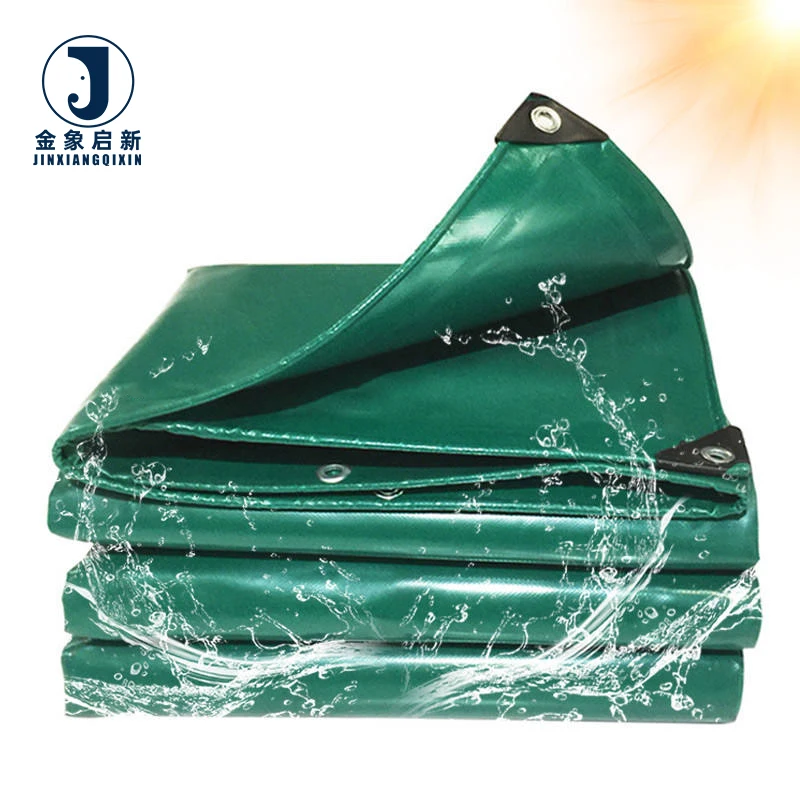
Process-Controlled Coating — Every roll of PVC coated tarpaulin GSM specification base fabric denier coating technology is verified against the material data sheet before dispatch, ensuring the weight you ordered is the weight you receive.
Technical Specifications
| Parameter | Value |
|---|---|
| Product Type | PVC Coated Fabric |
| Material | High-Strength PVC Vinyl |
| Weight | At least 450 GSM |
| Fabric Structure | Woven Fabric |
| Waterproof | Yes |
| Surface Treatment | PVC Coated |
| Key Features | Waterproof, tear-resistant, suitable for heat welding |
| Standards | ISO, CE |
Application Suitability
| Application | Exposure & Requirement |
|---|---|
| Industrial equipment covers | Outdoor storage, rain and snow exposure, abrasion from handling |
| Vehicle and truck covers | Road debris impact, wind flexing, UV exposure, waterproof seal |
| Temporary structure sheeting | Wind load tension, prolonged weather exposure, dimensional stability |
| Fabricator roll stock | Batch consistency for cutting and welding into finished products |
Why the Quoted GSM Rarely Matches What Arrives on the Dock
Material integrity starts with a documented coating weight, not a number on a quotation.
Technical buyers sourcing PVC coated tarpaulin GSM specification base fabric denier coating technology know the frustration: the supplier confirms 450 GSM, but the roll that arrives feels noticeably lighter. Without a verified coating weight test, there is no way to confirm what was actually shipped versus what was promised [NEED_CITE: GSM verification methods for coated technical textiles]. The discrepancy often comes from reducing coating thickness to cut material cost while keeping the quoted figure unchanged. For fabricators welding this material into finished covers, an underweight roll means lower tensile reserves and weld seams that fail before the fabric itself does.
Base Fabric Construction and What It Means for Tensile Performance
The woven base fabric is the structural skeleton of any PVC coated fabric. Its denier and weave density determine how much load the material can carry before stretching or tearing. A heavier coating alone cannot compensate for a loosely woven base — the coating adds weight but not structural integrity. When evaluating PVC coated tarpaulin GSM specification base fabric denier coating technology, the relationship between base fabric construction and total GSM is critical to understanding real-world strength.
Coating Adhesion and Heat-Weld Behaviour
The bond between the PVC vinyl coating and the woven substrate defines how the material performs at fabricated seams. Heat-welded joints rely on the coating layer fusing under temperature and pressure, and poor adhesion between coating and base fabric results in delamination at the weld line [NEED_CITE: peel strength testing for coated fabrics per ISO 2411]. For fabricators producing equipment covers or truck sheeting, confirming weld seam strength data before committing to a bulk order prevents costly rework after installation.
Reading the Specification Sheet Beyond the Headline GSM
A stated GSM figure combines base fabric weight and coating weight into a single number, which can obscure how that weight is distributed. Two fabrics at the same GSM can behave very differently: one may use a heavier base with a thinner coating for better tear resistance, while another uses a lighter base with a thicker coating that adds stiffness without proportional strength. Understanding the PVC coated tarpaulin GSM specification base fabric denier coating technology breakdown helps buyers match material construction to the mechanical demands of their specific application.
The Hidden Cost of Specifying on Price Alone
When procurement decisions are driven primarily by cost per square metre, the material that arrives often reflects where corners were cut. A lighter-than-specified coating reduces waterproof margins and accelerates wear at fold points. Colour inconsistency between rolls in the same shipment forces fabricators to reject entire batches or accept visible mismatches on assembled structures [NEED_CITE: colour fastness and batch consistency standards for coated textiles]. Weld failures traced back to inadequate coating adhesion typically surface only after the finished cover is under load in the field.
What Verifiable Production Control Delivers
Coating weight and adhesion are controlled at every stage of the production line, with dedicated QA checkpoints rather than end-of-line sampling alone. The R&D team supports material selection and sample development for specific fabrication requirements, allowing you to test weld parameters before bulk production. Every roll undergoes inspection against the stated specification before dispatch, so the PVC coated tarpaulin GSM specification base fabric denier coating technology you approved in the sample is what you receive in the container. Documentation accompanies each shipment to support import compliance and downstream quality audits.
Documentation & Verification
- Material specification sheet stating GSM, base fabric denier, and coating type for each roll
- Pre-shipment inspection record confirming weight and visual quality per roll
- UV and flame-retardant test reports provided where applicable treatments are specified
- ISO and CE certificates included with shipping documentation for import compliance
- Roll packing list with individual roll weights and dimensions for receiving verification
Fabrication, Handling & Storage
- Set heat-weld temperature to match the PVC vinyl coating thickness for consistent seam fusion
- Store rolls horizontally on a flat surface to prevent permanent creasing in the woven base fabric
- Allow material to acclimatise before unrolling in cold conditions to avoid coating stiffness and cracking
- Use compatible PVC-based repair patches for field repairs on the coated surface
- Plan cutting layouts to minimise offcuts and ensure weld seams fall at low-stress areas of the finished cover
What to Include in Your Enquiry
To recommend the correct construction, share the end-use application and the environmental exposure the finished product will face — including wind load, temperature range, and whether flame-retardant certification is required by your market. Specify the roll width and annual volume you need, along with any colour or surface finish preferences. Confirm whether you require raw roll stock for your own fabrication or if cut-to-size panels are needed.
Frequently Asked Questions
Q: How do I verify the stated GSM when the rolls arrive?
A: Cut a measured sample from each roll using a standard template, weigh it on a calibrated scale, and calculate grams per square metre. Compare the result against the material specification sheet provided with your shipment. Any deviation beyond normal tolerance should be flagged before fabrication begins.
Q: What base fabric denier options are available at this weight class?
A: Multiple denier and weave density combinations can achieve the target GSM, each producing different tensile and tear characteristics. Request the material specification sheet to review the base fabric construction matched to your mechanical requirements before approving samples.
Q: Can I get a test report for UV or flame-retardant treatment?
A: Where UV stabilisation or flame-retardant treatment is specified on your order, the corresponding test report is supplied with the shipment. Confirm the grade or standard required for your market at the enquiry stage so the correct formulation is applied.
Q: Will the colour match across all rolls in my order?
A: Colour consistency is controlled through batch formulation and verified during pre-shipment inspection. For large orders spanning multiple production batches, request a colour reference check and confirm acceptance criteria before production begins.
Q: What weld strength data can you provide for fabrication planning?
A: Peel strength and weld seam data for the PVC vinyl coating can be supplied to support your fabrication parameter setup. Share your heat-weld equipment type and target seam strength so the R&D team can recommend optimal temperature and pressure settings.