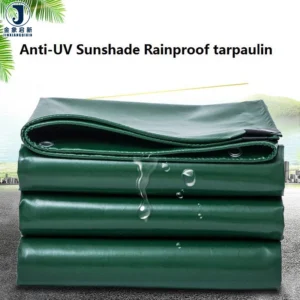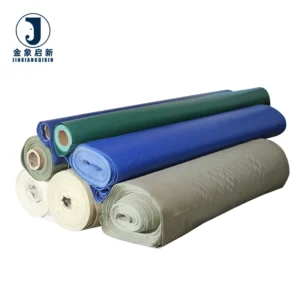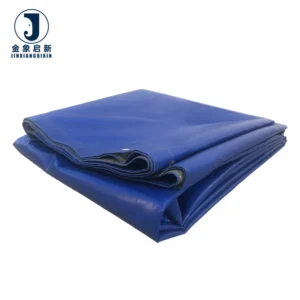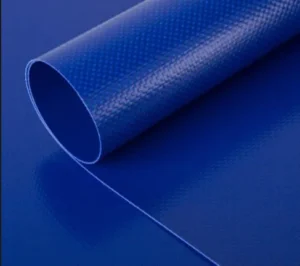
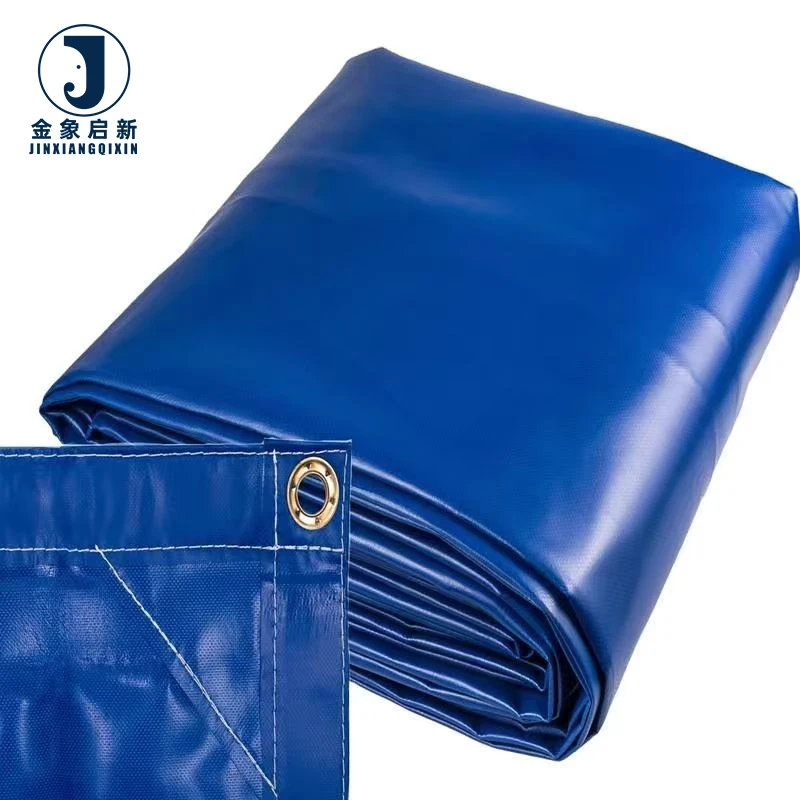
Specification Control — High-frequency heat bonding ensures coating adhesion matches the stated GSM across every linear meter of PVC coated tarpaulin roll produced.
Technical Specifications
| Parameter | Value |
|---|---|
| Product Type | PVC Coated Tarpaulin Roll |
| Material | PVC coated polyester fabric |
| Weight | 500 to 800 grammas per square meter |
| Base Fabric | Polyester |
| Weave | Rip-Stop |
| Coating Method | Heat combined with high-frequency |
| Finish | Rubberized / Vinyl Coated |
| Waterproof Rating | Anti-permeable ≥20KPa |
| Flame Retardant Grade | Flame retardant ≤10 seconds (test standard not stated — confirm M2/B1/NFPA 701/DIN 4102 applicability for your market) |
| Low-Temperature Flexibility | Not fractured by pliers at -30℃ |
| Anti-Mildew | Mildew proofing properties stated (test basis not stated in source) |
| Chemical Resistance | Acid, alkali and brine corrosion resistance |
| Tensile Strength | High strength of tensile (test standard not stated in source) |
| Water Absorption | Almost no absorbable of water |
| Edge Option | Reinforced edges |
Application Suitability
| Application | Exposure & Requirement |
|---|---|
| Truck and trailer side curtains | Constant flex load at tie-down points, road abrasion, UV and weather exposure requiring verified tensile and coating adhesion |
| Industrial equipment and outdoor storage covers | Rain immersion, chemical splash (acid/alkali/brine), mildew in humid storage; waterproof rating and corrosion resistance critical |
| Transport fleet tarpaulins for cold-climate routes | Sub-zero flex without cracking, repeated folding and unfolding; low-temperature flexibility to -30℃ |
| Open-air stockpile covers in coastal or chemical zones | Salt spray and brine exposure, wind-driven rain; anti-permeable rating and chemical resistance required |
Why a Coating Weight Figure Without a Test Method Leaves Buyers Exposed
A GSM number on a quotation means nothing unless the coating method, base fabric denier, and adhesion process are specified alongside it.
Technical buyers sourcing PVC coated tarpaulin for fabrication or resale frequently receive rolls that test lighter than the quoted weight, with the shortfall hidden inside acceptable industry tolerances. The gap between a stated 500 to 800 grammas per square meter range and the actual grade delivered can change the fabric’s behaviour at the weld line and under sustained tensile load [NEED_CITE: tensile and tear test methods for coated fabrics per ISO 1421]. This is not a margin issue — it is a specification failure that surfaces only after the material has been cut, welded, and put into service.
Heat-Bonded Coating Adhesion and What It Means for Weld Integrity
High-frequency heat bonding fuses the PVC coating into the polyester rip-stop base at a molecular level, producing a bond that resists delamination when the fabric flexes under load. This PVC coated tarpaulin roll relies on that process to ensure seams welded during fabrication hold as long as the field of the fabric itself. Conventional paste coating or lamination methods can separate at the coating-to-yarn interface when subjected to repeated bending at tie-down or hem points.
Waterproof Rating in Context: Anti-Permeable ≥20KPa for Industrial Covering
The anti-permeable rating of ≥20KPa indicates that water will not penetrate the coating under sustained hydrostatic pressure typical of pooled rain on horizontal covers or wind-driven spray on vertical curtains. For PVC coated tarpaulin used in transport and industrial storage, this threshold covers most field conditions short of permanent submersion. The almost-zero water absorption figure means the fabric sheds moisture quickly and does not gain weight when wet, which matters for fleet operators managing payload limits.
Reading the Specification Sheet Beyond GSM Alone
The 500 to 800 grammas per square meter range defines the product family — the specific grade within that range must be confirmed before production. GSM alone does not predict performance: a lighter weight built on a high-denier rip-stop polyester base can outperform a heavier plain-weave fabric in tear resistance because the rip-stop grid arrests tear propagation at each intersection. Coating weight and base fabric density must be evaluated together. The rubberized vinyl-coated finish affects surface friction during fabrication — high-frequency welding parameters must match the coating thickness to avoid burn-through or incomplete fusion. Low-temperature flexibility at -30℃ sets a usable boundary for cold-chain logistics and winter transport routes [NEED_CITE: low-temperature impact test protocols for flexible PVC coated textiles].
The Hidden Cost of Specifying Without Process Verification
When flame-retardant claims arrive without a named test standard, fabricators building covers for regulated environments face rejection at the compliance inspection stage. A statement of ≤10 seconds without reference to M2, B1, NFPA 701, or DIN 4102 cannot be mapped to any jurisdiction’s fire code. Similarly, if GSM is not verified roll-by-roll before dispatch, an entire container of fabricated truck covers may arrive underweight — and the failure is discovered only when the buyer’s own quality team tests incoming material [NEED_CITE: pre-shipment inspection protocols for coated fabric rolls]. Batch colour variation across rolls compounds the problem: covers installed side by side on adjacent trailers reveal tonal shifts that no amount of post-installation cleaning can correct.
Why Technical Buyers Source This Grade Here
Deep process control over coating weight and adhesion, developed across nearly 30 years focused on coated fabric, means the GSM stated on the specification sheet is the GSM delivered.
Three full production lines and 36 sets of professional equipment support bulk roll output with consistent coating thickness across the entire production run, reducing the risk of roll-to-roll variation.
A 10-person R&D team handles material selection and sample development, enabling technical buyers to receive a physical sample cut from the exact grade they intend to specify — within days rather than weeks.
Dedicated QA/QC at every production stage with 100% inspection before shipment means each roll of PVC coated tarpaulin is checked against the specification sheet before it leaves the facility.
Documentation & Verification
- Material specification sheet stating exact GSM grade confirmed from the 500 to 800 grammas per square meter range, base fabric denier, and weave structure
- Test report for flame-retardant grade citing the named standard applicable to your destination market
- Weight verification per roll against the stated GSM before dispatch to prevent underweight delivery
- Pre-shipment inspection record covering coating adhesion, colour consistency, and surface finish across the order
- ISO and CE certificates confirming quality management and product compliance frameworks
Fabrication, Handling & Storage
- High-frequency welding parameters must match the specific GSM grade selected; test weld on a sample offcut before full production
- Reinforced edges distribute tie-down loads; add webbing or D-ring patches at high-stress points for side curtain applications
- Store rolls upright on pallets in a dry, shaded area to prevent coating compression marks and mildew formation
- Unroll at ambient temperature in cold climates — the -30℃ flexibility rating does not eliminate the risk of cracking if the roll is handled frozen
- Use mild detergent and soft brush for cleaning; avoid solvent-based cleaners that can degrade the vinyl-coated surface
Requesting a Technical Quotation
To receive a specification-aligned quotation, provide the exact GSM grade required from the available range, the target application and its exposure conditions, and the fire-retardant standard your jurisdiction mandates. Confirm whether you need rolls at standard or custom width, the total linear meter quantity, and any colour or surface finish preference. State whether you require raw roll stock for your own fabrication or finished panels with welded hems and edge reinforcement.
Frequently Asked Questions
Q: How do I verify the delivered GSM matches the quoted specification?
A: Request the pre-shipment inspection record showing roll-by-roll weight checks. On receipt, cut a measured sample from the leading edge of each roll and weigh it on a calibrated scale. Compare the result against the specification sheet. Any discrepancy beyond normal tolerance should be flagged before fabrication begins.
Q: Which flame-retardant standard applies if the ≤10 seconds claim lacks a named standard?
A: Confirm with your local building or transport authority which classification — M2, B1, NFPA 701, or DIN 4102 — governs your application. Request the supplier’s test report citing that specific standard before placing the order. A generic burn-time figure without a test method reference cannot satisfy regulatory inspection.
Q: What welding parameters work best with this high-frequency heat-bonded PVC coating?
A: Match your high-frequency welder’s power and dwell time to the specific GSM grade within the 500 to 800 grammas per square meter range. Run test welds on sample offcuts at three power settings and peel-test each joint. The correct setting produces a weld that tears the base fabric before the seam separates.
Q: How is roll-to-roll colour consistency maintained across a multi-roll order?
A: Specify the colour reference on the purchase order and request that all rolls in the shipment come from the same coating batch. The pre-shipment inspection record should note colour variance checks across rolls. Compare two rolls side by side under daylight-balanced lighting before cutting.
Q: Can this PVC coated tarpaulin be used in sub-zero transport environments?
A: The fabric does not fracture under pliers at -30℃, making it suitable for cold-climate truck and trailer covers. Allow frozen rolls to reach ambient temperature before unrolling or welding to avoid stress cracking at fold lines. Confirm the specific GSM grade needed for the mechanical loads in your route conditions.